





 Portuguese
  English
  Spanish
  3 min of reading
  0 comments



Your Name Can Go to Serasa If IPVA Is Not Paid? The Doubt Is Real: Your Name Can Go to Serasa If IPVA Is Not Paid, and the Measure Has Already Begun to Be Applied in Rio Grande do Sul, According to Serasa.
In the state, the State Revenue began sending, since August 2025, data on delinquent taxpayers directly to the credit protection agency. This means that your name can go to Serasa if IPVA is not paid, affecting not only the circulation of the vehicle but also the financial life of the owner.
According to Serasa, about 222,000 drivers are in this situation, totaling debts of more than R$ 255 million. The immediate consequence is the difficulty in accessing credit, loans, and financing, in addition to the incidence of daily fines and interest that make the debt grow larger.
Who Can Be Affected by Negative Credit
Any owner of a registered motor vehicle in Rio Grande do Sul who has not paid the tax is subject to this. Your name can go to Serasa if IPVA is not paid, regardless of the amount of the debt.
-
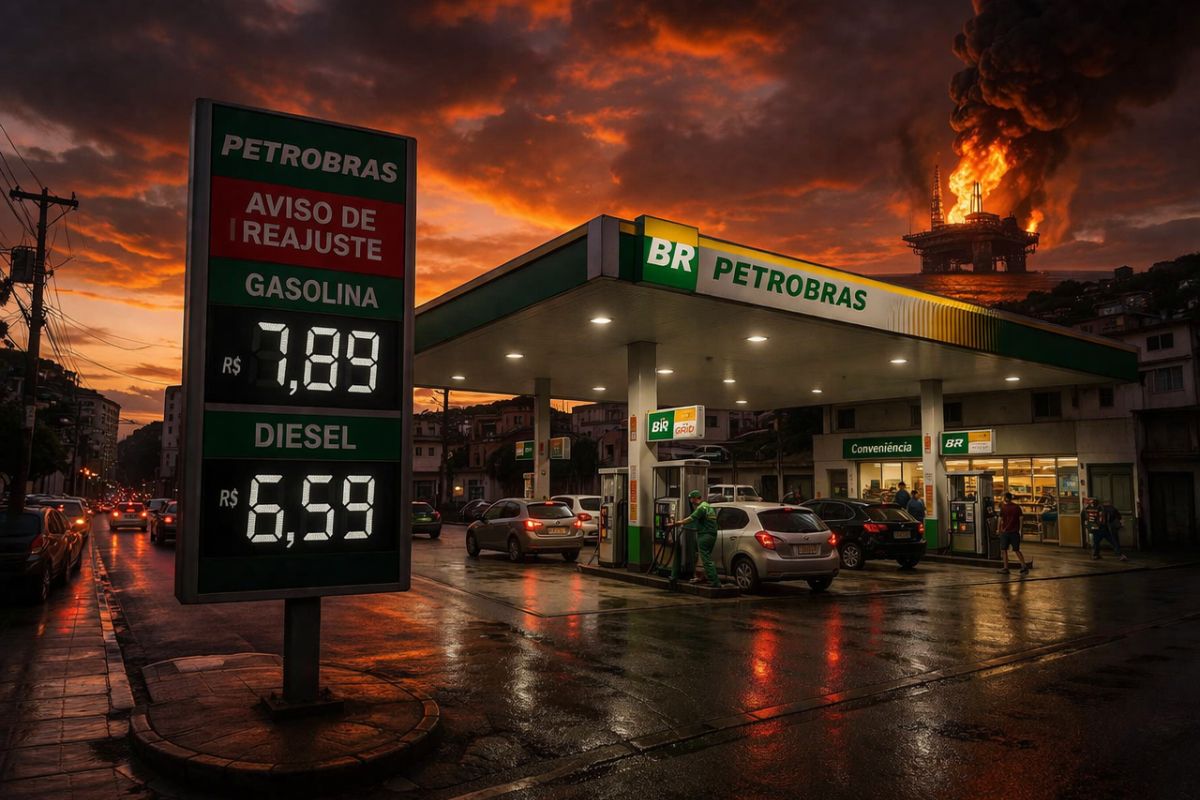
Oil surged to $115 a barrel due to the war in the Middle East, and diesel in Brazil has already risen to R$ 7.45 per liter, while the United States…
-
Brazilian city bets on the business environment to generate jobs and attract investments in the energy sector — secretary reveals strategy at Macaé Energy 2026.

-
50 viaducts, 4 tunnels, 28 bridges, and 40 kilometers of bike paths: BR-262 in Espírito Santo will receive 8.6 billion reais for the largest engineering project in the state’s history, inspired by the Immigrant Highway in São Paulo.

-
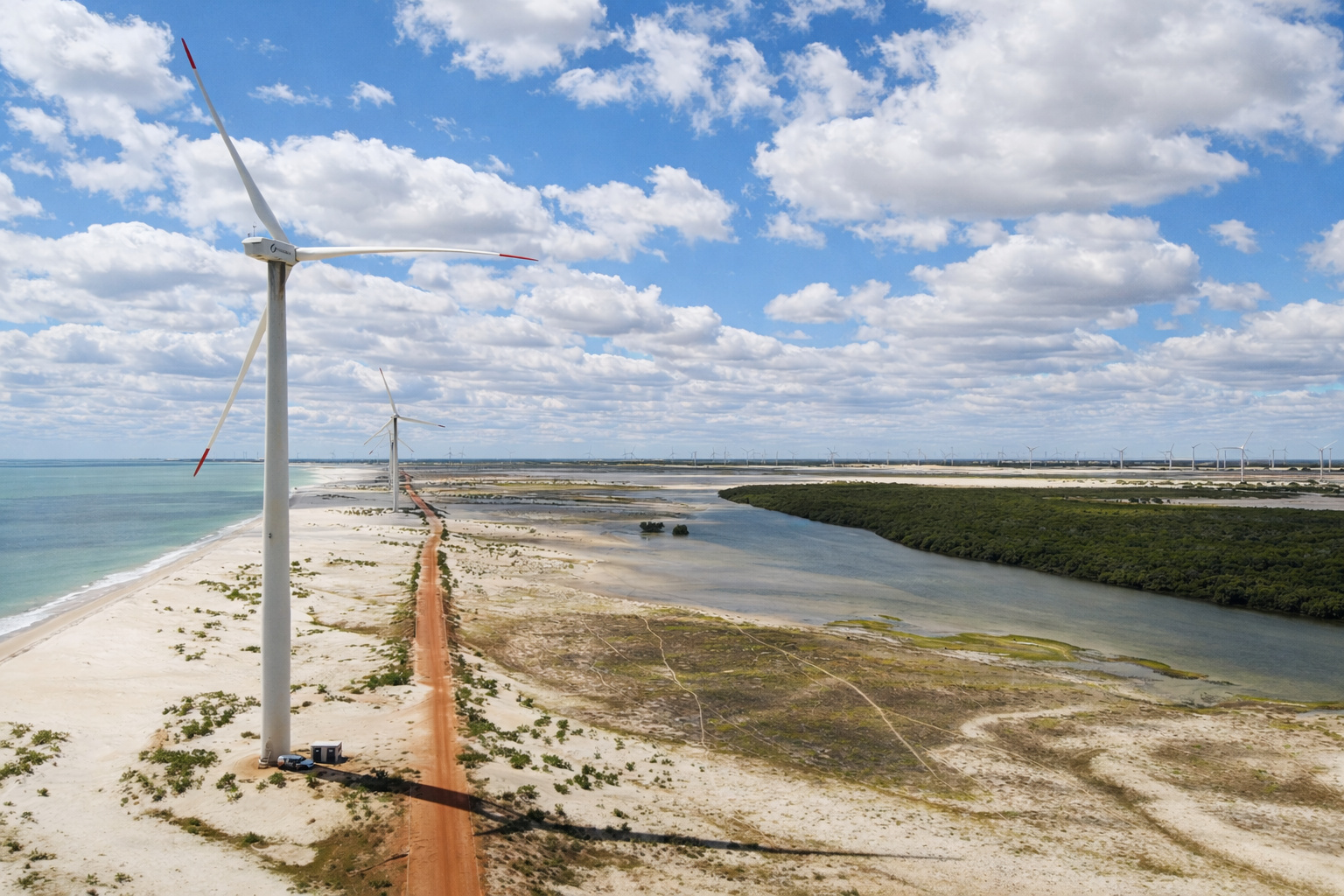
Brazil produces too much clean energy and doesn’t know what to do with it: over 20% of solar and wind capacity was wasted in 2025 while investors flee and 509 renewable generation projects were abandoned in the last year.


The law makes no distinction between individuals or companies: it is enough that the due date has passed. After 60 days without payment, the debt is automatically registered in Active Debt and communicated to Serasa.
How Much the Debt Can Grow with Fines and Interest
The financial impact is significant. Your name can go to Serasa if IPVA is not paid, and in addition, the debt increases daily with a fine of 0.334% until it reaches 20% of the amount. After two months, there is an increase of 5% and adjustment by the Selic rate, currently at 15% per year.
In practice, a debt of R$ 1,000 can exceed R$ 1,300 in a short time. This rapid growth creates even more difficulty in regularization for families already in debt.
Where and How to Regularize IPVA Debt
Your name can go to Serasa if IPVA is not paid, but there are alternatives to avoid the restriction. The taxpayer can access the official IPVA RS portal with their gov.br login and pay via Pix, QR Code, or banking apps using the plate and Renavam.
For those who cannot pay in full, there is the option of installment payment with the State Revenue. This measure prevents registration in Active Debt and removes the risk of negative credit registration.
Why Do States Adopt This Measure
Inclusion in Serasa is seen as a more efficient collection strategy. Your name can go to Serasa if IPVA is not paid because half of the tax revenue is transferred to the municipalities. These resources finance infrastructure, health, and education projects.
In Rio Grande do Sul, just in 2024, registration in Active Debt secured R$ 133 million in revenue, essential money for municipal coffers.
Is It Worth the Risk of Not Paying the Tax?
The answer is clear: no. Your name can go to Serasa if IPVA is not paid, bringing serious financial and even legal consequences. In addition to negative registration, the vehicle can be seized in a checkpoint, prohibited from being sold, or have its licensing renewed.
For those who depend on the car for work, the risk is even greater as it means the possibility of losing their means of livelihood.
Your name can go to Serasa if IPVA is not paid, and this is already a reality in Rio Grande do Sul. Debt brings not only additional costs but also financial blockages and legal problems.
And you, do you think this measure is fair to force payment, or do you think it punishes even more those who already face economic difficulties? Leave your opinion in the comments — we want to hear from those who live this in practice.








-

-

-

4 pessoas reagiram a isso.