





 Portuguese
  English
  Spanish
  3 min of reading
  0 comments


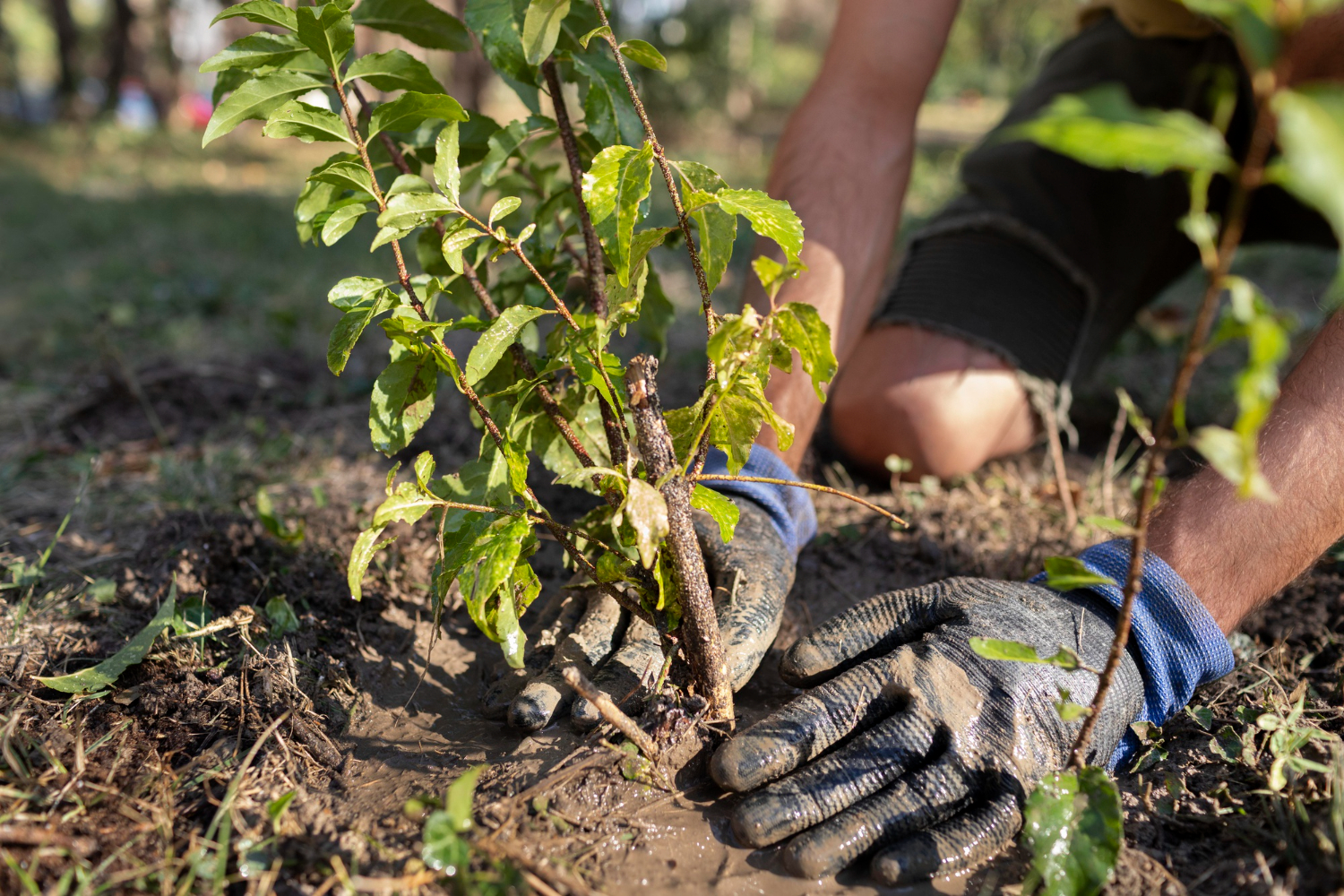
The Discussion About Reforestation in Brazil Gained Strength at COP30, Highlighting Caminho Verde Brasil and Solo Vivo, Which Expand Scientific and Productive Actions Aimed at Recovering Degraded Areas
The reforestation in Brazil has become one of the central themes at COP30 as it guides debates on how to recover degraded areas based on science, technology, and long-term planning, according to a report published.
The panel held on November 13 at AgriZone brought together representatives from the Ministry of Agriculture and Livestock (MAPA) and specialists from the Brazil-Germany Agripolitical Dialogue to discuss new productive restoration practices.
Secretary of Rural Development, Marcelo Fiadeiro, reported that international delegations expressed surprise at Brazil’s ability to produce across all biomes while maintaining environmental responsibility.
-
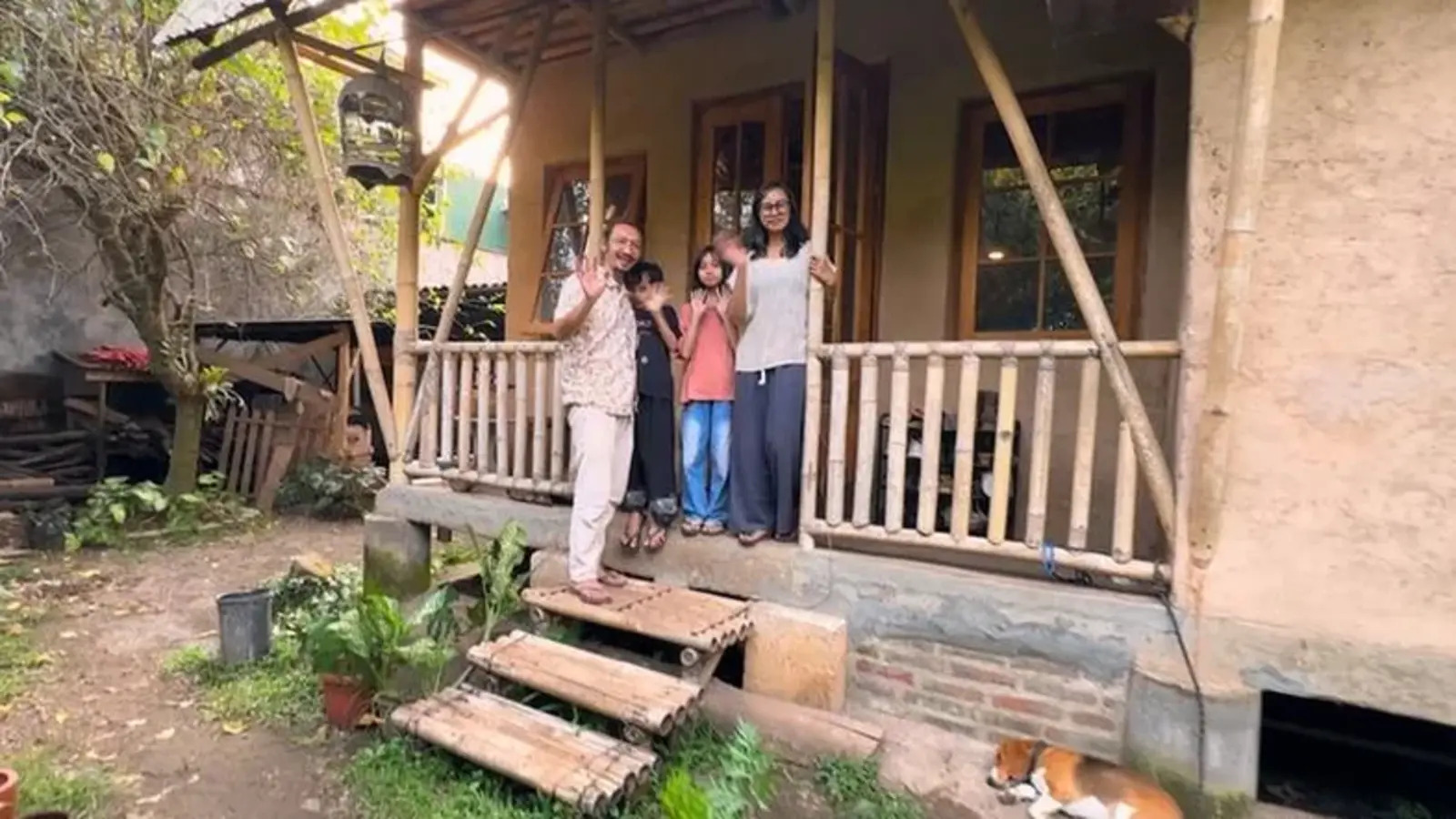
With earth, bamboo, straw, and lime mortar, a specialist builds a house for just over $460 and draws attention for its cost being much lower than traditional construction.
-
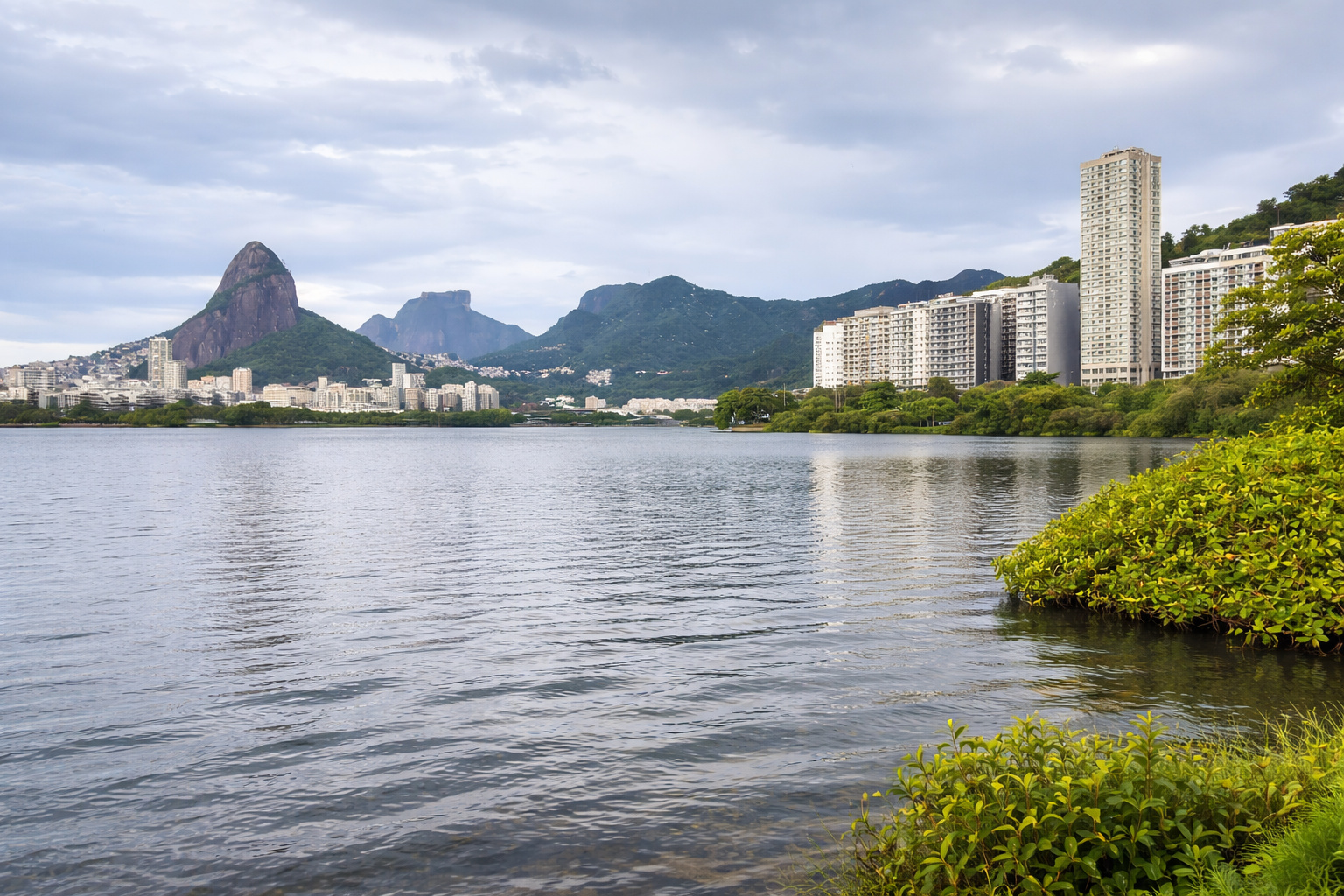
Rodrigo de Freitas Lagoon advances in environmental recovery with sanitation, elimination of irregular sewage, and the resumption of water sports in Rio de Janeiro.
-
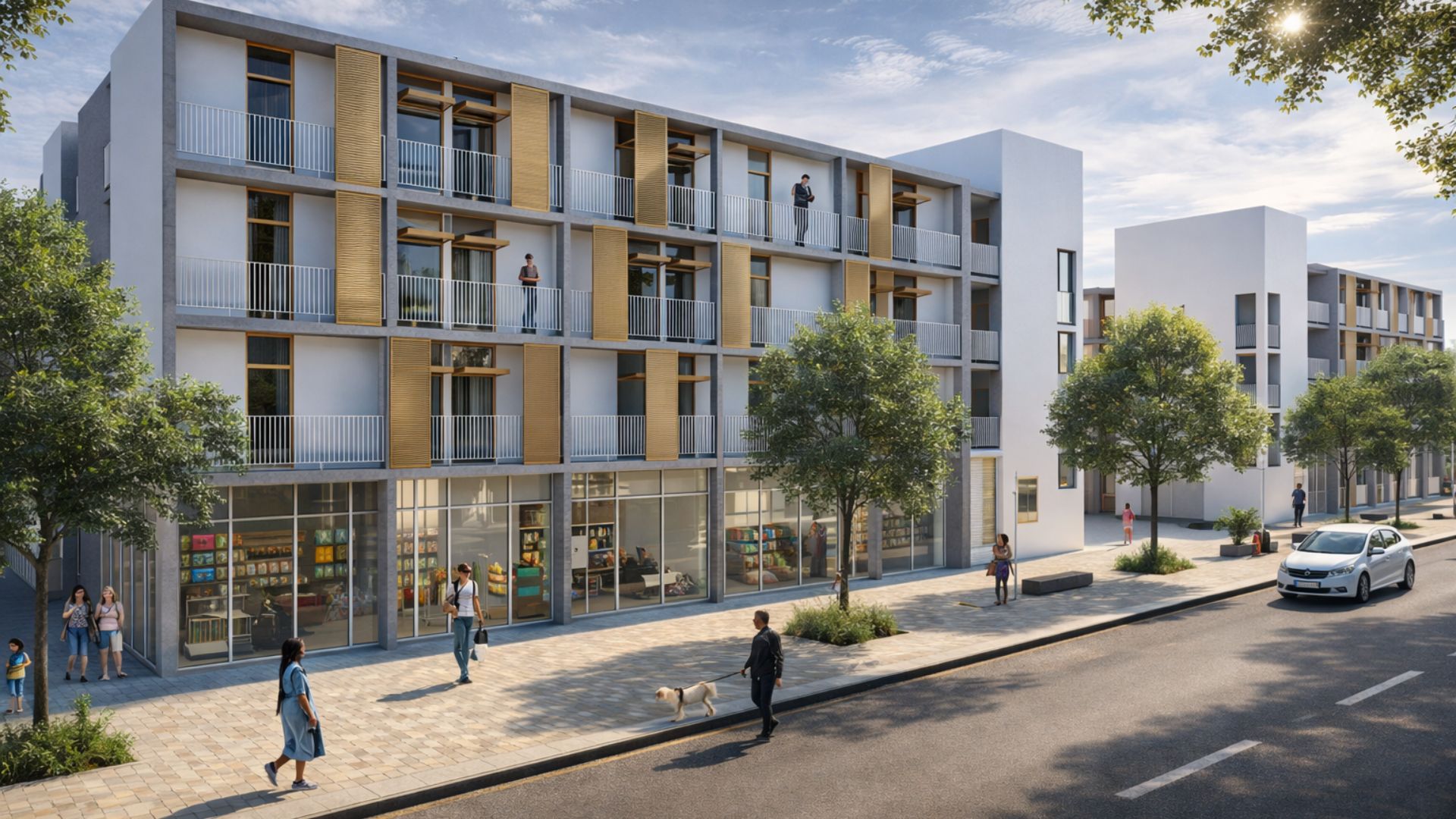
Sustainable housing gains strength with a nationally awarded project in Campo Grande, highlighting innovative solutions that combine sustainability, urban integration, and efficiency in the use of natural resources.
-
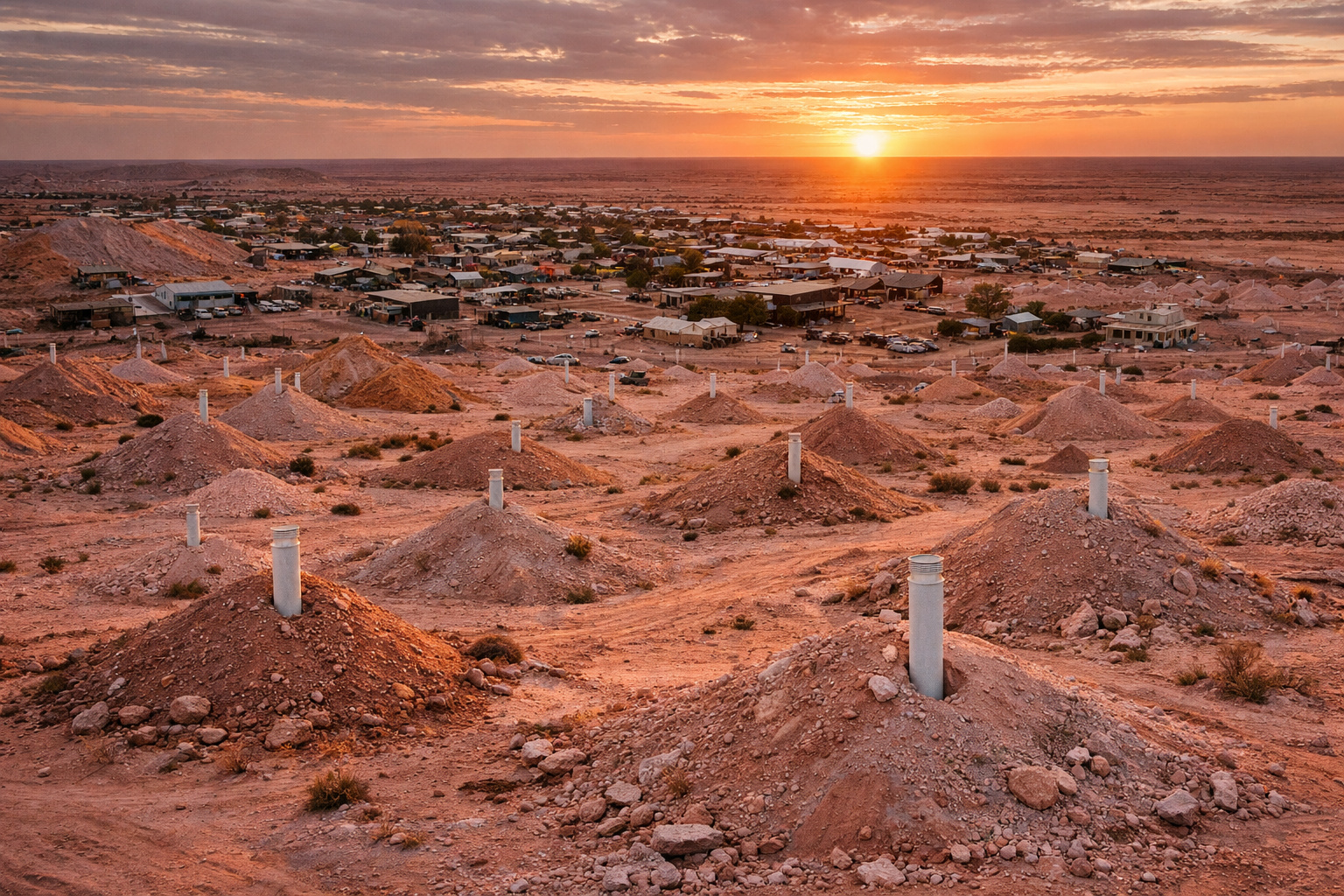
City Where Residents Live Underground to Escape 52°C May Be a Picture of the Future on an Increasingly Hot Planet

Mentioning the results achieved by the ABC Plan (2010–2020) and the expansion of goals in ABC+ (2021–2030), Fiadeiro emphasized that the integration of scientific research and public policies has guided strategic decisions in the field.
The presence of partner institutions consolidated the panel as a relevant space to demonstrate that the recovery of degraded areas depends on continuous and collaborative initiatives.
Recovering Degraded Areas is the Main Focus
Caminho Verde Brasil was presented as the most comprehensive program of Mapa to restore degraded areas with a focus on sustainable production.
The initiative aims to recover up to 40 million hectares in the next ten years, adopting rules such as zero deforestation and annual carbon balance starting from the third year of participation.
These guidelines consolidate a governance structure that allows monitoring results and adjusting practices according to property performance.
During the panel, Fiadeiro explained that such mechanisms help demonstrate to the world that the country has the technical capacity to expand production without opening new areas.
The strategy is also directly connected to the advancement of reforestation in Brazil, reinforcing the adoption of productive systems that reconcile efficiency and environmental conservation.
The goal of restoring millions of hectares highlights the importance of the combination of science, monitoring, and active participation from producers.
Sustainable Agricultural Technologies Will Be Used on a Large Scale
The Solo Vivo Program also gained attention by showing how soil recovery contributes to increasing productivity, income, and quality of life in rural communities.
The initiative encourages practices that improve soil fertility without increasing pressure on sensitive areas, strengthening low-emission methods compatible with ABC+.
This set of actions interacts with reforestation in Brazil, as integrating efficient management and ecological restoration reduces climate risks and increases the productive capacity of properties.
Fiadeiro emphasized that Solo Vivo offers conditions for producers to adopt modern techniques aligned with science, ensuring sustainable solutions reach all Brazilian biomes.
The result is the expansion of systems adapted to climate change, supported by technical assistance, research, and investments directed towards innovation in the field.

Climate Public Policies
The international cooperation presented at the panel reinforced the role of institutions like KfW and IICA in increasing investments and supporting climate adaptation strategies.
Fiadeiro highlighted that the exchange of experiences has guided dialogues during COP30, strengthening actions that unite agricultural production and environmental responsibility.
This process also contributes to structuring policies that value sustainable practices, especially in regions where small and medium producers depend on continuous training.
The ABC Plan and its evolution in ABC+ exemplify how long-term policies help consolidate reforestation in Brazil as an essential tool for restoring degraded areas.
At the end of his participation, the secretary reaffirmed MAPA’s commitment to increasing training and ensuring that sustainable technologies reach all those who depend on rural production across different Brazilian biomes.
In this way, the debate showed that productive recovery remains aligned with innovation and sustainability goals.





Seja o primeiro a reagir!