





 English
  Francês
  Alemão
  Italiano
  Japonês
  Norueguês
  Portuguese
  Spanish
 6 min of reading
  0 comments


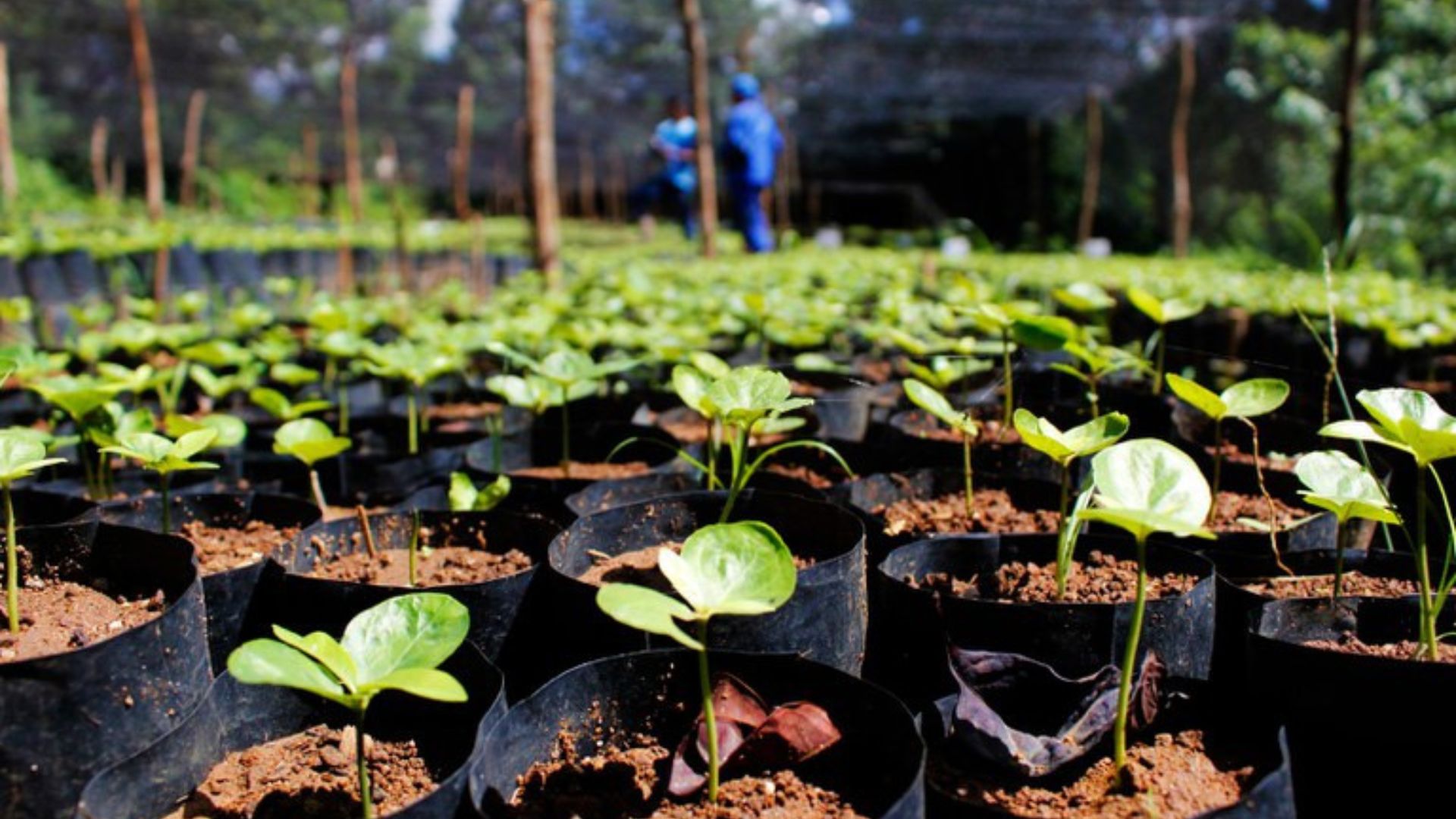
Environmental Action Carried Out by the Port of Suape in Pernambuco Recovers Strategic Areas, Protects Water Resources, and Strengthens ESG Practices After Reforestation with Native Species of the Atlantic Forest and Environmental Certification
The Port of Suape, in Pernambuco, received the Diamond Sustainability Seal from the Ministry of Ports and Airports after carrying out a broad reforestation action with the planting of 1,000 seedlings of native Atlantic Forest species.
According to an official publication from the Ministry of Ports and Airports this Friday (23), the initiative took place in a strategic area for the region’s water recharge and focused on environmental preservation, the protection of springs, and the strengthening of ESG practices in the Brazilian port sector.
According to the Ministry, the certification considers technical criteria such as the preservation of natural resources, recovery of degraded areas, community engagement, and alignment with sustainability guidelines.
-
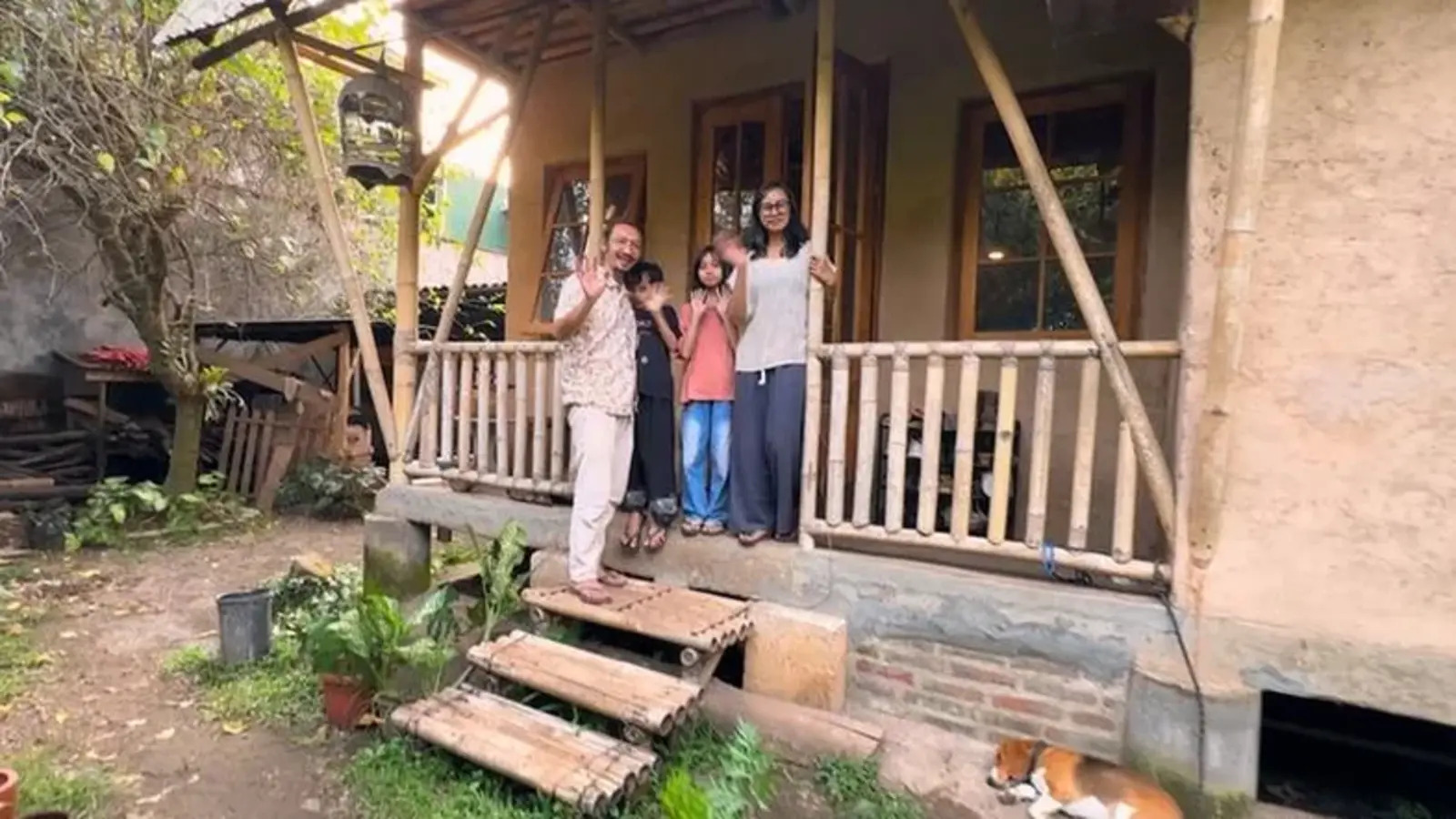
With earth, bamboo, straw, and lime mortar, a specialist builds a house for just over $460 and draws attention for its cost being much lower than traditional construction.
-
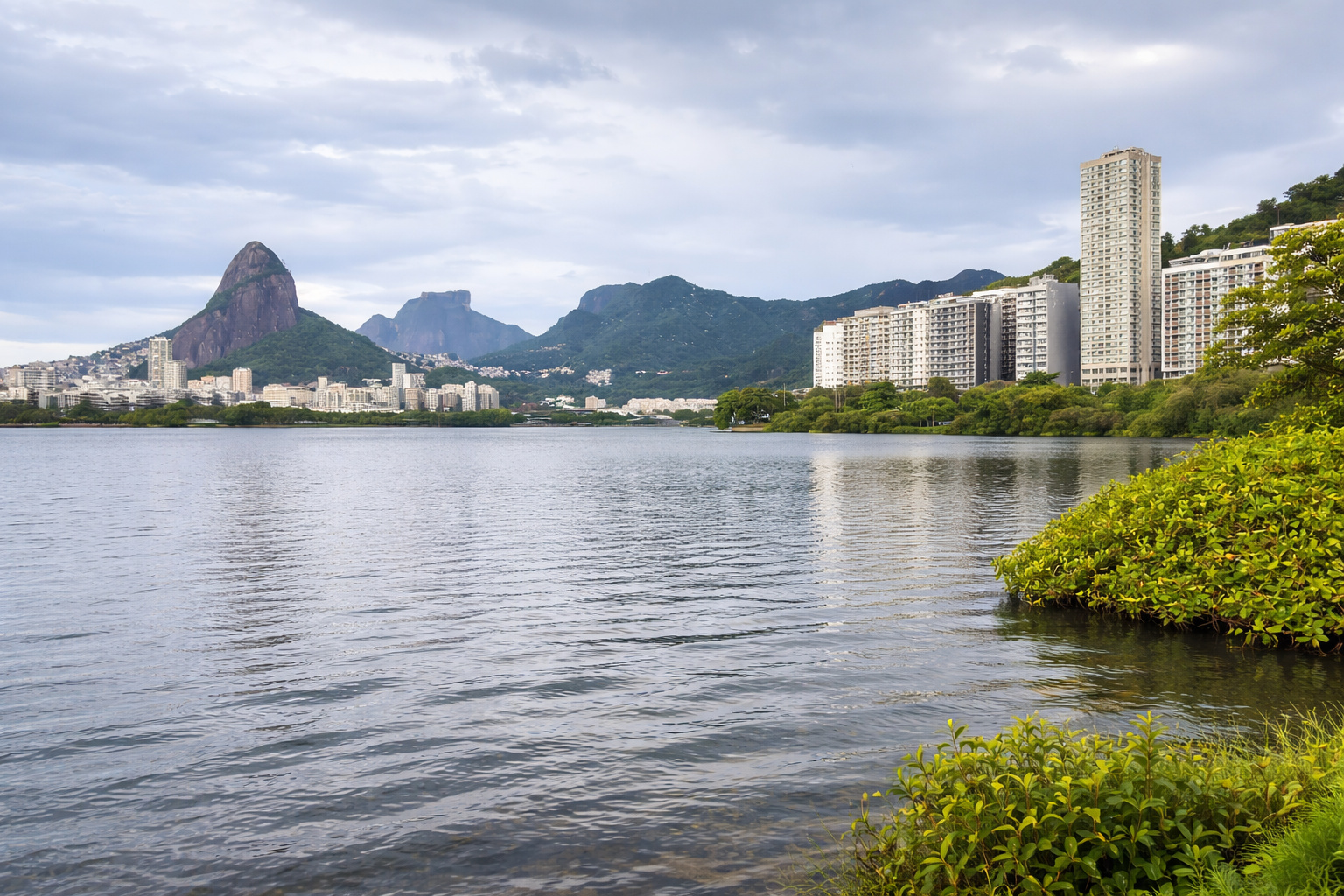
Rodrigo de Freitas Lagoon advances in environmental recovery with sanitation, elimination of irregular sewage, and the resumption of water sports in Rio de Janeiro.
-
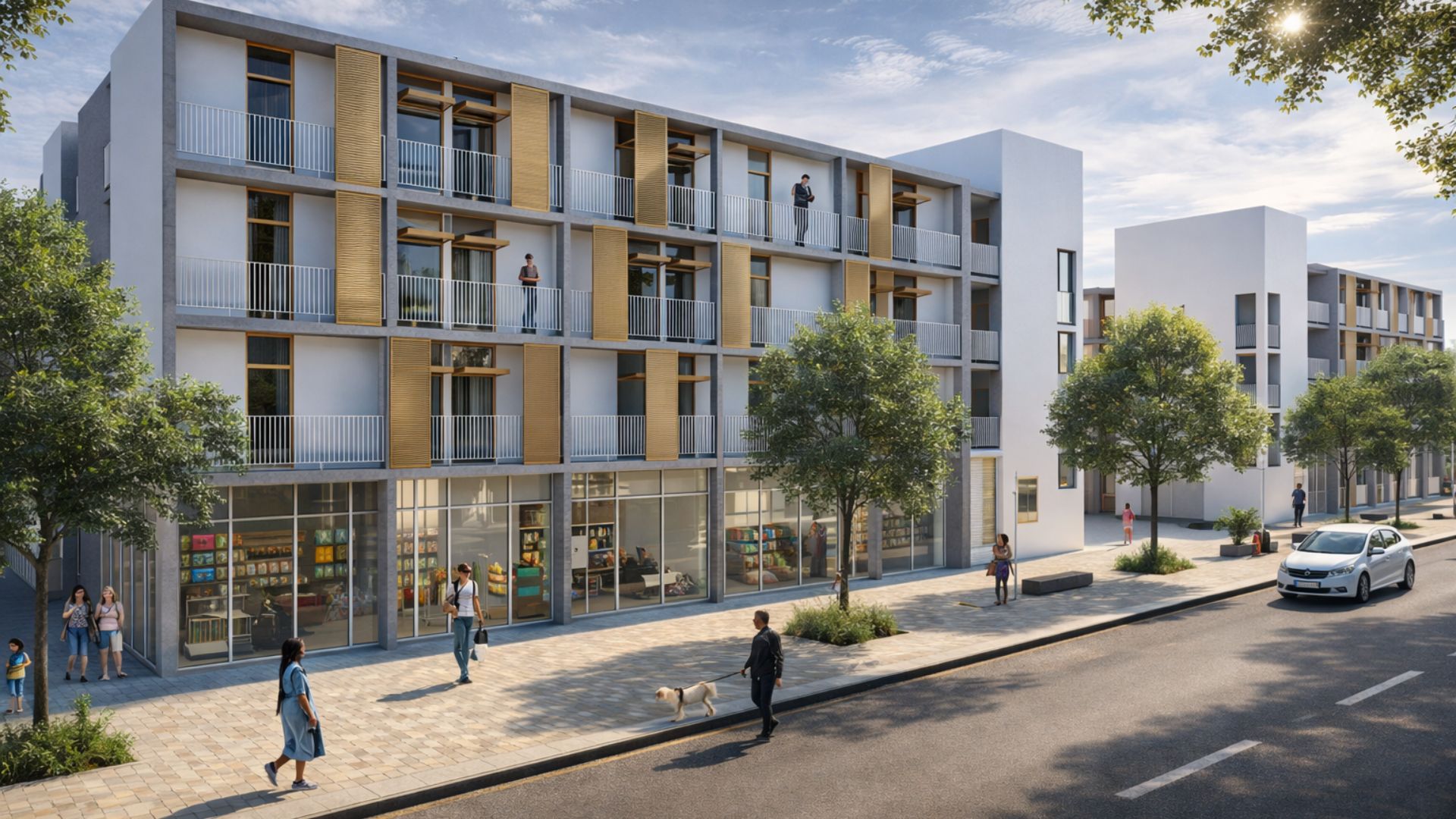
Sustainable housing gains strength with a nationally awarded project in Campo Grande, highlighting innovative solutions that combine sustainability, urban integration, and efficiency in the use of natural resources.
-
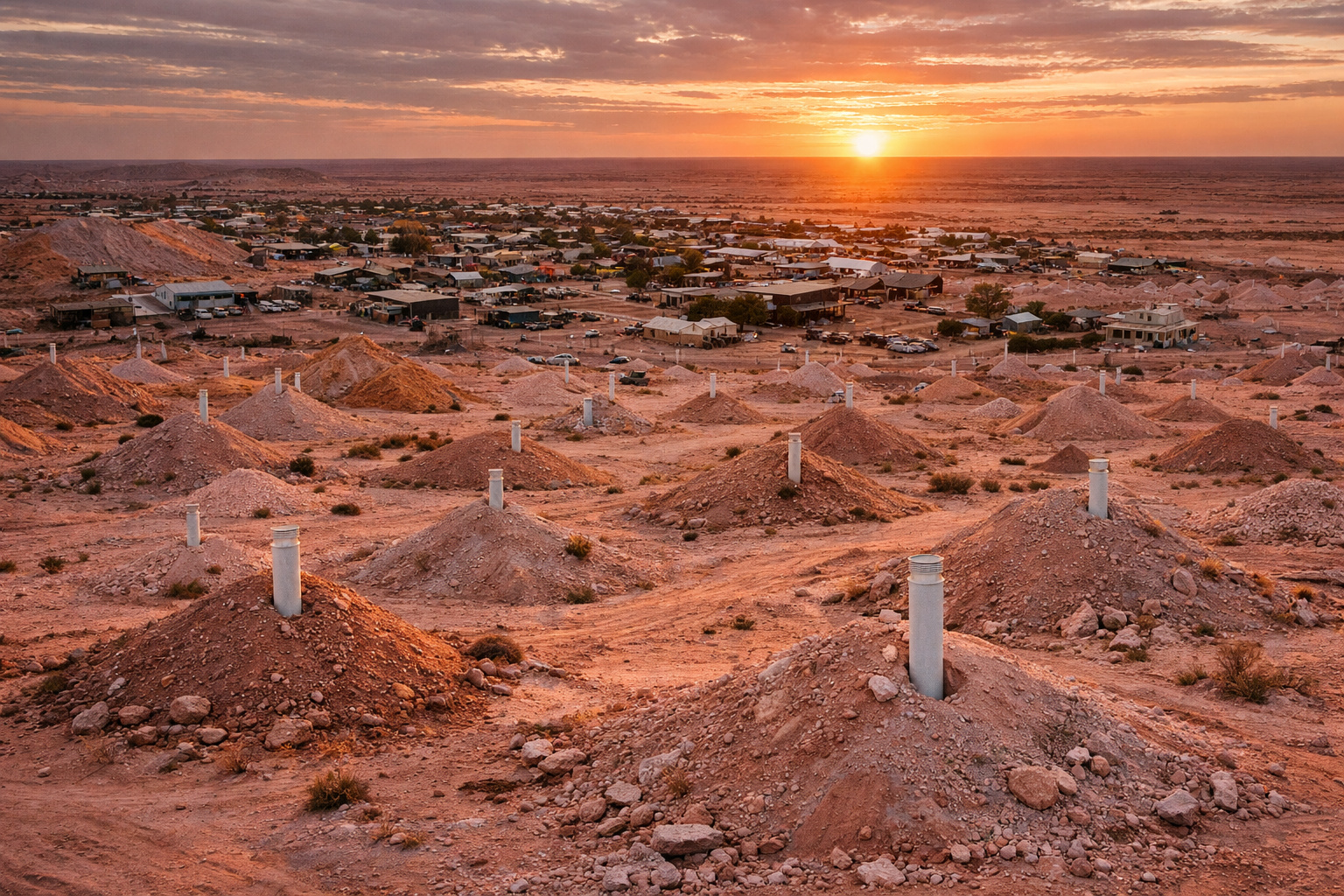
City Where Residents Live Underground to Escape 52°C May Be a Picture of the Future on an Increasingly Hot Planet

Reforestation at the Port of Suape and the Acquisition of the Diamond Sustainability Seal
From the beginning, the action involved public agencies, the school community, technical teams, and volunteers, demonstrating that large logistical enterprises can work together with environmental conservation and sustainable development.
The reforestation promoted by the Port of Suape was one of the fundamental parts for the granting of the Diamond Sustainability Seal, the highest category of environmental recognition granted by the federal government.
The initiative was structured as a compensatory action to mitigate environmental impacts associated with port activities, which naturally require large areas and interfere with the natural environment.
In addition, the project prioritized ecologically sensitive regions, especially areas fundamental for groundwater infiltration and maintaining regional water balance. This technical approach reinforces the importance of environmental planning as an integral part of port management.
The official recognition strengthens the institutional image of the Port of Suape and enhances its credibility with investors, business partners, and regulatory agencies, in an increasingly global environment attentive to ESG practices.
Protection of the Atlantic Forest as the Central Axis of Reforestation
The choice of the Atlantic Forest as the focus of reforestation at the Port of Suape reflects the relevance of this biome for environmental sustainability in Brazil. Considered one of the richest biomes in biodiversity on the planet, the Atlantic Forest is also one of the most threatened, with much of its original cover already suppressed over the centuries.
In this context, the recovery of degraded areas is essential to restore basic ecological functions, such as climate regulation, soil protection, and maintaining the water cycle balance.
Native vegetation acts as a natural barrier against erosion, reduces siltation of rivers, and contributes to improving water quality. By investing in environmental restoration, the port expands its contribution to biodiversity conservation and the region’s environmental resilience.

Native Species Strengthening Reforestation and Local Biodiversity
During the Reforestation action, the Port of Suape exclusively used native species of the Atlantic Forest, ensuring better adaptation to the local environment and greater ecological efficiency. Among the seedlings planted are Brazilian rosewood, ipe, cajá, pitanga, jenipapo, cupiúba, and ingá.
These species play important environmental roles. In addition to contributing to the reconstitution of plant cover, they help in nutrient deposition in the soil and provide fruits that serve as food for the local fauna, including birds, pollinators, and small mammals.
The seedlings are the result of ongoing work developed at the Suape Forest Nursery, which cultivates more than 80 native species, reinforcing the technical, scientific, and permanent nature of the environmental policy adopted by the port complex.

Environmental Education and Community Involvement at the Port of Suape
The mobilization for the Reforestation at the Port of Suape took place in March 2025, a month that marks World Water Day. The choice of the date reinforced the symbolism of the action, linking forest preservation to the protection of water resources.
The initiative was carried out in partnership with the Municipal Environmental Agency of Ipojuca, a municipality that houses part of the territory of the complex. Students from the municipal education network actively participated in the action, alongside volunteers from the port and specialized technical teams.
By involving young students, the action went beyond the immediate environmental aspect and contributed to creating a culture of ecological responsibility, strengthening the bond between the port and the local community.
Institutional Recognition and ESG Commitment with the Diamond Sustainability Seal
The Diamond Sustainability Seal awarded to the Port of Suape symbolizes the advancement of ESG practices in the Brazilian port sector. According to the Minister of Ports and Airports, Silvio Costa Filho, the initiative demonstrates that it is possible to reconcile logistical infrastructure, environmental preservation, and social inclusion.
The minister emphasized that reforestation combined with environmental education represents an effective way to care for the environment while strengthening the relationship between the port and neighboring communities.
This type of institutional recognition also positions the Port of Suape as a national reference in port environmental management, aligned with the best international practices.
Reforestation, Water Resources, and the Importance of the Atlantic Forest
One of the main objectives of the reforestation carried out at the Port of Suape was the protection of strategic areas for water recharge. Riparian forests play a fundamental role in water filtration, protection of springs, and reduction of river siltation.
The preservation of the Atlantic Forest in these areas directly contributes to the water security of the port complex and surrounding cities. Additionally, it helps reduce the impacts of extreme climate events, such as intense rains and prolonged droughts.
This care is essential to maintain the sustainable functioning of industrial and logistical activities, as well as to ensure the water supply for the local population.
Ecological Preservation Zone Strengthens the Environmental Strategy of the Port of Suape
Currently, about 60% of the territory of the Port of Suape is classified as an Ecological Preservation Zone. The total area of the complex exceeds 13 thousand hectares, distributed among the municipalities of Cabo de Santo Agostinho and Ipojuca, on the southern coast of Pernambuco.
This proportion shows that the port’s growth was planned considering clear environmental limits. The Reforestation and the acquisition of the Diamond Sustainability Seal are direct reflections of this policy of balance between economic development and environmental preservation.
A Sustainability Model for the Future of the Port Sector
The Reforestation carried out at the Port of Suape, recognized with the Diamond Sustainability Seal, represents a concrete example of how large enterprises can adopt responsible environmental practices without compromising their operational efficiency.
By investing in the recovery of the Atlantic Forest, the protection of water resources, and environmental education, the port consolidates a sustainable management model. The action leaves a lasting environmental legacy.
More than just planting trees, the initiative reinforces a vision for the future based on governance, socio-environmental responsibility, and commitment to future generations, offering the world a clear reference of how sustainability and development can walk hand in hand.







Seja o primeiro a reagir!