





 Portuguese
  English
  Spanish
  4 min of reading
  0 comments



The Congonhas Airport, One of the Most Traditional in Brazil, Embarks on an Epic Transformation: The Largest Airport Reform Underway in South America, Valued at 2.4 Billion Reais, Promises to Change the Face of the Terminal and Expand Its Capacity. Built in 1936, This Iconic Airport, Which Is Now the Second Busiest in the Country, Is About to Enter a New Era, with a Reform that Involves Not Only Aesthetic Improvements but a True Structural Revolution.
The reform of the Congonhas Airport, now managed by the Spanish concessionaire Aena Brasil, represents a huge challenge. For a terminal that operates an average of 700 landings and takeoffs daily and handles 22 million passengers a year, any pause would be a gigantic logistical problem. Therefore, the work will be carried out in meticulously planned phases, ensuring that the flow of operations is maintained without major interruptions. The goal is bold: to increase Congonhas’ capacity to 29 million passengers per year by 2028.
Terminal Expansion and New Boarding Gates Mark the Beginning of the Reform of the Congonhas Airport
The first visible phase of the Congonhas Airport reform is the expansion of the passenger terminal, which will increase from 52,000 to 105,000 square meters, practically doubling its space. With more area, the terminal will be able to accommodate the additional 7 million passengers expected in the coming years.
In addition, the number of boarding bridges will be increased from 12 to 20, allowing more airplanes to be serviced at the same time and significantly reducing the need for remote boarding.
-
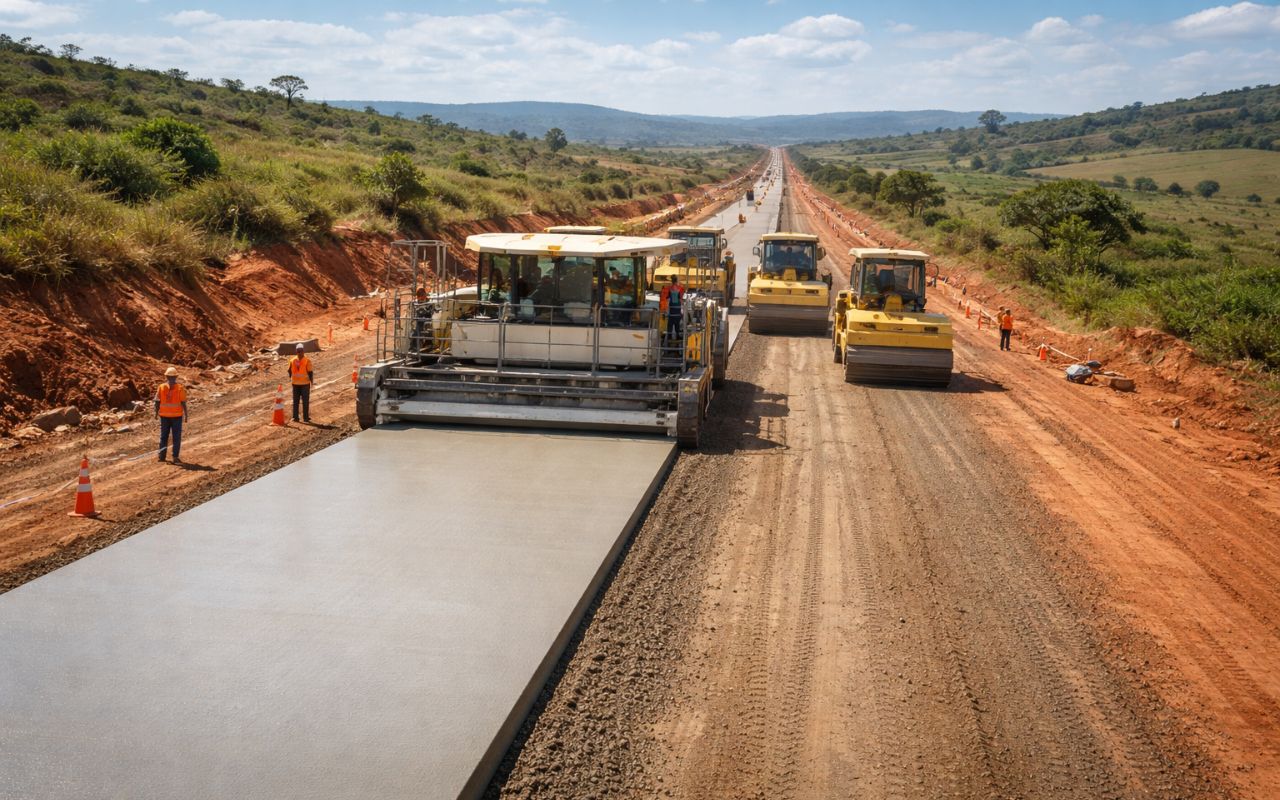
New CCR concrete paving technology promises roads up to 3x more durable, less maintenance, and cost reduction in Brazil.
-
Made from recycled plastic, plastic wood is gaining space in the construction industry because it does not rot, resists moisture, and reduces maintenance costs over the years.

-
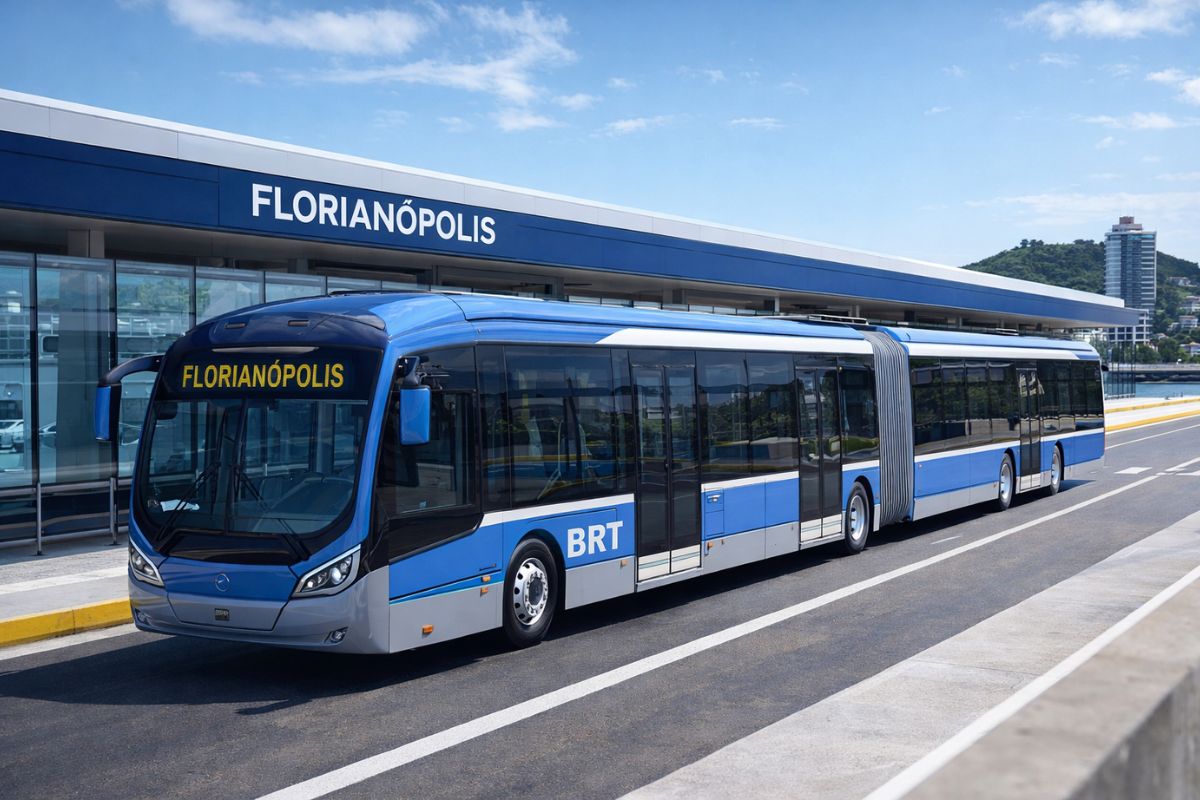
Florianópolis will receive a million-dollar BRT that will begin construction in 2026 with nearly 400 million in funding from the federal government and the Inter-American Development Bank, and the map already shows the routes for the exclusive bus corridors.
-
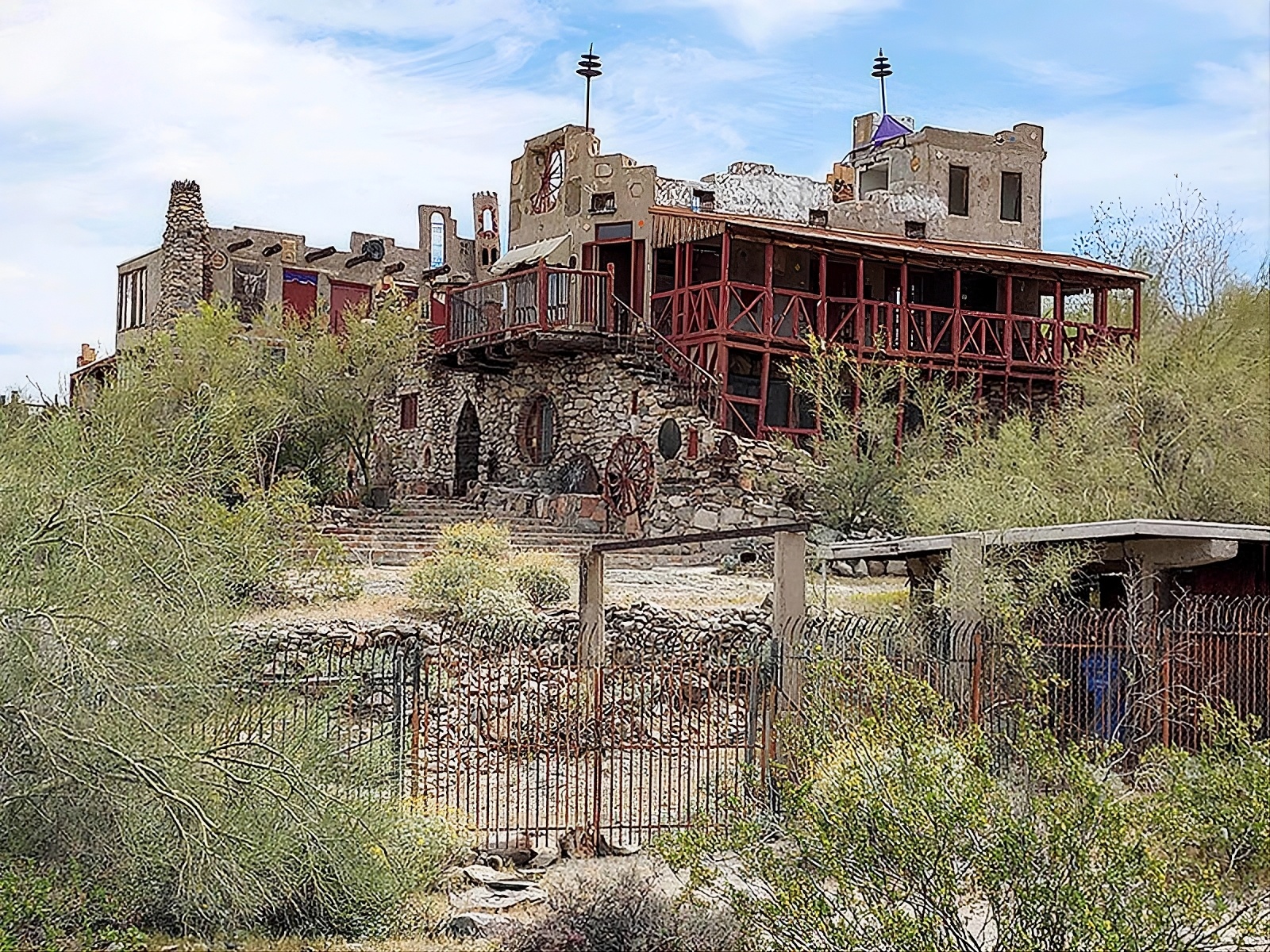
Without a blueprint, without an engineer, and using scrap from the dump, a father spends 15 years building an 18-room castle for his daughter, featuring tram tracks, 13 fireplaces, and over 700 m², which may now be demolished.
This expansion of the bridges represents more comfort and agility for passengers, who currently face long lines for remote boarding, done via buses to the aircraft. With the new bridges, about 70% of boardings will be able to be carried out directly, speeding up the boarding and disembarking process. Another novelty is that these bridges will be able to accommodate larger aircraft, such as the Airbus A321 and the Boeing 737 Max, increasing passenger capacity per flight and maintaining the pace without increasing the number of daily operations.
Reconfiguration of the Taxiways and Main Runway
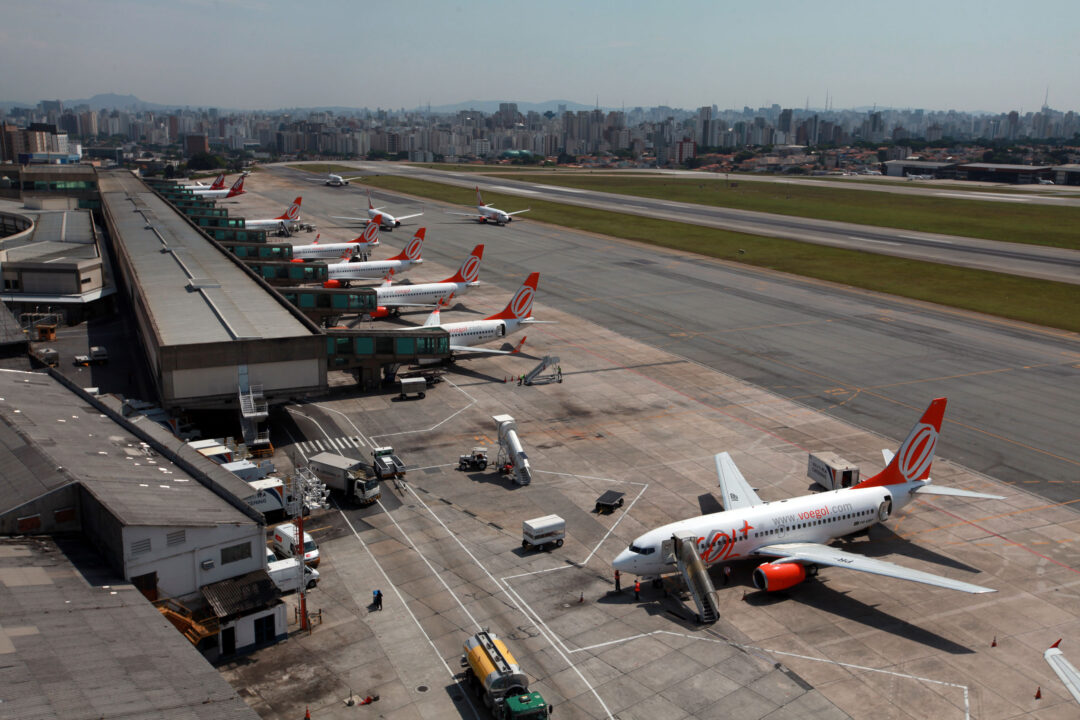
Another highlight of the largest airport reform underway in South America is the modification of the taxiways, which are essential for the movement of aircraft between airport areas.
In the case of Congonhas, these taxiways are close to the main runway, causing bottlenecks and interfering with landing and takeoff operations. The reform will adjust this distance to 158 meters, in accordance with international safety standards, increasing efficiency and safety in aircraft traffic.
Additionally, there will be a reconfiguration of the taxiway exits, reducing angles from 90º to 45º, which will allow for a quicker and less abrupt departure of aircraft from the runway. This seemingly small detail could increase efficiency by up to 20% in the long term.
New Cargo Terminal and Modernized Logistics
The cargo terminal will also undergo a revolution. With a planned area of 50,000 square meters, the new space will feature automated handling systems, optimizing the transportation of goods.
This is essential for the city of São Paulo, one of the country’s economic hubs. It is estimated that, in the next ten years, the volume of cargo handled at Congonhas will increase by up to 40%, consolidating the airport as one of the main logistics centers in Brazil.
Connection with Line 17-Gold and Urban Integration
To improve access to the airport, the 17-Gold line of the monorail, scheduled for 2026, will connect Congonhas directly to the Morumbi station of the CPTM, reducing dependence on private cars and taxis. This project, currently in advanced stages, is crucial to decongesting the access roads to the airport, especially on peak days.
Sustainability and Energy Efficiency


As part of the Congonhas Airport reform, sustainability is a priority. The project includes an advanced climate control system, a wastewater treatment station, and energy efficiency measures that are expected to reduce water consumption by up to 30% and carbon emissions by 25%. With the new automated baggage system, the average check-in time will be reduced by 35%, optimizing the internal flow of passengers.
In terms of safety, Congonhas will receive new air traffic control technologies and state-of-the-art radars. The expectation is to increase flight punctuality to 95% by 2028, providing a smoother experience for travelers. In summary, this reform of the Congonhas Airport marks the beginning of a new era for Brazilian airport infrastructure, preparing the terminal for the coming decades.







Seja o primeiro a reagir!