





 Portuguese
  English
  Spanish
  5 min of reading
  0 comments


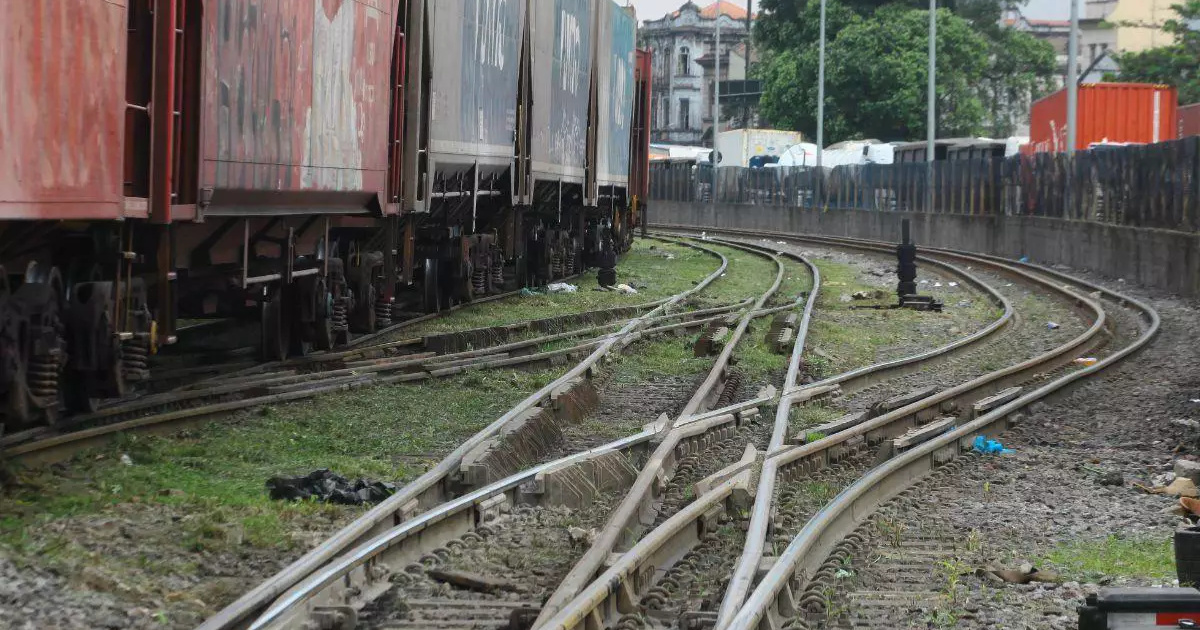
Railway Project Provides Connection Between Coast and Ribeira Valley with 223.6 km of Extension, 13 Stations, and Three Service Modalities. Initial Study Indicates Reduced Travel Time and Recovery of Abandoned Railway Sections.
The first technical study by the Companhia Paulista de Metropolitan Trains (CPTM) details a regional train that aims to reconnect Santos and the Baixada Santista to the Ribeira Valley, with 223.6 km of extension, 13 stations, and three service modalities.
The proposal, still subject to economic feasibility and the decision of the São Paulo government, foresees an express route between Santos and Cajati in about 2h20 and cargo circulation in approximately 3 hours.
What Is Planned for the New Railway
According to the technical document, the line will use sections of currently idle or deactivated railways to connect the southern coast to the border with Paraná.
-
In A European City, The Country’s Largest Railway Junction Was Modernized Without Closing Its Doors, Kept Trains Running During Years Of Construction, Now Serves Up To 60,000 Passengers Per Day, And Installed Solar Panels That Generate About 30% Of Its Energy
-
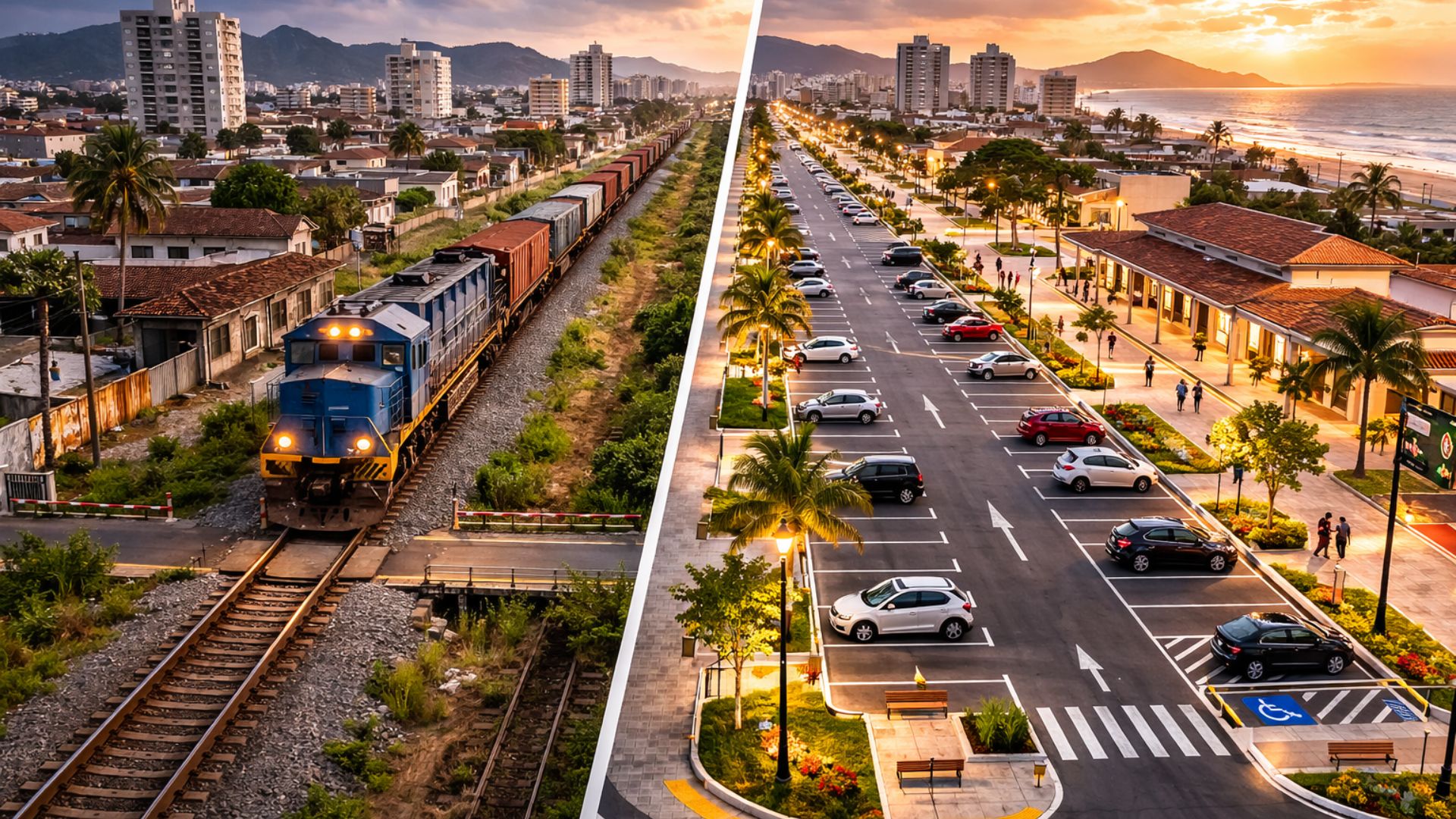
Famous Brazilian Railway May Become a Parking Lot
-
The Country of “Punctual As a Train” Admits It Has Lost Control: High-Speed Trains Delay, Stop, Disappear from the Map and Turn 6-Hour Trips into 10, While Deutsche Bahn Promises Restructuring in 2026 But Faces 19th Century Infrastructure, Staff Shortages and Sections Closed for Months
-
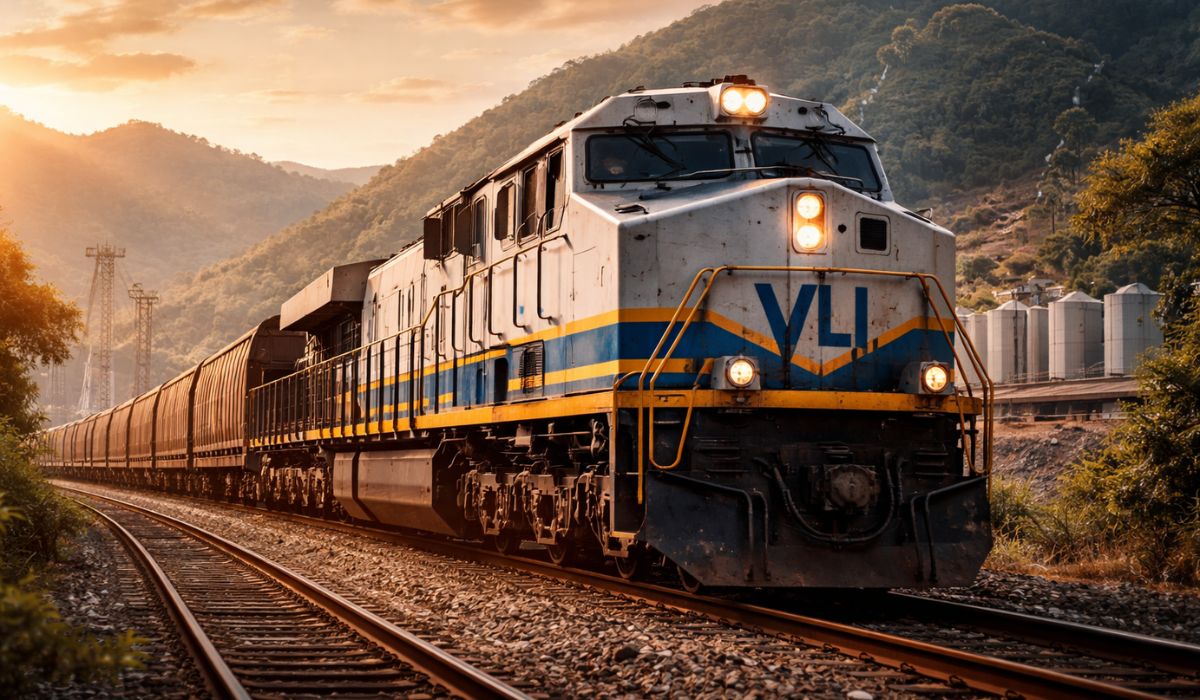
With an Investment of R$ 700 Million in One of the Country’s Main Rail Networks, VLI Reinforces Infrastructure, Receives 8 New Locomotives, and Expands the Corridor Connecting 7 States, Boosting Jobs and the Transportation of Grains, Ore, and Oil Products to the Port of Santos

The initial design distributes stations in Santos, São Vicente, Praia Grande, Mongaguá, Itanhaém, Peruíbe, Itariri, Pedro de Toledo, Miracatu, Juquiá, Registro, Jacupiranga, and Cajati.
The operation would be divided into three fronts: an express service Santos–Cajati with strategic stops, a stopover between Santos and Peruíbe, and another stopover from Peruíbe to Cajati.
Although preliminary, the study already indicates travel time goals and service profile.
The express train would shorten the connection between the Baixada and the Valley, while the stopovers would serve local movements and integrate with municipal and intermunicipal buses.
For cargo transport, the estimated window of 3 hours aims to align regional logistics without interfering with passenger frequency.
Resumption of Tracks on the Coast and in the Ribeira Valley
The proposal for railway reactivation aims at mobility and economic development.
By utilizing existing layouts, CPTM intends to reduce implementation costs and speed up the project phase.
The corridor would pass through cities with tourist hubs and agricultural areas, which would support both weekend tourism on the coast and production flow from the southern state.
In parallel, the Ribeira Valley, one of the regions with the lowest per capita income in the state, would gain a structuring transport axis for access to services and markets.
Along the route, the study projects interconnections with urban terminals and points of road connection.
The expectation is that the capillarity of the stopovers will assist short movements while the express will provide time savings over medium distances.
However, there are technical conditions: recovery of bridges, adjustment of permanent way, and implementation of signaling and control systems compatible with mixed operation of passengers and cargo.
Service Modalities and Travel Times
The operational logic combines speed on the main axis and accessibility on the stopover branches.
The express train would cover Santos–Cajati in about 2h20, with limited stops.
Between Santos and Peruíbe, the stopover would serve coastal stations in sequence, favoring integration with local transport from Praia Grande, Mongaguá, and Itanhaém.
From Peruíbe to Cajati, another stopover would connect Itariri, Pedro de Toledo, Miracatu, Juquiá, Registro, and Jacupiranga, expanding coverage in the Valley.
For cargo, the reference of 3 hours in the same corridor presumes dedicated windows and crossing criteria that do not penalize the supply of passenger trains.
These parameters will be calibrated in later project phases, including demand simulations, origin-destination matrix, and revenue modeling.
Project Status and Next Steps
The initiative is in the study phase.
CPTM is conducting technical surveys of the layout, mapping track conditions, and evaluating necessary structures to reopen abandoned sections.
Based on these inputs, the government will analyze technical, environmental, and economic-financial feasibility to decide whether to advance to the stages of public hearing, bidding, and contracting.
No construction schedule has been announced for the Santos–Cajati connection.
For now, it is a detailed study of layout and operation.
Meanwhile, the state is conducting studies on the Intercity Train (TIC), with two axes already qualified for the partnership program: the South Axis, planned to connect São Paulo to the Baixada Santista, and the East Axis, which will connect São Paulo to the Paraíba Valley.
Both initiatives have investment estimates disclosed by the government: R$ 15 billion for the TIC South and R$ 10 billion for the TIC East.
The projects include formal structuring stages, including studies, consultation and public hearings, drafting of bidding documents, auction, and contract signing.
TIC South and TIC East in Relation to the Santos–Cajati Train
The TIC axes have a nature of intercity high-speed, prioritizing the connection of the capital with major regional hubs.
On the other hand, the Santos–Cajati is a regional train that traverses the coast and enters the Ribeira Valley.
Although distinct, the projects can be complementary.
The TIC South would facilitate access from the capital to the Baixada, and from Santos or São Vicente, the new train would distribute demand along the coast and towards the southern interior.
This combination, if confirmed, would create a network system, with planned transfers between fast and stopover services.
According to government studies, the TIC East has an estimated extension between 80 and 130 km, depending on the layout, with a horizon of 30 years of contract.
The TIC South is undergoing engineering evaluation and modeling.
Both are part of the state’s structural projects and go through qualification, licensing, and public consultation rites before being auctioned.
Expected Benefits and Critical Points
If it advances, the regional train tends to reduce travel times, enhance road safety against road traffic, and stimulate new investments in the municipalities served.
Cargo operations on the same line benefit local supply chains, from agricultural products to industrial inputs, offering another alternative to truck transport.
On the other hand, there are essential conditions.
The recovery of sections requires accurate diagnostics of bridges and tunnels.
The environmental licenses must consider sensitive areas along the Serra do Mar and the Valley.
The economic-financial sustainability depends on realistic demand projections, rehabilitation costs, and tariff and ancillary revenues.
The governance of the mixed operation, with clear track priority rules, is another point that the study should detail in the upcoming phases.







Seja o primeiro a reagir!