





 Portuguese
  English
  Spanish
  3 min of reading


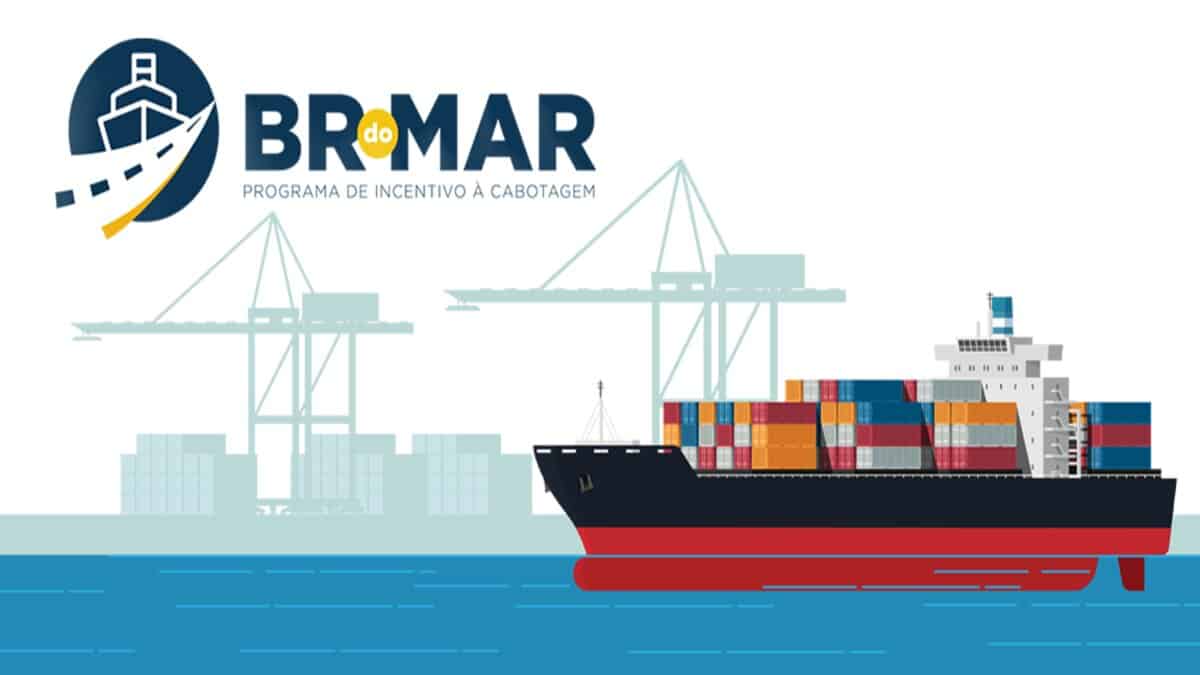
Cabotage Can Reduce Product Prices in Remote Regions and Thus, Benefit These More Distant Locations. BR do Mar, Incentive Program for Cabotage, Aims to Make a Difference and Bring Advantages to These Regions.
Last Wednesday, (07/27), it was announced that the remote regions of Brazil can benefit from a drop in product prices driven by Cabotage operations. This is happening with the creation of the BR do Mar program, which encourages the process, aiming to make a difference for the most distant locations in the country.
New Project Aims to Bring More Quality to Remote Regions of Brazil
In this sense, it is important to note that currently, even with technological advancements, there are still places that, due to being further away from major urban centers, suffer from negative impacts on the supply of essential everyday items, such as basic hygiene products. Thus, Cabotage is a very important point to address this issue.
According to data from the Riverine Peoples Project, launched in 2020, an initiative by the General Secretariat of Missions (SGM) that aims to support actions that benefit the quality of life of Brazilian riverine communities, 37,000 people live in isolation along the rivers that cut through Brazil’s largest state, Amazonas, which can only be accessed by boat. Therefore, the cabotage process plays a fundamental role in meeting the needs of the most distant locations in the country.
-
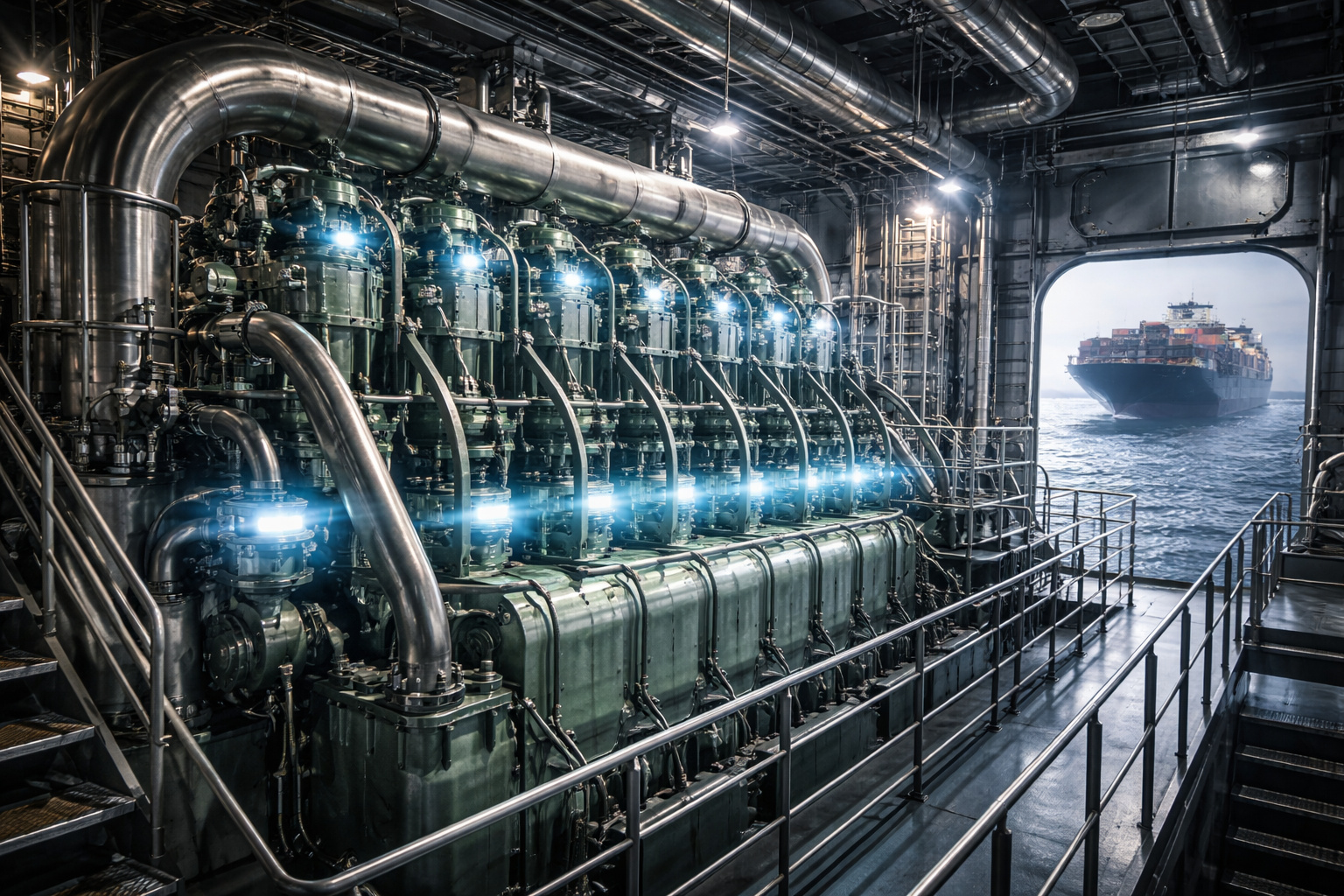
Europe is trying to create an ammonia-powered marine engine without auxiliary fuel, which could unlock the race for giant emission-free ships. The technology aims to eliminate one of the biggest obstacles to clean maritime propulsion.
-
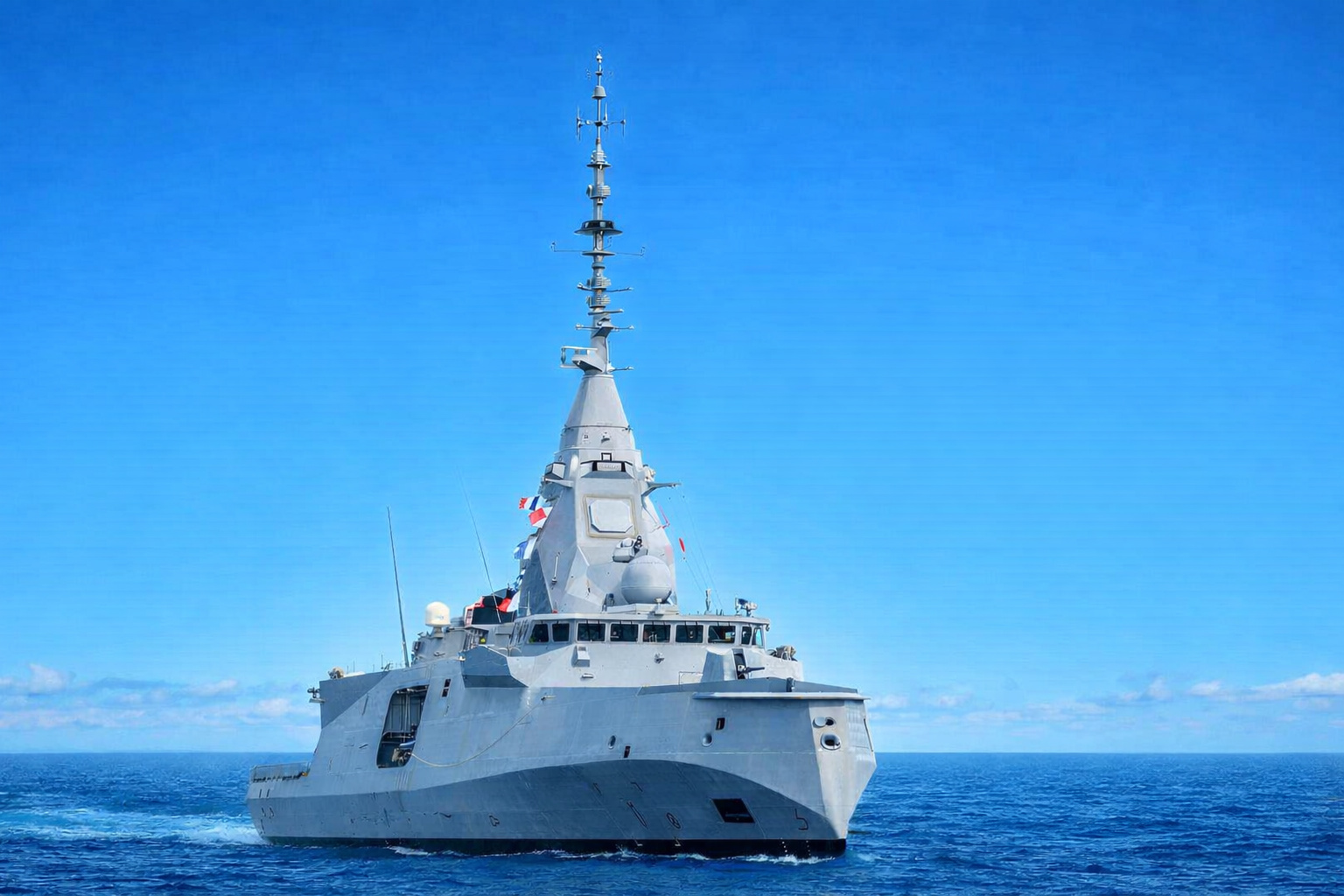
A 4,500-ton frigate with just over 100 crew members, state-of-the-art radar, and cruise missiles is being touted as the new standard of naval warfare in the 21st century.
-
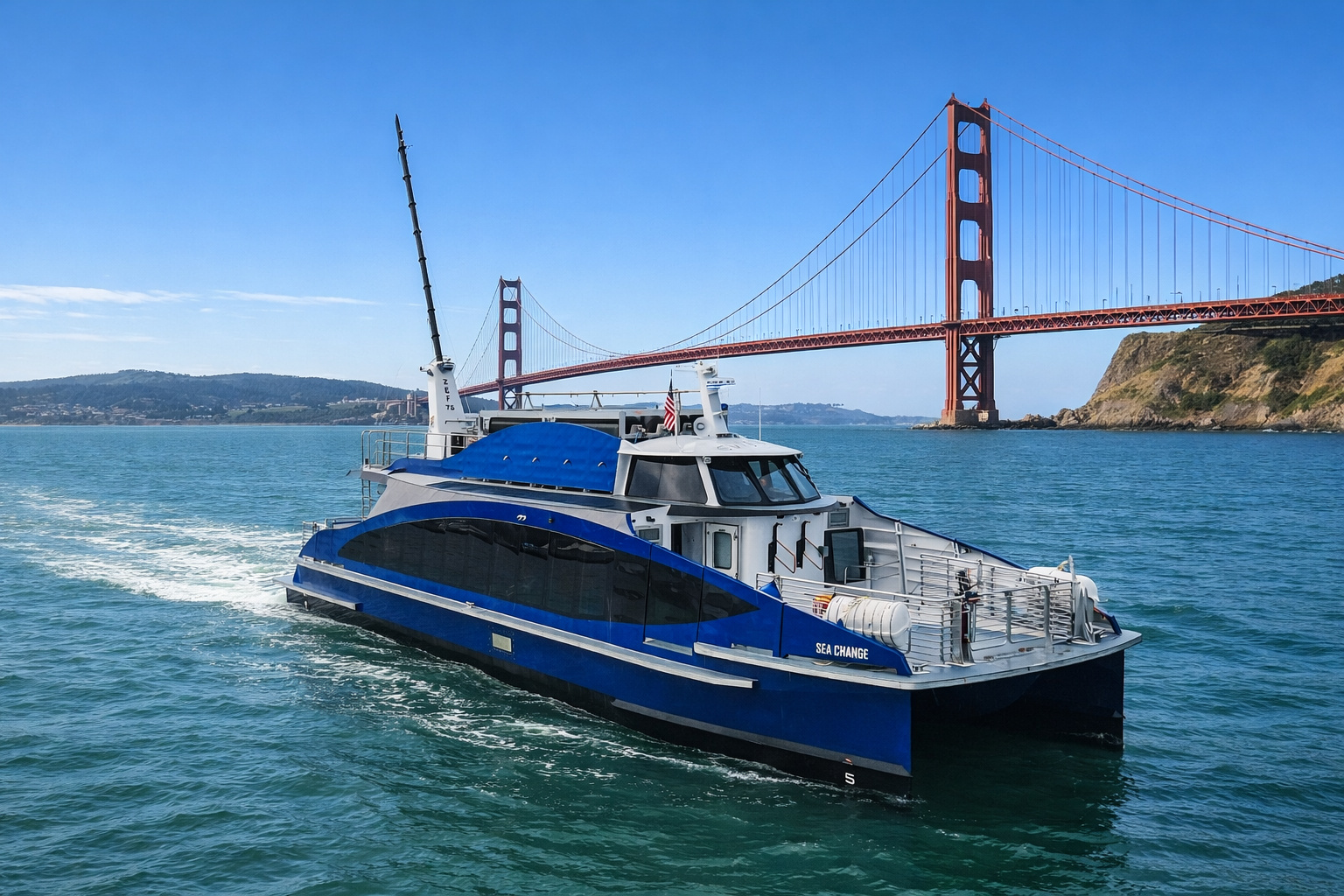
The first commercial hydrogen-powered ferry enters operation in the U.S., eliminates the use of diesel, uses fuel cells to generate clean energy on board, and transforms San Francisco Bay into a landmark of the new era of emission-free navigation.
-
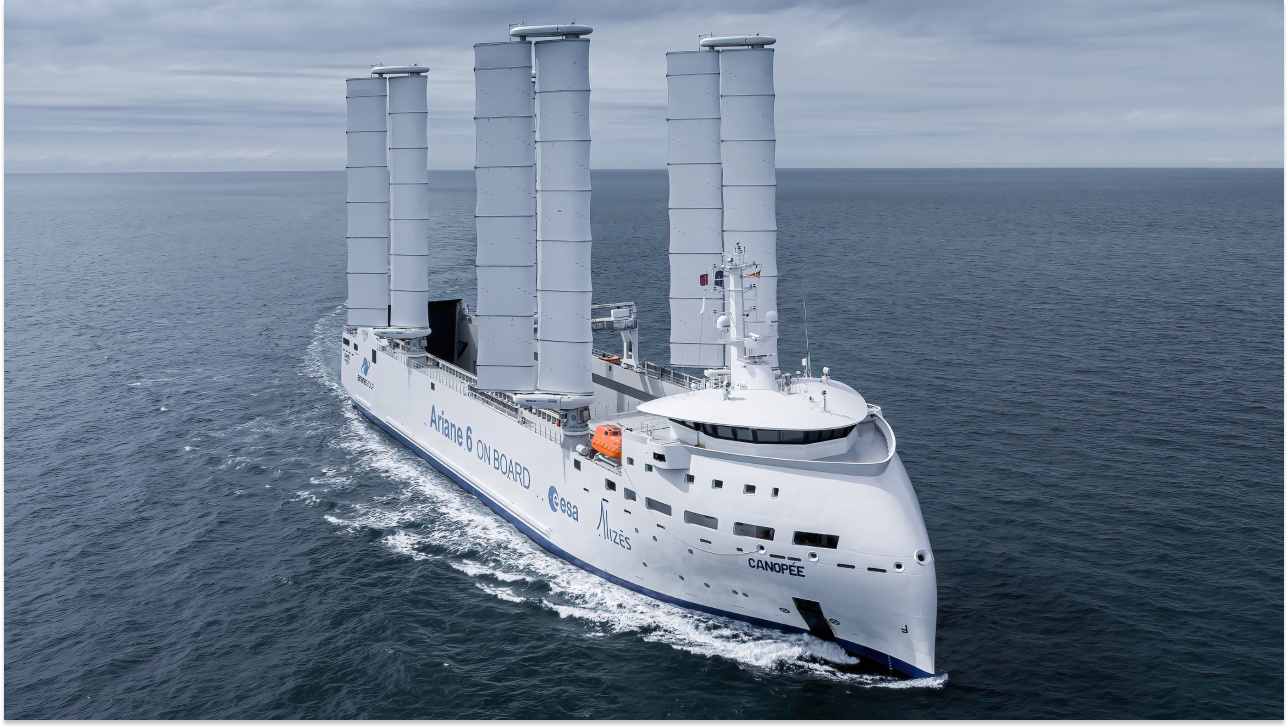
With a length of 121 meters and four rigid sails of 36 meters that automatically rotate to capture the wind, Canopée is the world’s first hybrid industrial cargo ship powered by wind, used to transport rockets and reduce fuel consumption by up to 30% on transoceanic routes.

“Brazil has almost 8,000 kilometers of coastline, making cabotage the main mode of connection for the country. This way, the costs of products transported by ship can be reduced by 15% to 20% compared to the road mode. This can positively impact the cost of living throughout an entire region,” emphasizes Valter Branco, Multimodal Transport Manager at Mercosul Line.
The Cabotage Process Will Be Conducted by the Mercosul Line Group
Thus, Mercosul Line, a Brazilian shipping company part of the CMA CGM Group, and also a global player in maritime, land, air, and logistics solutions, operates multimodal logistics, using cabotage as its main operational mode to ensure an uninterrupted service to its clients. Taking the state of Amazonas as an example, Mercosul offers the region BRACO service, an operational line with a fast transit line connecting the south and southeast to the north of the country.
This is because access in much of the region is unfeasible by land transport, and thus, integrated logistics is essential as it aims for easy access to the Amazon River. Additionally, the cabotage process has additional benefits regarding cost reduction and sustainability, as it emits at least about five times less CO2 compared to the rail mode.
Cabotage also ensures more safety, fewer damages, better management, and competitive costs, as well as having a competitive lead time and reducing distances, which is the most important for these remote regions.
“Our ships transport large batches of containers from various segments, serving the main ports in Brazil. The advance of stock for distribution centers allows for faster and more efficient fulfillment of customer orders from remote areas; therefore, cabotage transport plays a fundamental role in the logistics and distribution strategy to serve regions that are far from urban centers and have difficult access,” says Alexandre Souza, Commercial Director of Mercosul Line.








Seja o primeiro a reagir!