





 Portuguese
  English
  Spanish
  6 min of reading
  0 comments


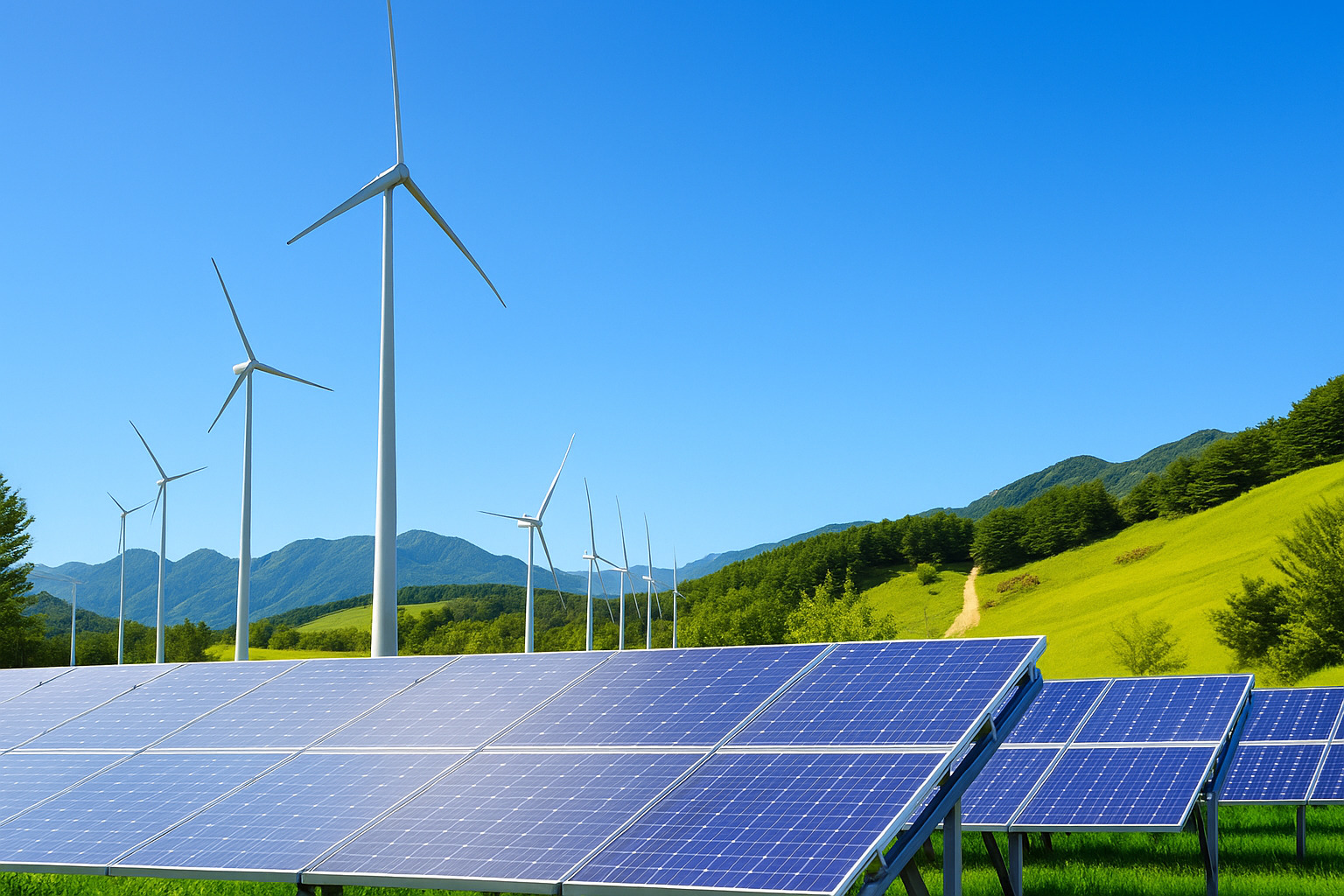
New Rule Boosts The Use Of Renewable Energy In The ZPEs And Strengthens The Green Industry In Brazil With Focus On Sustainable Exports.
In recent decades, the use of renewable energy has become one of the main themes in the pursuit of a model of sustainable development. Moreover, governments, companies, and organizations worldwide have come to recognize that dependency on fossil sources like oil and coal, in addition to causing environmental damage, compromises the energy future of many countries.
For this reason, Brazil has taken firm steps to consolidate its role as a leader in the adoption of clean sources. One of the most recent advances was the signing of a provisional measure by President Luiz Inácio Lula da Silva.
The text establishes that new companies that set up in the Export Processing Zones (ZPEs) must utilize exclusively renewable energy.
-
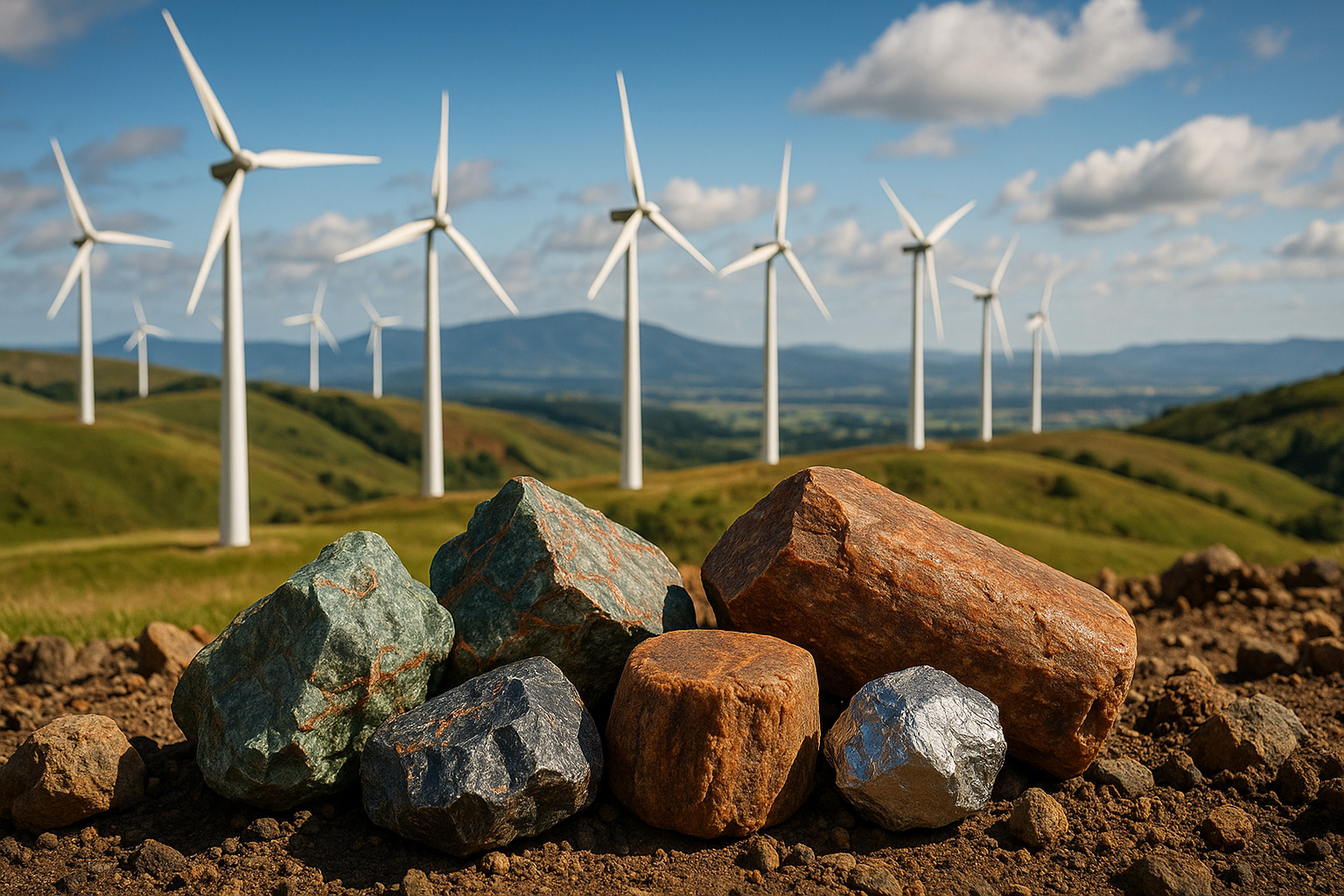
The Brazilian state accelerates industrial competitiveness with a focus on the extraction of strategic minerals to boost the energy transition in Goiás.
-
A Canadian retiree creates a hydroelectric system on a real river, generating energy continuously throughout the day and demonstrating how the power of water can supply a house with stability even in a simple structure.

-
Petrobras reaffirms its commitment to the market and ensures that it will carry out the energy transition safely to maintain national sovereignty.

-
Researchers discover a possible hydrogen deposit of up to 46 million tons beneath an ancient coal basin, and the volume could exceed half of the entire global production.

Thus, the measure represents a milestone in the country’s energy policy by linking industrial growth to environmental sustainability. The government, therefore, seeks to integrate energy, trade, and the environment in a joint strategy for clean and competitive development.
What Are Export Processing Zones
The ZPEs encourage production aimed at export. Since their creation in the 1980s, these zones have attracted foreign investments and boosted industrialization with a focus on foreign trade.
Companies operating in these territories receive tax and customs incentives, making their products more competitive in the global market.
However, despite the legal provision, Brazil has only put two ZPEs into operation: one in Ceará and another in Piauí. Because of this, bureaucracies, legal uncertainties, and infrastructure failures have hindered the expansion of these areas.
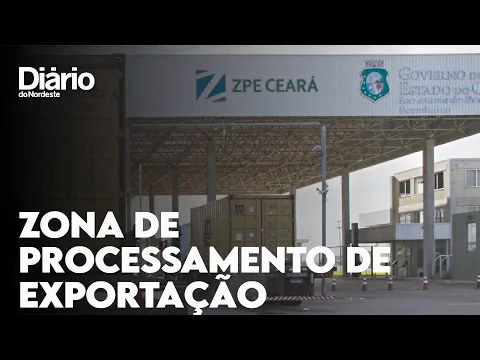
The ZPE in Ceará, located in São Gonçalo do Amarante, stands out as the most advanced. The region attracted projects related to energy transition, such as the production of green hydrogen.
Furthermore, its location near the Porto do Pecém facilitates the shipment of sustainable products to Europe and Asia.
New Rule Requires Clean Energy From New Enterprises
The provisional measure amended Law No. 11,508 by requiring that new companies in the ZPEs use renewable energy. This requirement does not apply to older projects, only to those presented from the date of publication of the norm.
The difference, however, lies in an important detail: companies need to contract energy from sources that were not yet in operation at the time of signing.
Thus, the government directly encourages the creation of new solar parks, wind farms, biomass plants, and green hydrogen facilities.
Consequently, this rule boosts the clean sources market and modernizes the industrial electricity supply system. The electric sector, in this context, sees this measure as a clear signal that it must expand renewable generation in the free market, the main negotiating channel between companies and suppliers.
Thus, Brazil, by tying clean energy to the establishment of industries, reinforces its bet on green industrialization.
The History Of Renewable Energy In Brazil
The country already has one of the cleanest electricity matrices in the world. Since the 20th century, hydroelectric plants have guaranteed a good portion of the energy consumed in the national territory.
The vast network of rivers has favored the construction of dams, which have become the pillar of the electrical system.
However, in recent years, the water crises have revealed the fragility of relying solely on water. As a result, the country has begun investing in other renewable sources.
From the 2000s onwards, solar, wind, and biomass energy have begun to occupy relevant space in the Brazilian electricity matrix.
Today, the Northeast leads wind generation, while the Southeast and Midwest excel in solar production. Moreover, technological advances and falling costs have made these sources accessible.
Small and medium enterprises, as well as residential consumers, have also begun installing own generation systems.
Therefore, these factors show that the country has built a solid foundation to expand the use of renewable energy and consolidate its leadership in the energy transition.
Brazil Anticipates International Market Requirements
The new rule aligns with the movement of the largest markets in the world. For example, the European Union, the United States, and Japan already apply strict environmental criteria.
Products with high carbon emissions face trade barriers or fall out of favor with consumers.
In this sense, by requiring clean energy from new industries in the ZPEs, Brazil preempts these requirements. Thus, the country positions itself as a reliable supplier for sustainable production chains.
Companies that need to prove the clean origin of the energy they use see Brazil as a strategic partner.
Moreover, the measure attracts sectors that require large volumes of clean energy, such as green fertilizer production, sustainable mining, low-carbon steelmaking, and factories for components for the energy transition.
Furthermore, the national electric sector can leverage future demand to enable new projects.
With long-term contracts and predictability, investors tend to accelerate projects and expand their renewable generation capacity.
Expected Economic And Environmental Impacts
The requirement for the use of renewable energy in the ZPEs can generate relevant transformations on various fronts. First of all, new generation ventures create jobs, stimulate the local economy, and strengthen the entire electric sector chain.
Companies that make environmental commitments find ideal conditions to grow in Brazil.
As a result, the presence of these sustainable industries influences local governments and attracts suppliers who wish to align with the green agenda.
Consequently, the Brazilian industrial sector, historically intensive in emissions, takes an important step towards reducing its carbon footprint.
Electricity from renewable sources makes it easier to achieve decarbonization goals in hard-to-convert sectors such as cement and steel.
Beyond the environmental aspect, this movement also highlights the country in international climate negotiations.
By adopting progressive environmental standards, Brazil gains legitimacy to demand similar commitments from other nations.
Legislative Process And Political Scenario
The provisional measure is already in effect but depends on approval from Congress within 120 days to become a permanent law.
Deputies and senators form a mixed commission responsible for analyzing the text and proposing amendments if necessary.
To this end, the government hopes to garner support from different caucuses, as the proposal encompasses elements of regional policies, reindustrialization, and sustainability.
The coordination with the states hosting the ZPEs should also influence the debate.
From the business perspective, the private sector is closely monitoring the discussions.
Companies that operate or plan to operate in export zones want to clearly understand the rules, deadlines, and monitoring instruments for the new energy requirement.
Clean Energy As A Competitive Advantage
Brazil has all the natural conditions to lead the global energy transition. With abundant sun, wind, water, and biomass, the country can combine industrial growth with environmental responsibility.
By requiring the use of renewable energy in the Export Processing Zones, the government transforms a regulatory obligation into a strategic advantage.
Thus, companies gain international competitiveness, production chains become greener, and the country strengthens its reputation as a climate power.
This measure represents more than a legal requirement. In practice, it points to the future of the Brazilian industry — a cleaner, more innovative, competitive future aligned with the environmental challenges of the 21st century.








Seja o primeiro a reagir!