





 Portuguese
  English
  Spanish
 4 min of reading
  0 comments


The New Announcement from the Government of Brazil Strengthens Environmental Regularization in Rio Grande do Sul, Offering Credit, Technical Assistance, and Land Security to Families Affected by Floods
The environmental regularization in Rio Grande do Sul gained new momentum with the launch of the announcement by the National Agency for Technical Assistance and Rural Extension (Anater), which seeks to recover the productive capacity of the regions affected by the floods of 2024 and 2025.
The program was developed in partnership with the Ministry of Management and Innovation in Public Services (MGI) and the Ministry of Agrarian Development and Family Agriculture (MDA), and represents one of the most important rural reconstruction initiatives in the state.
With an investment of R$ 3.155 million, the action will benefit 2,120 agricultural production family units (UFPAs), according to an article published.
-
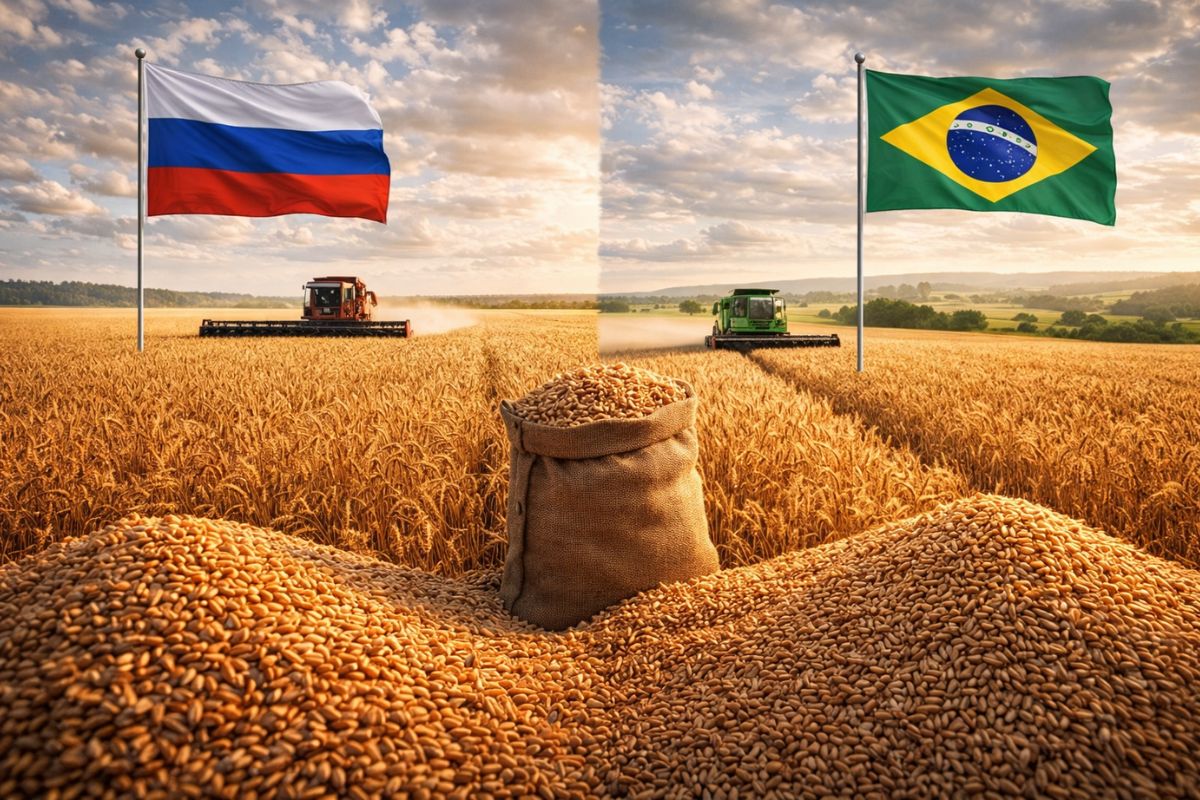
While Russia dominates the global wheat market, Brazil emerges as an unexpected competitor in the Cerrado, offering grain available in July and August when stocks in the Northern Hemisphere are at their lowest point of the year.
-
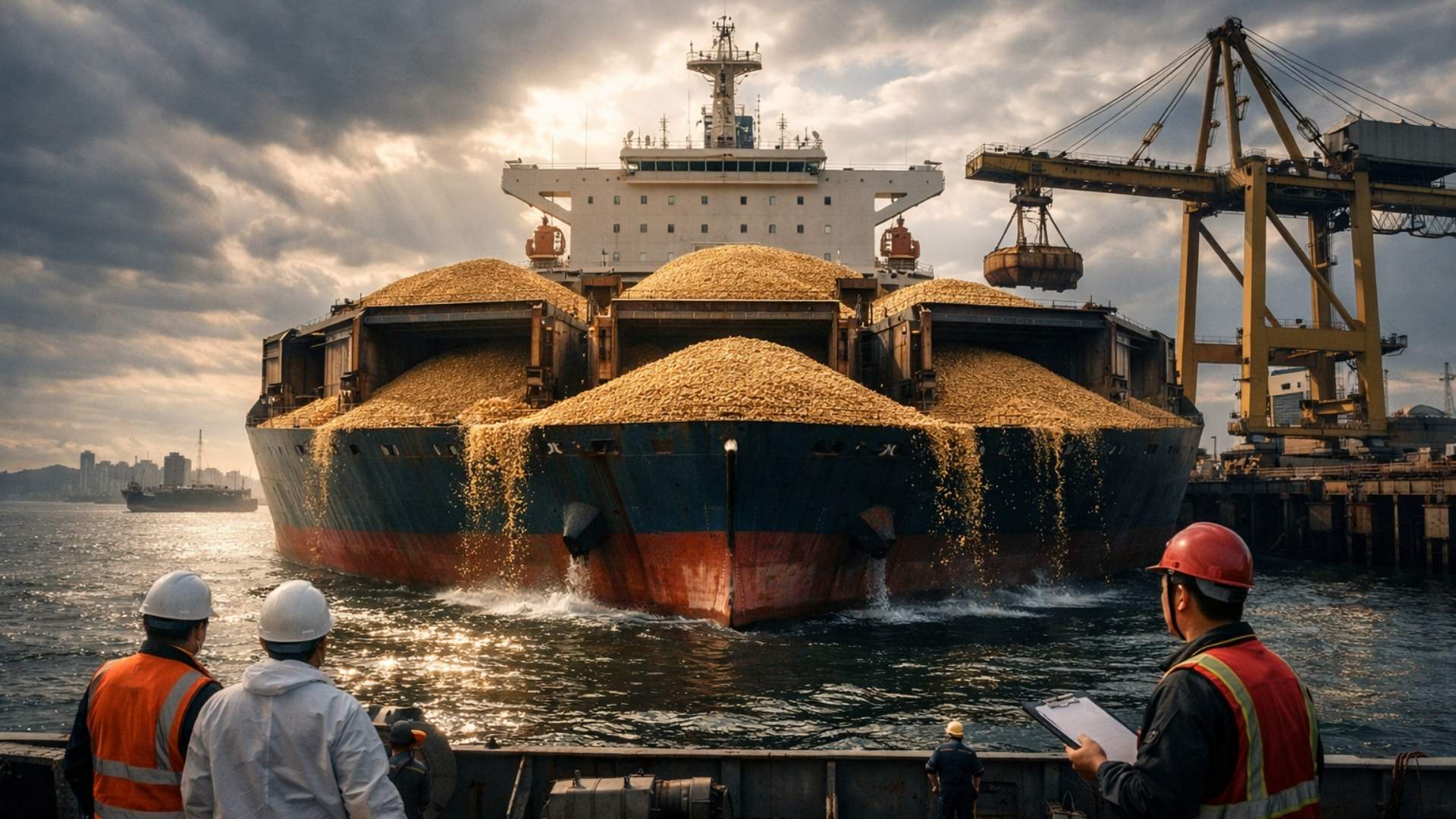
China returned almost 20 Brazilian ships with soybeans, but now everything could change: the country that buys 80% of the grain is considering relaxing regulations after impurities held up shipments of thousands of tons and caused million-dollar losses.
-
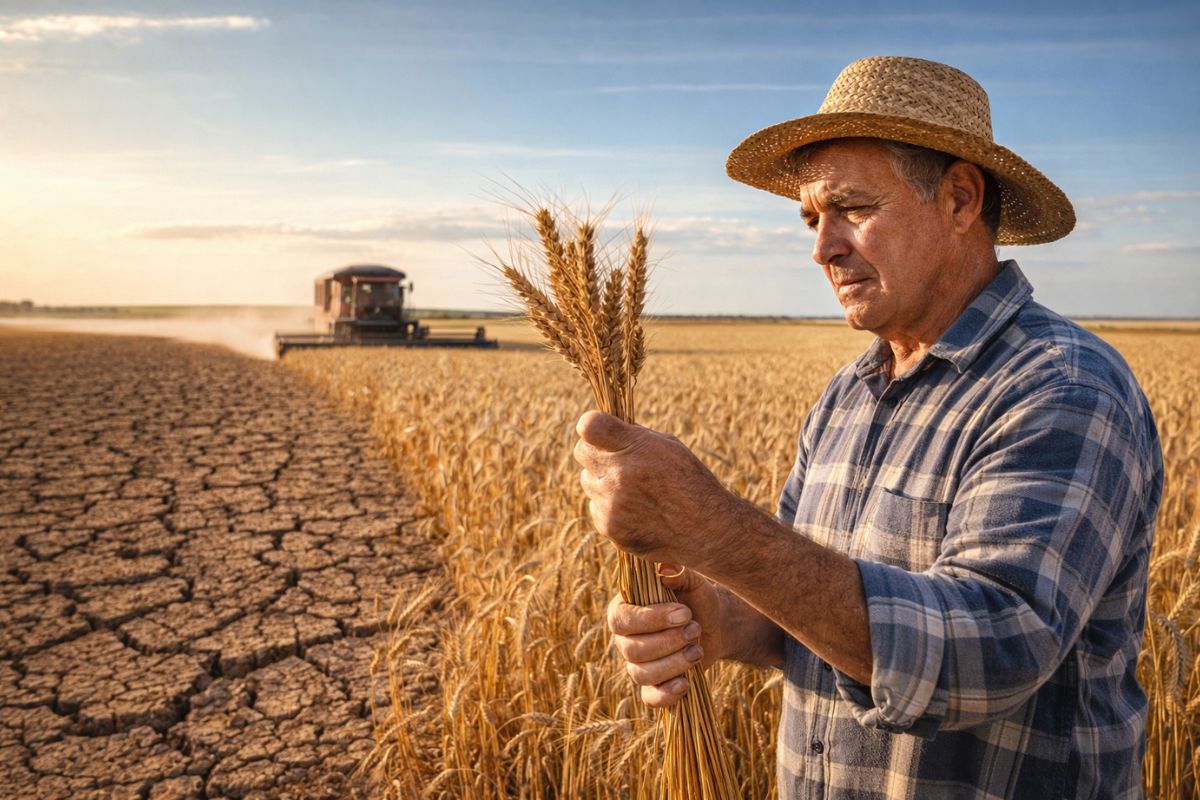
The drought of the cerrado was considered an enemy of wheat, but Brazilian scientists turned the lack of rain into a competitive advantage by creating a grain with quality that is already attracting the attention of international mills around the world.
-
THE OWNER of Brazil: a farmer who came from laundries, created an ’empire’ and today runs a company valued at R$ 42 billion after tripling its value in less than a year and receiving a billion-dollar investment from the USA.


Environmental Regularization in Rio Grande do Sul: Productive and Sustainable Reconstruction After the Floods
The announcement, available on the Anater website, opens registrations for accredited entities between October 25 and November 11.
The main focus is to ensure that rural producers can resume their activities, ensure compliance with environmental legislation, and recover income lost during natural disasters. The proposal goes beyond immediate recovery after the floods.
The Technical Assistance Program for Environmental Regularization aims to carry out and rectify the Rural Environmental Registry (CAR), an essential instrument for accessing credit lines such as the Pronaf Land Regularization, in addition to allowing adherence to incentive programs and sustainability.
Sustainable Rural Credit and the Strategic Role of the CAR in the Development of Properties
Access to sustainable rural credit directly depends on proper environmental regularization in Rio Grande do Sul, especially through the CAR.
This registration is the first step to guarantee legal security, access to financing, and entry into productive incentive programs.
For farmers in Rio Grande do Sul affected by the floods, updating the registry is essential to resume cultivation, recover soils, and restructure production systems.
According to the announcement, properties with losses greater than 60% will have priority in receiving assistance. Following that, those with lesser damages that still require technical support and land regularization will be addressed.
This prioritization strategy ensures that the most affected families can quickly access resources and economic recovery programs.
The program will be implemented in five territorial lots: Central, Vale do Caí and Serra, Centro Sul and Zona Sul, Pampa and Missões, covering regions with distinct environmental and productive characteristics.
The structuring by lots allows actions to be tailored to local realities, ensuring greater efficiency and focus on the sustainable use of natural resources.
Rural Technical Assistance and the Strengthening of Family Agriculture in Rio Grande do Sul
Rural technical assistance in Rio Grande do Sul, coordinated by Anater, plays an essential role in this process.
The technicians of Technical Assistance will work directly on farms, guiding the filling out of the CAR, conducting environmental diagnostics, organizing documentation, and supporting the georeferencing of areas.
Additionally, they will be responsible for developing technical projects that enable access to rural credit and incentive programs.
The announcement also highlights the expected impacts in three dimensions: environmental, economic, and social.
In the environmental field, regularization promotes the conservation of soil, water, and native vegetation, contributing to the restoration of local biomes.
In the economic sphere, it expands access to credit and incentives, fostering sustainable technologies and greater productivity.
In the social aspect, the program strengthens family agriculture, ensures legal security, and improves the living conditions of rural communities.
This set of actions highlights the importance of public technical assistance as a mediator between farmers and the state, ensuring not only environmental adequacy but also productive inclusion and climate resilience in the face of new extreme events.
Sustainable Development and Productive Inclusion as Pillars of Rural Reconstruction
The environmental regularization in Rio Grande do Sul thus becomes a central strategy in the reconstruction of the state after the floods.
By combining public policies, technical assistance, and targeted credit, the program offers real conditions for rural families to recover their properties, preserve the environment, and strengthen their local economies.
The Government of Brazil, through Anater, MGI, and MDA, reinforces that land and environmental regularization is essential not only for access to financial resources but also to consolidate a sustainable production model capable of facing climate change and preserving the biomes of the state.
Thus, environmental regularization in Rio Grande do Sul is established as an essential tool for the balance between economic development, social justice, and environmental conservation, a solid basis for the future of family agriculture in the state.








Seja o primeiro a reagir!