





 Portuguese
  English
  Spanish
  5 min of reading
  0 comments


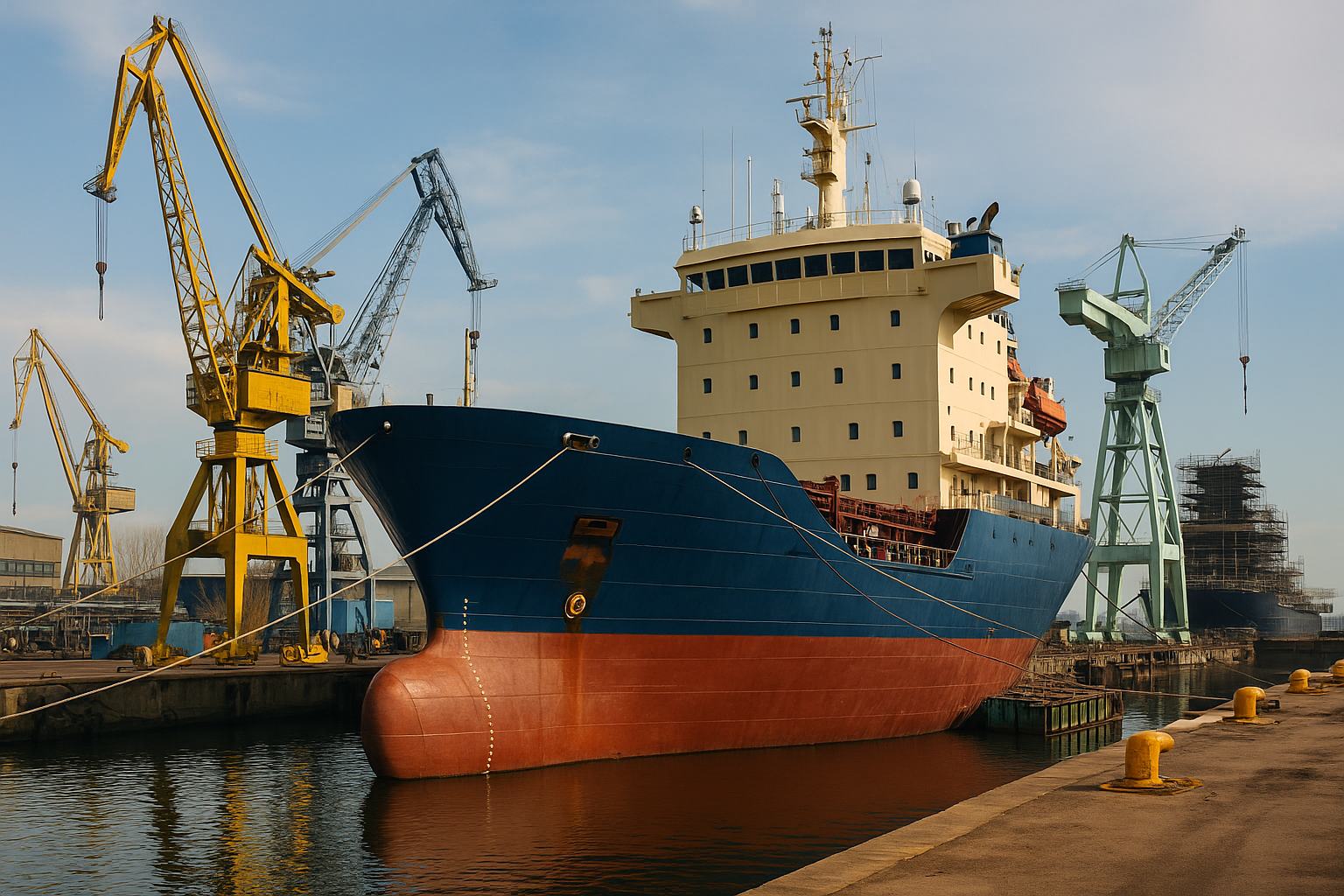
Discover Why Regulation of the Naval Industry Is Essential for Safety, Sustainability, and Development of the Maritime Sector in Brazil and Worldwide.
The naval industry has always been one of the foundations of the economic and strategic development of many nations throughout history.
From the great navigations that began in the 15th century, primarily by Portugal and Spain, to the present day, ships play a fundamental role in trade, defense, and global connectivity.
Behind the construction, operation, and maintenance of these vessels lies an essential element that often goes unnoticed: the regulation of the naval industry.
-
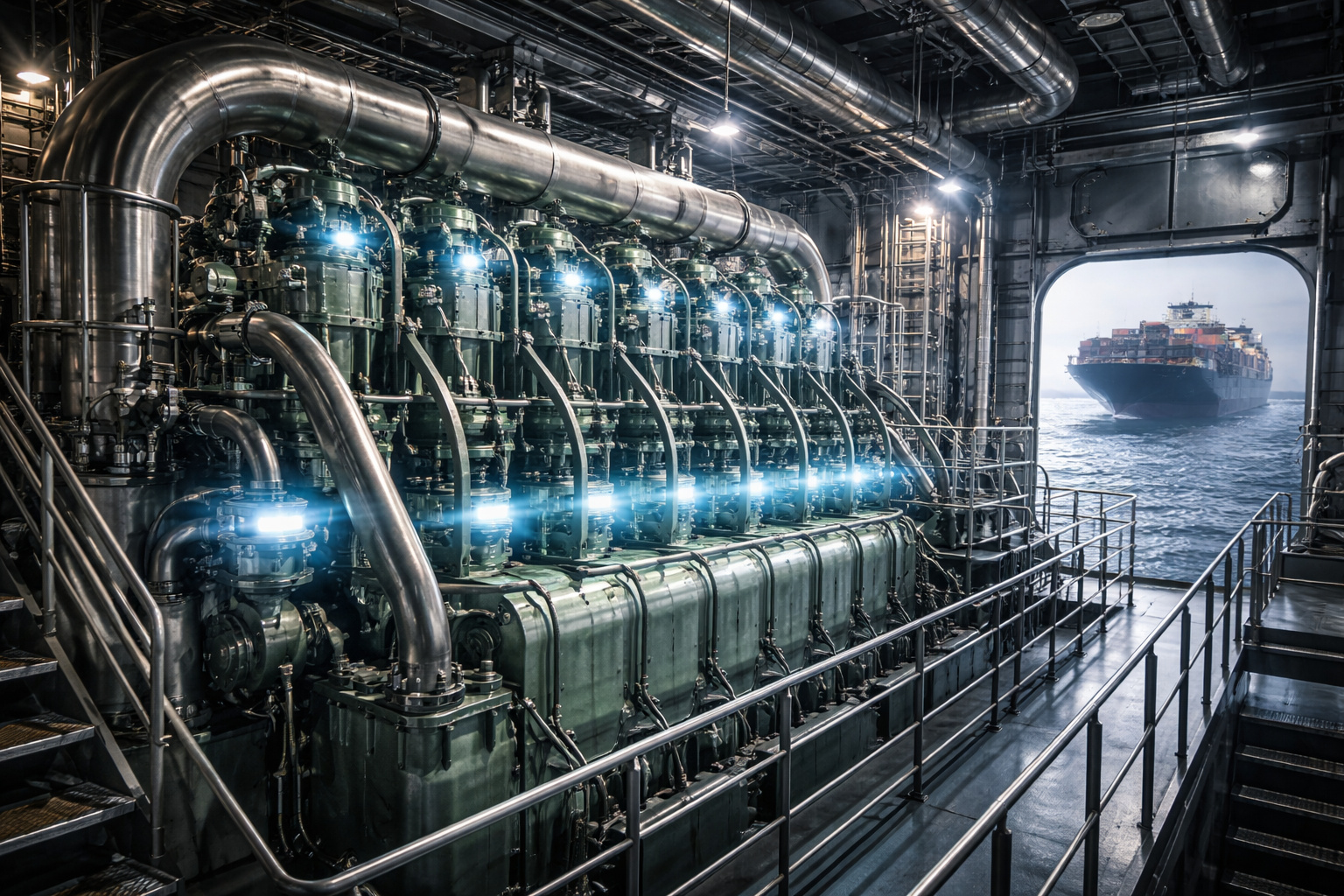
Europe is trying to create an ammonia-powered marine engine without auxiliary fuel, which could unlock the race for giant emission-free ships. The technology aims to eliminate one of the biggest obstacles to clean maritime propulsion.
-
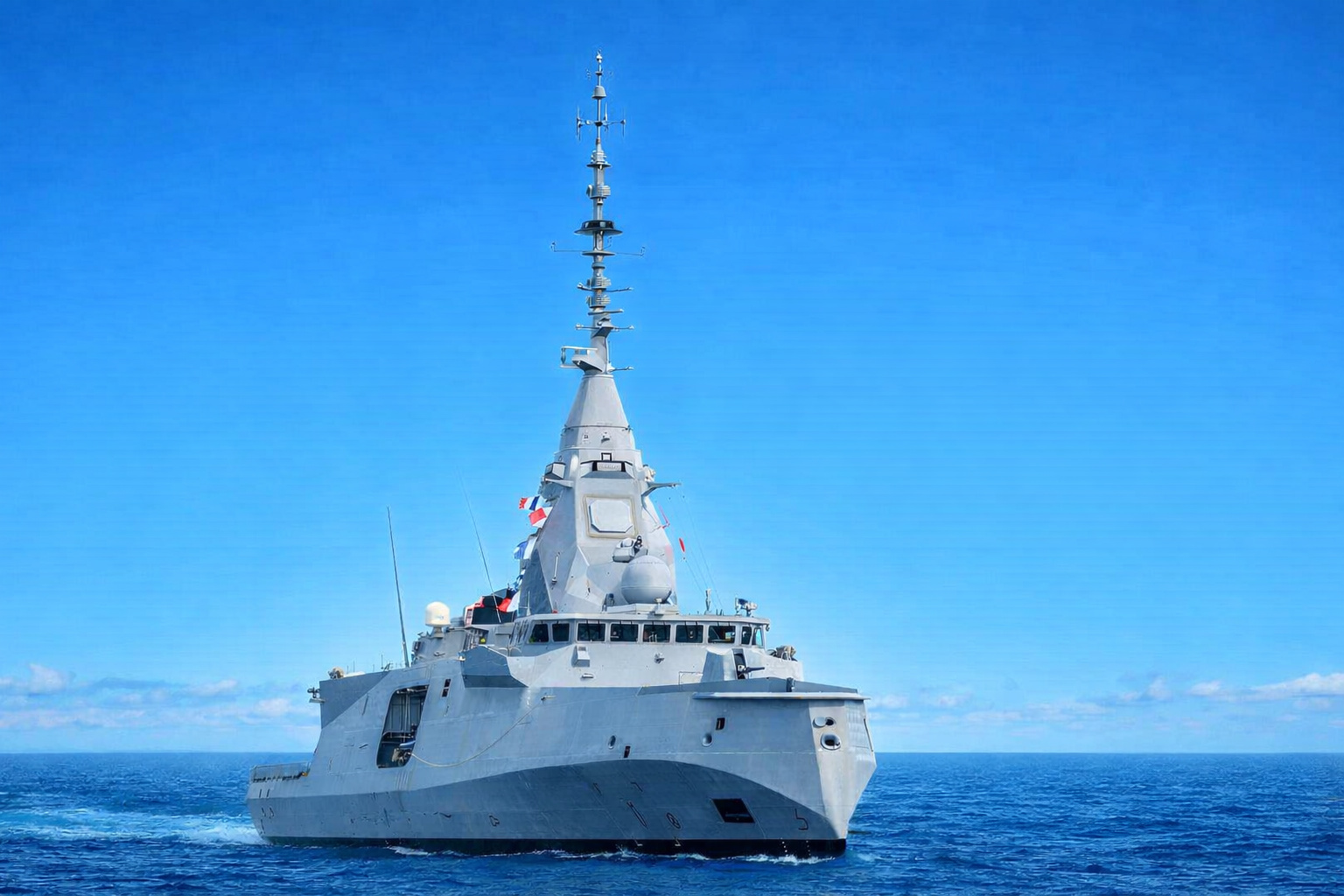
A 4,500-ton frigate with just over 100 crew members, state-of-the-art radar, and cruise missiles is being touted as the new standard of naval warfare in the 21st century.
-
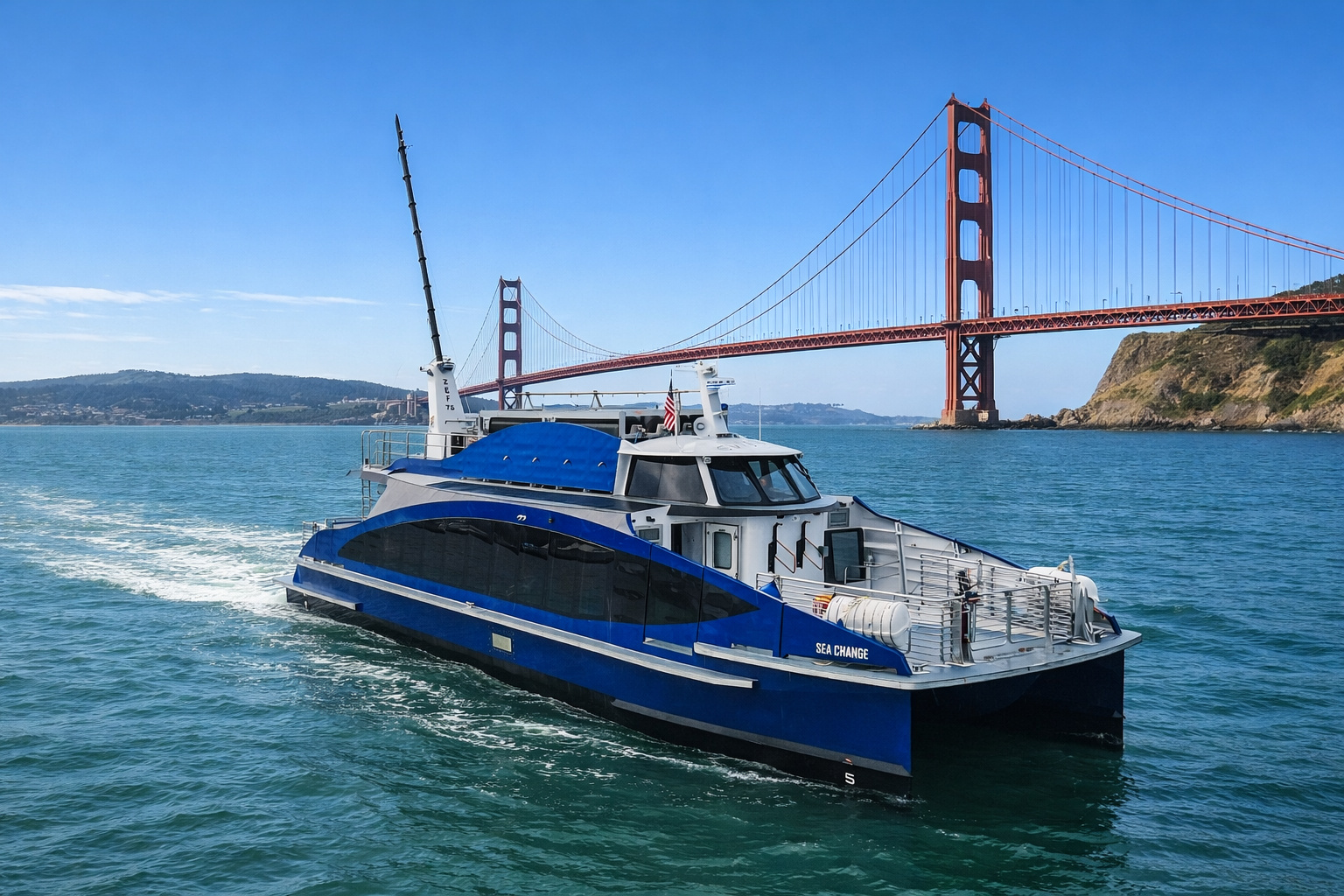
The first commercial hydrogen-powered ferry enters operation in the U.S., eliminates the use of diesel, uses fuel cells to generate clean energy on board, and transforms San Francisco Bay into a landmark of the new era of emission-free navigation.
-
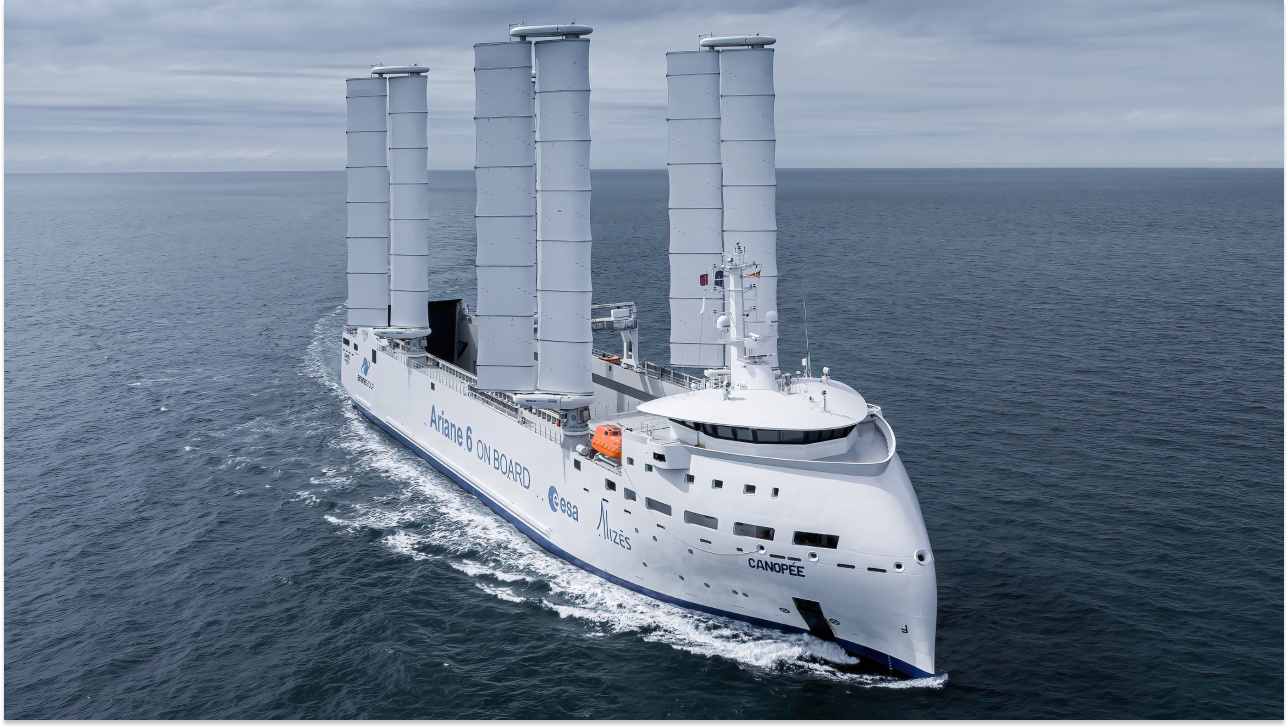
With a length of 121 meters and four rigid sails of 36 meters that automatically rotate to capture the wind, Canopée is the world’s first hybrid industrial cargo ship powered by wind, used to transport rockets and reduce fuel consumption by up to 30% on transoceanic routes.

This regulation encompasses a set of norms, laws, and guidelines that guide all aspects of the naval industry, from construction to the disposal of ships.
It covers safety, the environment, labor rights, trade, and much more. Without this regulation, serious accidents, environmental damage, and trade conflicts can become common.
Therefore, understanding its importance is crucial for those interested in the maritime sector or global economic development.
The Origin of the Naval Industry and the Need for Rules
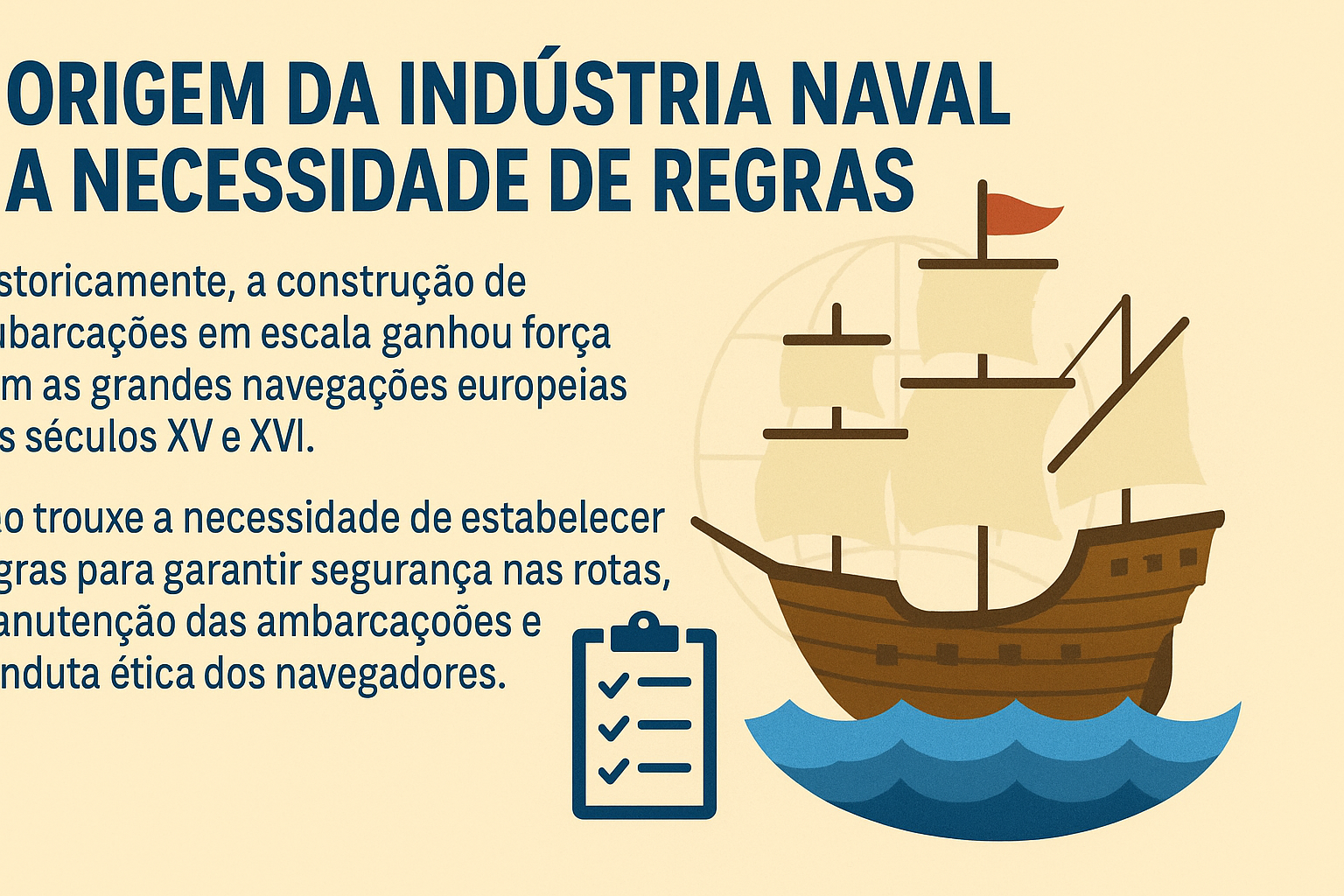
Historically, the large-scale construction of vessels gained momentum with the European Age of Exploration.
Countries like Portugal and Spain, which opened trade routes and colonized distant lands, needed secure and efficient fleets.
This brought about the need to establish rules to ensure safety on the routes, maintenance of vessels, and ethical conduct of navigators.
In the 15th and 16th centuries, these norms were based on agreements between kingdoms and maritime customs.
However, the growth of maritime activities made these customs insufficient, increasing the need for formal regulations that could be applied internationally.
Moreover, natural dangers such as storms and sea currents highlighted the importance of technical standards to ensure the resilience of vessels.
According to the website of the International Maritime Organization (IMO), the quest for formal maritime safety standards dates back to the 19th century, when industrialization and the growth of maritime trade required clear rules to prevent accidents and losses.
Technological Advancements and the Strengthening of Naval Regulation
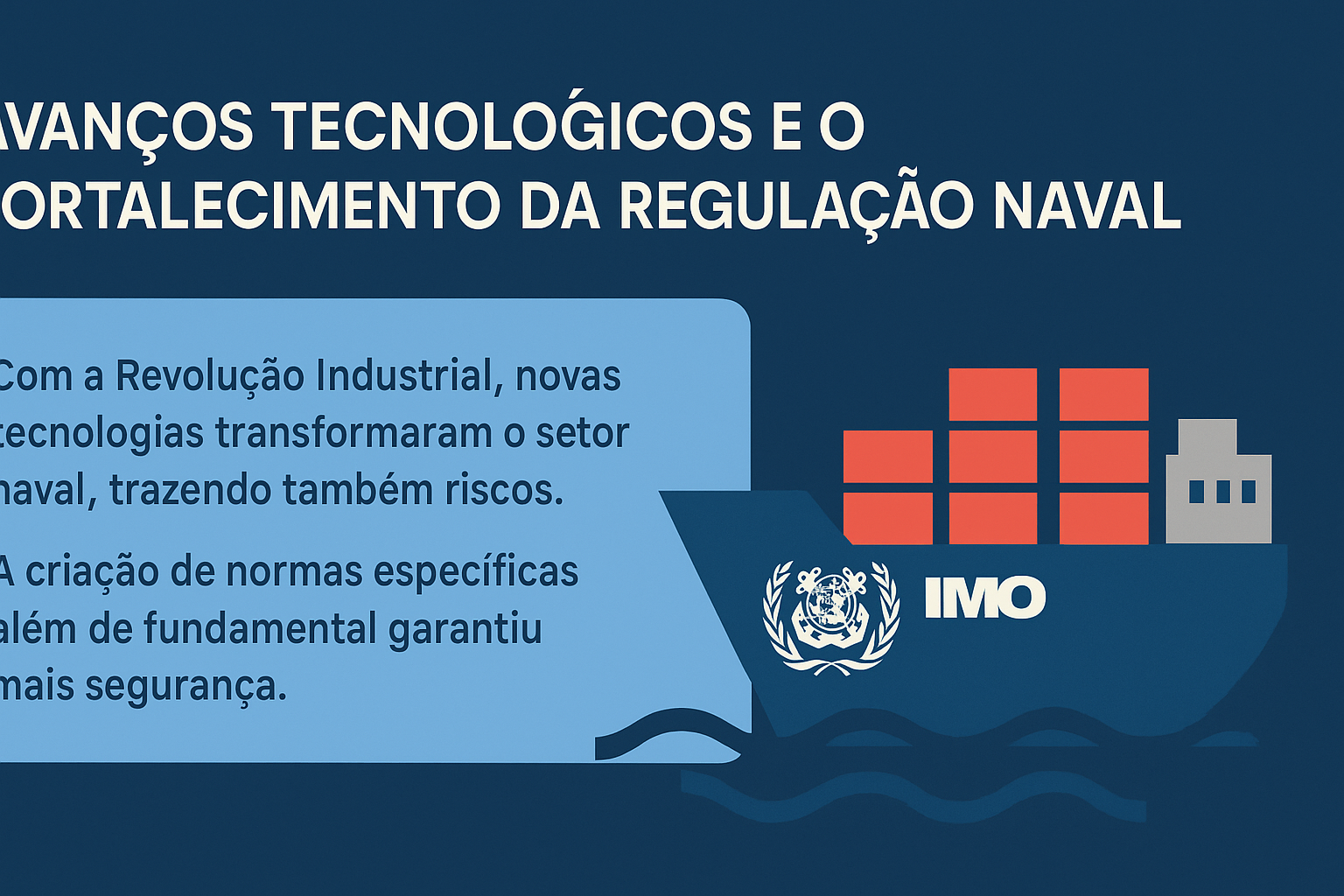
With the Industrial Revolution, the naval sector underwent profound transformations. Wood was replaced by iron and steel, sails by steam engines, bringing more speed and capacity but also new risks.
Thus, governments and institutions began to create specific standards for the construction, operation, and safety of ships.
The International Maritime Organization (IMO), established in 1948, according to its official website, has become the main regulatory body for global maritime transportation.
It sets technical standards, promotes training, and encourages cooperation among countries to avoid legal conflicts and guarantee safety.
In Brazil, the Brazilian Navy, as stated on the Navy’s institutional website, adopts these international norms to ensure navigation safety and the competitiveness of the national naval industry.
Technical standards have started to include requirements for vessel resilience, propulsion system efficiency, and crew safety.
Safety, Environment, and Justice: Pillars of Naval Regulation
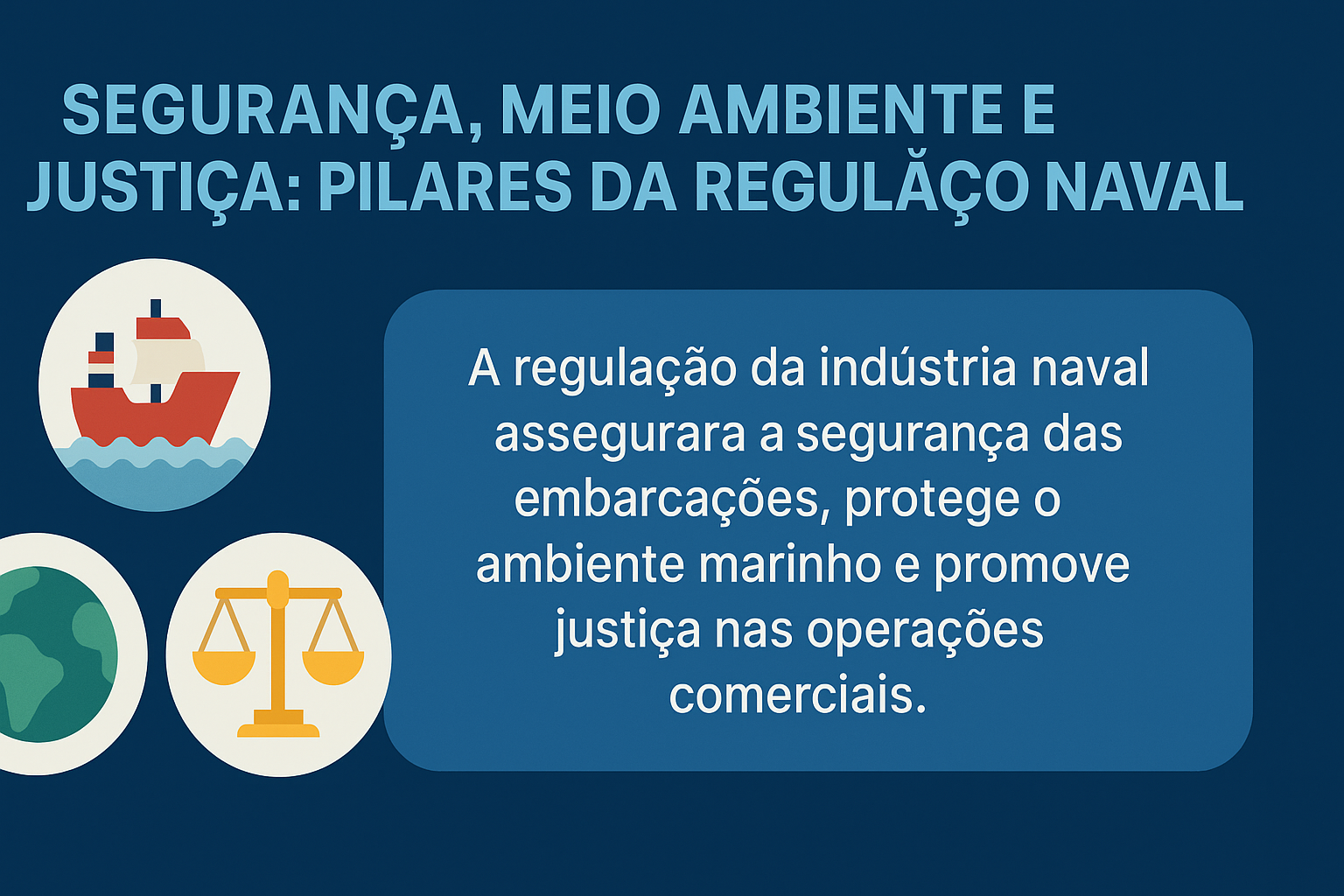
The regulation of the naval industry goes beyond bureaucratic laws. It guarantees ship safety, crew protection, environmental care, and justice in commercial relations.
Poorly constructed or poorly maintained ships pose risks of accidents, such as shipwrecks or oil spills, which can cause serious harm.
Additionally, regulation combats maritime crimes such as piracy, human trafficking, and illegal fishing. With clear rules and enforcement, these practices are prevented and punished.
In the environmental field, the naval sector is responsible for polluting emissions and environmental accident risks.
The IMO, according to its 2020 report, emphasizes that the implementation of the IMO 2020 standard, which limits sulfur content in marine fuel, was a crucial advancement for air quality and ocean health.
This growing environmental concern in recent decades shows that naval regulation is linked to both safety and social and environmental responsibility.
How Naval Regulation Works in Brazil and Worldwide
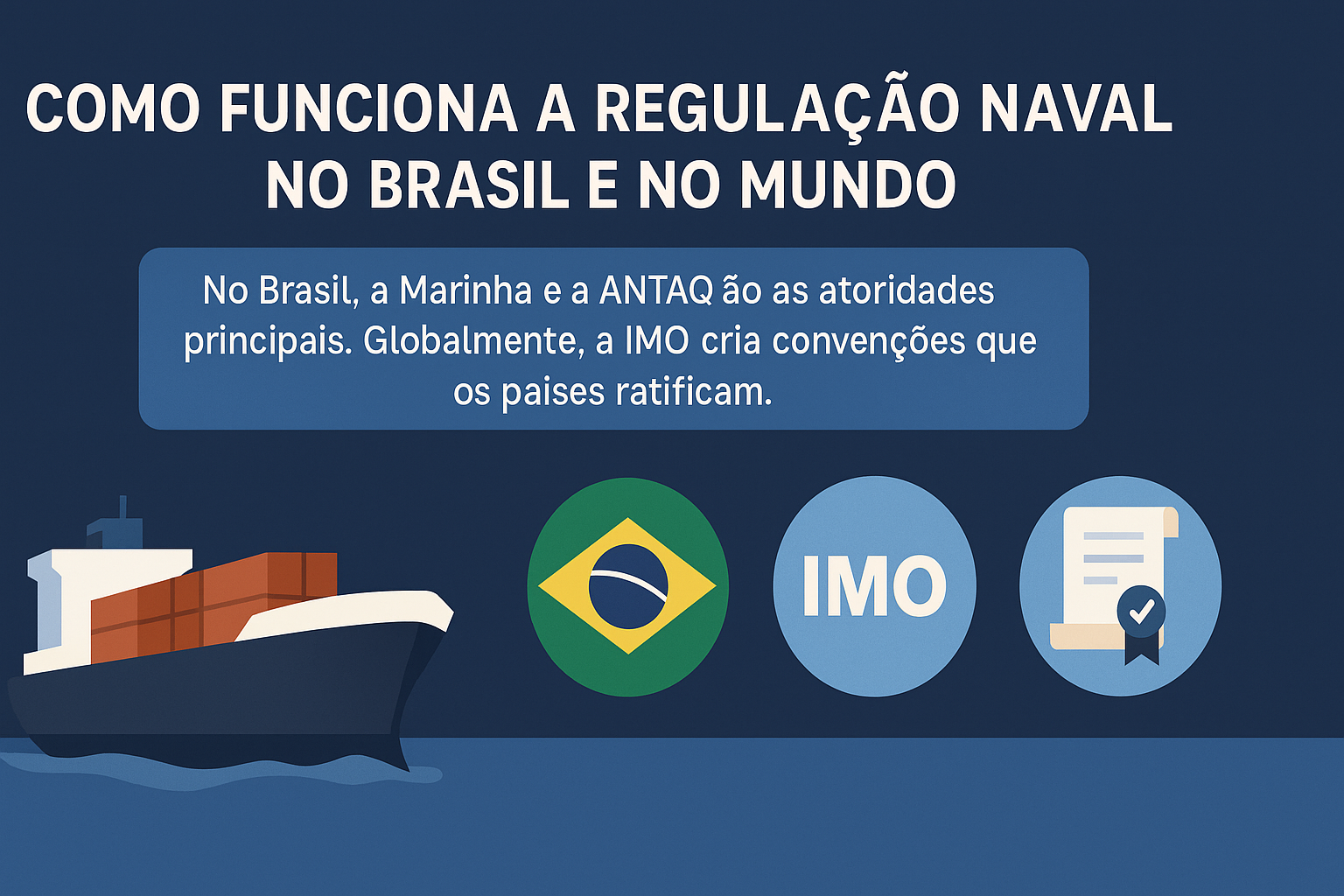
Regulation occurs at both national and international levels. In Brazil, the Brazilian Navy and the National Agency for Waterway Transport (ANTAQ) are the main authorities.
According to the ANTAQ website, they ensure navigation safety, environmental protection, and promote the competitiveness of the sector.
At the international level, the IMO creates conventions that countries ratify and incorporate into their legislations, such as the SOLAS Convention (Safety of Life at Sea), adopted in 1974 and constantly updated, which sets safety standards for ships.
Another fundamental milestone is the United Nations Convention on the Law of the Sea (UNCLOS), from 1982. According to the UN website, this convention defines the rights and duties of states over oceans and resources, being essential for global maritime governance.
In Brazil, in addition to enforcement, the government invests in incentives for the naval industry, promoting the construction of vessels and job creation, while always respecting national and international norms.
Challenges of Regulation and Perspectives for the Future
Despite the advancements, regulation faces challenges. Rapid technological evolution requires constant updates.
For instance, autonomous ships raise questions about safety and responsibility, as reported by the IMO in 2023.
Additionally, inequalities among countries hinder proper enforcement, favoring practices such as “flags of convenience”, which the ANTAQ annual report criticizes for allowing operations in weaker regulatory environments.
The growth of maritime trade, especially with hazardous cargo, requires constant improvement of safety.
The pressure for innovation and sustainability, with technologies such as hybrid propulsion and artificial intelligence, is transforming the sector. Regulators need to keep up with these changes to avoid risks.
Still, the increasing demand for transparency and sustainability raises regulatory standards. Companies adopting good practices gain reputation and access to demanding markets.
The Importance of Regulation
In summary, the regulation of the naval industry is a fundamental pillar for safety, justice, and sustainability of a sector that moves billions and connects the world.
From the great navigations to today, maritime norms have evolved to guarantee the healthy development of the industry.
Recognizing the importance of regulation means understanding that it does not limit growth, but ensures that it occurs with safety and responsibility.
The naval industry is also strategic for national sovereignty, allowing autonomy in transportation and defense.
Therefore, keeping regulation updated and effective is essential to tackle economic, environmental, and technological challenges, contributing to global prosperity and the protection of the oceans.









Seja o primeiro a reagir!