





 Portuguese
  English
  Spanish
  3 min of reading


The Technological Innovation of Embrapa Promises to Restructure Grain Production, Boosting Profitability and Minimizing Risks in Agriculture
Diving into the Pulsating Heart of Agricultural Innovation, a new technology called Antecipe is making waves in the Brazilian grain industry. Originating from the depths of research at Embrapa Corn and Sorghum and led by renowned advisor of the CCAS (Agro Sustainable Scientific Council), Décio Karam, this promising technology aims to change the corn planting landscape, generating significant results, minimizing risks in the fields, and consequently increasing agricultural profitability.
Antecipe System: A Quantum Leap in Grain Production
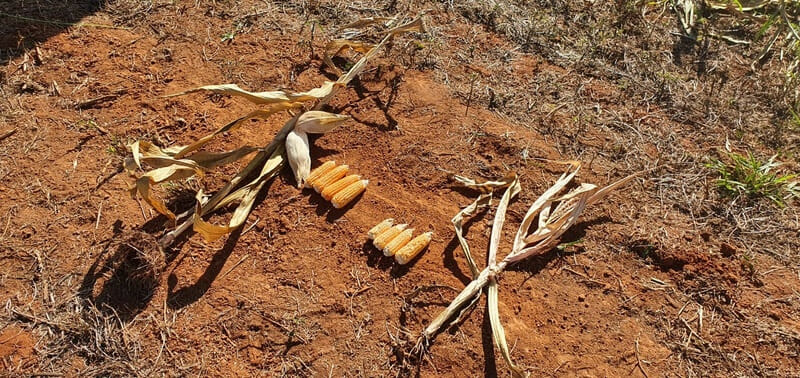
Antecipe is a pioneering system that enables mechanized corn planting between soybean rows before harvest. After 13 years of intensive research, the team was able to generate the expertise necessary for the success of this technology, as well as create a highly effective planter-fertilizer capable of adapting to this new model without harming soybean crops.
Antecipe brings numerous benefits to farmers. Karam points out that among these, “the ability to advance corn planting by up to 20 days, minimizing risks associated with unfavorable weather conditions” is particularly notable. This advancement results in higher corn yields compared to late planting, as evidenced by studies conducted in various regions of the country.
-
Oncorp wins auction and enables biodiesel and gas thermal plants in Brazil, with strategic projects in Suape and Xavantes Aruanã.

-
Raízen Recovery: Shell Cosan May Reduce Control After R$ 65 Billion Debt

-
Outback Montes Claros: Chain Confirms First Unit in Northern Minas in 2026

-
Inpasa Creates Advisory Council and Brings José Olympio to Strengthen Corporate Governance

Obvious Results: Accelerating Productivity
Experiments conducted in Goiás, Minas Gerais, Paraná, and São Paulo have highlighted the benefits of the technology, with Antecipe facilitating an increase of up to 46 sacks of corn per hectare. Moreover, advancing corn planting in soybean cultivation resulted in daily productivity gains, ranging from 1.5 to 2.3 sacks per hectare per day of anticipation.
“It is crucial to emphasize that Antecipe does not intend to replace the traditional safrinha corn crop, but rather to mitigate the risks associated with late planting. This technology allows for corn cultivation in areas where the Agricultural Risk Climate Zoning (ZARC) restricts the second harvest, enabling the planting of medium-cycle soybeans while simultaneously planting corn in the ideal window,” clarifies Karam.
Antecipe requires planning from producers, demanding the prior identification of the plots where the technology will be applied, taking into account the spacing between soybean rows. The planter-fertilizer developed and patented by Embrapa is suitable for the existing spacings in the market, preserving the width of soybean interrows. For better efficiency, erect cultivars are recommended, with a higher pod insertion height and tractors of appropriate height.
Antecipe does not interfere with crop management, including fertilization, and soybean harvesting is carried out normally, with the corn plants being cut. According to Karam, adopting a distinct approach is crucial when implementing the technology. He explains that corn should be planted before soybean harvest, and even with the mechanical damage caused by the soybean harvester, corn continues to grow.
For more information about the Antecipe technology and partnerships in its development, visit the Antecipe System page on the Embrapa Portal.









-

Uma pessoa reagiu a isso.