





 Portuguese
  English
  Spanish
 3 min of reading


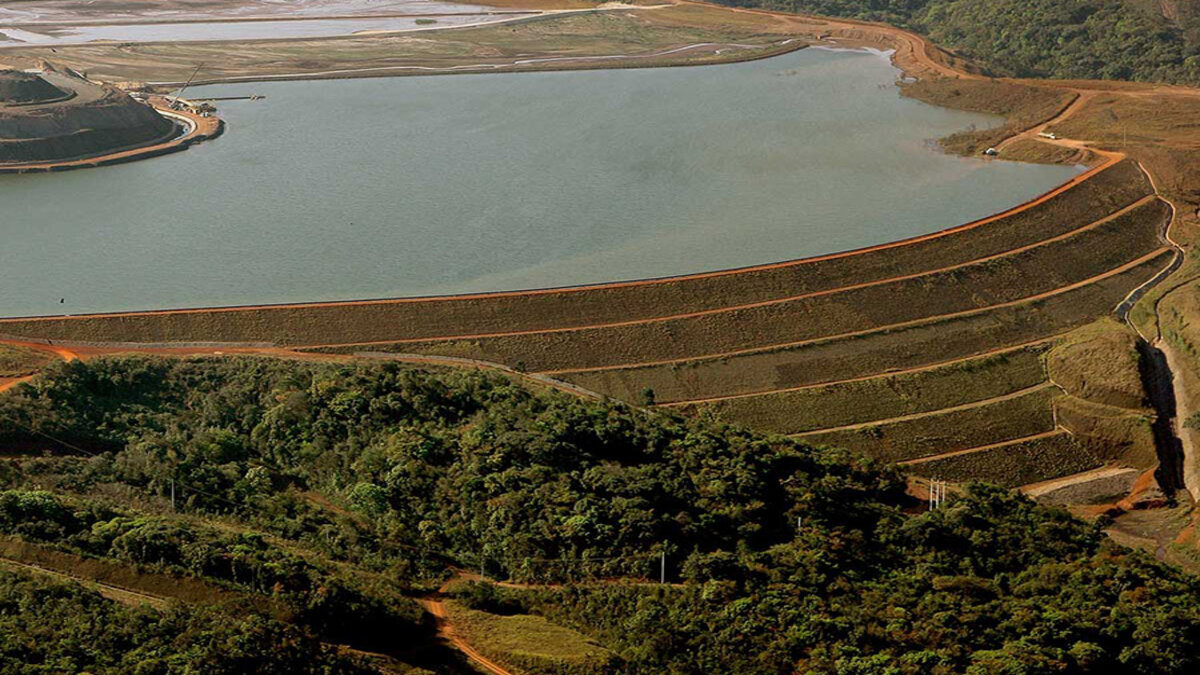
ANA Recently Released the RSB 2021 with Data on Dams Across Brazil and Identified 187 Structures in Critical Condition Registered in the SNISB, Along with a Strong Growth in the Implementation of the PNSB for Greater Operational Safety.
The number of dams in critical condition across the national territory is quite alarming, as according to the 2021 Dam Safety Report (RSB 2021), released by the National Agency of Water and Basic Sanitation (ANA), 187 structures are in critical condition in Brazil. However, the agency points to growth in the implementation of the National Dam Safety Policy (PNSB), with an increase in the registration of dams in the National Information System on Dam Safety (SNISB).
About 187 Dams in Critical Condition Are Registered in the SNISB and PNSB, According to ANA Data in the RSB 2021 Report
The need for mapping dams and assessing their criticality to the environment in Brazil is increasingly urgent, and the RSB 2021 report from ANA provided a series of surveys regarding the scenario of these structures in Brazil.
Thus, the document indicated a strong growth in the implementation of the PNSB and confirmed the number of dams in critical condition in Brazil, totaling 187, located in the Federal District and 21 states, especially Minas Gerais with 66 critical dams.
-
Historic bankruptcy of Centauro shocks the market, and the century-old company puts more than 500,000 products, machines, and complete infrastructure up for online auction.

-
Brazil extracts 26.3 million tons of ore from what was previously treated as waste, transforming residues into wealth, producing over 3 million tons of sand, and demonstrating how national mining is relearning to generate value.

-
A $3.5 billion megaproject in Latin America pumps desalinated seawater at 1,050 liters per second over 194 km to keep a copper supermine in the Andes operational for another 20 years.
-
New shoe factory in Ceará is expected to create 400 jobs and strengthen the local economy.

The reasons for classifying the state of critical condition for structures in the SNISB are numerous, but the main ones, according to ANA, are the state of conservation (in 49% of cases) and the classification concerning Potential Associated Damage and Risk Category (in 48%). The classification and categorization of dams in the SNISB have been happening through 33 national agencies since 2017, enabling the expansion of PNSB implementation.
Among the 22,654 structures registered by regulatory agencies in the SNISB, 12,167 dams (or 54%) have height information, 19,744 (or 87%) have volume information, and 11,488 (or 51%) have some type of authorization act (grant, concession, authorization, license, among others).
Only between 2020 and 2021, more than 700 dams were registered in the SNISB, according to the RSB from ANA, thus enabling a more accurate mapping of the current Brazilian scenario, in addition to the implementation of the PNSB in these structures.
PNSB Implementation Advances, But Still Needs More Information, According to ANA’s RSB 2021
The classification of dams in the SNISB under the PNSB only occurs when the structure meets one of the following requirements: embankment height equal to or greater than 15 m; total reservoir capacity equal to or greater than 3 million cubic meters; having a reservoir that accumulates hazardous waste; having medium or high Potential Associated Damage and/or having a high Risk Category. And, although the RSB 2021 indicates that the implementation of the policy has increased, ANA still sees a long way ahead in this segment.
This is because, among the thousands of dams registered in the SNISB, only 5,474 are subject to the PNSB, while another 4,313 are not, and the remaining 12,867, which represent 57% of the total of 22,654 dams, do not have sufficient information for this classification in the safety policy to occur in a controlled and secure manner by national security agencies.
These numbers ultimately reflect on the disasters and accidents involving dams that occur every year, as the RSB 2021 from ANA points out that, only during the past year, 13 accidents and 37 incidents with dams were reported in 16 states, very high numbers given the current level of safety technology in mining.










Seja o primeiro a reagir!