





 Portuguese
  English
  Spanish
  4 min of reading
  0 comments


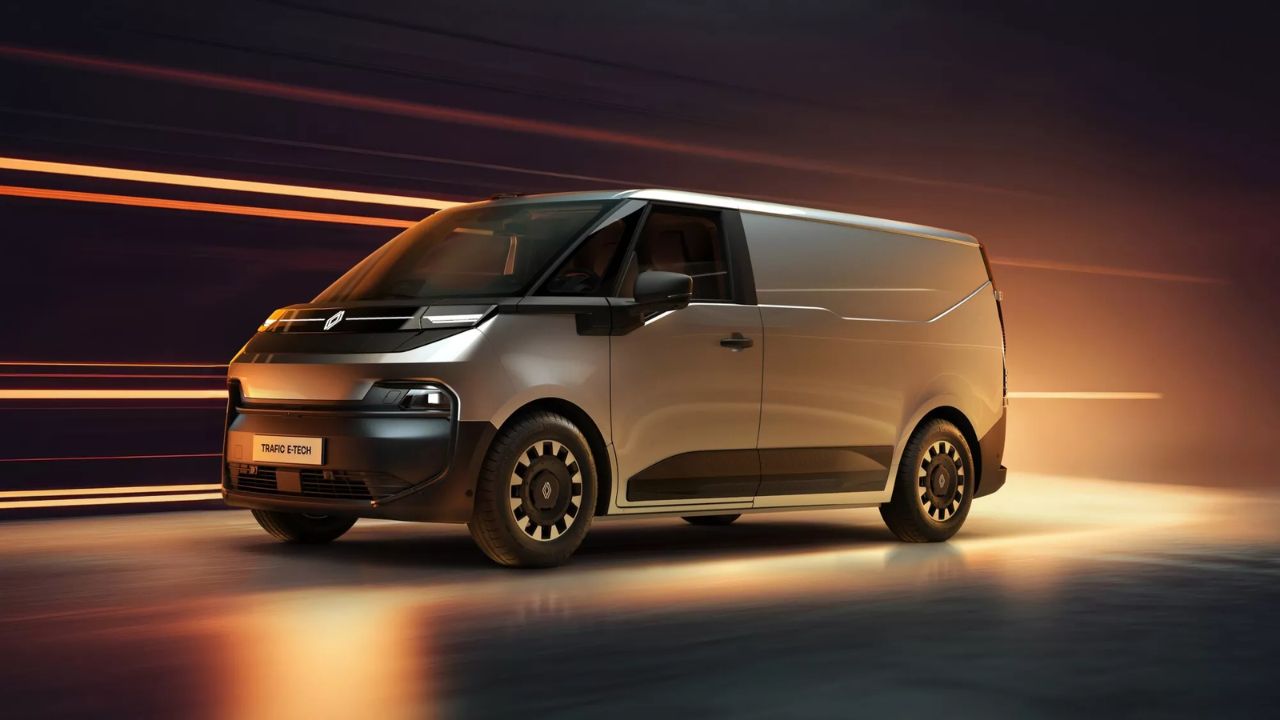
French Automaker Bets on Innovation and Sustainability with Estafette, Goelette, and Trafic E-Tech Models
Renault has taken another step towards leadership in electric mobility by presenting its new generation of fully electrified commercial vehicles. At a time when companies and governments demand sustainable and flexible solutions for urban transport, the French automaker is reviving iconic names from its history, such as Estafette and Goelette, and updating them with cutting-edge technology, connectivity, and ergonomics. According to an official statement from the company, the line was developed in partnership with Flexis, a joint venture formed by the Renault Group, the Volvo Group, and the logistics group CMA CGM, reinforcing a strategic union aimed at efficiency and innovation.
Renault Launches New Era in Electric Commercial Vehicles
Renault’s new line of electric commercial vehicles represents an important turning point in the automotive segment. The models presented meet not only the current demands of the transport sector but also the goals for reducing carbon emissions, which are increasingly required by environmental policies and conscious consumers. In a publication on the official Renault Group website, the automaker highlighted that the main focus of the new line is to offer versatility, robustness, and connectivity for urban deliveries and professional services. The initiative shows that Renault remains determined to occupy a leading global position in the automotive energy transition.
Skateboard Platform and SDV Architecture: Efficiency and Customization
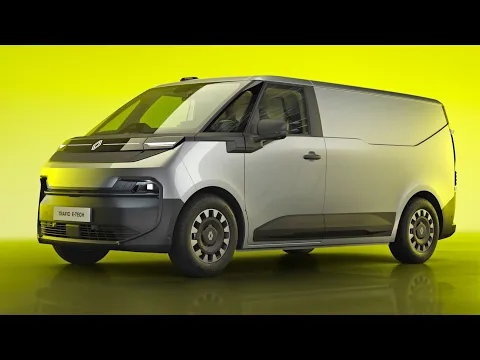

Renault has relied on a modular and intelligent architecture to develop its new vehicles. All models are based on a “skateboard” platform combined with SDV (Software Defined Vehicle) technology, which allows for remote updates, software customizations, and predictive maintenance. This approach, according to experts consulted by the Estradão portal, enables a significant reduction in operational costs and improves the experience of drivers and fleet operators. This architecture ensures that Renault vehicles can be adapted to different markets and functions more quickly and economically, without compromising safety.
-
An irregular parking case gains attention after a Mercedes Classe A was removed in such a strange way that it even raised doubts about damage to the car.
-
Costing R$ 16,000, the new Yamaha features a 125 cc hybrid engine with electric assistance, delivers 8.3 hp, includes ABS, optimized fuel consumption, Y-Connect connectivity, 25 liters of storage space, and a surprising 4-year warranty in the urban segment.
-
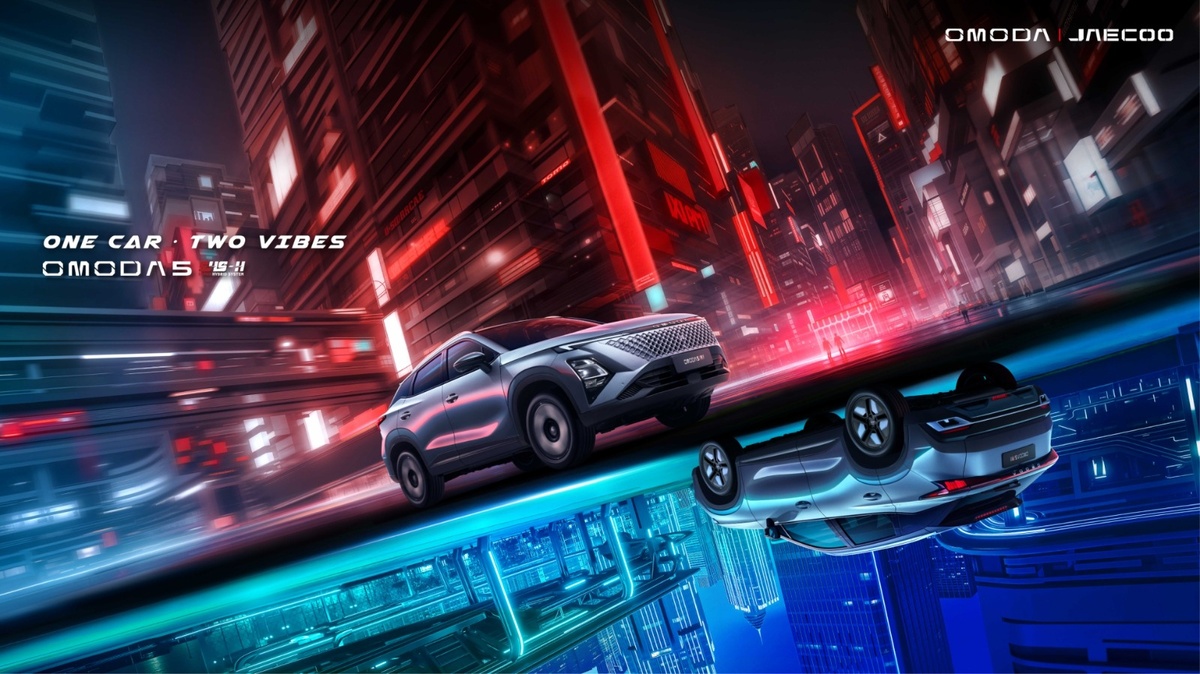
OMODA & JAECOO grows in Europe in 2026 with an integrated strategy of sales, innovation, local production, and technological advancement in the United Kingdom, Italy, and Spain.
-
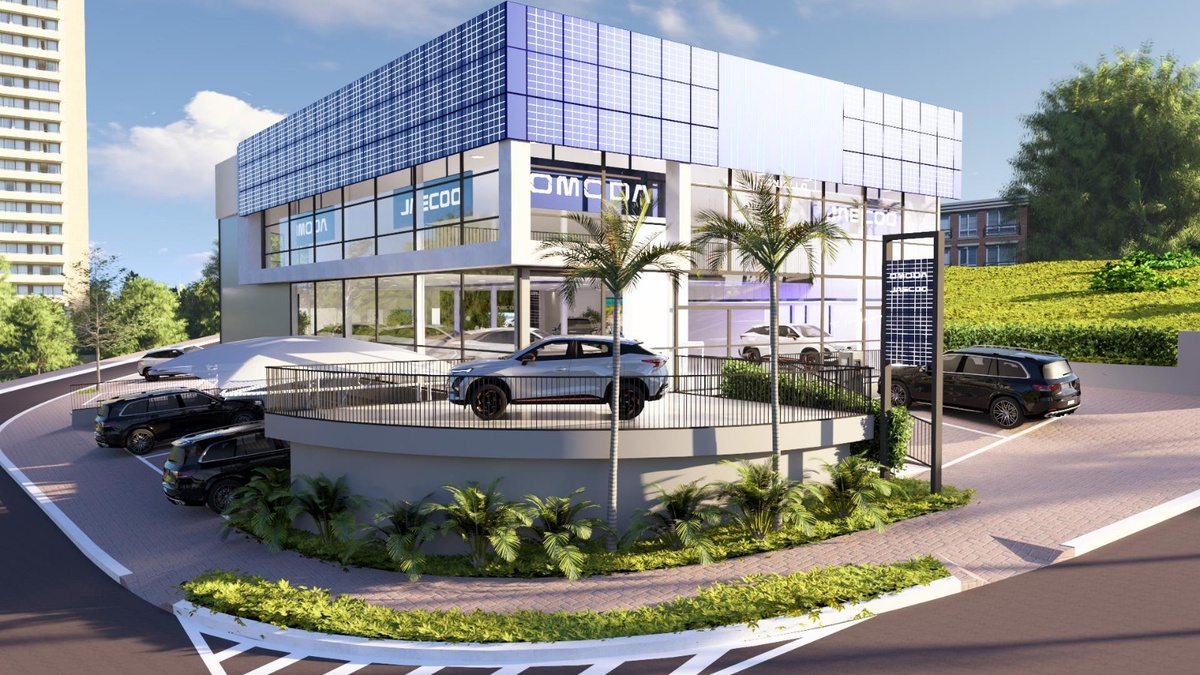
OMODA & JAECOO expands after-sales service in Brazil with competitive maintenance, a 7-year warranty, and high availability of parts for technological SUVs.

Estafette E-Tech Electric: Merging Tradition and Modernity in Urban Logistics
Inspired by Renault’s classic van from the 1960s, the new Estafette E-Tech electric brings a retro design updated to meet the demands of current urban mobility. Compact, agile, and easy to drive, the vehicle was specially designed for deliveries in urban centers. The magazine Auto SAPO pointed out that, with just over five meters in length and reduced width, it facilitates maneuvering in narrow streets and tight parking spaces. Internally, the space allows comfortable movement for the driver between the cabin and the cargo area, with a high ceiling and wide frontal visibility, ideal for fast and frequent deliveries in commercial centers.
Goelette E-Tech: Robustness and Flexibility for Various Applications
Renault has revived the name Goelette to present a robust and extremely versatile electric utility vehicle. With versions such as chassis-cabin, closed box, and tipping platform, the Goelette E-Tech can be adapted for construction, light transport, and urban services. The portal InsideEVs emphasized that the modular structure allows the model to receive custom bodies according to the desired operation. For fleet managers, this model offers a flexible, cost-effective solution ready for modern logistical challenges, all while producing zero emissions and having reduced operational costs, one of Renault’s priorities in this new phase.
Trafic E-Tech Electric: Evolution of a Renault Best-Seller
Responsible for over 2.5 million units sold since 1980, the Renault Trafic gained its electric version in the fourth generation of the model. With a clean look and monovolume design, the new Trafic E-Tech delivers optimized internal space and performance designed for urban and intercity traffic. According to a report from Caetano Retail, the vehicle has a height of less than 1.90 meters, making it easier to enter garages and underground parking, without compromising cargo capacity. The turning radius similar to that of a hatchback, like the Renault Clio, ensures agility in traffic. This electric version is suitable for companies that need a reliable, modern vehicle compatible with sustainability policies.
Renault Focuses on Clean Mobility, Technology, and Performance
The E-Tech electric line from Renault is the result of a global restructuring project for the brand, which has been investing in electric vehicles for over a decade. According to the site Portal N10, the French automaker aims to lead the transition to sustainable commercial fleets in Europe and other continents. The new generation of utility vehicles is not only a response to environmental demands but also a strategic move to capture new market shares. By integrating tradition and innovation, Renault repositions its global image and anticipates trends that will soon become standard in urban and commercial transport.







Seja o primeiro a reagir!