





 English
  Francês
  Alemão
  Italiano
  Japonês
  Norueguês
  Portuguese
  Spanish
  4 min of reading


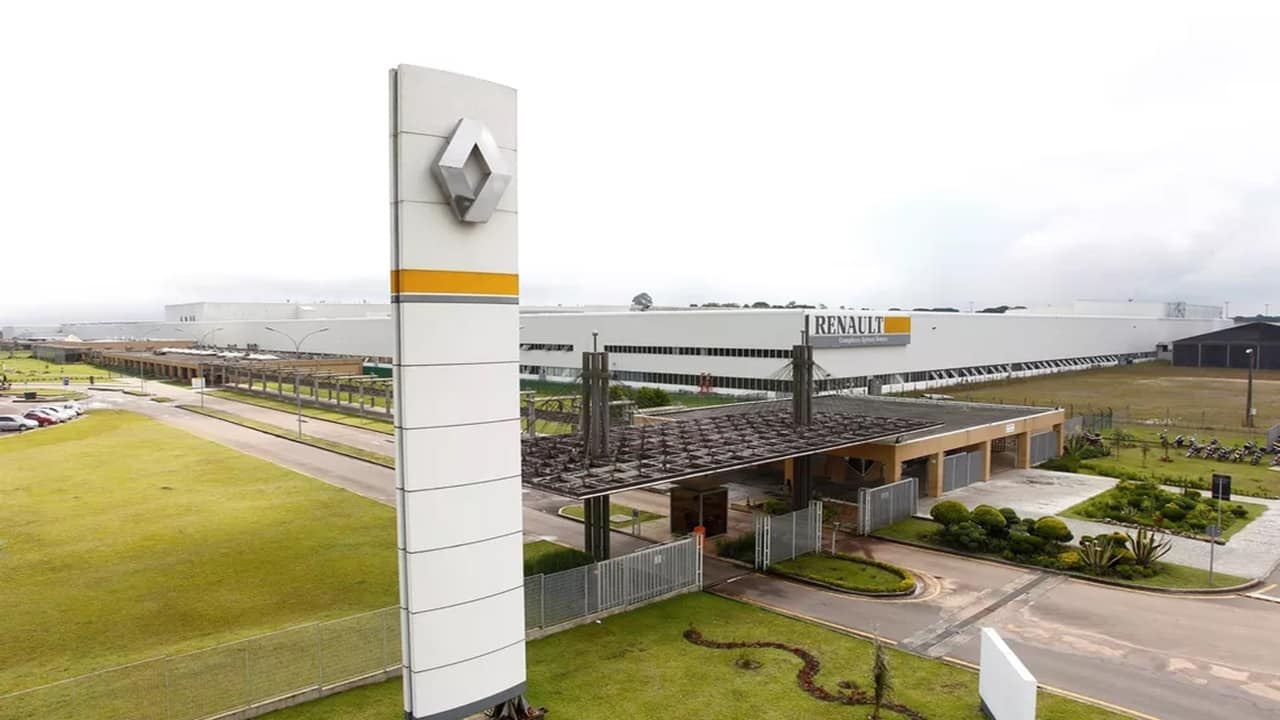
The System Known As ‘Lay-Off’ Will Be Used For 1.8 Thousand Employees Of Fiat And Volkswagen; In Renault, The Voluntary Dismissal Program Will Cut 250 Job Positions
The crisis arrives at the multinational vehicle manufacturer Renault! Brazil’s automotive industry is on the verge of collapse and is preparing for a year-end with low production and closed factories. So far, most automakers, such as Fiat and Volkswagen, have adopted collective vacation periods, voluntary dismissal plans, suspension of work contracts, anticipation of holidays, and time off for employees to circumvent the lack of components for production, especially semiconductors.
Read Also
- After Ford Ka and Hyundai HB20, Duster Gets Zero Rating in Impact Test and Multinational Renault May Face Million-Dollar Fine
- The Largest Automotive Alliance In The World, Formed By The Renault, Nissan And Mitsubishi Group, Makes Executive Changes To Dismiss The Ghost Of Carlos Ghosn And Maintain Partnership With The Daimler Group
- Former Renault CEO Demanded His Team To Copy Volkswagen’s Diesel Engine Fraud, The World’s Largest Vehicle Manufacturer, To Bypass Vehicle Emission Results
- Renault Will Build Mega Factory And Create A New Production Center Capable Of Assembling 400,000 Electric And Hybrid Cars Per Year
- After Ford’s Exit, Renault And Nissan Are Moving To Halt Vehicle Production And Close Their Factories In Brazil, Says Carlos Ghosn
- The Missing Giant From Ford, A 600-Horsepower Truck Powered By Turbines, Is Refound After Forty Years
- After Ford Exits Brazil And Halts Car Production In Bahia, Camaçari Is Experiencing The ‘Dismantling’ Of Factories And 7,500 People Are Expected To Lose Their Jobs
- Multinationals Honda And Chevrolet Halt Vehicle Production In Brazil And The Automotive Industry May Collapse
Employees of the multinational Renault, based in São José dos Pinhais, approved yesterday afternoon (09/29) a set of measures that includes a voluntary dismissal plan (PDV), an involuntary dismissal plan (PDI), a reduced working hours regime, and layoff. The proposals are a response to the global component crisis that has impacted the functioning of the automotive industry.
Check Out The Video Below Of SMC President Sergio Butka Talking About The PDV, PDI, Layoff And Reduced Working Hours Approved At Renault
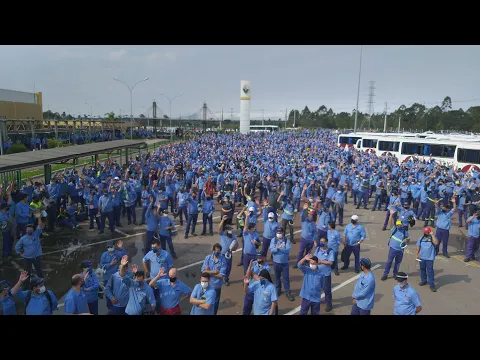

The global semiconductor shortage – a fundamental component in modern vehicles – caused multinational Renault to accumulate about 37 days without production in 2021 at the Parana plant. As a result, the automaker claims to have lost competitiveness.
-
‘Interlocking brick’ made of earth arrives in the construction industry with cost reductions of up to 40% on the project.

-
Espírito Santo will receive the largest engineering project in its history with the duplication of BR 262, which will have 50 viaducts, 28 bridges, and 2-kilometer tunnels cutting through the most challenging mountainous region of the entire state.

-
A project of nearly 9 million reais already has the first kilometer paved in Santa Catarina and promises to completely transform the access between Jaraguá do Sul and Rio dos Cedros in an area where tourism is growing at a rapid pace.

-
A couple builds a system to bring water from the spring to their land, climbs a hill with materials on their backs, and creates a simple, cheap, and sustainable solution to ensure their own water supply.


According to the Metalworkers’ Union of Greater Curitiba (SMC), the joint proposal of the company and union aims to reduce 250 job positions via PDV and PDI. In addition, the company should implement a layoff regime – wherein employees do not go to the factory and have their salaries reduced – and a reduced working hours scheme.
550 workers out of the 5,000 employees in the production area of Renault’s factory will be affected.
Vehicle Production Is Expected To Be Lower Than Expected
In July, the National Association of Automotive Vehicle Manufacturers (Anfavea) projected vehicle production of 2.46 million units for this year, representing a 22% increase compared to 2020. Affected by the pandemic, it was one of the worst years in the industry’s history.
This year, by August, 1.47 million vehicles were produced, and Anfavea’s forecast is unlikely to materialize. Automakers currently employ 103,000 workers, nearly the same number as in the same period last year.
For Three Years With Salary Adjustments Below Inflation, Metalworkers Declared A Strike Yesterday (09/29) At The General Motors Factory
Yesterday (09/29), metalworkers at General Motors in São Caetano do Sul approved a strike state at the factory. The reason is the automaker’s attempt to delay salary adjustments and reduce workers’ rights. The base date for the category is September 1, and workers want a salary adjustment proposal that meets their needs.
The metalworkers also defend job stability for all injured workers. Currently, only those hired before 2017 are entitled to this benefit. GM wants to maintain the exclusion of new hires from this clause and, furthermore, reduce the stability period for existing employees.
While General Motors continues to profit, the salaries of metalworkers lose purchasing power. For three years, salary adjustments have been below inflation. In the second quarter of this year, the group recorded a net profit of $2.8 billion, which reversed all losses attributed to the pandemic.
The Union and the CSP-Conlutas extend full support and solidarity to the struggle of metalworkers in São Caetano.
“With rising prices and rampant inflation, debts do not wait and cannot be divided. It is outrageous for GM to have the audacity to want to apply the inflation from the base date only next year. We are together in this struggle and will stand by our comrades in São Caetano,” says Luiz Carlos Prates, known as Mancha, a leader of the National Executive Secretariat of CSP-Conlutas.








Seja o primeiro a reagir!