Portuguese
  Spanish


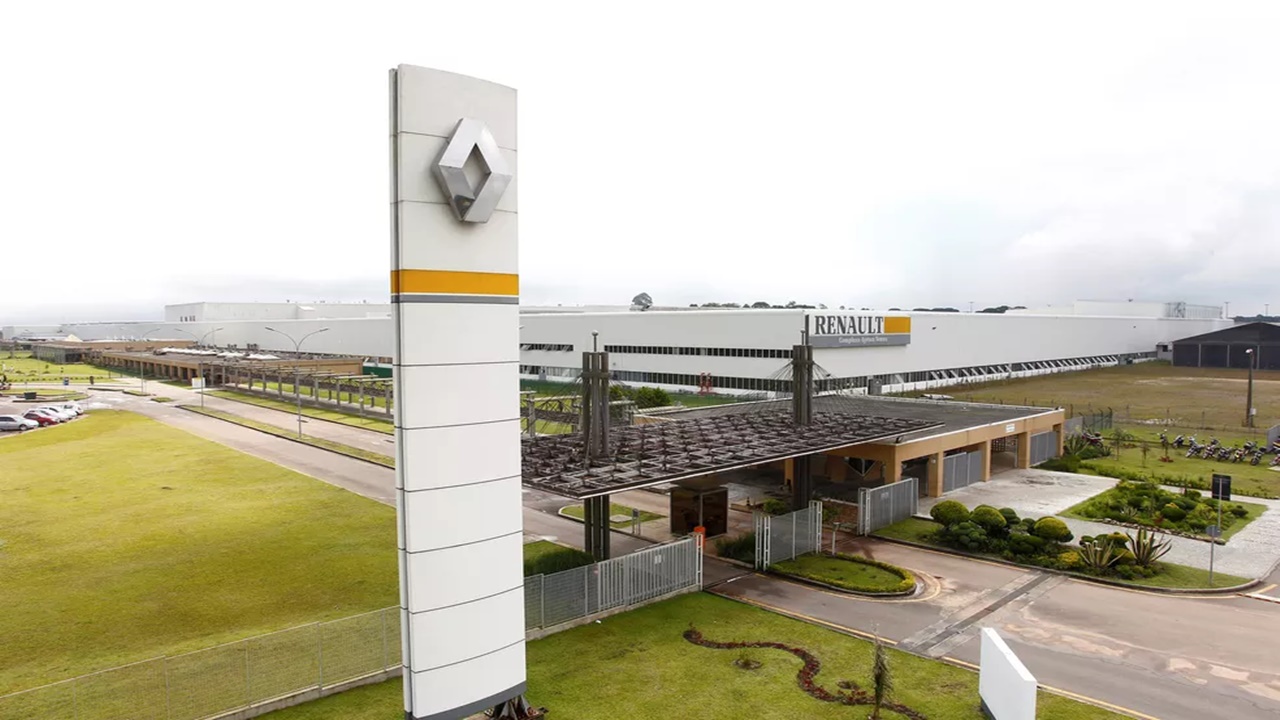

After Ford, Multinationals Renault and Nissan May Close Their Factories in Brazil and Automotive Industry May Collapse in the Country
After the exit of the automaker Ford from Brazil, the global supply crisis and the pandemic caused car factories like Chevrolet, Honda, Audi (Volkswagen), Scania, Volvo, and Mercedes-Benz to suspend vehicle production as well. Now, according to information provided by Carlos Ghosn, former CEO of major vehicle manufacturers, multinationals Renault and Nissan may close their factories in Brazil and the automotive industry may collapse in the country.
Read Also
- Ford’s Missing Giant, a 600-Horsepower Truck Powered by Turbines is Found After Forty Years
- After Ford’s Exit from Brazil and Stopping Car Production in Bahia, Camaçari Faces Factory Disbandment and 7,500 People Expected to Lose Their Jobs
- Multinationals Honda and Chevrolet Halt Vehicle Production in Brazil and the Automotive Industry May Collapse
- New Portable Wind Turbine Generates Energy Anywhere, Besides Being Able to Operate Together with Solar Panels
The Brazilian car market dropped from 4 million units/year to just 2 million, said former Nissan president Ghosn.
“The weakest will exit Brazil, which always happens in major crises. Among the weakest, I mention the Alliance (between Nissan and Renault), because to compete in Brazil you need a strong automaker, willing to overcome the specific cycles of the local economy, and if the company does not have that will, it will be constantly exiting and entering the country, laying off and hiring, stopping and returning. This stop and go is very bad for the brand and for the employees”, says Ghosn.
-
Abandoned Factory in Rio’s North Zone Becomes Urban Hazard with Standing Water and Debris

-
Affordable Housing Project in Brazil’s Mato Grosso Aims for 700 Deliveries and $34 Million in 2026, Outpacing Major Developers in High-Demand Areas

-
Brazil’s Largest Port to Accommodate Bigger Ships by October as Ibama Approves Non-Explosive Removal of Hidden Rocks and Sediments
-
Mexico Develops 3D-Printed Concrete from Corn Waste, Cutting Emissions by 70% and Reducing Construction Waste by 90%


Nissan and Renault Contradict the Executive and Say They Have No Intention of Closing Their Factories and Leaving Brazil
According to the magazine Veja, both Nissan and Renault did not comment on the Carlos Ghosn case, but stated that they are committed to investing in Brazil for the coming years. “We have no plans to leave. We just launched a new product, manufactured in Resende,” says the Japanese automaker, which recently launched a new version of the Kicks, made in Rio de Janeiro.
Renault states that it will launch “five new products by the first half of 2022, including the renewal of vehicles in the current lineup and a turbo engine, which will be imported. Additionally, two electric vehicles will be launched in the same period.” According to the company, there was a recent investment of 1.1 billion reais in the country, and it “reaffirms the importance of the Brazilian market for the Renault Group.”
The multinationals announced temporary factory closures due to the increase in COVID-19 cases in the country. Renault’s plant in São José dos Pinhais (PR) suspended operations on March 29 and plans to return on April 5. Nissan has stopped the Resende (RJ) factory and given collective vacation to its employees from March 26 to April 9.
In a Move Against Ford and Chevrolet, the Multinational Auto Parts Manufacturer Bosch Decided to Bring Its Production from the USA to Brazil
The German multinational auto parts manufacturer Bosch went against the movement of automakers Ford, Chevrolet, Honda, Audi, (Volkswagen), Scania, Volvo, and Mercedes-Benz, Nissan, and Renault who decided to withdraw or reduce production in Brazil, and brought to Brazil the production of injectors and fuel injection nozzles for trucks that were produced in its factories in the United States, thus expanding the diesel injection systems division at its Curitiba factory.
Moreover, the intention of the German multinational is to supply not only the domestic market but also to export a large amount – which can reach up to half of the production.