





 Portuguese
  English
  Spanish
  2 min of reading
  0 comments


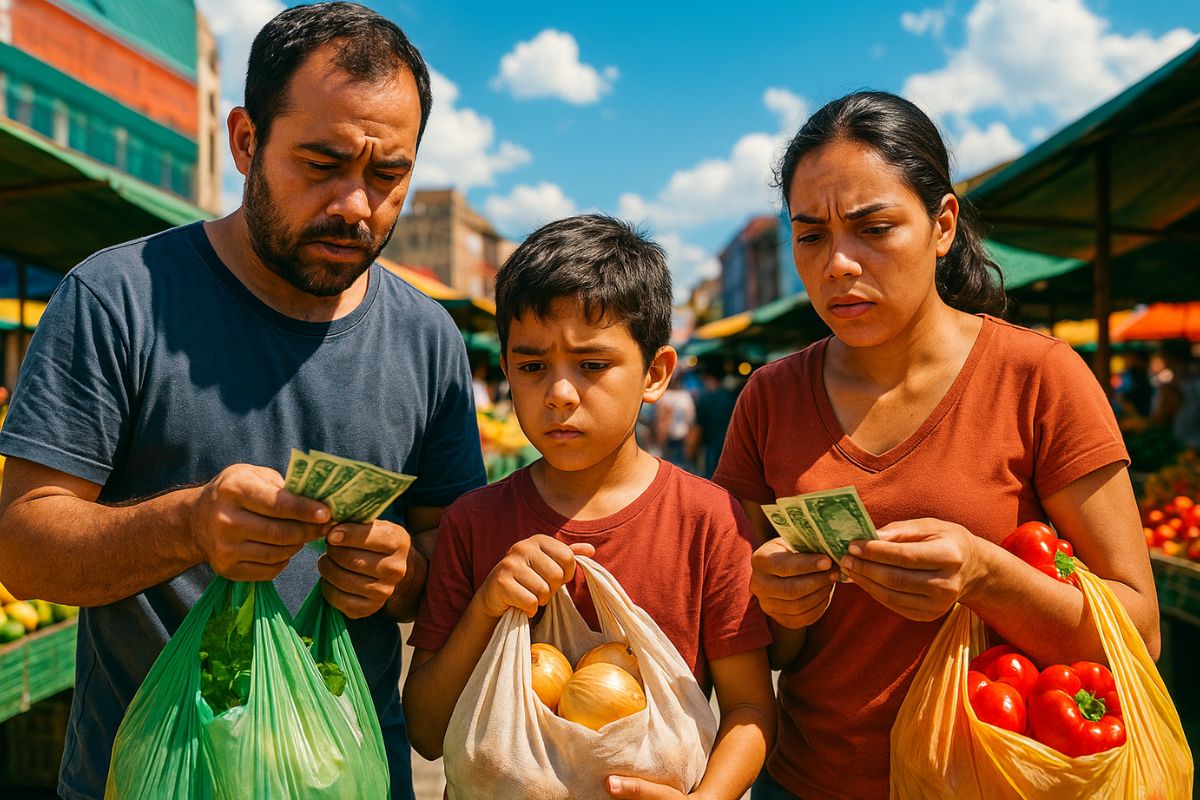
Income of the Poorest is Expected to Grow Less in 2026, Study Indicates. Projection Suggests that the Income of the Poorest Will Advance by Only 1.9% Next Year, a Rate Lower than That of Higher Classes and Below the National Average
The income of the poorest in Brazil is expected to have limited growth in 2026, according to a survey by the consultancy Tendências. The expectation is that classes D and E will report an increase of only 1.9% in the next year, while the national average will be 3%, and the wealthiest classes may reach up to 3.8%. This data reinforces the disparity in income growth among different income brackets.
The study considers the sum of all family incomes, including salaries, pensions, social benefits, and investment profits. In the case of lower classes, the dependence on social transfers and pension benefits weighs more on the final result, which reduces the impact of any salary increases.
Difference in Growth Rate
Among the factors that explain why the income of the poorest grows less is the lower participation of income from financial investments or capital gains, which carry more weight in the income of higher classes. In contrast, benefits like Bolsa Família and BPC represent 17.6% of the income of the poorest families, while pensions account for 37.6%.
-
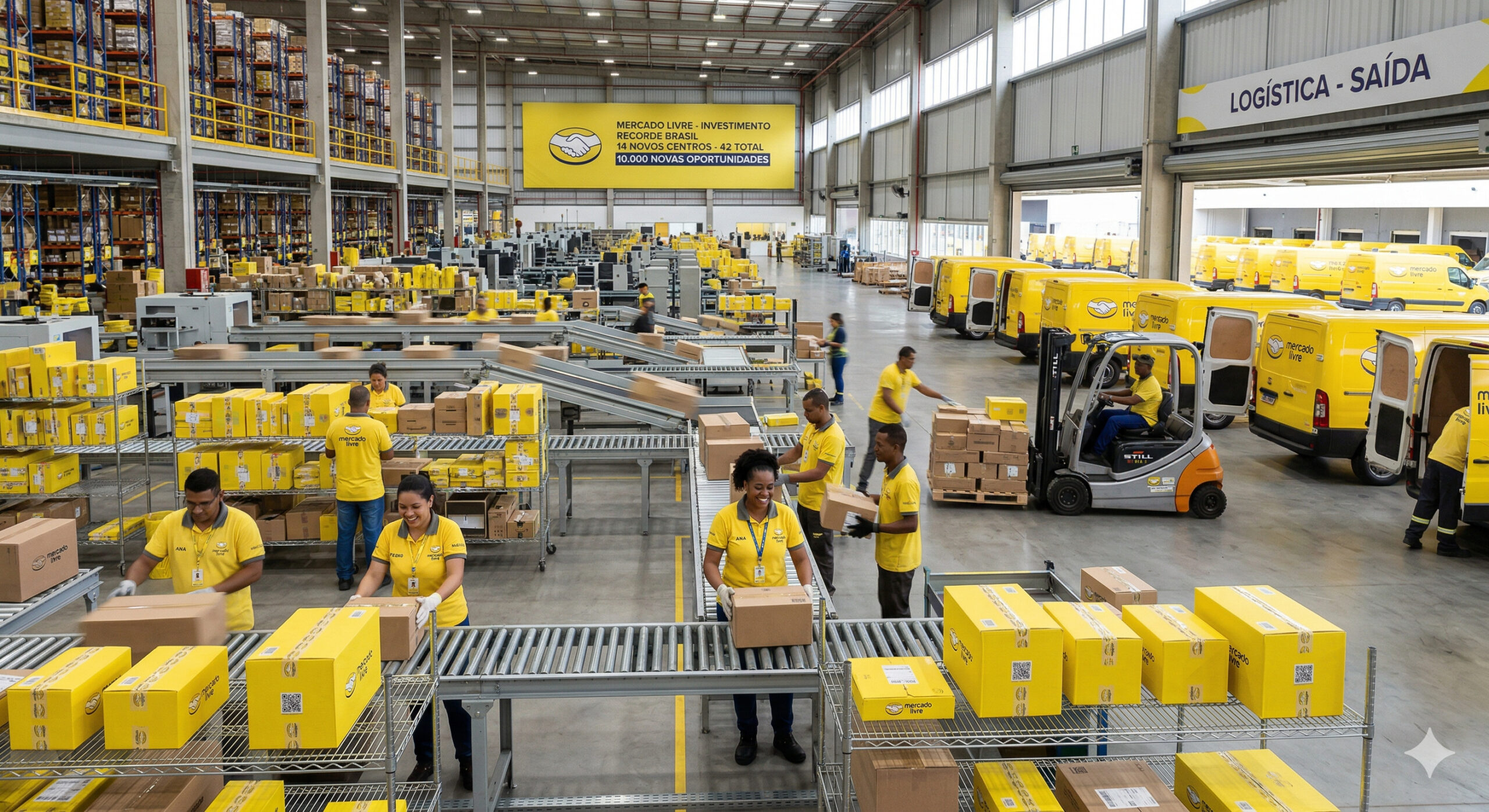
Mercado Livre “opens the vault” and announces a record investment of R$ 57 billion in Brazil in 2026, a value 50% higher than the previous year, with an expansion plan that includes 14 new logistics centers, totaling 42 units in the country and hiring an additional 10,000 employees.
-
How investment in technology can revolutionize the national economy and enhance industrial gains, according to a study that highlights the direct impact on productivity, innovation, and wealth retention within Brazil.

-
The largest food company on the planet, JBS, has just opened a 4,000 square meter laboratory in Florianópolis to develop customized proteins that modulate muscle mass gain, immune response, and metabolic performance.

-
After nearly 30 bids and competition among industry giants, a Spanish company purchases one of the largest airports in Brazil for almost R$ 3 billion and takes over the management of Galeão in a concession that will last until 2039.


The report also indicates that, between 2023 and 2026, the accumulated income gain of the poorest will be only 10%, compared to 25.1% in class A and 35% in class B. This difference is explained by the uneven performance of income sources, with significant gains in segments that depend on financial investments, rent, and business profits.
Perspectives for 2026
For next year, the consultancy projects a slower economy, with still high interest rates and moderate job market growth. This combination may limit the recovery of income for the most vulnerable families, even in a scenario of controlled inflation.
Still, Tendências assesses that the gradual improvement in formal employment and the maintenance of income transfer programs may prevent a real decline in earnings. The evolution of the income of the poorest will be decisive for internal consumption, especially in sectors such as food, clothing, and essential services.
Do you think this growth rate is enough to improve the living standards of low-income families? Share your opinion in the comments.








-

2 pessoas reagiram a isso.