





 Portuguese
  English
  Spanish
  6 min of reading
  0 comments


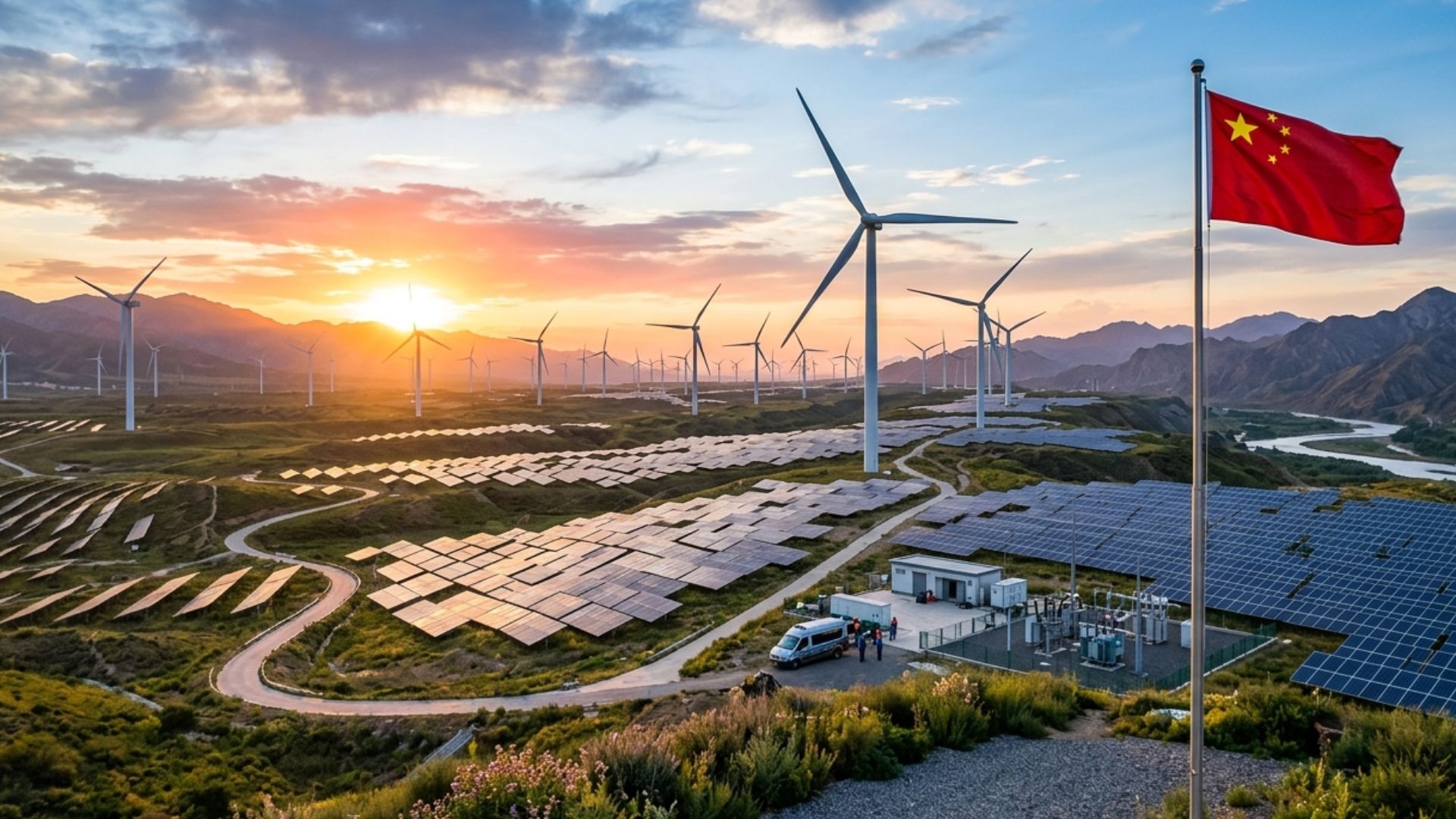
Global advancement of renewable energy gains strength with Asian leadership, reports IRENA, highlighting economic gains, cost reduction, and acceleration of the energy transition on a global scale
Renewable energy is experiencing a decisive moment in the global scenario. By 2025, the world’s installed capacity reached 5,149 gigawatts (GW), after adding 692 GW in just one year. The annual growth of 15.5%, indicated by IRENA, confirms a structural change in the electricity sector and reinforces the acceleration of the energy transition in various regions.
According to an article published by Agência Eixos, this advancement does not happen by chance. In a context of geopolitical instability, rising fossil fuel prices, and the search for energy security, countries have prioritized clean and more predictable sources. Asia emerges as a protagonist in this movement, leading investments and capacity expansion.
Right from the start, the most relevant data is clear: renewable energy has ceased to be an alternative and has taken a central position in the global energy matrix. The analysis by IRENA shows that this transformation is likely to directly impact costs, competitiveness, and economic stability.
-
Globo broadcaster achieves 100% renewable energy and advances climate goal, strengthening environmental commitment, reducing emissions, and influencing large companies to adopt more sustainable and competitive strategies.
-
New mapping reveals the Brazilian states with the greatest potential for the production and use of green hydrogen in Brazil to lead the global market.
-
Historical drought and lack of snow in the Norwegian Alps threaten the largest clean energy reserve in Europe and could drive up electricity prices.

-
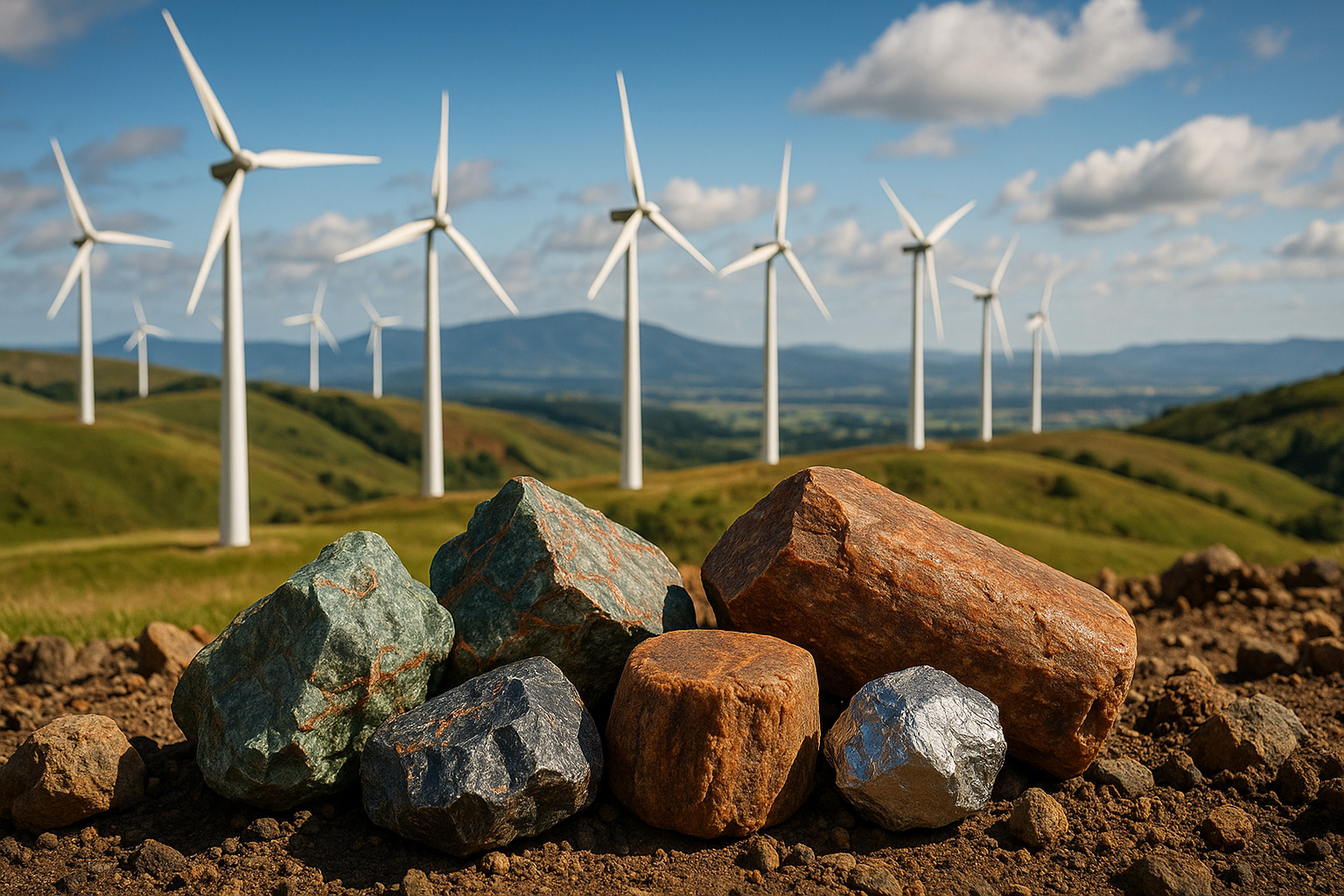
The Brazilian state accelerates industrial competitiveness with a focus on the extraction of strategic minerals to boost the energy transition in Goiás.
IRENA points to the dominance of clean sources in the global electricity matrix
The report Renewable Capacity Statistics 2026, released by IRENA, reveals that renewable sources accounted for 85.6% of all electrical capacity expansion in 2025. This includes solar, wind, hydropower, biomass, and geothermal energy.
This data reinforces the consolidation of the energy transition, which has been gaining strength even amid international crises. The volatility of oil prices, exacerbated by conflicts in the Middle East, pushed the Brent barrel to around $102.88 in futures contracts, pressuring economies and accelerating strategic decisions.
According to Francesco La Camera, Director-General of IRENA, systems based on renewable energy are more resilient. He highlights that countries that invested in the energy transition face fewer economic impacts during times of crisis. This paradigm shift shows that adopting clean sources is not just an environmental issue, but a solid economic strategy.
Asia leads renewable energy expansion and redefines global energy balance
The leadership of Asia is one of the most relevant points in the IRENA report. In 2025, the region was responsible for 74.2% of all new installed capacity, totaling 513.3 GW and recording a growth rate of 21.6%.
In total, Asia reached 2,891 GW of capacity in renewable energy, consolidating itself as the largest energy hub in the world. In comparison, Europe follows with 934 GW.
This prominence reflects aggressive public policies, massive investments, and a focus on innovation. China and India lead this movement, driving the energy transition on a global scale.
The Asian advancement also redefines the international economic balance, as cheaper and cleaner energy can increase industrial competitiveness and reduce production costs.
Solar and wind energy accelerate the energy transition with lower costs
Among the technologies, solar energy stood out as the main growth driver. A total of 511 GW was added in 2025, representing approximately 75% of the global expansion of renewable energy.
Wind energy also played a significant role, with 159 GW added. Together, solar and wind accounted for 96.8% of the new net additions, according to IRENA.
This advancement is directly linked to the reduction in costs of these technologies. In recent years, solar and wind energy have become the most competitive sources in the market.
The main factors explaining this expansion include:
- Decrease in equipment and installation costs
- Economies of scale in production
- Technological advancements
- Government incentives
In practice, this means more accessible energy for consumers and businesses, as well as greater predictability in generation costs.
Diversification of sources reinforces global energy security
Despite the prominence of solar and wind, other sources also contributed to the growth of renewable energy. Hydropower added 18.4 GW in 2025, with China accounting for 96% of this expansion.
Bioenergy recorded a growth of 2.3%, adding 3.4 GW. Japan led this segment, adding 1.1 GW, followed by China with 0.8 GW and Brazil with 0.6 GW.
Geothermal energy expanded by 0.3 GW, with a growth of 1.7%. Countries like Indonesia and the Philippines stood out in this segment.
This diversification is essential to ensure stability in the electrical system. Different sources allow for greater flexibility and reduce operational risks, strengthening the energy transition.
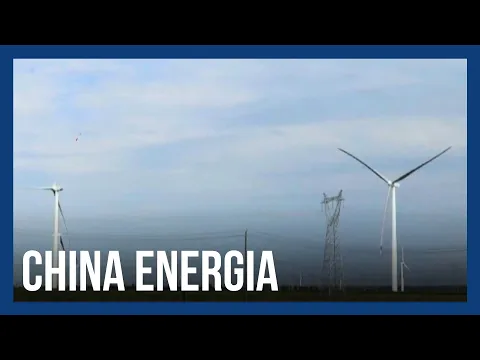

IRENA highlights positive economic impact of renewable energy
The expansion of renewable energy not only brings environmental benefits. According to IRENA, the economic impacts are becoming increasingly evident, especially in countries that have advanced in the energy transition.
Among the main gains are:
- Reduction in the average electricity cost
- Lower exposure to fossil fuel volatility
- Increase in industrial competitiveness
- Stimulus to innovation and job creation
The leadership of Asia reinforces this dynamic. By heavily investing in renewable sources, the region can produce cheaper energy, boost its economy, and attract new investments. Additionally, systems based on renewable energy offer greater predictability, which is essential for long-term economic planning.
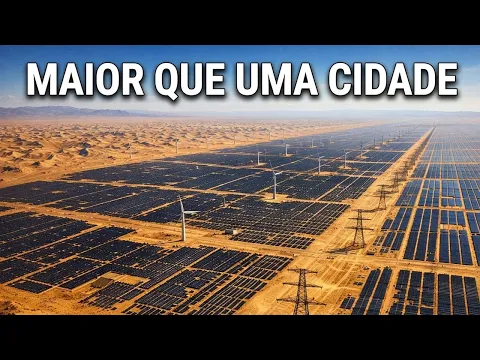
Regional inequality still challenges the global energy transition
Despite the significant growth, IRENA warns about the concentration of renewable energy expansion. Asia leads by a wide margin, while other regions are still advancing more slowly.
Central America and the Caribbean, for example, recorded only 21 GW of total capacity in 2025. Africa showed a growth of 15.9%, adding 11.3 GW, driven by countries like Ethiopia, South Africa, and Egypt.
The Middle East also stood out, with a growth of 28.9%, led by Saudi Arabia.
This inequality shows that the energy transition still faces significant challenges. The lack of investments, infrastructure, and adequate public policies limits progress in various regions. Expanding access to renewable energy is essential to ensure more balanced and sustainable development.
Geopolitical pressures accelerate renewable energy adoption
The international scenario has played an important role in accelerating the energy transition. Conflicts and instabilities have increased concerns about supply security and energy costs.
The rise in oil prices, with a strong monthly increase recently recorded, reinforces the need for diversification of the energy matrix. Countries dependent on fossil fuels suffer more from these fluctuations.
In this context, renewable energy emerges as a strategic solution. According to IRENA, more decentralized energy systems are more resilient and less vulnerable to external shocks. Asia, once again, stands out by anticipating this trend and consistently investing in the energy transition.
What the data reveals about the future of global energy
The data presented by IRENA shows that renewable energy will continue to be a protagonist in the coming years. The trend is for accelerated growth, driven by technology, public policies, and the need for decarbonization.
For the energy transition to advance in a balanced manner, some points will be essential:
- Increased investments in developing countries
- Expansion of electrical infrastructure
- Integration of storage systems
- Modernization of energy networks
Asia is expected to maintain its leadership, but the global challenge will be to ensure that other regions also keep pace with this rhythm.
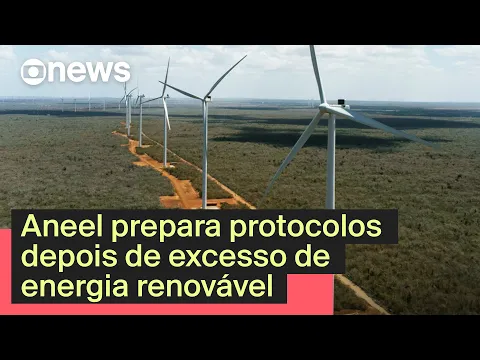
An irreversible path to economy, sustainability, and energy security
The advancement of renewable energy in 2025 confirms a profound transformation in the global energy sector. The numbers presented by IRENA show that the energy transition is already underway and is likely to intensify in the coming years.
The leadership of Asia highlights how strategic planning, investments, and innovation can accelerate this process. At the same time, it emphasizes the need for greater balance between regions.
More than just an environmental agenda, renewable energy is consolidating itself as an economic and geopolitical pillar. Countries investing in this direction not only reduce emissions but also strengthen their energy security and competitiveness.
In light of this scenario, the energy transition ceases to be a choice and becomes a necessity for the sustainable future of the planet.







Seja o primeiro a reagir!