





 Portuguese
  English
  Spanish
  5 min of reading
  0 comments


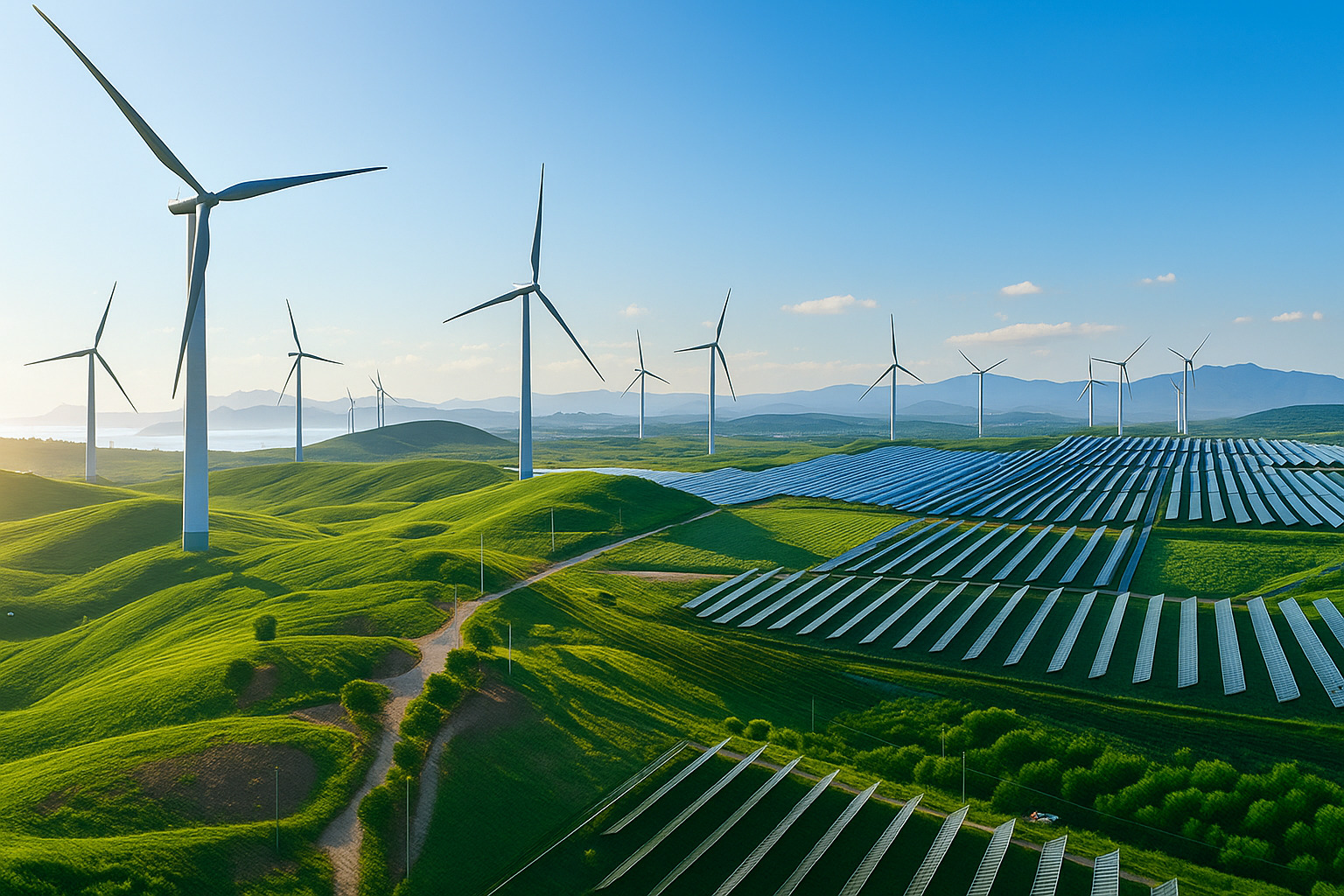
Discover How Clean Sources Must Surpass Coal and Become the Largest Source of Electricity in the World, Changing the Global Energy Landscape Forever by 2026.
Since the Industrial Revolution, electricity has always been linked to the use of fossil sources, such as coal, oil, and natural gas. However, these sources have caused environmental damage that now pressures governments and society to seek alternatives.
For this reason, the energy transition has become a global necessity.
Currently, according to the International Energy Agency (IEA), the world is approaching a turning point. According to the latest data, renewable energy sources are expected to become the largest source of electricity in the world by 2026.
-
Researchers discover a possible hydrogen deposit of up to 46 million tons beneath an ancient coal basin, and the volume could exceed half of the entire global production.

-
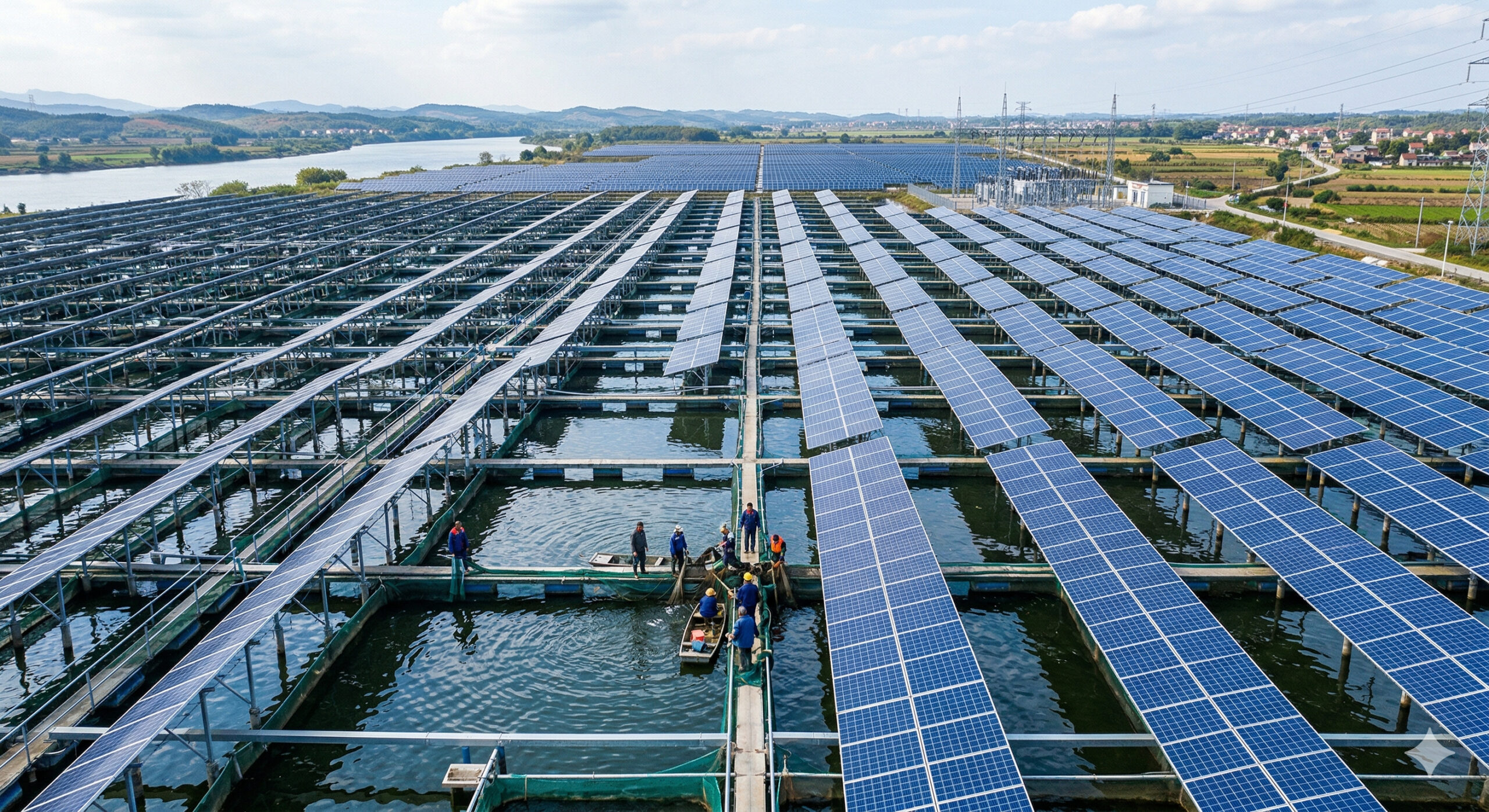
China bets on the Fishery-PV model and transforms fish farms into giant solar plants, covering ponds with panels that generate energy while utilizing the same space for large-scale aquaculture production.
-
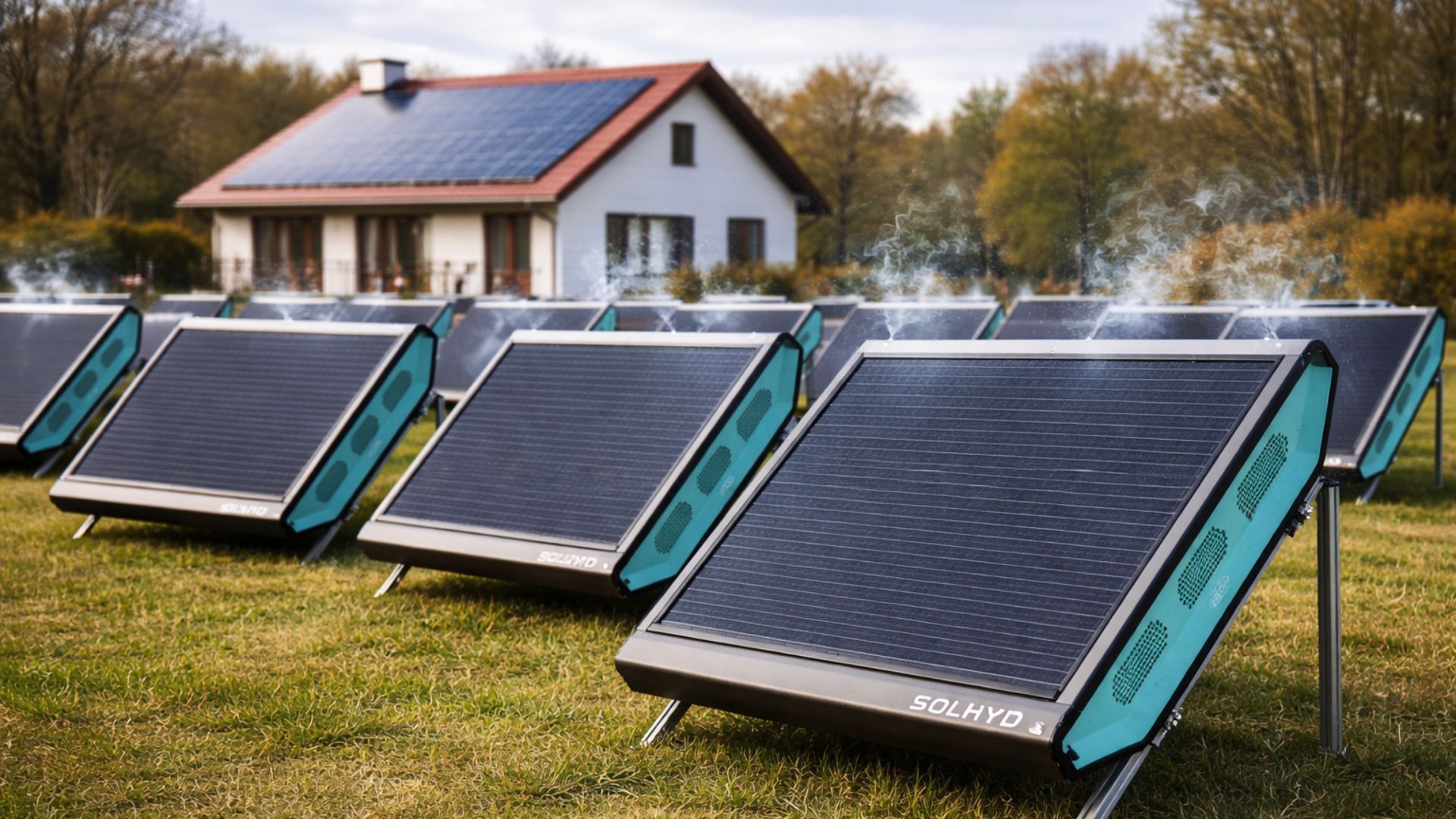
Green hydrogen at home: Belgium launches new technology that makes solar panels produce fuel from the moisture in the air, which could boost the energy transition.
-
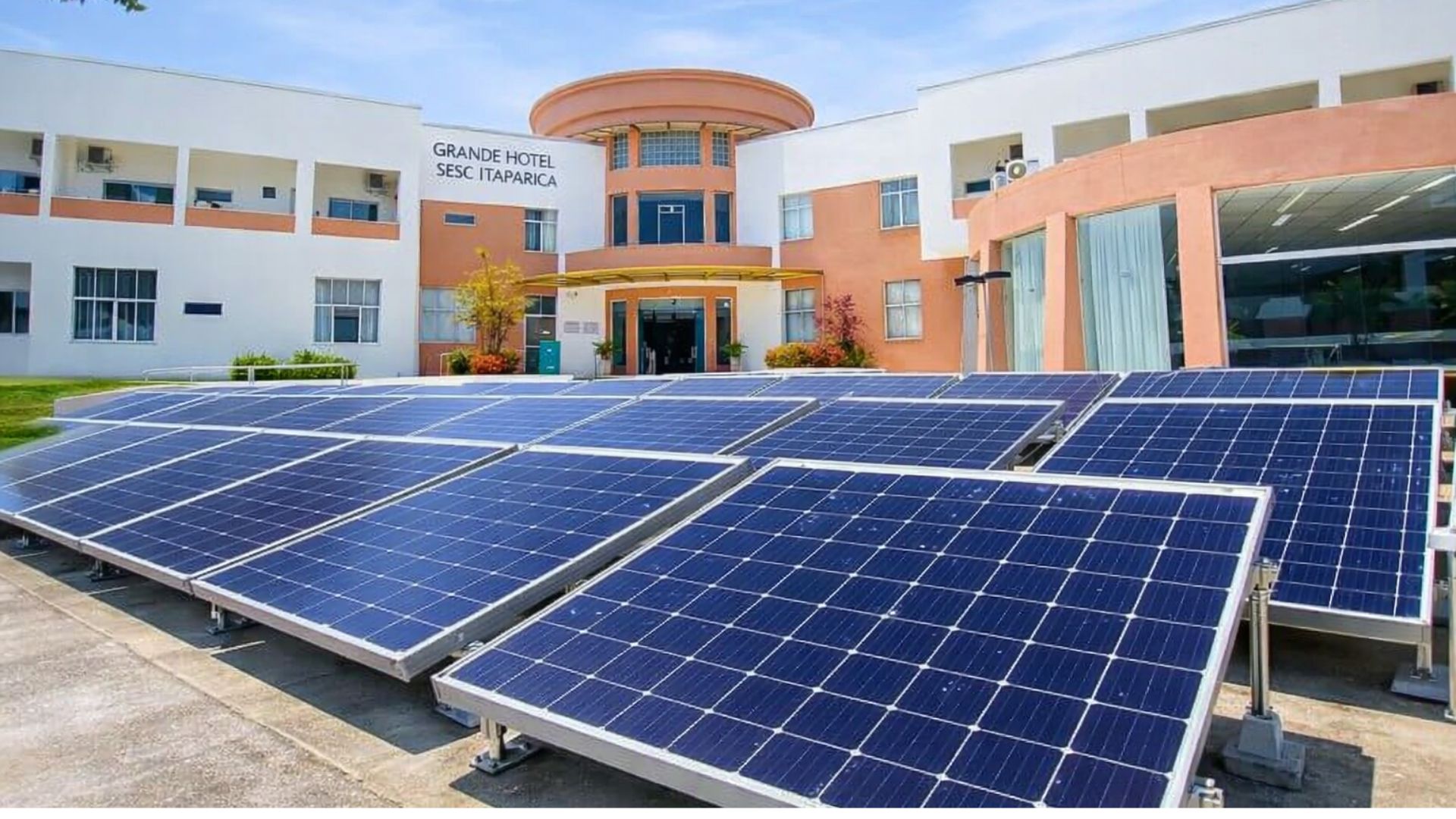
Sesc-BA bets on renewable energy with the support of EDP and drives the energy transition with a direct impact on cost reduction and the sustainability of its operations in Bahia.

This is happening because the growth of these sources is occurring rapidly and sustainably, especially in the last two decades.
Moreover, this advance is happening in direct response to climate change, which is already impacting daily life in various regions of the planet. For this reason, the replacement of fossil fuels with clean sources appears as the most viable path, both environmentally and economically.
The Accelerated Advancement of Solar and Wind Sources
First of all, solar and wind energy are standing out as the protagonists of this transformation. This is because, in addition to not emitting greenhouse gases, these sources have become increasingly economically accessible.
As a result, the entire world has started to invest heavily in their installation.
At the same time, the costs of solar panels and wind turbines have decreased drastically. Thus, many countries have found in them the ideal solution to expand electricity generation sustainably.
According to the IEA, by 2025, these sources are expected to account for 90% of the growth in global electricity demand.
Therefore, it can be stated that the combination of technology and climate urgency drives this advancement. In 2024, for example, global production from solar and wind sources had already surpassed 4,000 TWh.
Subsequently, the projection for 2025 is 5,000 TWh and soon after, 6,000 TWh in 2026.
Not only that, but also renewable generation drives entire production chains, from the mining of materials to the installation of systems. In this way, green jobs are multiplying, contributing to the economy in concrete ways.
Alternative Sources: Natural Gas and Nuclear Energy
Although renewables are growing rapidly, other sources continue to play a complementary role. In particular, natural gas has been adopted as a transition between traditional models and the renewable future.
Even though it is still fossil, it emits less CO₂ than coal and, therefore, represents a relative advancement.
Additionally, in times of climate stress, such as droughts or heatwaves, natural gas ensures stability to the system. This is due to its flexibility and the ability to quickly meet demand spikes.
Another important point is the resurgence of nuclear energy, which is once again being considered a viable solution to reduce emissions without compromising energy supply. Countries like Japan, France, and China are planning to reactivate or build new plants.
With this, it is expected that, by 2026, this source will generate over 3,000 TWh.
Therefore, although there are controversies, nuclear energy can be an ally in decarbonization, especially in contexts where renewable sources cannot ensure total stability.
Electricity Demand and the Role of Decarbonization
On the other hand, global electricity demand continues to grow. Several factors contribute to this scenario, such as increased use of air conditioning, the digitalization of industries, and the expansion of data centers.
In light of this, it is essential to ensure that this growth occurs cleanly.
The IEA estimates that demand will rise by 3.3% in 2025 and 3.7% in 2026. Thus, maintaining energy generation based on polluting sources becomes increasingly unsustainable.
For this reason, decarbonization is not just an option — it is a requirement for the future of the planet.
In this sense, CO₂ emissions are expected to stabilize in 2025 and begin to fall from 2026. This means that even with increased consumption, clean sources have the capacity to compensate for the environmental impact.
This is encouraging data, as it shows that the chosen path can yield concrete results in the short term.
However, for this trend to continue, it will be necessary to adopt effective public policies and continue investing in innovation. Only then can the change be consolidated in a lasting way.
China, Brazil, and the Role of Emerging Countries
While some developed countries accelerate their transitions, other emerging ones are also taking on a relevant role in this process. China, for example, despite still leading in coal use, is also the country that installs the most solar and wind energy in the world.
For this reason, its decisions are closely watched.
Brazil, on the other hand, already has a predominantly renewable matrix. Still, the advancement of distributed solar energy and wind energy in the Northeast shows that there is still much room for growth.
This means that even in countries with a tradition in hydroelectricity, new sources are gaining prominence.
Furthermore, various countries in Africa, Latin America, and Asia see renewables not only as an environmental solution, but also as a means of social and economic development.
The electrification of remote areas expands access to health, education, and communication.
Therefore, the energy transition is both an environmental necessity and a global opportunity for inclusion and progress.
Largest Source of Electricity in the World by 2026: The Future of Electric Energy
In summary, the world is moving towards a cleaner, more flexible, and sustainable energy matrix. If current trends continue, renewables will establish themselves as the largest source of electricity in the world by 2026, definitively surpassing coal and fossil fuels.
This advance represents not just a technical change. In fact, it symbolizes a new development model, more compatible with the planet’s limits.
In this way, the electric generation of the future will be not only more efficient but also more just and democratic.
Ultimately, the year 2026 will mark a historic moment. Clean energy will cease to be a promise and will indeed become the foundation of the global electric system.
From this milestone, the planet will be able to advance towards a more resilient, economical, and environmentally responsible model.










-

Uma pessoa reagiu a isso.