





 Portuguese
  English
  Spanish
 3 min of reading


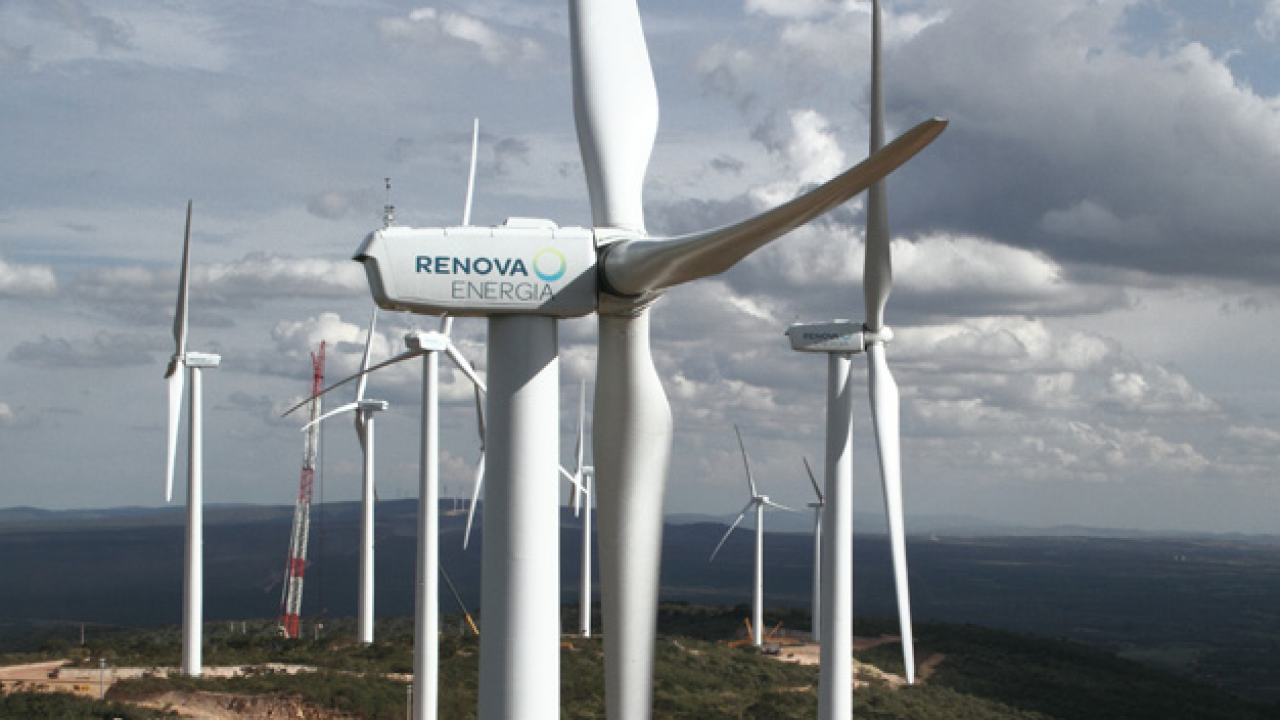
The New Wind Farm of Renova Energy in Bahia Will Have Capacity to Supply Almost 1 Million Homes
Renova Energy is trying to recover from the crisis it is in by starting operations at the Alto Sertão III wind unit in Bahia. In judicial recovery since October 2019, it was the only wind farm that remained with the company after the sale of various assets to settle debts in the market.
Also Check Out:
- CPFL Energy Opens 64 Positions for Free and Online Courses in Electrician Training in SP
- Petrobras Wins All Extraordinary Natural Gas Transport Capacity Offered by TBG in Auction and Dominates Natural Gas in the Central-South
- Rede Globo Opens Positions for Students in a New Edition of its Internship Program 2022
The wind farm will generate R$ 250 million in cash (EBITDA) per year, as it has the capacity for 432 megawatts (MW), an amount sufficient to supply almost 1 million homes. “This will be the pillar for liquidating the company’s debts,” said the company’s president, Marcelo Milliet.
In total, R$ 2.5 billion was invested in the unit, which will have 155 wind turbines and 208 kilometers of transmission lines, spread across six municipalities in Bahia (Caetité, Igaporã, Pindaí, Licínio de Almeida, Riacho de Santana, and Guanambi).
-
The Brazilian state accelerates industrial competitiveness with a focus on the extraction of strategic minerals to boost the energy transition in Goiás.

-
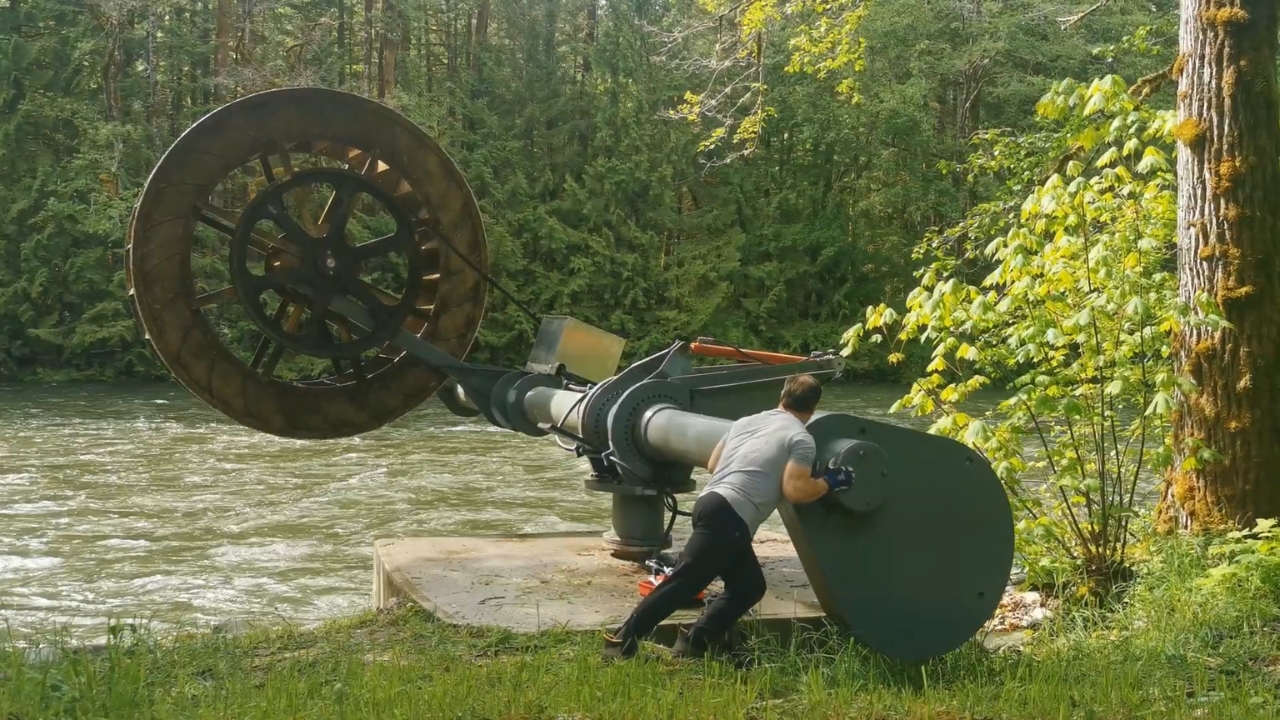
A Canadian retiree creates a hydroelectric system on a real river, generating energy continuously throughout the day and demonstrating how the power of water can supply a house with stability even in a simple structure.
-
Giant of the winds in Rio Grande do Norte: Serra do Tigre Wind Complex receives new investments and accelerates the expansion of clean energy generation to supply millions of Brazilian homes.
-
Petrobras reaffirms its commitment to the market and ensures that it will carry out the energy transition safely to maintain national sovereignty.


The tests for the wind farm began on December 12, and in the coming days, it is expected to be released for commercial operation.
The project was stalled for five years due to financial problems at Renova Energy and was resumed only in April 2021. The company was one of the first to invest in wind energy in Brazil.
Founded by entrepreneurs Ricardo Delneri and Renato Amaral in 200, during Brazil’s worst power crisis, the company launched shares on the stock market and attracted the attention of industry giants, such as Light and Cemig, which became shareholders.
After a failed partnership with the American SunEdison, which shortly after the deal entered judicial recovery in the United States, Renova Energy had to make a tight adjustment to its structure. Due to the losses caused by the contract, the partners had to inject resources into the company, and projects underwent renegotiation.
Recovery Negotiations
However, the situation became difficult, and the largest wind energy company in Brazil had to sell its main parks to settle debts. Only a few Small Hydropower Plants (PCHs) and Alto Sertão III remained, which is currently Renova Energy’s biggest bet to recover. However, this goal has involved several transactions and changes.
It was only possible to resume the construction of the wind farm after a R$ 360 million loan in the DIP (debtor-in-possession) modality – a form of financing for companies in judicial recovery. Another operation that contributed to the cash flow was the sale of Brasil PCH for R$ 1.1 billion. With the capital, part of the DIP loan and some other creditors’ payments were made, according to Marcelo.
Renova Energy also sold the Serra da Prata Hydroelectric Complex (Espra) for R$ 265 million. The negotiation still depends on regulatory authority approvals. The sales will help reduce the company’s R$ 2 billion debt, which will mature over a ten-year period.
Project Portfolio
Renova Energy has a project portfolio of 6 gigawatts (GW) of power. A portion will be sold to other investors in the segment. “Another slice will be reserved for the company,” declared the company’s president, Marcelo Melliot. He also stated that there are hybrid projects, combining wind and solar energy, to be developed, including the Alto Sertão III park. However, Renova should follow a slower pace than in the past to build new ventures. Instead of megaprojects, the company should focus on smaller wind and hybrid parks being built in smaller portions. “We have the capacity to become a major player in the market again.”






Seja o primeiro a reagir!