





 Portuguese
  English
  Spanish
 3 min of reading


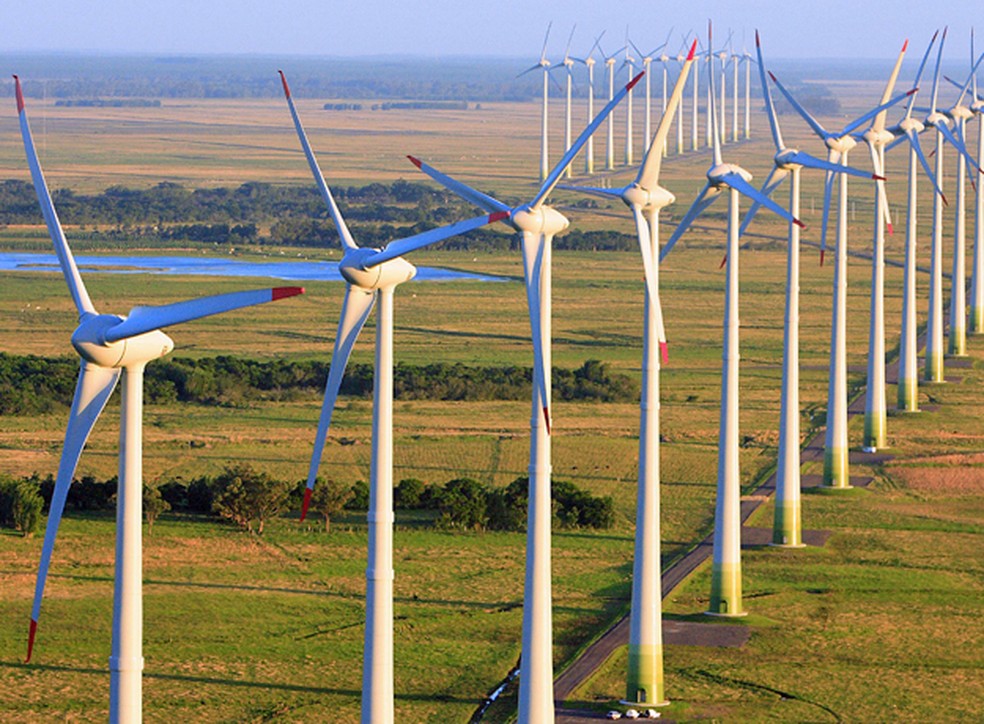
The New Wind Power Plant Will Have Capacity to Generate 239 MW of Energy and Is Expected to Start Construction in 2022.
The city of Tapes, in the state of Rio Grande do Sul, will have a wind farm with the capacity to generate 239 MW of energy and is expected to start construction in 2022. The project is by the company Brain Energy, with an investment of R$ 1.09 billion. The announcement of this news was made in the edition of last Tuesday (12), of Jornal do Comércio. Read this news as well: The First Offshore Wind Energy Tower in Ceará Will Be Built Near the Pecém Complex
- Honda Restricts Its Investments in Electric Cars to China, Leaving Brazil and the USA Out
- Renault Plans to Launch an Electric Version of the Kwid in the Country to Replace the JAC E-JS1 and Become the Cheapest Electric Car in Brazil
- Federal Government Develops Plan to Try to Curb Rising Fuel Prices and Freeze Costs
- Generation Z Has No Interest in Working in the IT Market and Brazilian Companies Seek Professionals from Other Countries to Fill Vacancies.
- New Bioxxi Factory in Recife Opens 350 Job Vacancies for Nursing Technicians, Nurses, Machine Operators, and General Services.
Details About the New Wind Power Plant
The new wind power plant is expected to be installed in the locality of Capão Alto and will have 69 wind turbines, each 114 meters tall. The planning already includes all necessary licenses, including environmental, and is in the final financial modeling phase. The wind turbines will be placed in an area of 3,000 hectares, between BR-116 and the urban area of Tapes, being cut by ERS-717.
The project for the new wind power plant in the state of Rio Grande do Sul has been under development for over five years and has faced some setbacks. This will be the first wind complex in the Costa Doce region. In Rio Grande do Sul, there are wind turbines in the Northern Coast (in Osório, Palmares do Sul, Xangri-lá, and Tramandaí), in the Metropolitan Region (Viamão), in the Southern Coast (Rio Grande, Santa Vitória do Palmar, and Chuí), and in the Western Border (in Santana do Livramento).
-
Researchers discover a possible hydrogen deposit of up to 46 million tons beneath an ancient coal basin, and the volume could exceed half of the entire global production.

-
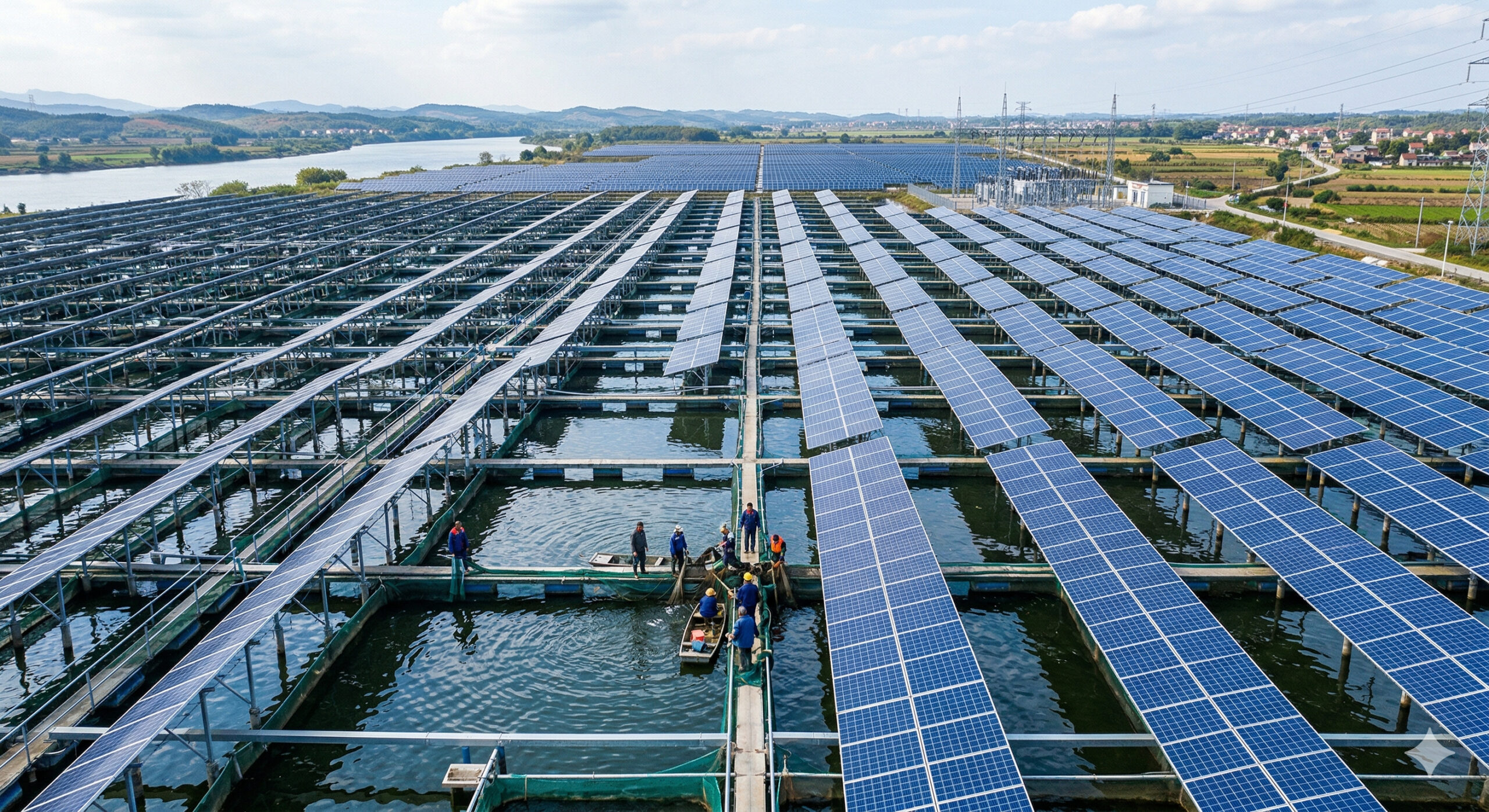
China bets on the Fishery-PV model and transforms fish farms into giant solar plants, covering ponds with panels that generate energy while utilizing the same space for large-scale aquaculture production.
-
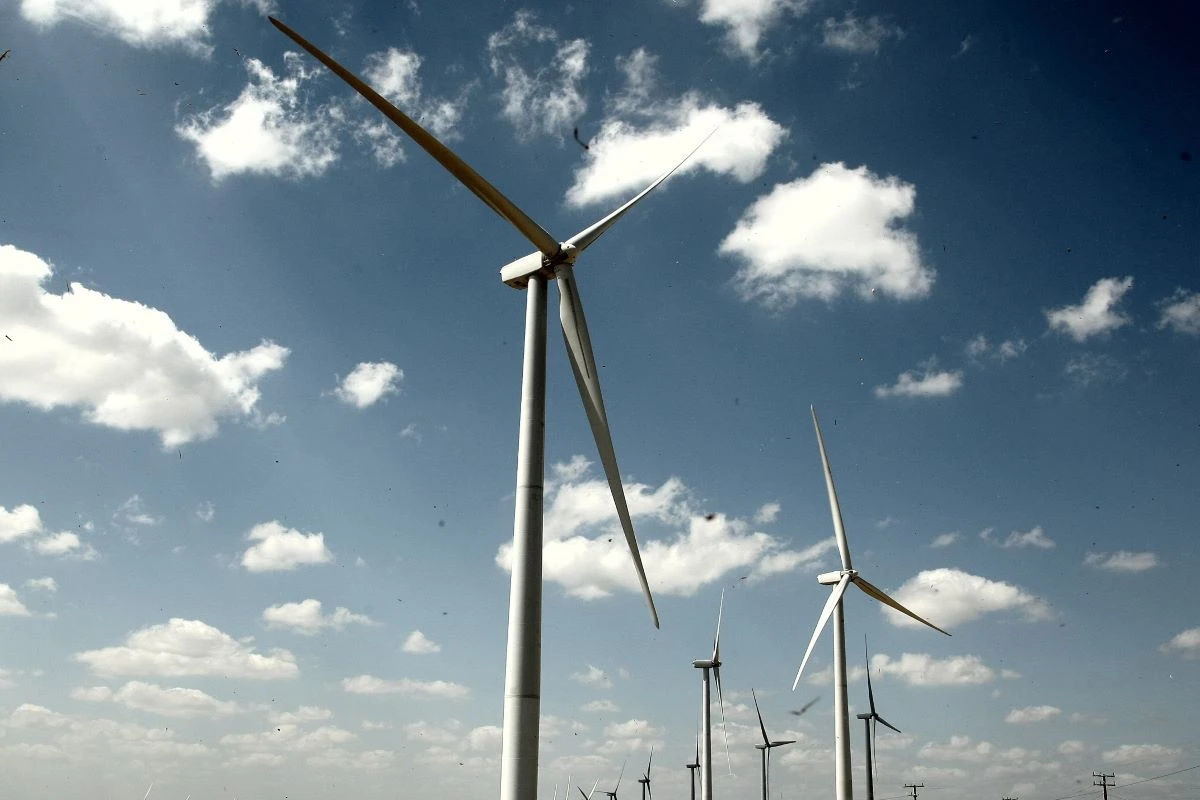
Urgent energy transition: Greenpeace advocates for massive investments and points to Brazil as a global leader in wind energy production in the coming years.
-
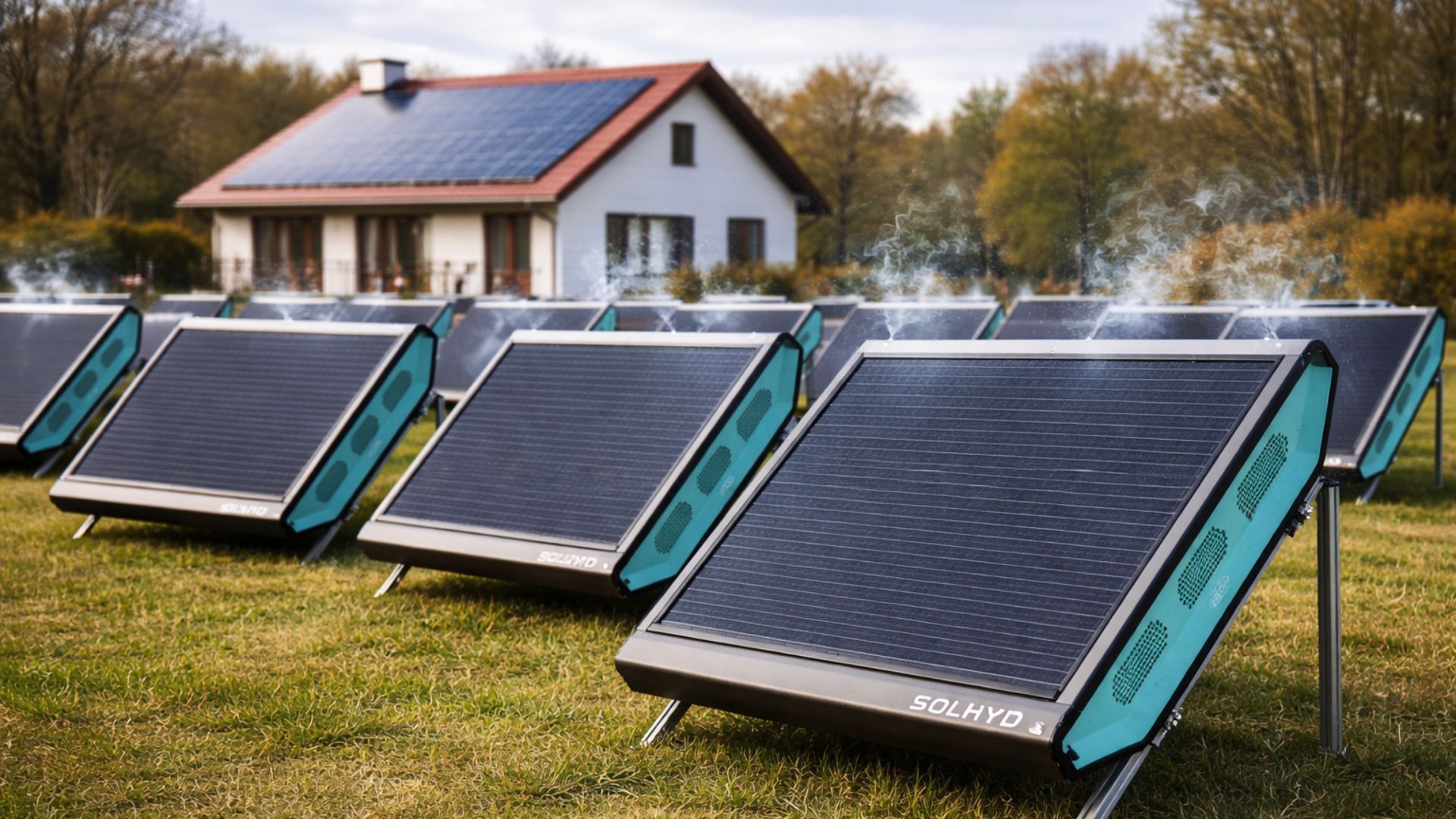
Green hydrogen at home: Belgium launches new technology that makes solar panels produce fuel from the moisture in the air, which could boost the energy transition.
Future Investments in the Park
The wind power park will be named Capão Alto and is expected to begin commercial production in 2024. According to the company, the energy produced will be sold in the free market to the private sector. Additionally, future investments are estimated at R$ 1.5 billion for a second phase with the expansion of the complex and an increase in energy production by an additional 350 MW.
Also Check This News: Federal Government Will Regulate Offshore Wind Energy Exploration by the End of the Year
The Minister of Mines and Energy, Bento Albuquerque, confirmed on Wednesday, October 6, that by the end of this year, the Federal Government will regulate the exploration of offshore wind energy. Currently, there are no defined rules regarding the entry of this source into the energy matrix, although environmental agencies such as Ibama have already been moving towards progress and have projects under review.
The state of Ceará is one of the main interested parties in this regulation from the Federal Government. Of the nearly 40 GW of production capacity in the country for offshore wind energies, almost one-third are projects to be developed on the Ceará coast. The Caucaia and Asa Branca projects, both on the Ceará coast, have the oldest evaluation processes, dating back to 2016 and 2017, respectively.
Only Ceará, based on data from the Wind and Solar Atlas, has a production potential of 117.2 GW, which exceeds the 2.8 GW of installed capacity serving the state. Brazil has 5,000 GW of potential. The minister also emphasized that the country is not expected to return to Daylight Saving Time, a measure seen as a solution to reduce energy consumption. Furthermore, the minister stated that the Government guarantees “total governance” over the water crisis and that there will be no blackouts.







Seja o primeiro a reagir!