





 English
  Francês
  Alemão
  Italiano
  Japonês
  Norueguês
  Portuguese
  Spanish
  2 min of reading


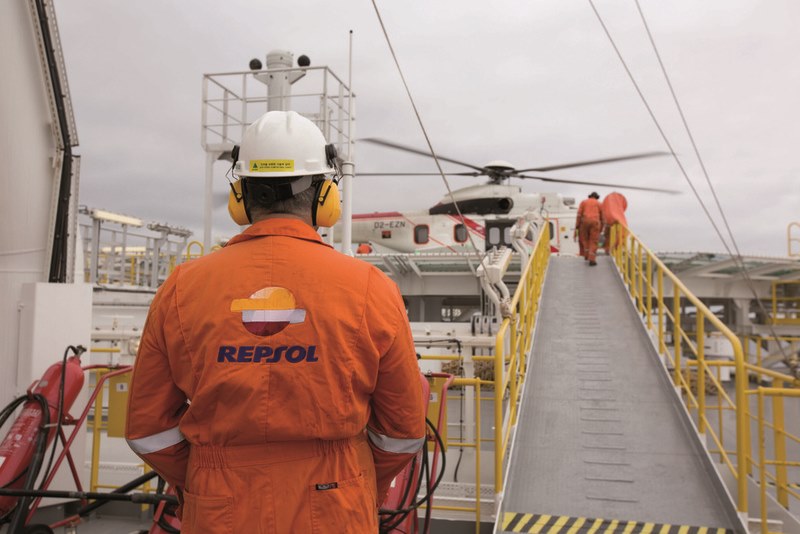
Autonomous Vessel And Drone Will Be Used For Inspection Of Offshore Equipment And Monitoring Oil Leaks In The Oceans Aiming For Faster Containment And Dispersal Measures
After The Use Of Drones In Confined Space Inspection In FPSO Tanks Using Drones, it’s now time for the environment to be thankful. Another initiative using drones among other technologies is being implemented in the offshore segment.
An innovative project is being carried out between Repsol Sinopec Brasil, in partnership with TideWise and the Federal University of Rio de Janeiro (UFRJ).
The project consists of a system that identifies oil leaks at sea, collects metoceanographic data to feed oil dispersion models, and this technology can also be applied in inspection campaigns of various offshore equipment.
-
Government unlocks R$ 554 million for a highway that has been requested for decades and accelerates the duplication of BR.
-
Without bricks, without cement, and without endless construction: the cardboard house that is assembled in modules and can be moved.

-
Billions of barrels on the equatorial margin could lead Amapá to double its oil production in Brazil — the state aims to enter the route of companies in the Campos Basin, attract investments, and boost jobs and businesses in the oil and gas sector.

-
Without bricks, without cement, and without endless construction: the cardboard house that is assembled in modules and can be moved.

The new system will help with quicker and more efficient decision-making and will operate with an autonomous unmanned aerial vehicle (UAV), a type of drone, that will send the collected leak data to an integrated center via cameras.
The quick deployment of containment and cleanup vessels, avoiding impacts on the environment, is one of the main factors of optimism regarding the project.
The prototype of the system is expected to last 18 months and to start in July 2020. The director of TideWise, Rafael Coelho, stated that: “The use of autonomous vessels is a global trend, even within the offshore industry. We are integrating two autonomous vehicles to carry out a unique task collaboratively. This technology is being explored by the most advanced research centers on the planet, and there is still no existing solution.”
The Company’s Opinion
According to Repsol Sinopec Brasil, the system was designed primarily to support emergency plans and according to its Manager of Research and Development, in addition to using the system aiming to increase the efficiency of oil leak monitoring systems and consequently decrease costs, the company intends to carry out inspections on offshore equipment using the system.







Seja o primeiro a reagir!