





 Portuguese
  English
  Spanish
  3 min of reading


Repsol Sinopec Brasil Announces New Partnership with PUCRS for the Development of a Negative Emission Technology Project Expected to be Ready by 2025.
The Repsol Sinopec Brasil announced over R$ 60 million in investments to develop negative emission technology (NET) in partnership with PUCRS. This is the first project to be installed in Brazil, featuring geological, climatic, and temperature conditions different from the technologies already created for the northern hemisphere. The project is named Direct Air Capture System Integration (DAC SI) and will be the first atmospheric carbon capture and geological storage project to be installed in South America.
Negative Emission Technology Project Promises to be Ready in 2025
The DAC SI aims to utilize DACCS technology, which consists of extracting CO₂ from the air and storing it geologically. It is worth mentioning that the project’s goal is not to reduce or minimize emissions but rather to remove the CO₂ already emitted into the atmosphere, eliminating past emissions. For the negative emission technology storage in partnership with PUCRS, the aim is to use basaltic rocks to fixate CO₂ through the mineralization process.
The estimate is that the installation and operation of a DAC unit will be completed by 2025. The negative emission technology project from Repsol Sinopec Brasil and PUCRS is part of a Repsol program that has been developing, over the past few years, a global platform of experimental initiatives focused on supporting Net Zero commitments.
-
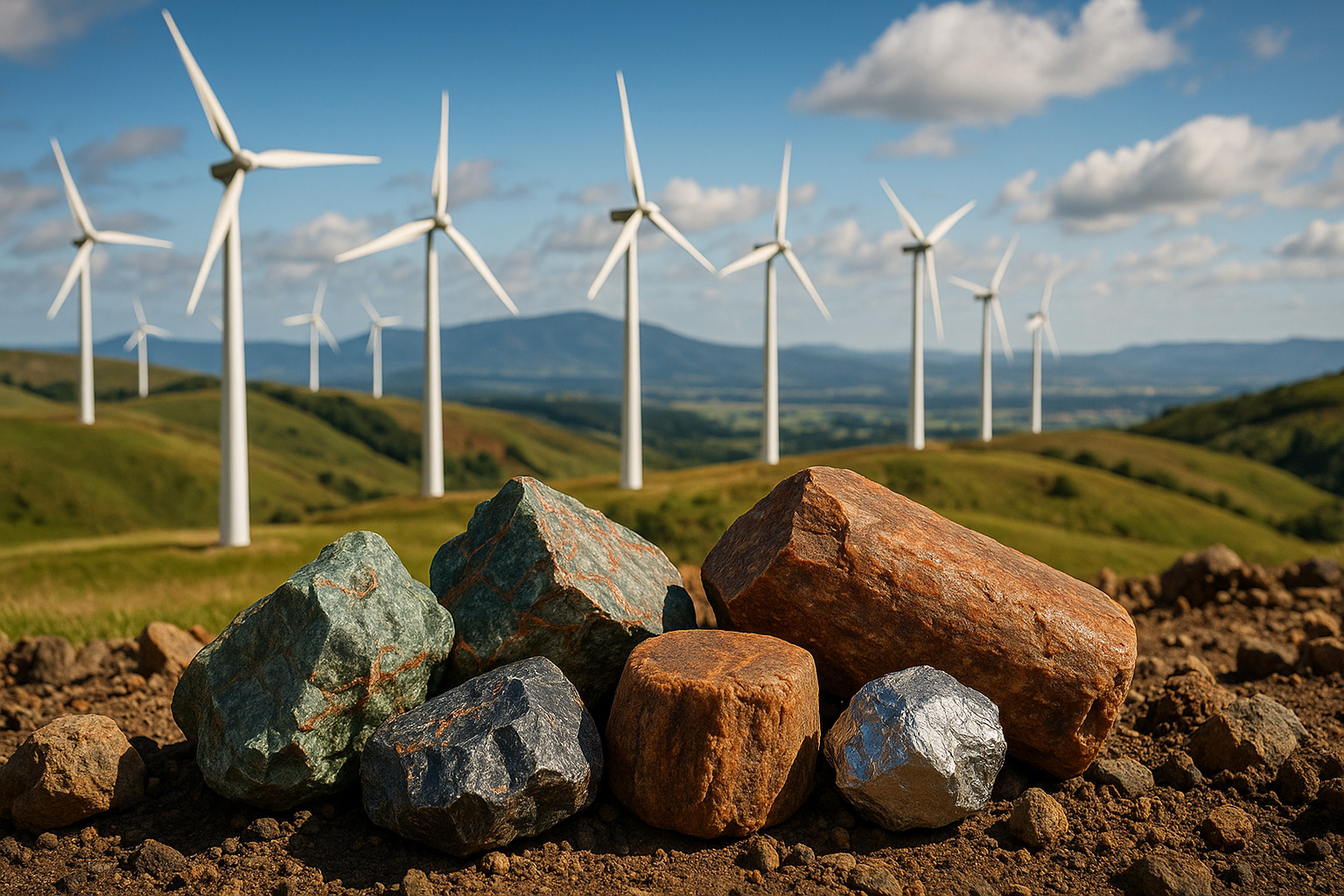
The Brazilian state accelerates industrial competitiveness with a focus on the extraction of strategic minerals to boost the energy transition in Goiás.
-
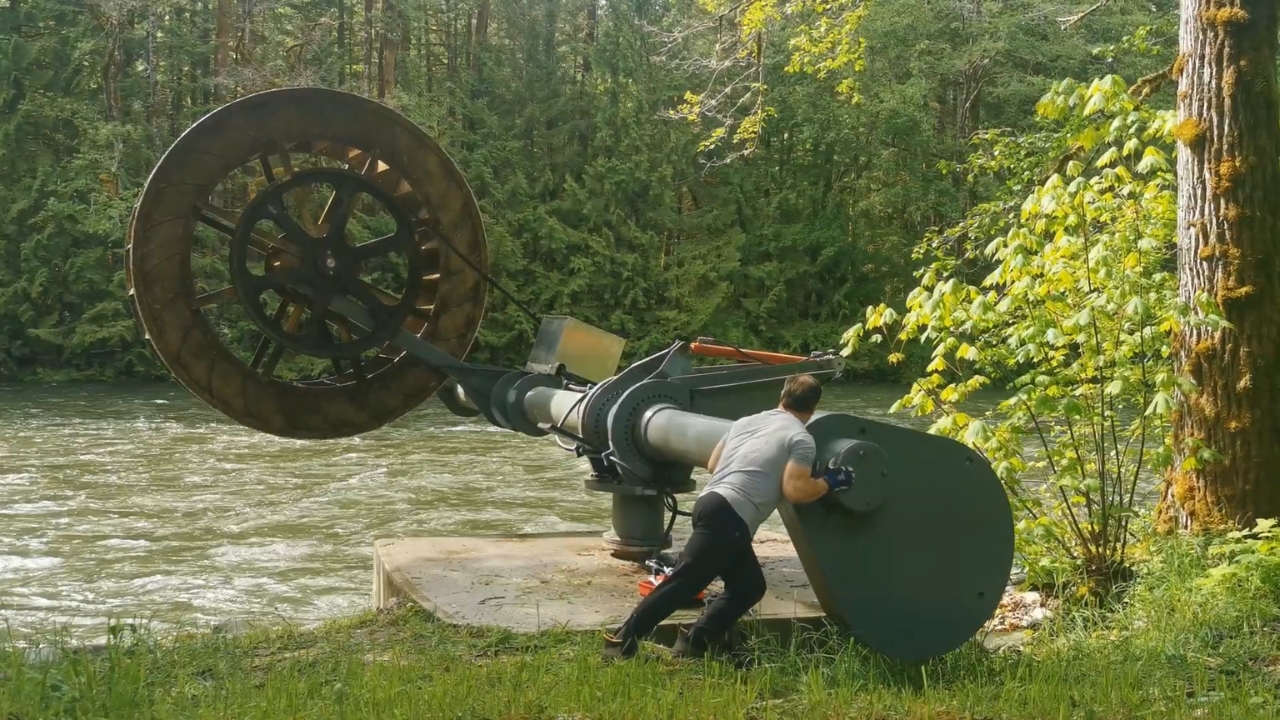
A Canadian retiree creates a hydroelectric system on a real river, generating energy continuously throughout the day and demonstrating how the power of water can supply a house with stability even in a simple structure.
-
Petrobras reaffirms its commitment to the market and ensures that it will carry out the energy transition safely to maintain national sovereignty.

-
Researchers discover a possible hydrogen deposit of up to 46 million tons beneath an ancient coal basin, and the volume could exceed half of the entire global production.


According to the R&D manager of Repsol Sinopec Brasil, José Javier Salinero, this is the most ambitious project launched by the company, both in economic terms and in the expected future impact, as part of the energy transition process.
PUCRS Has Experience in CCS Sector Projects
The first phase of the negative emission technology project is related to the purchase of necessary equipment and assessing the potential for mineralization of carbon dioxide in basalt rock from the Paraná Basin, adapting the technology to the Brazilian habitat.
The project also aims to evaluate the use of renewable energy, such as solar, for the energy supply of the DAC unit, to avoid new emissions during the removal process. The Institute of Petroleum and Natural Resources of PUCRS was chosen for the venture due to its long history of executing R&D projects in the Carbon Capture and Storage (CCS) sector, professionals with expertise in the field, and a unique infrastructure that allows for various testing stages, as well as having an open and flexible innovation model that fits the structure required for a project of this magnitude.
Repsol Sinopec Brasil Focusing on Sustainable Solutions
According to the director of the Institute of Petroleum and Natural Resources of PUCRS, Felipe Della Vecchia, being a partner of Repsol Sinopec Brasil in a large-scale project like this, which is of great social importance, is a significant pride for the entire IPR-PUCRS team.
Creating technologies that address climate change is a huge challenge for many companies; however, more than a challenge, it is an immediate necessity. This project will join the company’s R&D portfolio, which is increasingly focused on finding solutions to carbon mitigation challenges.
Repsol has been present in Brazil since 1997, being a pioneer in opening the E&P market and in exploration in the Brazilian pre-salt. Currently, it is the fourth largest oil and gas producer in Brazil, with a daily production average of around 80,000 barrels.










Seja o primeiro a reagir!