





 Portuguese
  English
  Spanish
  3 min of reading


US Researchers Developed a Gas Turbine That Can Generate Concentrated Solar Energy. In Addition to Being Smaller, the Turbines Can Be Up to 60% More Efficient Than Solar Panels
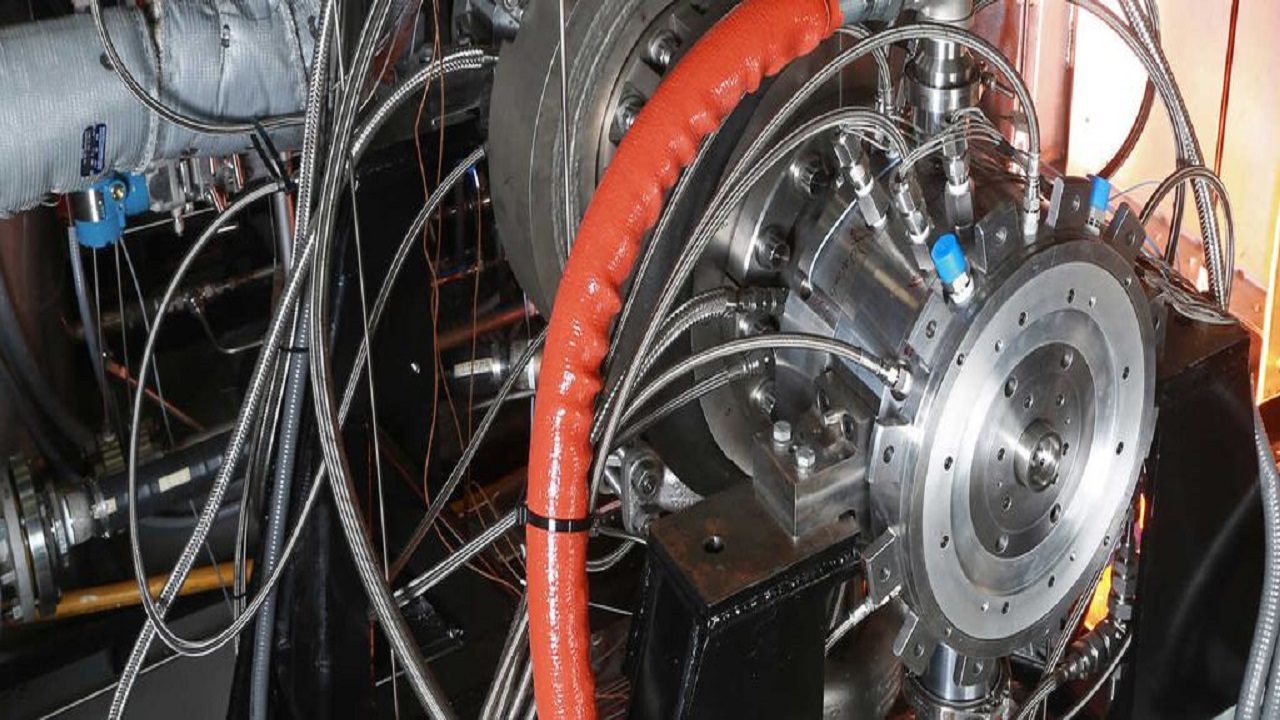
Researchers at the Southwest Research Institute (SwRI) in the United States developed a new CO2 gas turbine capable of generating concentrated solar energy. The project is part of the APOLLO program from the U.S. Department of Energy, created with the aim of improving performance and reducing costs of power plants that rely on this system. The new technology combines supercritical CO2 energy cycles with integrated thermal storage devices.
Read Other Related News
CO2 Turbines Can Generate Up to 10 MW of Power
In the initial experiments conducted by the researchers, the gas turbines, which have the capacity to generate up to 10 MW, successfully completed resistance and performance tests in closed environments.
According to one of the researchers and co-author of the study, Jason Wilkes, the use of S-CO2 can increase the efficiency of a concentrated solar power plant by up to 10 percentage points. Its high cycle efficiency also allows the turbine to occupy a much smaller space, about 1/20 the size of a regular gas turbine, making it possible to install it in any environment.
-
The Brazilian state accelerates industrial competitiveness with a focus on the extraction of strategic minerals to boost the energy transition in Goiás.

-
Seagri’s headquarters invests in solar energy with Neoenergia Coelba and promises to cut electricity costs, highlighting a strategic advance in sustainability and energy efficiency within state public administration.

-
A Canadian retiree creates a hydroelectric system on a real river, generating energy continuously throughout the day and demonstrating how the power of water can supply a house with stability even in a simple structure.

-
Solar Pyramid draws attention by converting solar energy into million-dollar savings and repositioning the City Hall of Curitiba as an example of innovation, sustainability, and intelligent use of public resources.

The term “supercritical” refers to the semi-liquid state of CO2 when it is placed at a value above the pressure and temperature limit, causing it to behave like a gas, but retain the density of a liquid. This characteristic allows gas turbines to operate with a much higher thermal efficiency.
Gas-Powered Turbine Demonstrates High Efficiency for Solar Power Plants
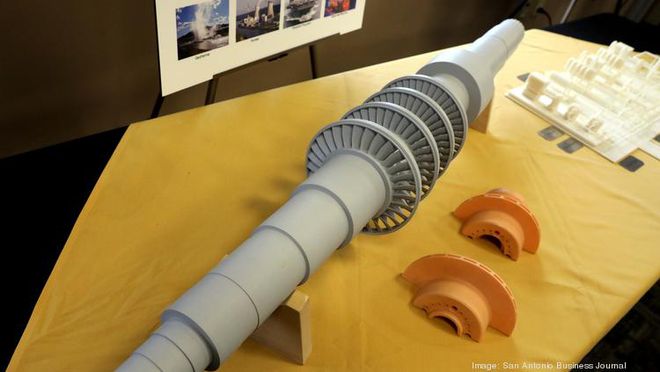
Another advantage worth highlighting is that supercritical carbon dioxide is non-toxic and not flammable, and has long been used by the industry in dry cleaning processes, low-emission refrigeration systems, and even for decaffeinating coffee.
According to Wilkes, the properties of S-CO2 fluid in this state make this material innovative and incredibly efficient in generating solar energy due to its density, low viscosity, and other favorable heat transfer properties under various conditions.
Technology Can Replace Small Thermal Power Plants
The technology created by the researchers uses special lenses or mirrors to concentrate a large amount of solar energy onto a receiver. This device transforms concentrated light into heat, extracting thermal energy to generate electricity using gas or steam turbines.
This system is capable of storing solar energy in the form of heat, which can later be converted into electricity on demand, utilizing the supercritical carbon dioxide cycles. This offers better efficiency for the supply grid and also reduces operational costs for renewable energy production.
According to Jason Wilkes, gas turbines based on the supercritical carbon dioxide power cycle occupy only a fraction of the size of common turbines and offer an efficiency that can be 30 to 60% higher compared to those currently used in natural gas-fired power plants.









Seja o primeiro a reagir!