





 Portuguese
  English
  Spanish
  3 min of reading
  0 comments


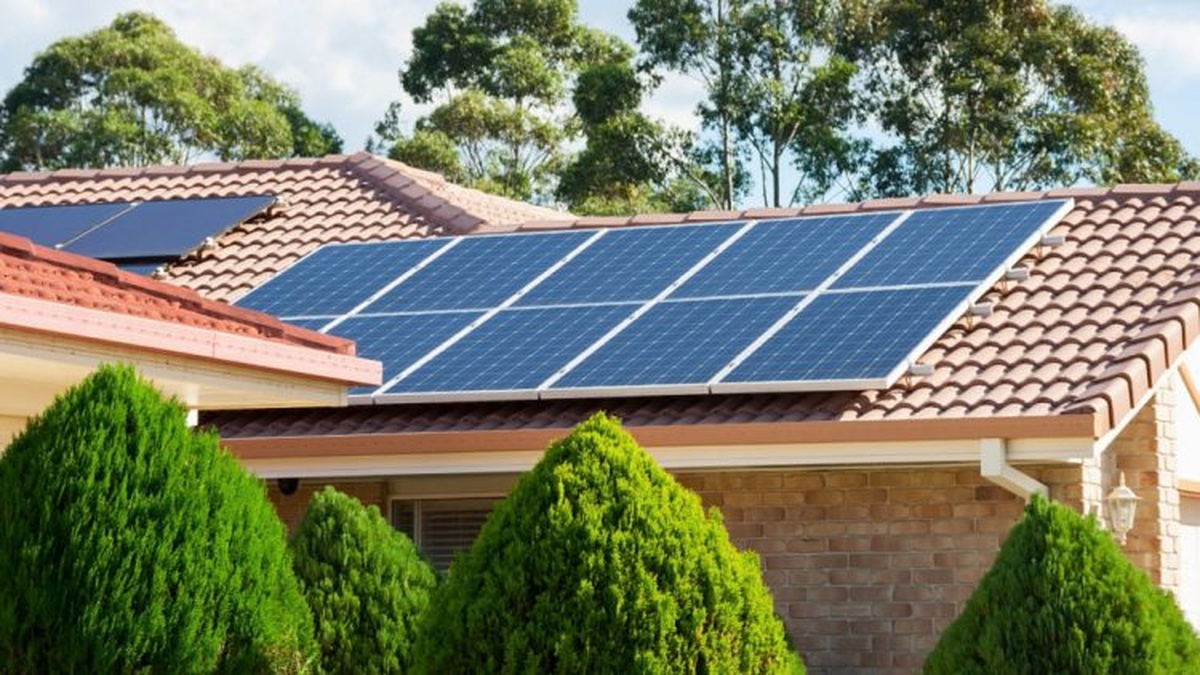
Residential Solar Energy Can Generate Savings, Add Value to Your Property, and Protect Against Increases in Electricity Bills
The installation of residential solar energy in 2025 remains an attractive alternative for those seeking savings and sustainability. Even with the recent adjustments in prices, this type of investment still offers significant financial return and contributes to the reduction of carbon emissions in the country. In 2025, the costs for installing solar energy vary according to monthly consumption, which defines the number of panels needed. The average values include panels, inverters, structures, installation, and approval with the utility company, facilitating planning. For consumption up to 250 kWh per month, 5 to 6 panels are usually used, with costs between R$ 12,000 and R$ 16,000. For up to 400 kWh, 8 to 10 panels are utilized, raising the investment to R$ 18,000 to R$ 25,000. For up to 600 kWh, it is recommended to use 12 to 15 panels, with costs between R$ 28,000 and R$ 36,000. For up to 800 kWh, 16 to 20 panels are installed, with costs ranging from R$ 38,000 to R$ 48,000. These values reflect a 5% increase over the previous quarter, although they remain, on average, 7% below the beginning of 2024.
Return on Investment Time and Lifespan of Systems
The return on investment in residential solar energy systems varies according to the region and local energy rates. On average, this payback period ranges from 4 to 6 years. Considering that the lifespan of photovoltaic systems exceeds 25 years, homeowners can enjoy savings for decades after the payback period, ensuring predictability and lower monthly expenses with electricity.
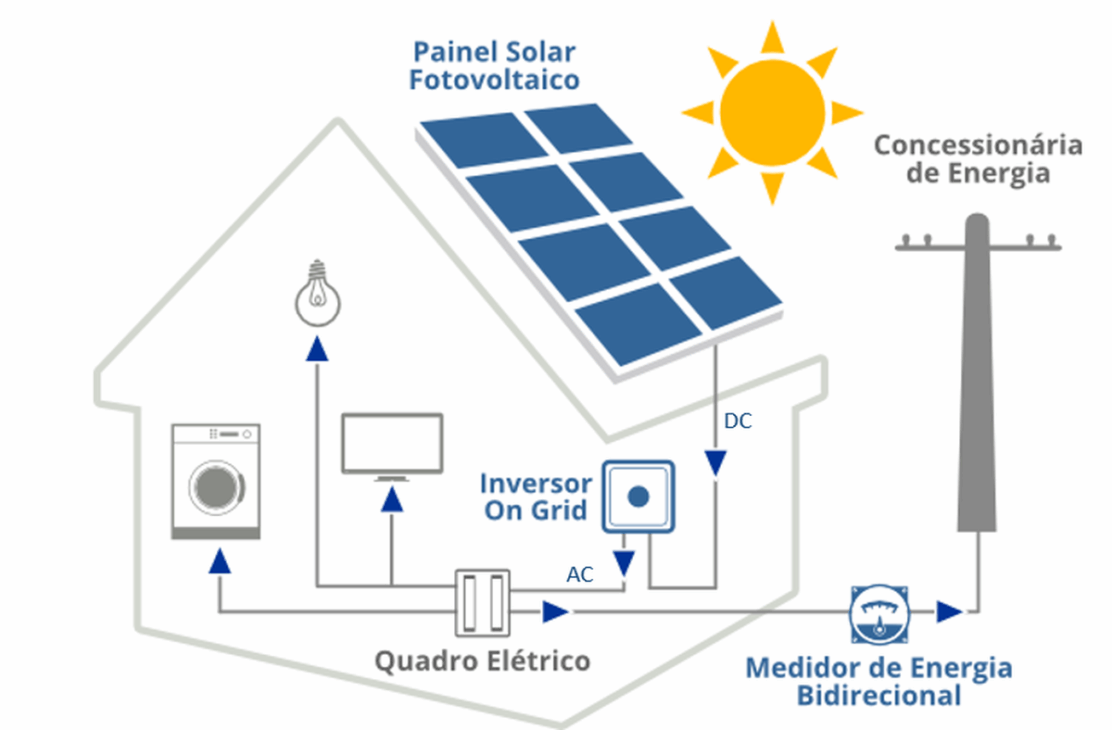
Main Benefits of Solar Energy for Homes
Investing in residential solar energy in 2025 brings various advantages that go beyond savings. The reduction of up to 95% in the electricity bill is one of the biggest attractions. Additionally, properties with installed photovoltaic systems tend to appreciate more in the market. Another important point is sustainability, as it is a source of clean and renewable energy, directly contributing to the reduction of greenhouse gas emissions. Protection against tariff increases also represents a differential, as the consumer becomes less exposed to adjustments in electricity rates. It is worth noting that the use of solar energy eliminates the impacts of tariff flags, such as the red and yellow, providing even more predictability in expenses.
-
Seagri’s headquarters invests in solar energy with Neoenergia Coelba and promises to cut electricity costs, highlighting a strategic advance in sustainability and energy efficiency within state public administration.
-
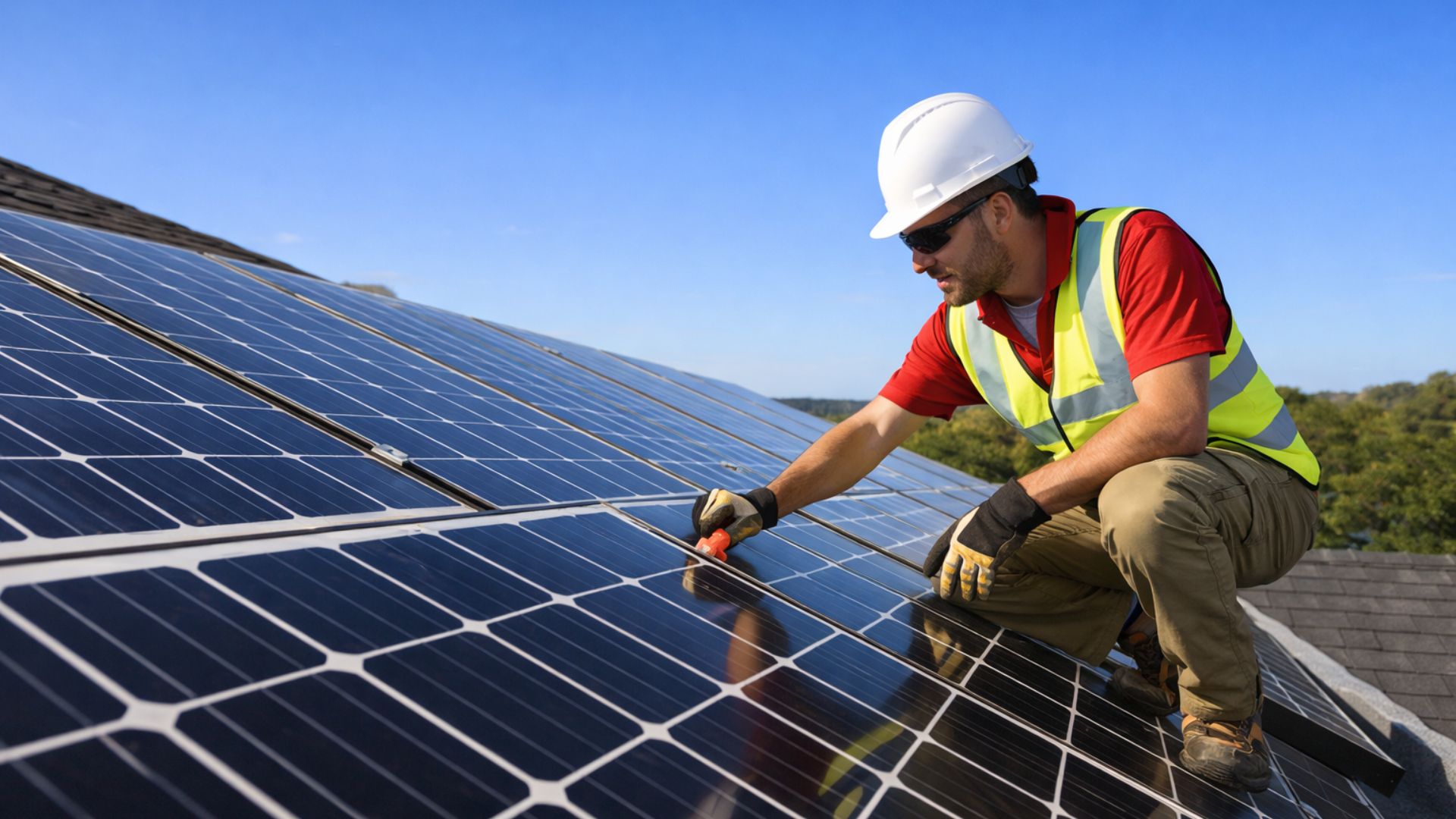
Solar Pyramid draws attention by converting solar energy into million-dollar savings and repositioning the City Hall of Curitiba as an example of innovation, sustainability, and intelligent use of public resources.
-
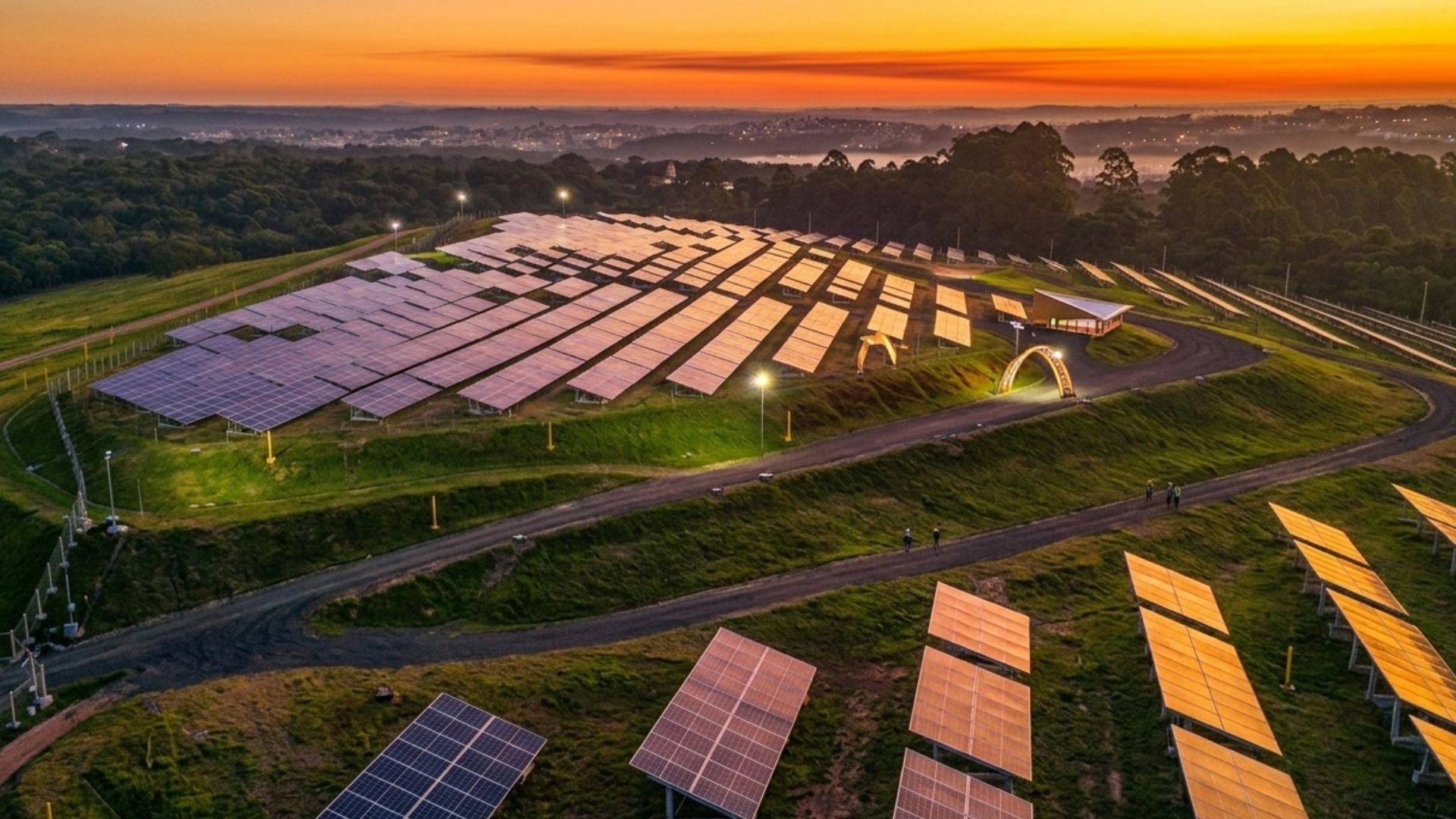
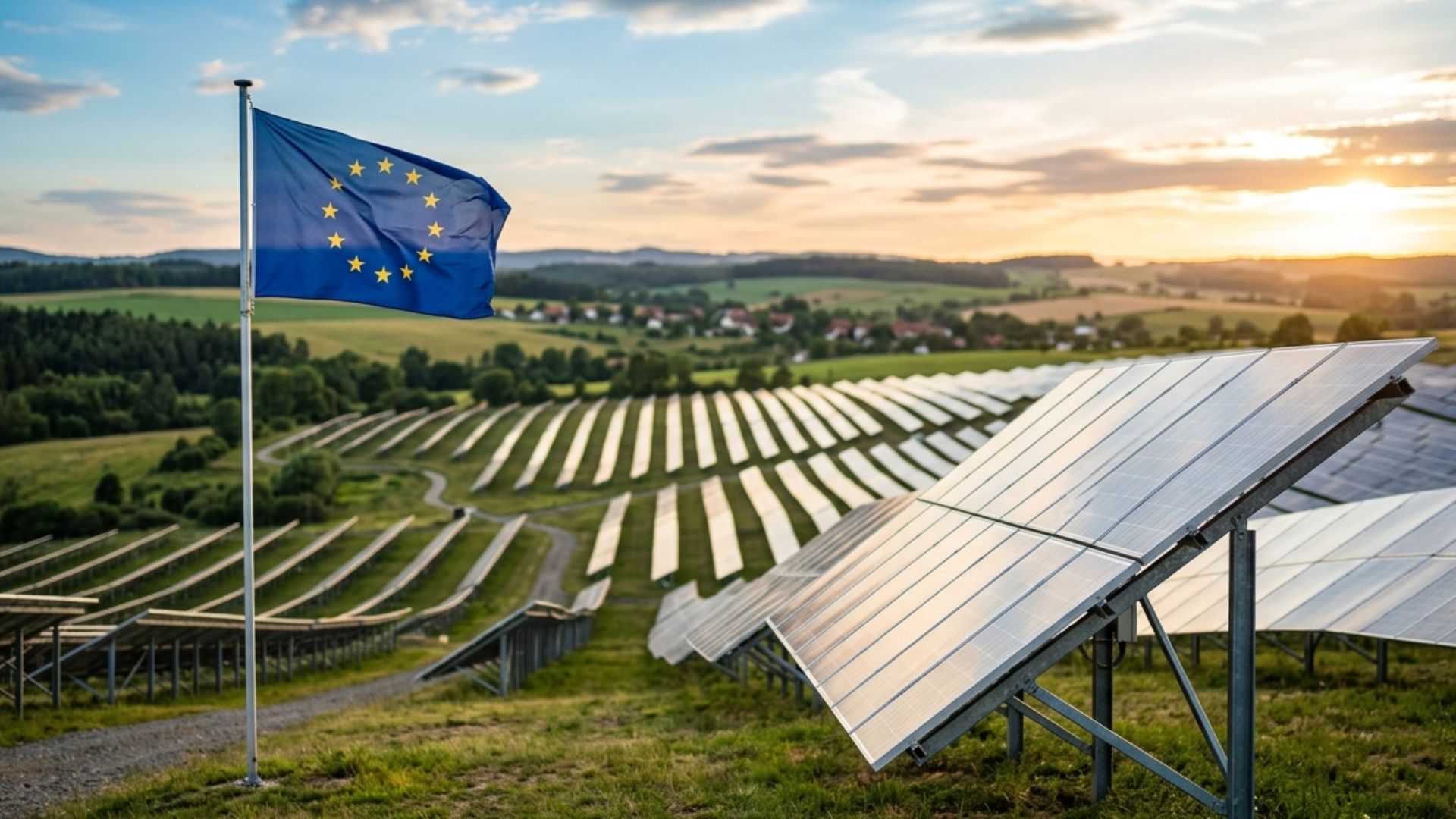
Europe records strong euro economy with solar energy in March and sparks curiosity about which country leads growth that redefines the energy market and reduces costs.
-
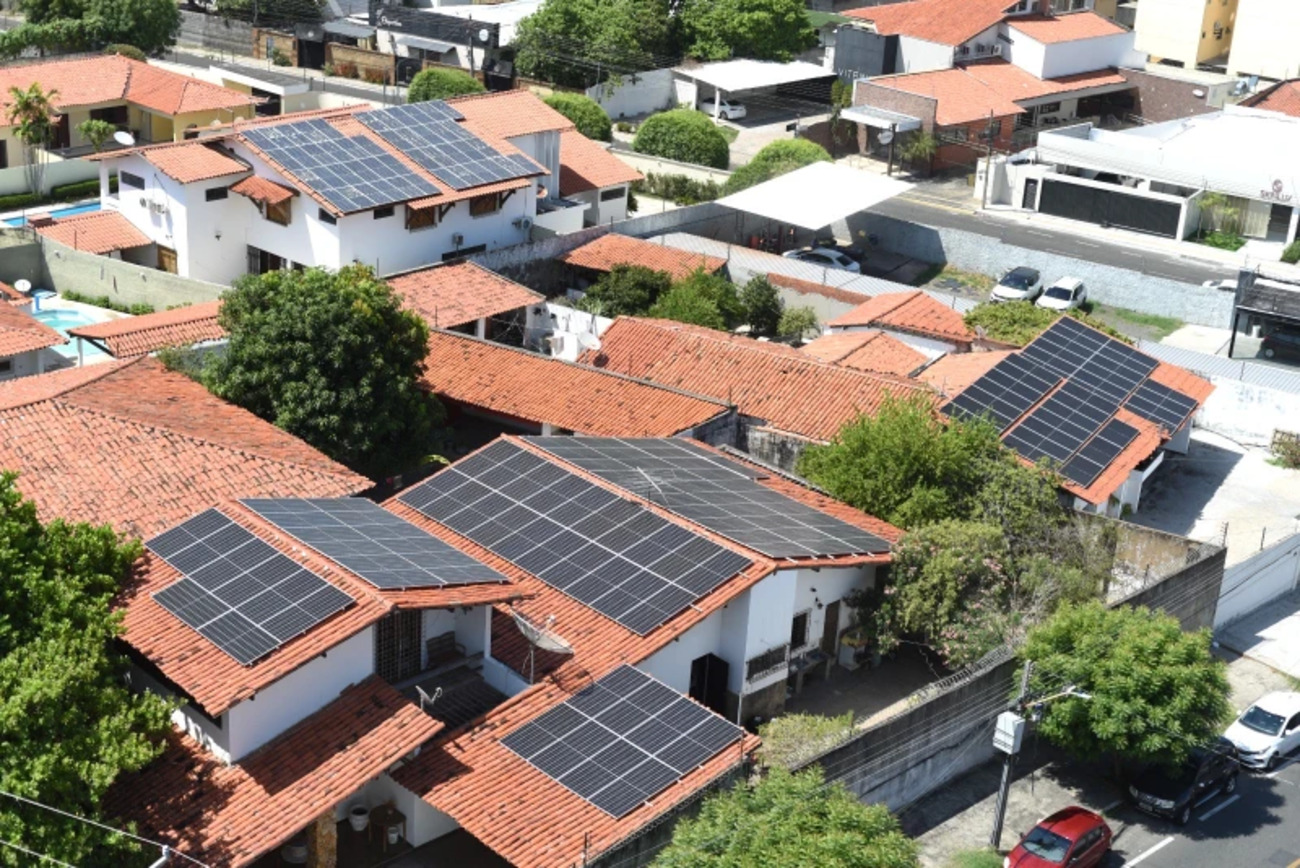
Piauí reaches a historic milestone in energy transition: State records nearly 160,000 households powered by solar energy and leads growth in the Northeast.

Important Considerations Before Installation
Despite all the benefits, it is necessary to evaluate some points before opting for the installation of a solar energy system. The initial investment, although high, can be made feasible through financing with accessible interest rates. It is also essential to verify if there is enough space on the roof to adequately accommodate the solar panels. Energy production may vary according to weather conditions, especially on cloudy or rainy days. Additionally, periodic maintenance is crucial to ensuring the optimal performance of the system, and it is recommended to carry out cleaning and annual inspections of the equipment.
Financing Options and Acquisition Models
To facilitate access to solar energy, various financial institutions offer specific lines of credit, with monthly payments that are often lower than the electricity bill. Additionally, some companies in the sector offer rental models for photovoltaic systems, an alternative for those who wish to enjoy the benefits of solar energy without incurring the initial acquisition costs. In summary, even with the recent price adjustments in 2025, residential solar energy continues to be a strategic, economical, and sustainable choice that adds value to the property and directly contributes to a future with less environmental impact.









Seja o primeiro a reagir!