





 Portuguese
  English
  Spanish
  3 min of reading
  0 comments


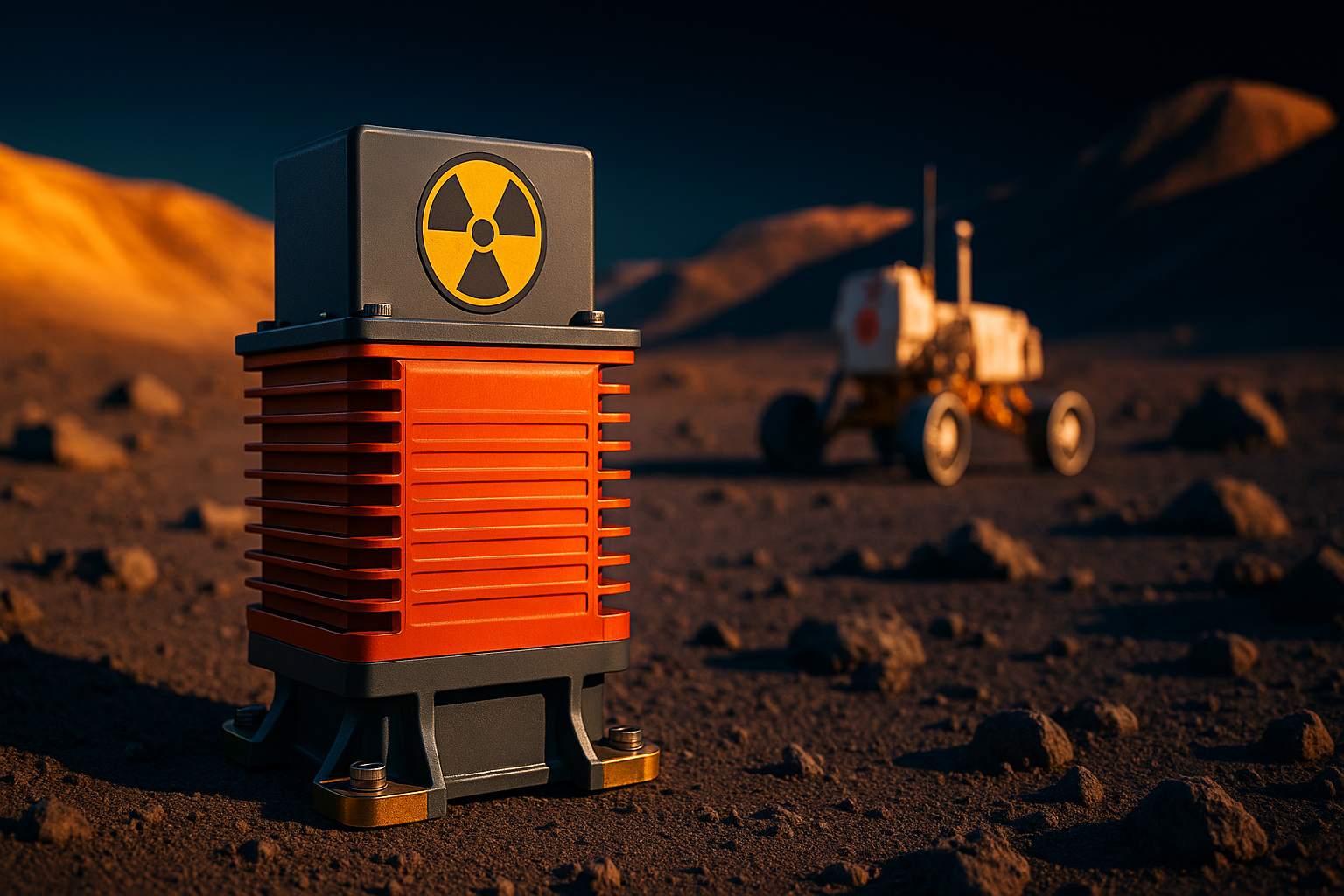
Recycled Americium-241 Ensures Long-Lasting Power for NASA’s Nuclear Batteries, Enabling Lunar Vehicles, Landers, and Infrastructure in the Artemis Program
Nuclear power is advancing as a solution to ensure long-duration space exploration. A U.S. company is about to use recycled nuclear waste to manufacture batteries capable of powering lunar vehicles and landers for NASA.
Zeno Power, based in Washington, is developing radioisotope power systems (RPS) that use americium-241 (Am-241), a long-lived isotope particularly well-suited for space.
Nuclear Power for the Artemis Program
The batteries from Zeno will provide reliable power to survive the lunar night and operate in permanently shadowed regions.
-
While the world looks at oil, the war with Iran is already disrupting helium supply from Qatar, affecting car and iPhone chips, threatening AI expansion, and putting pressure on aluminum packaging at the highest value in four years.

-
Global warming will expose a treasure hidden under the ice of Antarctica and may spark an international dispute over gold and valuable minerals.

-
A street vendor from Praia Grande built a robot made of scrap from scooters and washing machines that pulls his popcorn cart on the beach, emits sounds, and interacts with customers, becoming an attraction on the coast of São Paulo.

-
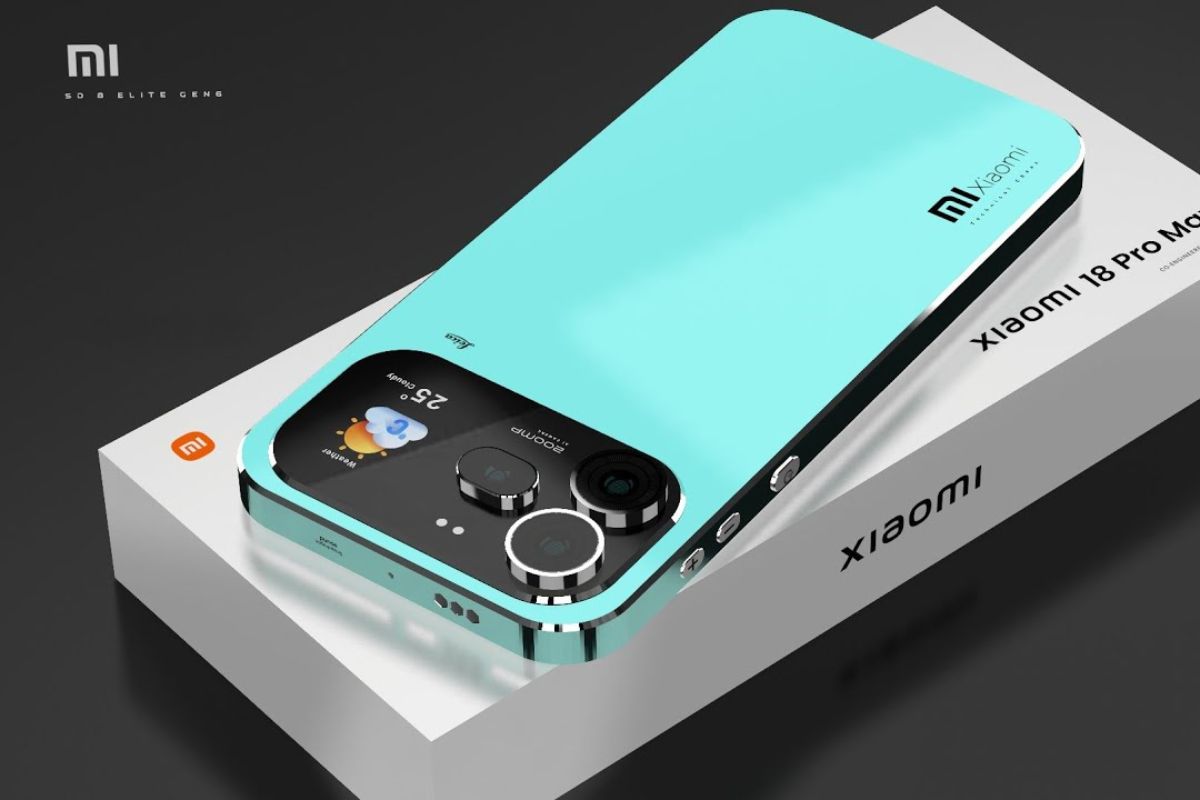
The specifications of the Xiaomi 18 Pro Max have been leaked, and the highlight is a dual 200 MP camera with a new 22-nanometer technology that promises to consume less energy and capture details in shadows and bright areas using LOFIC HDR.

These resources are vital for the Artemis program and NASA’s “Moon to Mars” initiative. According to the company, americium-241 will expand the operational capacity of vehicles and infrastructure in extreme lunar environments.
The project marks an important shift, as space power systems have so far used plutonium-238 (Pu-238). The limited supply of this fuel and the growing demand for reliable energy have accelerated the search for alternatives. In this scenario, americium emerges as a sustainable and viable supplement.
Strategic Partnership with Orano
To ensure a continuous supply of Am-241, Zeno Power has entered into a strategic agreement with Orano, a company globally recognized for the production and management of nuclear fuel cycle materials. The contract includes a multimillion-dollar investment from Zeno to gain priority access to large quantities of the isotope produced at Orano’s recycling facility in La Hague, Normandy, France.
The partnership secures a reliable and diversified supply chain. With this, Orano will utilize its expertise in recycling used nuclear fuel to recover americium-241, turning a previously discarded waste into valuable fuel for space missions.
Differentials of Americium-241
Am-241 has a half-life of over 430 years, making it ideal for systems that need to operate for decades.
It naturally forms from the decay of other isotopes present in already used nuclear fuels. This characteristic allows Orano to position itself as a global leader in the production of the material, leveraging existing recycling infrastructure.
According to Zeno, this approach enhances battery durability and offers greater autonomy for exploration missions. Tyler Bernstein, co-founder and CEO of the company, emphasized that Zeno’s multifuel strategy combines americium-241 for space missions and strontium-90 for maritime and terrestrial deployments. This diversification aims to unlock operations both in deep seas and deep space.
Value Added by Nuclear Recycling
The use of americium also underscores the importance of recycling in the nuclear sector. Corinne Spilios, Executive Vice President of Orano’s Recycling Business Unit, stated that working with Zeno demonstrates how it is possible to add value to materials previously considered waste. According to her, recovering Am-241 shows the potential to transform waste into strategic resources, enabling advanced applications such as space power systems.
This agreement represents, therefore, a paradigm shift: nuclear waste is now viewed as valuable sources for long-term missions in space, ensuring constant power in conditions where other technologies cannot operate.







Seja o primeiro a reagir!