





 Portuguese
  English
  Spanish
  4 min of reading
  2 comments


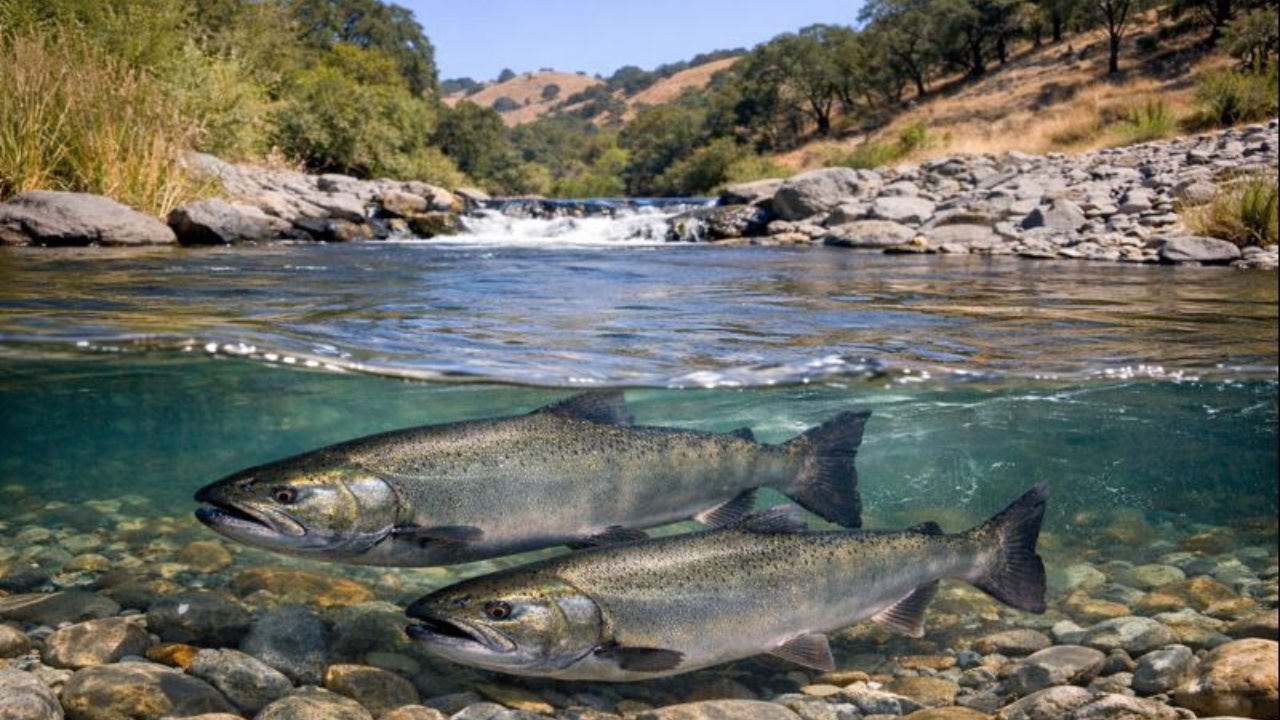


After Decades Absent, The Chinook Salmon Returns to Alameda Creek Thanks to Environmental Restoration and the Resumption of Fish Migration.
A large environmental restoration project confirmed, in November of this year, the return of the Chinook salmon to Alameda Creek in California, after nearly 70 years of absence, by removing the last artificial barrier that interrupted fish migration.
Moreover, the initiative involved environmental organizations, energy companies, and public agencies, took place in the Sunol Valley near San Francisco Bay, and represents a milestone for biodiversity in California by reconnecting essential spawning and natural circulation habitats for species.
Environmental Restoration Reconnects The Largest Tributary of San Francisco Bay
The Alameda Creek is the largest local tributary of San Francisco Bay, and for decades, its ecological dynamics have been compromised by human interventions.
-
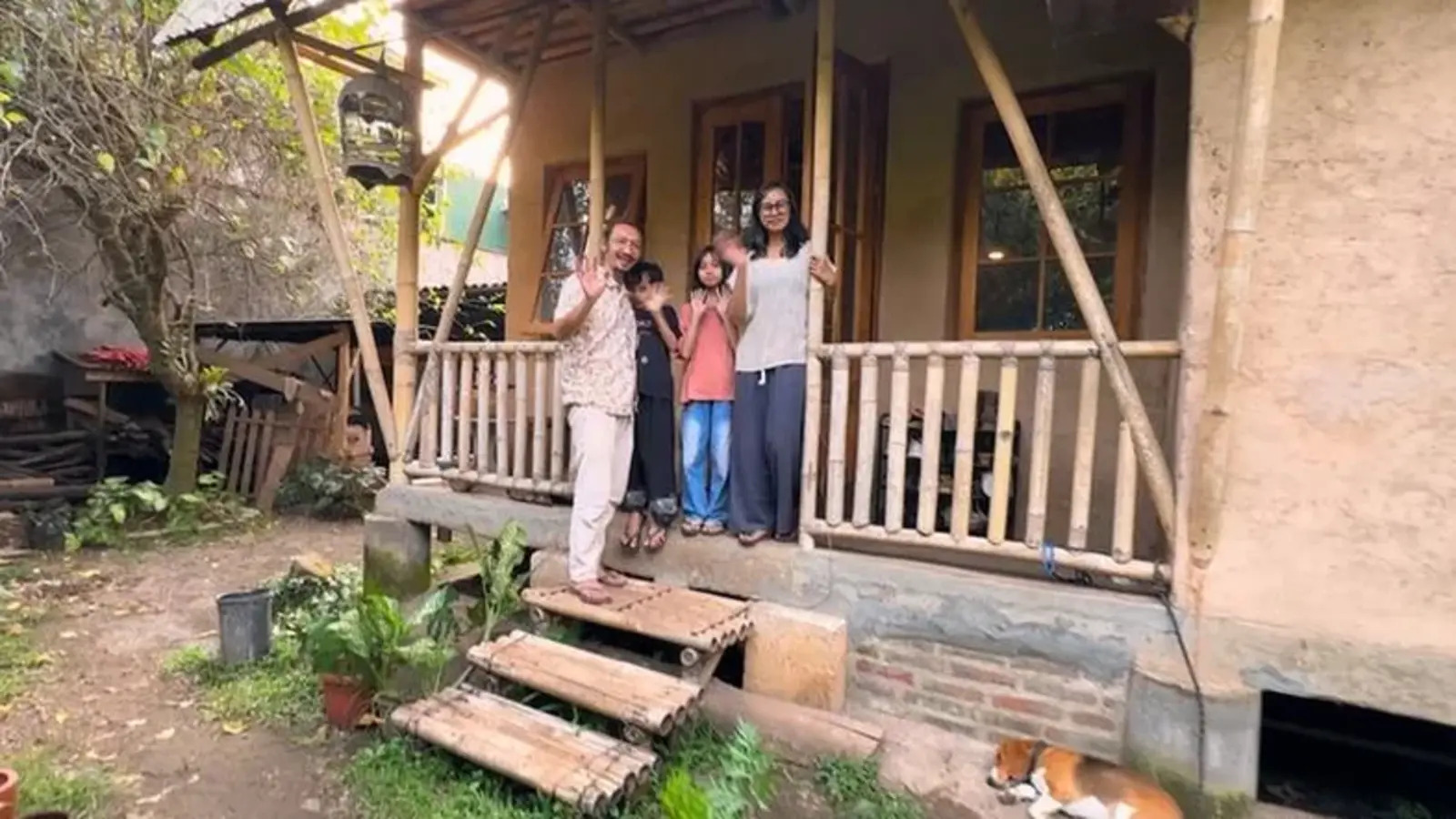
With earth, bamboo, straw, and lime mortar, a specialist builds a house for just over $460 and draws attention for its cost being much lower than traditional construction.
-
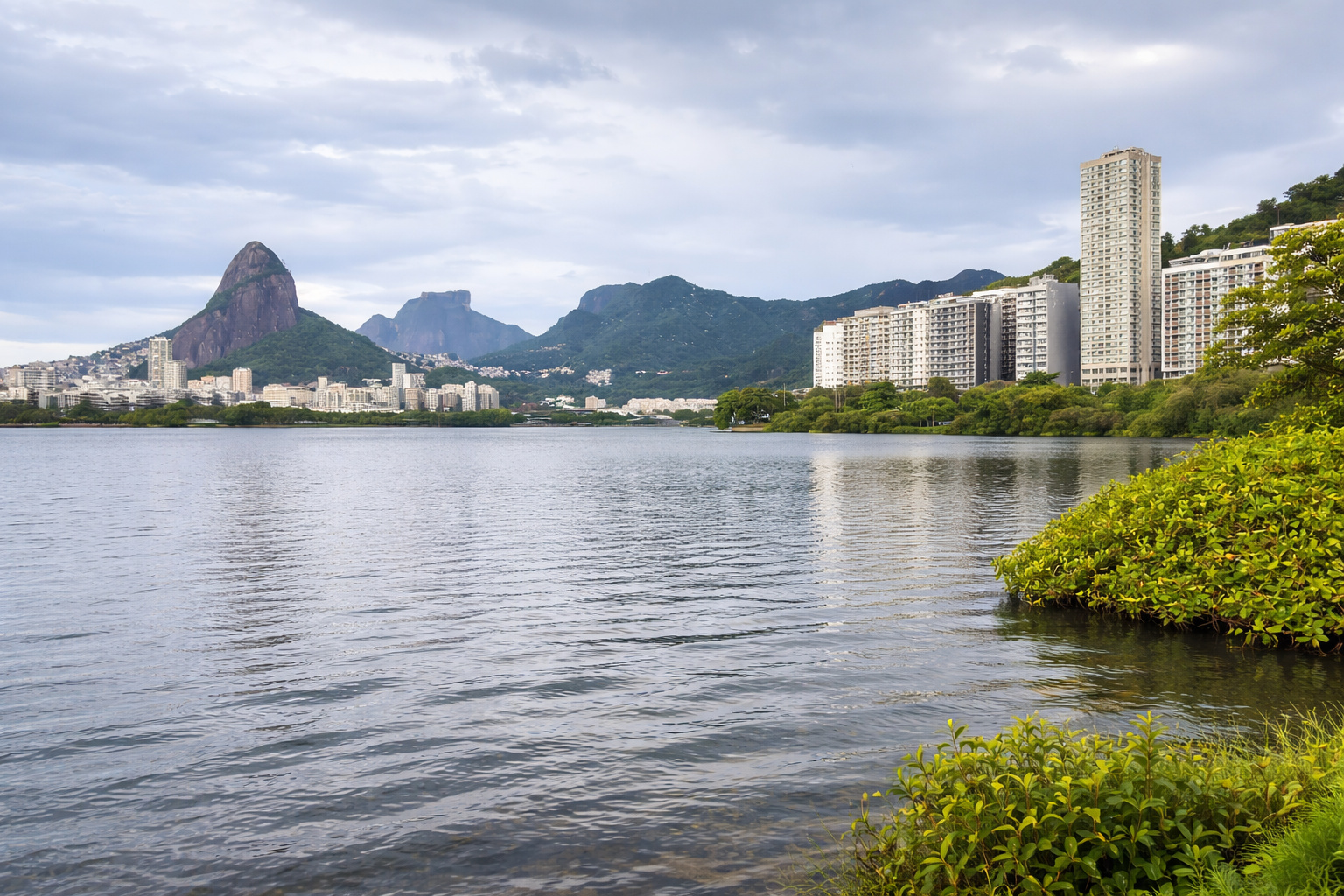
Rodrigo de Freitas Lagoon advances in environmental recovery with sanitation, elimination of irregular sewage, and the resumption of water sports in Rio de Janeiro.
-
Sustainable housing gains strength with a nationally awarded project in Campo Grande, highlighting innovative solutions that combine sustainability, urban integration, and efficiency in the use of natural resources.

-
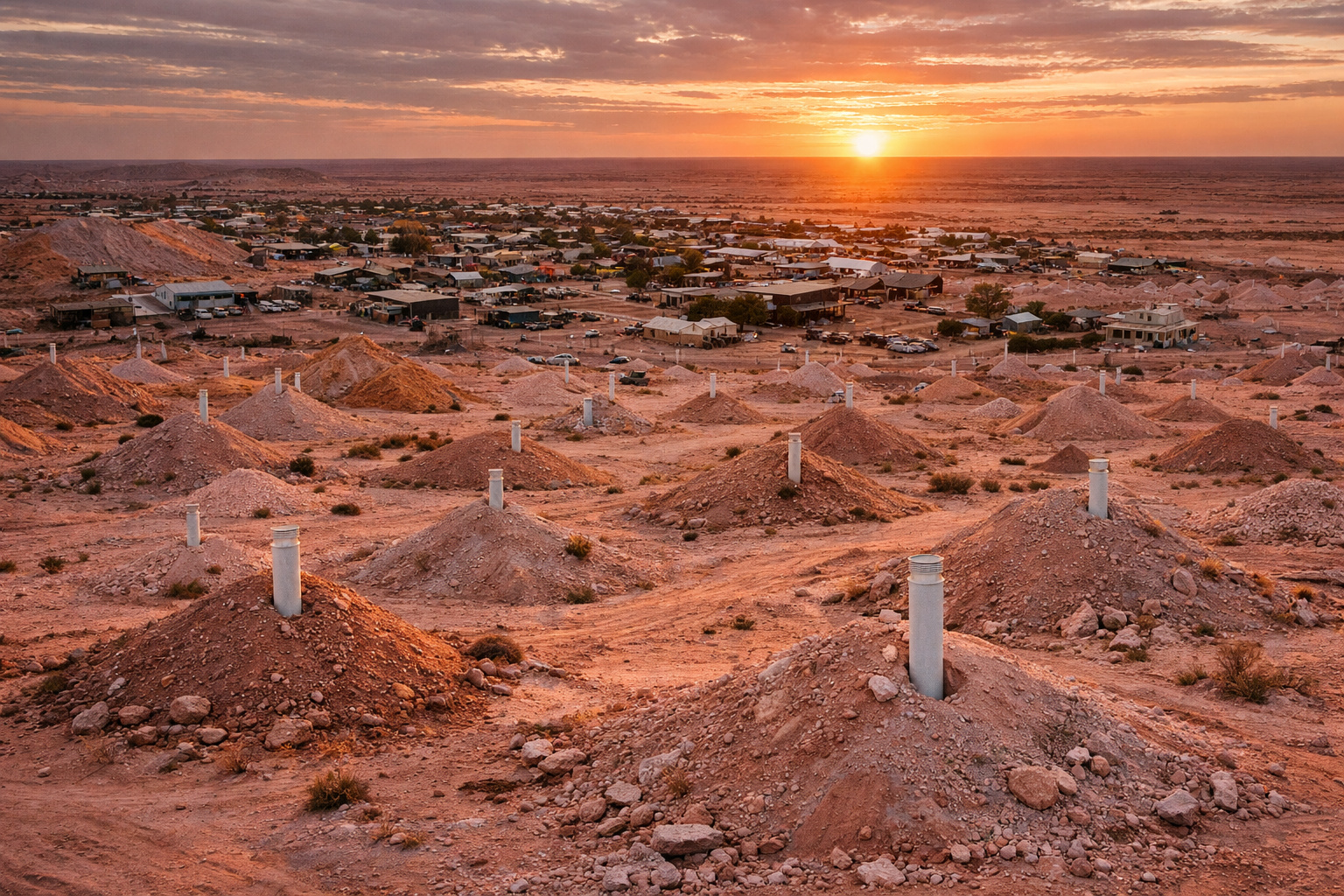
City Where Residents Live Underground to Escape 52°C May Be a Picture of the Future on an Increasingly Hot Planet

Artificial barriers installed along the watercourse prevented migratory species from accessing vital areas for reproduction.
With the completion of the multi-year project led by California Trout (CalTrout), in partnership with Pacific Gas & Electric (PG&E), more than 32 kilometers of creek have been reconnecting.
This stretch includes historical spawning areas that remained inaccessible to salmon and rainbow trout for generations.
Chinook Salmon Sighted For The First Time Since The 1950s
The results of the environmental restoration did not take long to appear.
On November 19, biologists from Sequoia Ecological Consulting observed two Chinook salmon specimens, measuring between 30 and 60 centimeters, swimming upstream from the former location of the barrier.
“Based on the best available records, this is the first time that salmon have voluntarily accessed this part of the watershed since the 1950s,” emphasized the official statement from CalTrout.
Furthermore, the sighting confirms that restoration actions have functionally restored fish migration and allow the Chinook salmon to return to its natural cycle in Alameda Creek.
Removal Of The Barrier Was Decisive For Fish Migration
The PG&E installed, decades ago, the barrier that blocked fish migration during the protection of a gas pipeline in the Sunol Valley.
Thus, a concrete mat, applied for erosion control, ended up extending to the creek bed, preventing fish passage except during periods of heavy rainfall.
With the worsening of droughts in California, environmental authorities began classifying the structure as the last major obstacle to water circulation in Alameda Creek.
To solve the problem, PG&E relocated the gas pipeline about 30 meters downstream and buried it approximately six meters deep.
Moreover, this change allowed for the complete removal of the geotextile mat, leveling of the creek bed, and replanting of native vegetation, restoring the natural conditions of the ecosystem.
Partnerships Boost Biodiversity In California
The success of the project is the result of a collaboration built over decades.
According to Claire Buchanan, regional director of CalTrout for Central California, the moment symbolizes a collective achievement.
“We just completed construction and the fish are already finding their way back home!” she said.
“It’s incredibly gratifying to see these amazing species reclaim a crucial habitat that human action pushed them away from for decades.”
She emphasized that the advancement is the result of “decades of advocacy and planning by the Alameda Creek Alliance, PG&E, Applied River Sciences, SFPUC, and other entities.”
History Of Environmental Interventions Strengthened The Current Project
Furthermore, the environmental restoration of Alameda Creek did not begin now.
Since the early 2000s, the San Francisco Public Utilities Commission (SFPUC) has been conducting structural actions in the watershed.
In 2006, the Sunol and Niles dams were removed.
In 2018, a fish ladder was completed at the Alameda Creek diversion dam.
In 2022 and 2023, new ladders built by different agencies helped reopen migratory routes through the Fremont and Niles canyons.
“Thanks to collective efforts, we have already observed a significant increase in fish movement throughout the watershed,” said Dennis Herrera.
“This is a moment of pride for all of us.”
Environmental Restoration Generates Lasting Impact On The Ecosystem
In addition to the return of the Chinook salmon, experts point out that the reactivation of fish migration strengthens the entire ecological balance of the region.
Thus, the presence of these species improves water quality, benefits other forms of aquatic life, and contributes to the resilience of the ecosystem in the face of climate change.
For PG&E, the project reinforces the role of companies in environmental preservation.
“Being good stewards of the environment is a priority for the company, and seeing this generate results in the local ecosystem is gratifying,” said Kevin Armato.
Alameda Creek Becomes A Symbol Of Environmental Recovery In California
The reappearance of the Chinook salmon in Alameda Creek shows that well-planned environmental restoration projects can reverse historical damage.
Moreover, by restoring fish migration, the initiative strengthens biodiversity in California and encourages new actions in other watersheds throughout the state.
Thus, the return of fish just days after the work demonstrates how quickly nature reacts when obstacles are removed and habitats are respected.










Fake news, pois os salmões sempre voltam AO LUGAR QUE NASCERAM para desovar, em um ciclo anual incessante, portanto, desinformação!
Como que vai voltar se tem uma barreira? Fake news é as tuas ideias.