





 Portuguese
  English
  Spanish
  4 min of reading
  0 comments


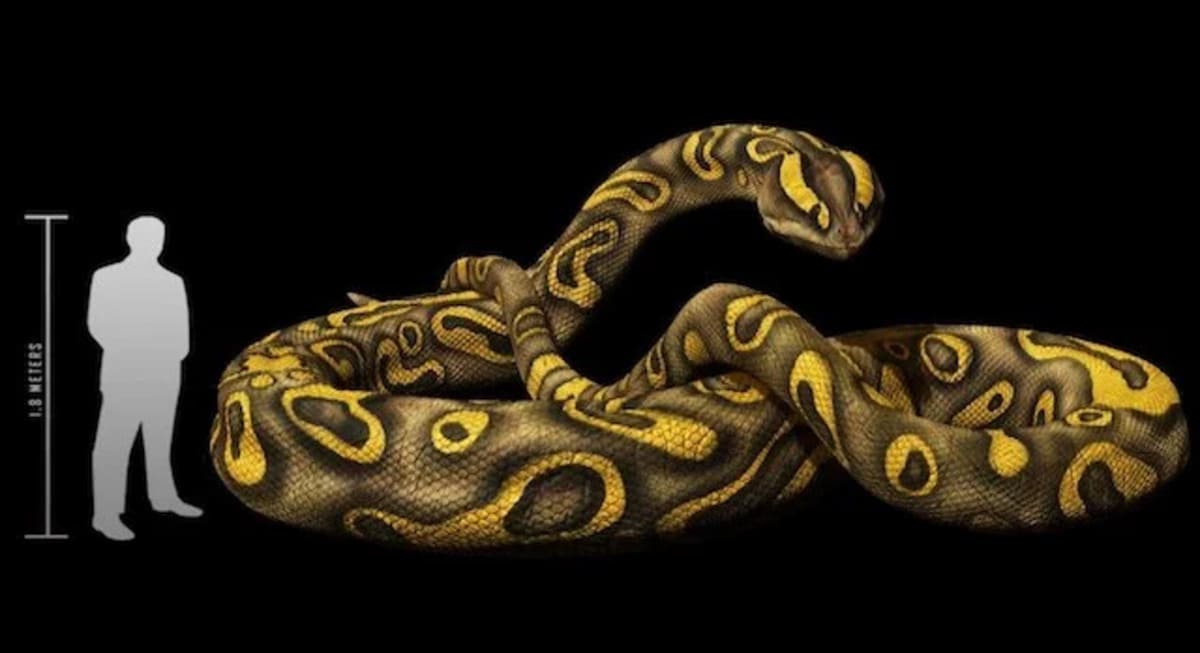
Fossil Found In India Reveals The Vasuki Indicus, A Prehistoric Snake Up To 15 Meters, Possibly The Largest Ever Recorded.
Science has just gained a new impressive chapter. Researchers have discovered fossils of a prehistoric snake that may be the largest ever recorded. The find was made in Gujarat, India, and reveals an animal that lived 47 million years ago.
Named Vasuki Indicus, this serpent promises to change what was known about the giants of the past.
Find In A Kutch Mine
The discovery happened in an unexpected setting. In 2005, engineers were working in a gypsum mine near Kutch, in western India.
-
Known as konjac, a root used for centuries in Asia creates foods that have virtually no calories, absorb water, form gel in the body, and are being used to replace pasta, rice, and even desserts.

-
The habit of drinking hot water in the morning is going viral on social media: experts explain how this ancient practice can influence digestion and well-being.

-
Brazil is also investing in plants for space and turning the lunar race into a real solution for producing food that grows in increasingly extreme climates.

-
Without aerospace training, a student designed a VTOL drone on his own in just 90 days, featuring a 3D-printed structure and a range of up to 3 hours, capable of covering about 130 miles and demonstrating how far independent engineering can go outside of traditional industry.
During excavation, they found large vertebrae embedded in the rock. The size caught attention, and soon, researchers from the Indian Institute of Technology (IIT) were alerted.
The scientists conducted a careful excavation and managed to extract 27 fossilized vertebrae. Each of them was of considerable size and weight.
Dr. Rajesh Kumar, one of the leading scientists involved, highlighted the state of preservation. He stated that the fossil was “perfectly preserved,” something rare after millions of years buried.
Comparison With Other Giant Snakes
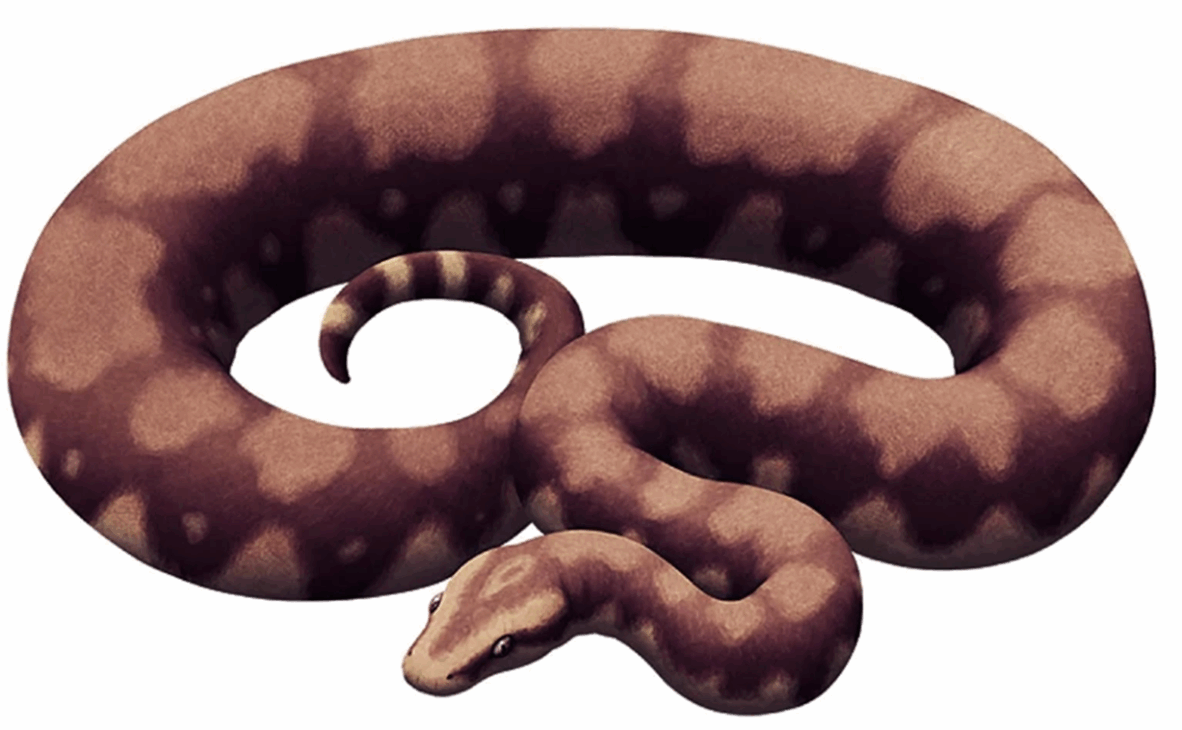
The study was published on April 18, 2024, in the journal Scientific Reports. In it, researchers compared the dimensions of the Vasuki Indicus with other known snakes. The estimate suggests a length between 10.9 meters and 15.2 meters.
If confirmed, it surpasses the famous Titanoboa, which measured up to 14.3 meters and was previously considered the largest snake in history.
Each vertebra of the Vasuki Indicus is about twice the size of those from 5-meter-long snakes. The shape and curvature of the bones indicate a robust animal, with a thick body, similar to modern boas and pythons, but on a gigantic scale.
Origin Of The Name And Habitat Of The Snake
The name of the new species honors Vasuki, the snake from Hindu mythology that coils around the neck of the god Shiva. During the Eocene, 47 million years ago, the region where the fossil was found was very different. Western India was home to lush swamps, with a warm, humid climate, ideal for the development of large reptiles.
The Titanoboa inhabited the warm forests of ancient Colombia, around 60 million years ago. The Vasuki Indicus, on the other hand, adapted to the Indian environment, taking advantage of the abundance of food and the absence of natural predators that could limit its growth.
Why Was The Vasuki Indicus So Large?
Dr. Kumar points to three main factors that may have allowed for this impressive size. First, the abundant supply of food, with various prey available.
Second, the lack of larger predators that could threaten the snake. Third, the Eocene climate, with temperatures higher than today’s, favoring cold-blooded reptiles by allowing for higher metabolic rates.
In comparisons made in the paleontology lab at IIT, the vertebrae of the Vasuki Indicus were aligned with those of modern reticulated pythons. The size difference was impressive. It would be as if the largest snakes of today were scaled up by 1.5 times.
Paleontological Importance For India
The discovery reinforces the importance of India’s paleontological heritage. The Kutch region had already revealed several prehistoric fossils, including fragments of dinosaurs and other ancient creatures.
Each new finding helps to compose a picture of a world where giant creatures walked and swam freely.
Dr. Kumar emphasizes the relevance of each fossil found. “Each fossil tells the story of a long-lost life; the story of Vasuki is one of the most unbelievable chapters of nature,” he stated.
Comparisons With Modern Anacondas
Observations made with modern anacondas help to understand the likely behavior of the Vasuki Indicus. In environments with plenty of food and few predators, anacondas tend to get fat and slow down their pace.
The Indian snake may have lived under similar conditions, with a favorable climate and ample prey, such as fish, small mammals, and even primitive primates.
The discovery of the Vasuki Indicus offers a new perspective on the size that prehistoric snakes could attain. It also shows how past environmental conditions allowed for the emergence of animals of impressive proportions.
The fossil from Gujarat now enters history as one of the most important paleontological discoveries of recent years.








Seja o primeiro a reagir!