





 Portuguese
  English
  Spanish
  4 min of reading
  0 comments


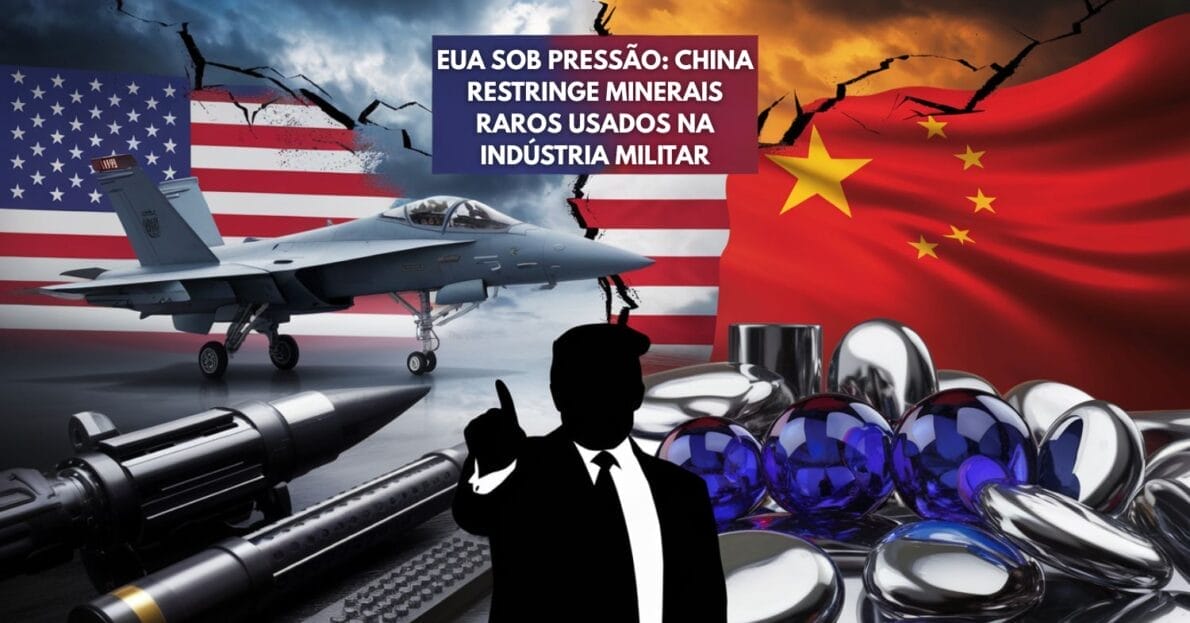
China Restricts Export Of Rare Minerals And Affects Advanced Weapons Production In The US. The Measure Is Seen As Retaliation To Tariffs Imposed By Trump, Aggravating The Trade War Between The Powers.
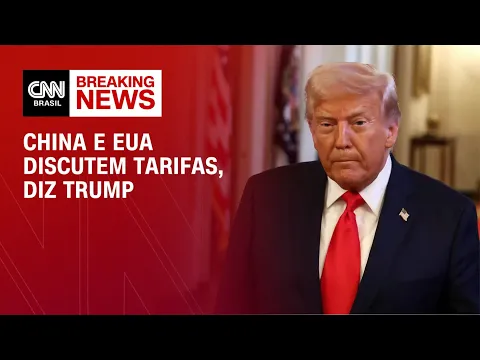
The US military program faces a new challenge: the dependence on rare minerals extracted or processed in China. The recent decision by the Chinese government to impose restrictions on the export of these critical elements has raised alarms at the US Department of Defense and in the aerospace sector. The measure is considered a direct retaliation to the increase in trade tariffs announced by President Donald Trump, intensifying the impacts of the trade war between the two countries.
With the announcement that it will now require special licenses to export six heavy metals and rare earth magnets — 90% of which are produced in China — Beijing sent a direct message to the US military industrial base. These materials are present in various high-tech weapons, such as fighters, guided missiles, drones, warships, and defense systems.
US And Dependence On Chinese Inputs
In the case of American Air Force fighters, for example, rare earth magnets produced in China are essential for activating engines and providing emergency power. In guided missiles, these magnets are used to rotate the tail fins and ensure precision in targeting moving targets.
-
If the USA were to go to war with Brazil, Washington’s greatest fear would not be the attack itself, but facing a vast territory, prolonged resistance, and a costly, chaotic, and unpredictable occupation.

-
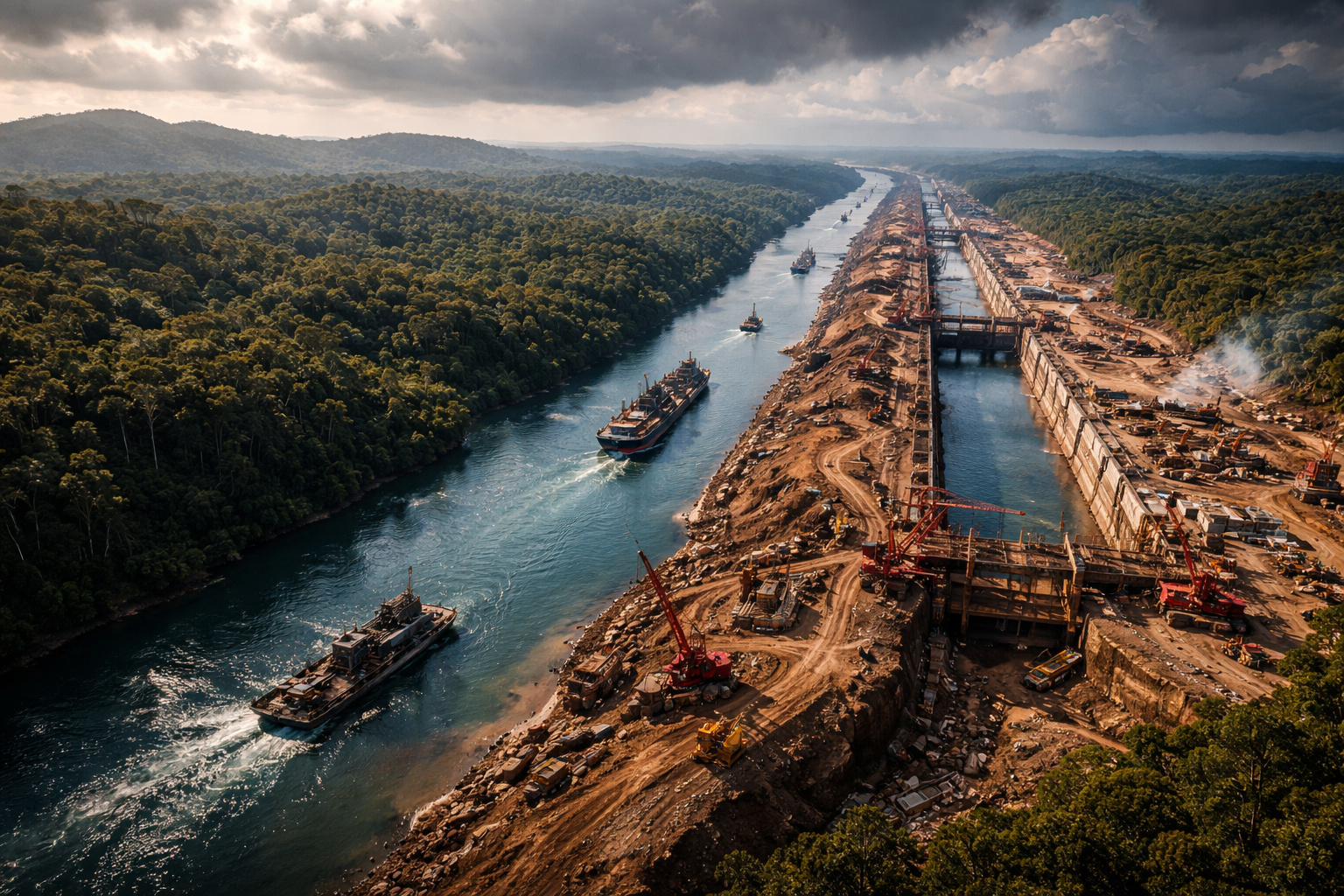
In 2013, Nicaragua sold the concession for a canal to rival Panama to a Chinese billionaire who lost 85% of his fortune, disappeared, and was declared bankrupt. Now the project resurfaces with a new route, a new Chinese partner, and a cost of $64.5 billion.
-
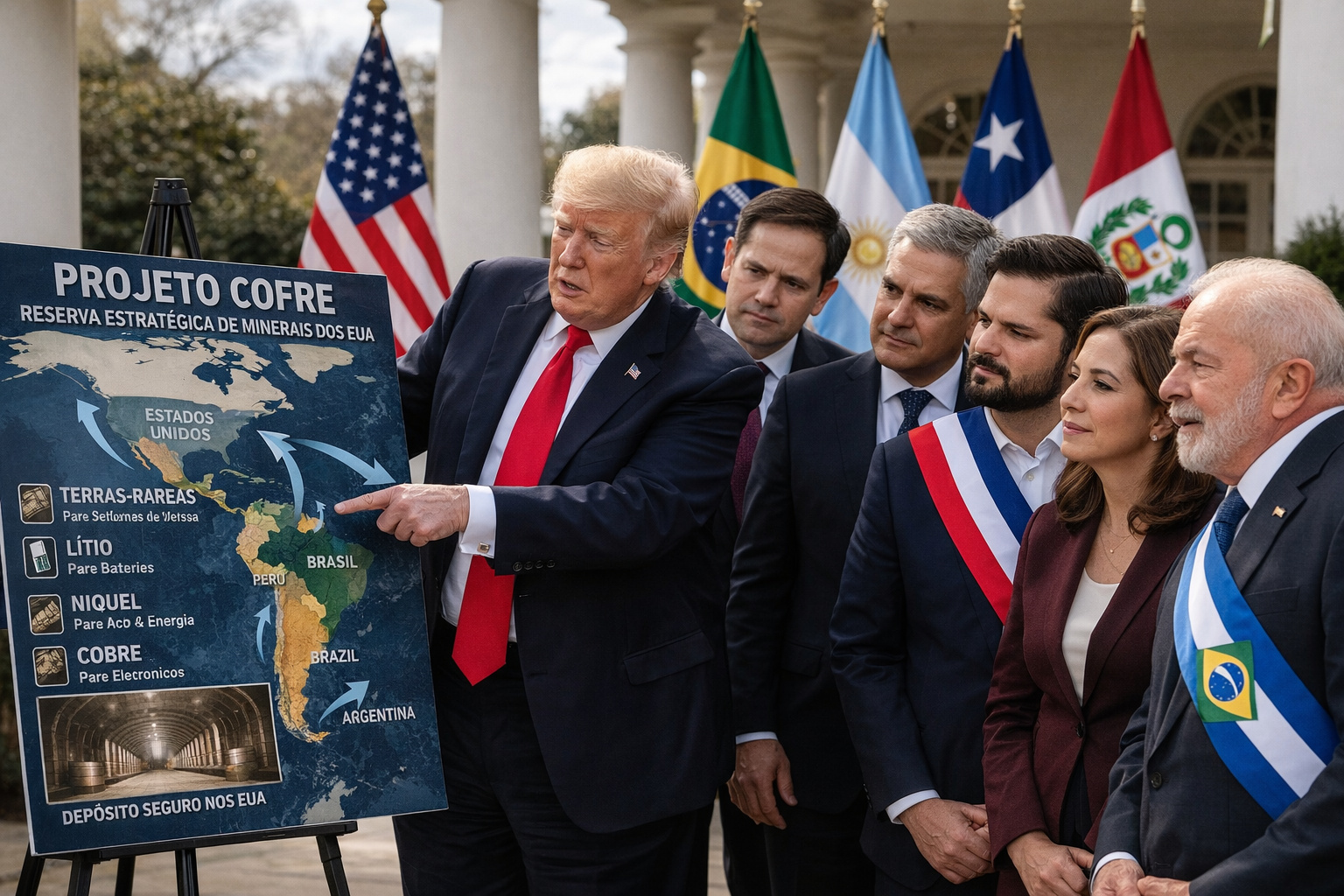
The USA announces a mysterious billion-dollar vault project to store critical minerals, but what intrigues experts is not just the plan itself, but why Latin America, including Brazil, has entered the center of this global dispute against China.
-
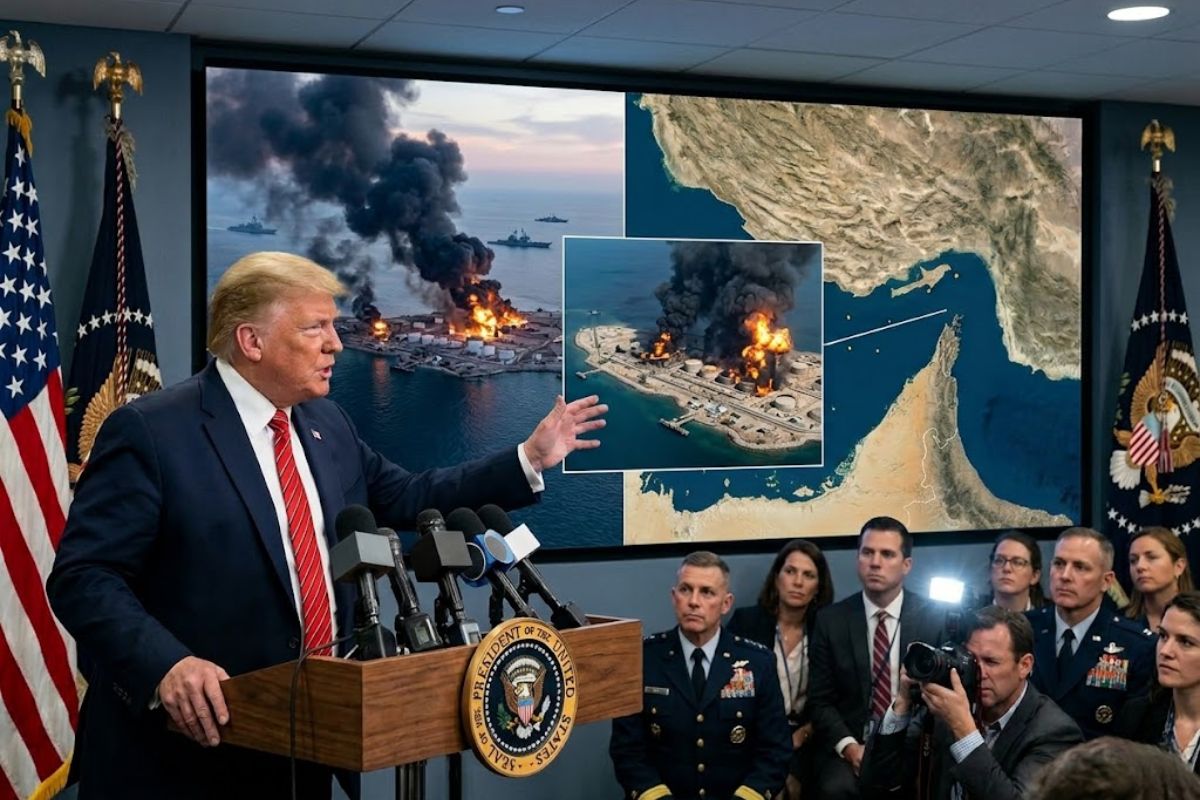
Trump Announces Bombing of U.S. Military Targets on Iranian Island Responsible for About 90% of Iran’s Oil Exports, Warns of Further Attacks if Navigation in Strategic Strait of Hormuz Is Threatened
According to the US Department of Defense, a single F-35 fighter consumes about 400 kilograms of rare minerals. Submarines and other naval equipment may require up to 4 tons of these materials. This highlights the degree of vulnerability of the US military program in the face of China’s near-total control over the global supply chain of these inputs.

Restrictions Imposed By China Increase Pressure On The Sector
Gracelin Baskaran, director of the Critical Minerals Security Program at the Center for Strategic and International Studies, classified the Chinese decision as a real threat to US national security. She stressed that Beijing has sent a clear “warning” that it may further intensify restrictions, imposing tariffs, quotas, or even a total ban on exports to the West.
China dominates the mining and refining of rare earths, a group of 17 elements that include neodymium, scandium, dysprosium, and yttrium. Although they are not rare in nature, these minerals require complex and environmentally costly processes to become usable in military technologies.
US Stocks Are Limited
According to Pentagon sources, the reserves of rare minerals in the US are limited. Defense companies maintain stocks that, according to analysts, would meet demand for only a few months. The Department of Defense has been increasing its stocks since 2010, when China suspended exports to Japan after a diplomatic impasse, but self-sufficiency is still a distant goal.
Aaron Jerome, an expert at the British firm Lipmann Walton, highlighted the case that occurred in 2022, when the Pentagon temporarily halted the delivery of F-35 fighters after discovering that a Chinese metal alloy was being used in a component of the power system.
“Even when we seek alternatives, the supply chain still goes through China at some point,” Jerome stated.
Trump And The Reindustrialization Policies
During his first term, President Trump signed an executive order to increase domestic production of rare minerals in the US. The goal was to reduce dependence on China and protect the US military program from external vulnerabilities. President Joe Biden continued the measure, allocating additional investments for mining and refining projects within the country.
Despite the effort, domestic production still cannot compete with the volume and efficiency of China, which has established a dominant position since the closure of the Mountain Pass mine in California in 2002. Although the mine has been reactivated by MP Materials, its current capacity is still limited.
Industry Reactions And Alternatives
The Aerospace Industries Association of the US reinforced the need for a secure supply chain for rare minerals, essential for the manufacturing of military aircraft and defense systems. Eric Fanning, former president of the organization, warned that American technological leadership is directly linked to reliable access to these inputs.
In times of crisis in the past, such as during World War II, the US managed to develop local alternatives to supply strategic resources. Experts suggest that similar measures can be adopted now, but warn that the time needed to develop new production chains may be a limiting factor.
With the intensification of trade tensions between the US and China, and the resumption of tariff policies by Trump, the risk to the US military program grows. The dependence on critical materials under Chinese control represents not only an economic challenge but also a weak point for American national defense.
Source: Infomoney









Seja o primeiro a reagir!