





 Portuguese
  English
  Spanish
  2 min of reading


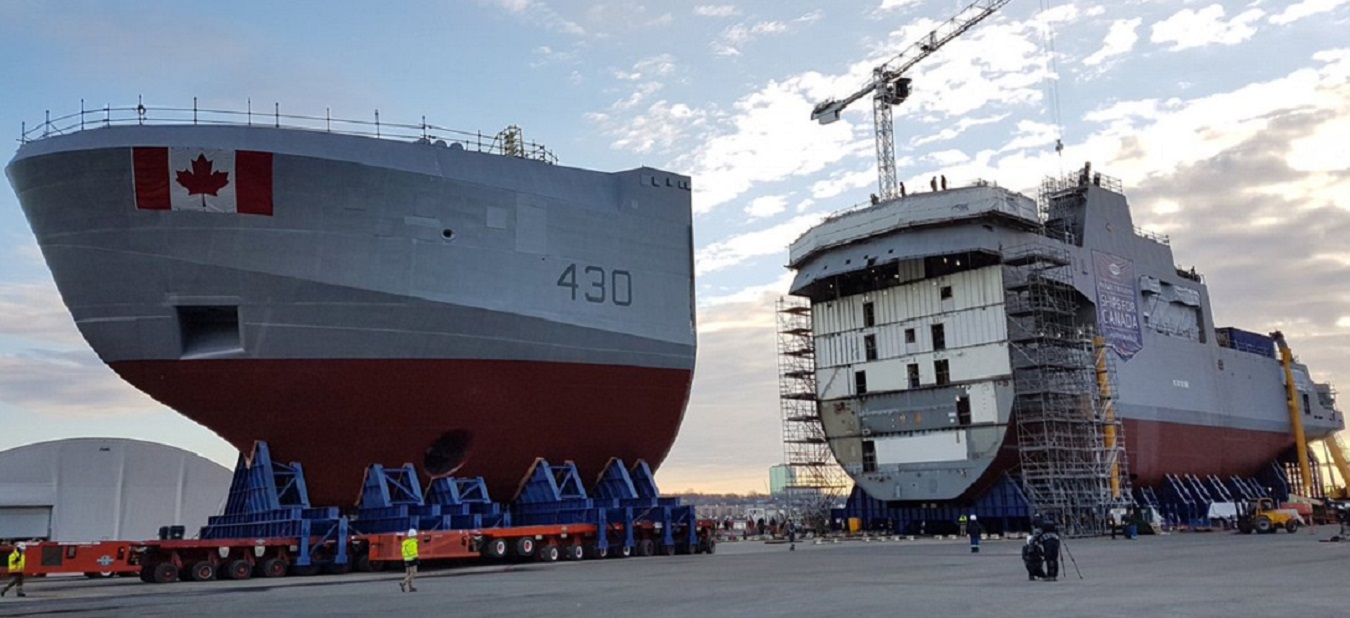
What Would Happen to Brazil If Shipbuilding Were Resumed in 2023?
Shipbuilding is a highly relevant industry for any country, especially for Brazil, which has a vast coastline and enormous potential for maritime exploration.
For example, the construction of the Brazilian Navy frigate is marking a new phase, in this article, we will analyze what would happen to Brazil if shipbuilding were resumed in 2023, and how this could impact the economy and job creation.
The Current Scenario of Shipbuilding in Brazil
Before we discuss the impact of resuming shipbuilding in 2023, it is essential to understand the current context of the industry in the country.
-
With 74% of companies facing difficulties in hiring, technicians and engineers in renewable energy are becoming scarce in Brazil and are essential to support the expansion of solar, wind, and green hydrogen projects.

-
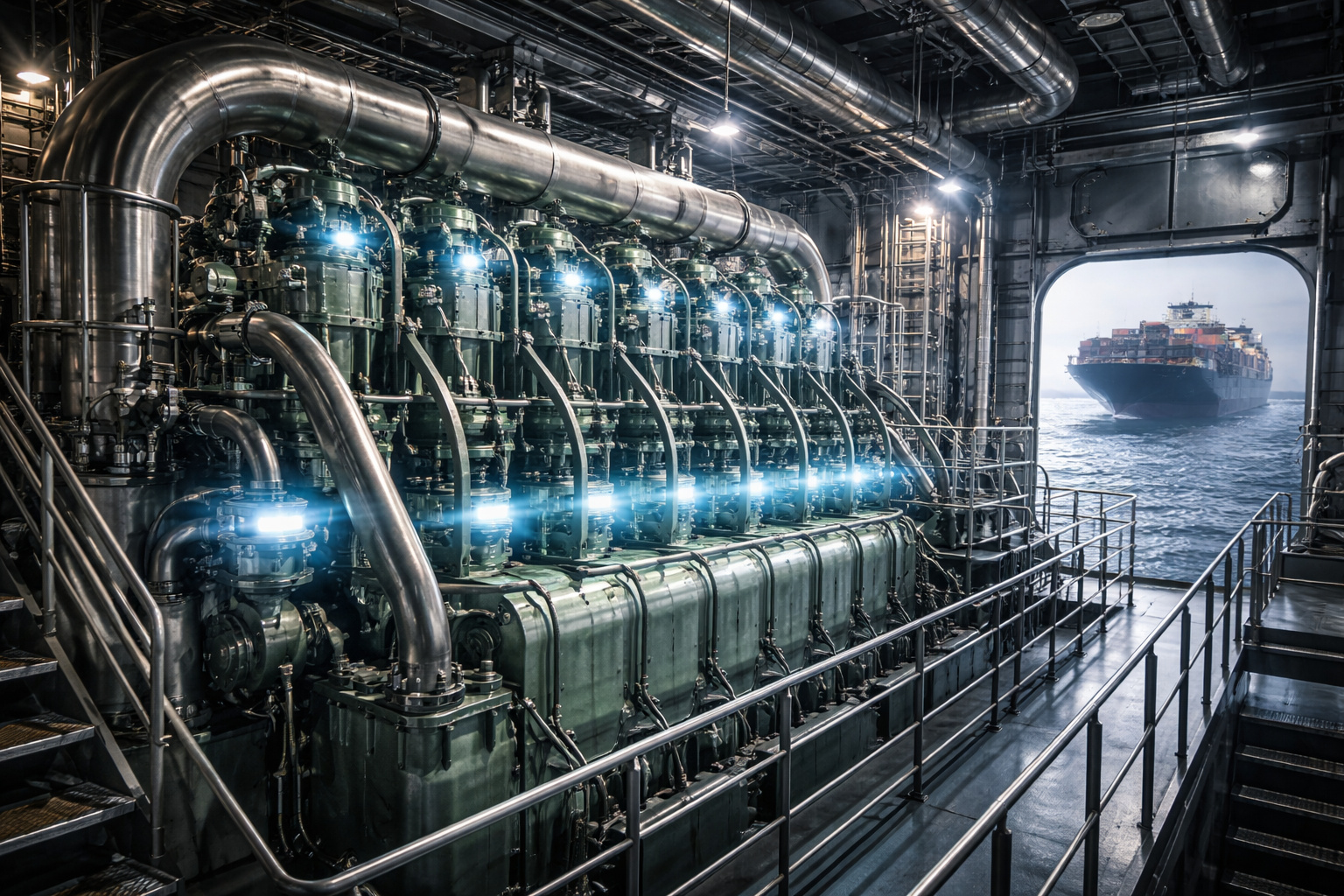
Europe is trying to create an ammonia-powered marine engine without auxiliary fuel, which could unlock the race for giant emission-free ships. The technology aims to eliminate one of the biggest obstacles to clean maritime propulsion.
-
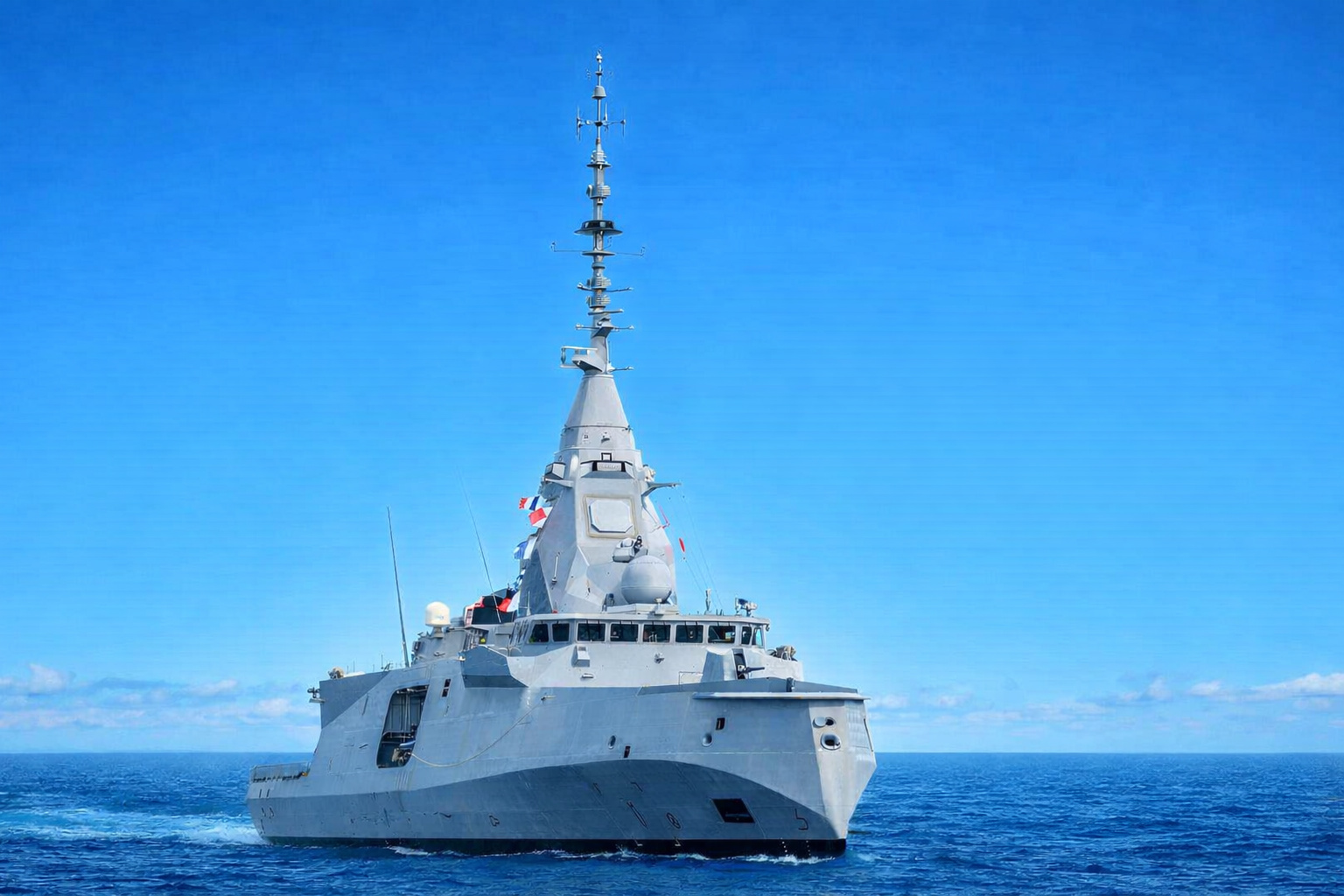
A 4,500-ton frigate with just over 100 crew members, state-of-the-art radar, and cruise missiles is being touted as the new standard of naval warfare in the 21st century.
-
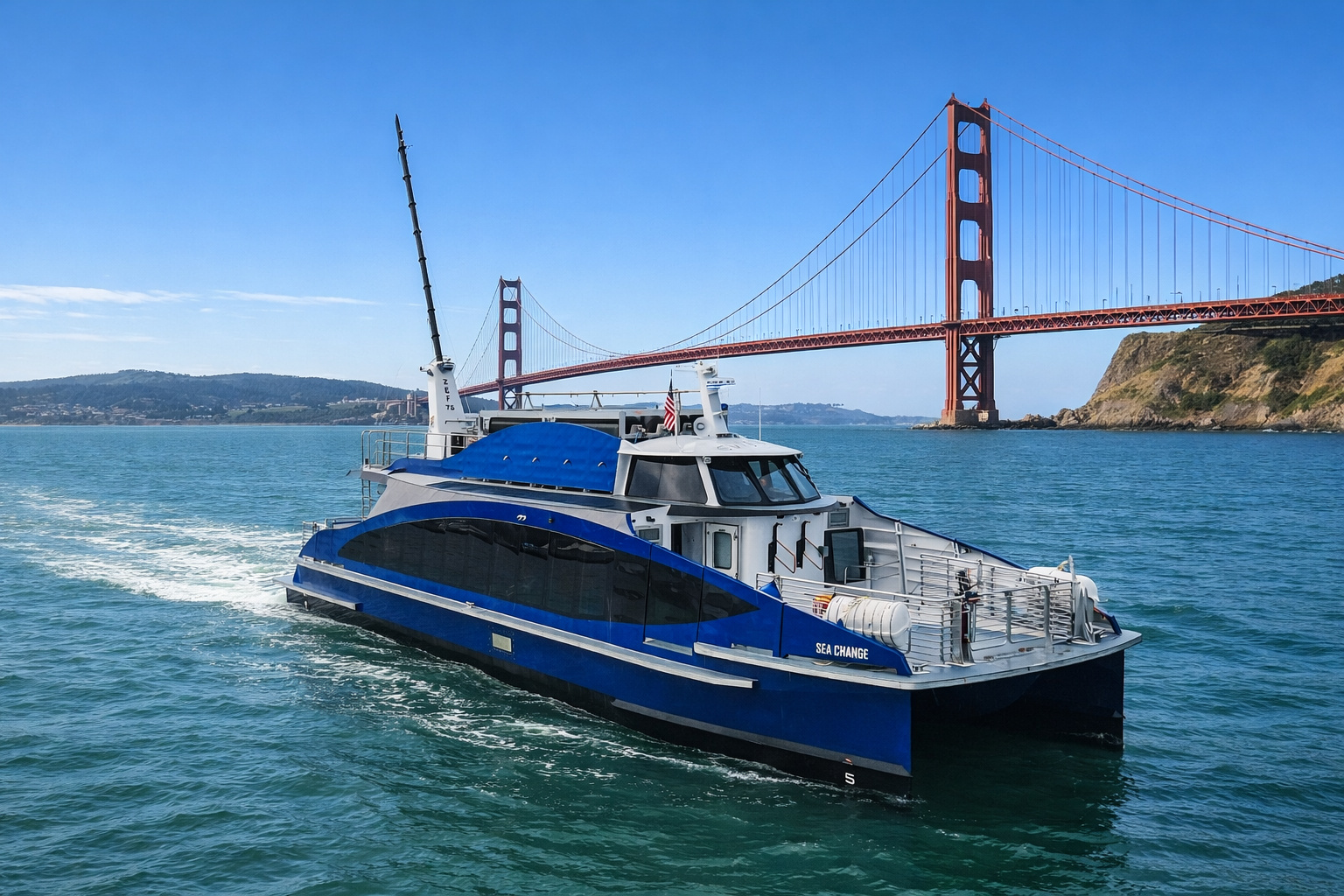
The first commercial hydrogen-powered ferry enters operation in the U.S., eliminates the use of diesel, uses fuel cells to generate clean energy on board, and transforms San Francisco Bay into a landmark of the new era of emission-free navigation.

Brazil once had a significant presence in the sector, but has gone through a decline in recent decades due to various factors such as reduced investments, lack of tax incentives, and international competition.
The Resumption of Shipbuilding and Job Creation
One of the main consequences of resuming shipbuilding in Brazil would be the generation of jobs, both direct and indirect.
The sector has a significant multiplier effect on the economy, as it requires hiring specialized labor and creates demand for inputs, equipment, and support services.
With the resumption of the industry, thousands of job opportunities would be opened, contributing to the reduction of unemployment and the improvement of the population’s quality of life.
Revitalizing the Local Economy
Shipbuilding can also boost the local economy, especially in regions where shipyards are located.
This occurs because investment in this industry attracts companies and professionals from related fields such as engineering, logistics, transportation, and services.
Additionally, the financial movement generated by shipbuilding activity stimulates commerce, tourism, and service provision in general, benefiting the regional economy.
Increasing Brazilian Competitiveness in the International Market
With the resumption of shipbuilding in 2023, Brazil could increase its participation and competitiveness in the international market.
The shipbuilding industry has significant export potential, which can be leveraged to diversify the country’s export agenda and reduce dependence on commodities.
Furthermore, the modernization and expansion of national shipyards could attract new investments and international partnerships, contributing to technological development and the creation of new products and services.
Contribution to Sustainability and Innovation
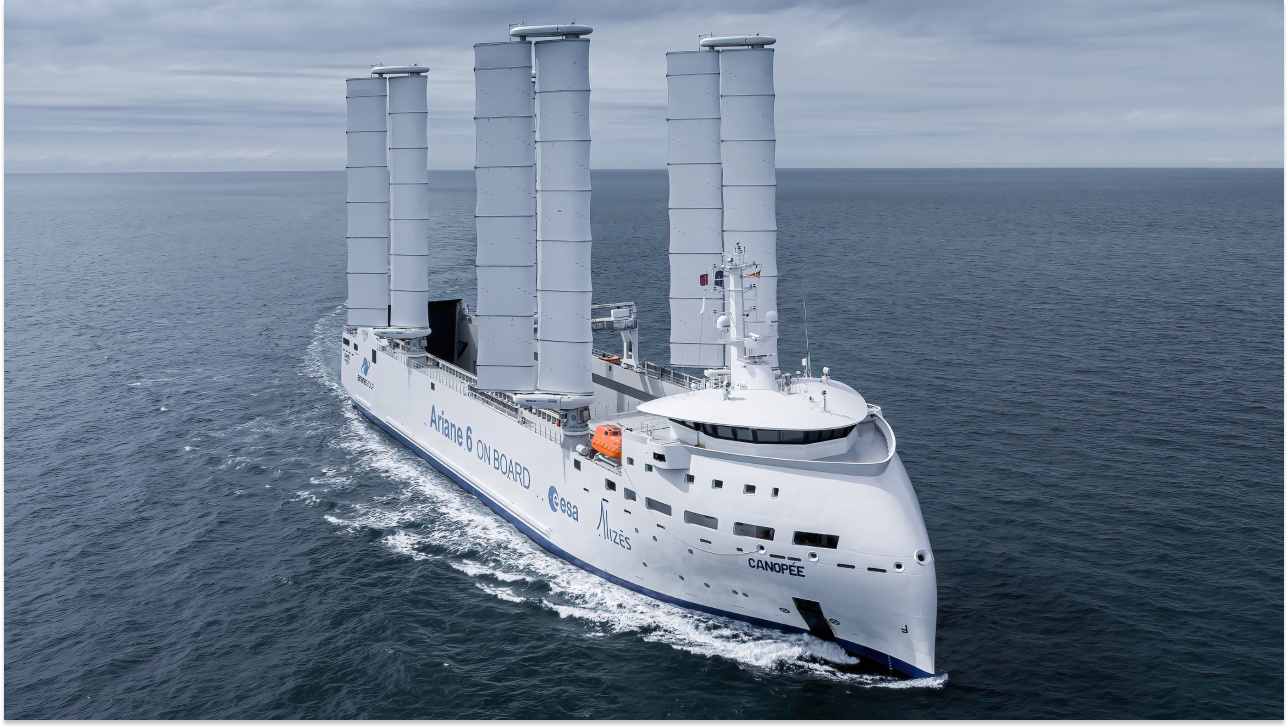
Another important aspect of resuming shipbuilding is the possibility of investing in more sustainable and innovative technologies. The sector can become an important driver of technological development, with the adoption of green and efficient solutions, such as the use of renewable energies.








Seja o primeiro a reagir!