





 Portuguese
  English
  Spanish
  5 min of reading
  3 comments


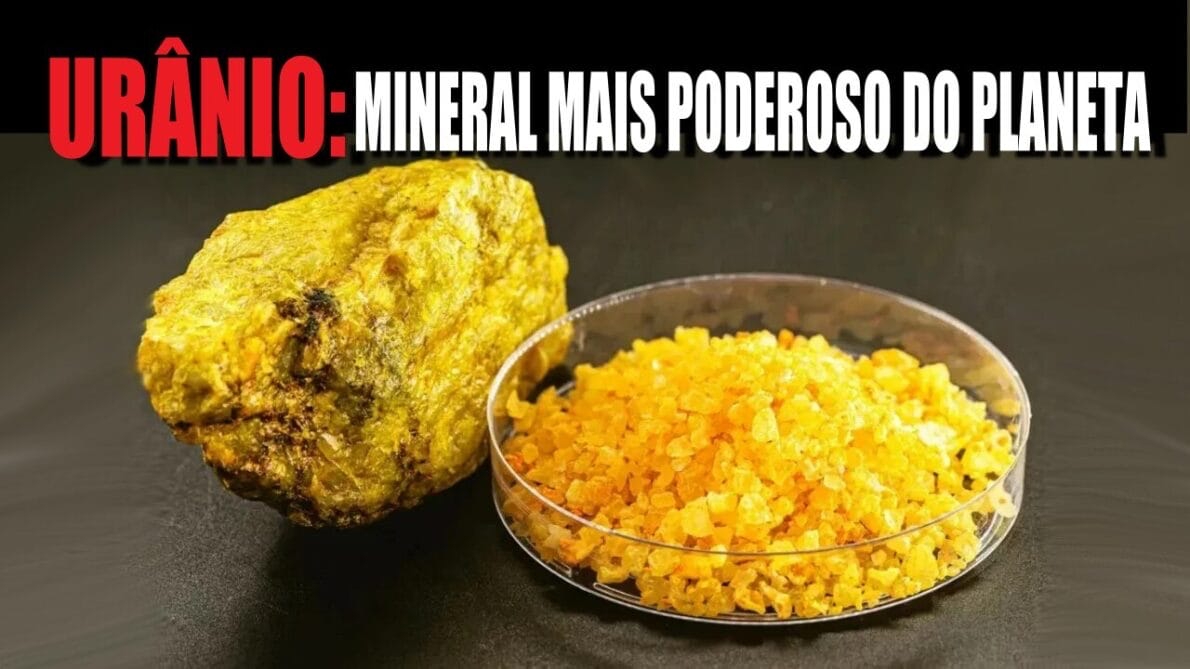


To Obtain This Precious Mineral, Miners Need to Descend 500 Meters Below the Surface, in One of the Largest and Richest Uranium Deposits in the World
Extracting the Precious Metal: Uranium, a metallic element discovered by a German chemist in 1789, has become a crucial resource in the modern world. Its importance was only fully understood a century and a half later, when scientists discovered that uranium atoms could be split to produce energy.
To obtain this valuable resource, miners need to descend 500 meters below the surface, in one of the largest and richest uranium deposits in the world, located in northern Saskatchewan, Canada.
The Mineral Containing Uranium is Located at a Depth of 130 Meters in the Sandstone Layer
The mineral containing uranium is situated beneath a layer of water-saturated sandstone. To access it, miners use tungsten carbide drills, similar to us in fingers, to drill into the rock. These initial holes are for pipes that will extract heat from the ground and freeze the area around the mineral.
-
Historic bankruptcy of Centauro shocks the market, and the century-old company puts more than 500,000 products, machines, and complete infrastructure up for online auction.

-
Brazil extracts 26.3 million tons of ore from what was previously treated as waste, transforming residues into wealth, producing over 3 million tons of sand, and demonstrating how national mining is relearning to generate value.
-
A $3.5 billion megaproject in Latin America pumps desalinated seawater at 1,050 liters per second over 194 km to keep a copper supermine in the Andes operational for another 20 years.
-
New shoe factory in Ceará is expected to create 400 jobs and strengthen the local economy.


The miner operates the equipment remotely, transferring a new section of piping every meter and a half until reaching a depth of 130 meters in the sandstone layer. This process can take up to 8 days to complete, and there are 200 of these pipes set up to surround the mineral deposit.
See How This Powerful Mineral is Extracted from the Mines


A freezing plant on the surface cools a calcium chloride brine solution to -30 degrees Celsius and distributes it through the freezing pipes. The brine absorbs heat as it freezes the surrounding soil, creating a stable, ice-encapsulated environment for miners to work in. With the soil now stabilized, the miners are ready to extract the mineral.
Refining Uranium
Using a pilot hole as a guide, miners drill a larger hole to access the rock containing uranium. The mineral, which contains approximately 15% uranium, is then loaded into a cart and scanned to measure its radioactivity. The high-quality ore, with an average uranium content of around 18%, is then transported to a plant located 80 kilometers away.
At the plant, the uranium-containing material is crushed and ground into a fine powder, which is then mixed with water to create a slurry. This slurry is pumped to the surface, where it goes through a series of chemical processes to extract and purify the uranium. The uranium is first converted to gas, which is then fed into centrifuges to separate the isotope uranium-235, the key component for creating a chain reaction in nuclear reactors.
Turning Uranium into Fuel
The enriched uranium powder is then converted into uranium trioxide, an intermediate chemical form in the fuel processing chain. This powder is transported to a nuclear fuel processing plant, where it is processed into uranium dioxide, the chemical form required for nuclear fuel.
The uranium dioxide powder is then pressed into small pellets using several tons of pressure. These pellets, the size of a peanut, are then loaded into zirconium alloy tubes to create fuel rods. The fuel rods are then assembled into fuel assemblies, which are the key components that will be inserted into the core of a nuclear reactor.
Energizing the Grid
Once the fuel assemblies are ready, they are transported to a nuclear plant, where they will be loaded into the reactor core. Inside the reactor, uranium-235 atoms undergo fission, releasing energy in the form of heat. This heat is used to convert water into steam, which then drives turbines to generate electricity.
A single fuel assembly, containing approximately 30 fuel rods, can generate enough heat to power 100 homes for a year. The spent fuel rods, highly radioactive and extremely hot, must be stored in water-filled pools for 10 years before they can be safely disposed of. These used rods, totaling more than 700,000, are stored deep within the plant’s storage facility, a testament to the immense power and potential of uranium as an energy source.
What is Enriched Uranium
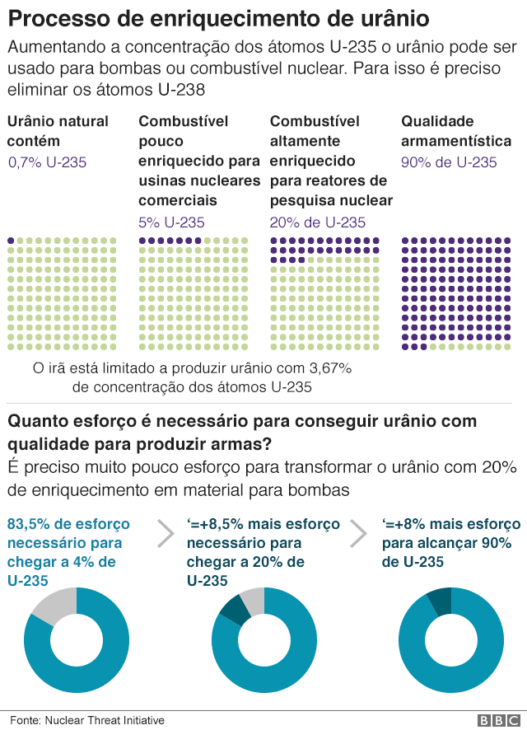
Uranium atoms have several variants, called isotopes. All have the same number of protons in the nucleus but different numbers of neutrons. Uranium found in nature has a concentration of 99.27% of the variant called U-238 and 0.72% of the variant U-235, which is used as fuel and for weapon production.
Enriched uranium is what has a high concentration of the U-235 variant. Enrichment is done by adding uranium hexafluoride gas to centrifuges that separate the isotope most suitable for nuclear fission, U-235.
Uranium with a low concentration of U-235 (3% to 5%) is used for the production of nuclear power plant fuel. That with a concentration of at least 20% is typically used for research. Uranium with 90% U-235 can be used for the production of nuclear weapons.
The Journey of Uranium is a Complex and Fascinating Process
The journey of uranium, from its extraction deep within the earth to its transformation into nuclear fuel, is a complex and fascinating process. By understanding the meticulous steps involved in unleashing the power of this precious metal, we can better appreciate the critical role it plays in meeting the world’s energy demands. As we continue to explore and harness the potential of uranium, we must do so with the utmost care and responsibility, ensuring the safety and sustainability of this vital resource for future generations.
I would love to know if you were already aware of this powerful mineral. Let us know in the comments section what you think. Don’t forget to leave 5 stars and activate CPG notifications to keep up with all the news in the mining world. Until next time!








POR QUE O TERMO URÂNIO É QUASE URANO? E URANO PLANETA DESCOBERTO PELOS ASTRÔNOMOS NA MESMA ÉPOCA OU MESMO SÉCULO QUE O URÂNIO FORA DESCOBERTO POR UM ALEMÃO?
Boa matéria
Fascinante saber um pouquinho de algo tão complexo e de tamanho conhecimento técnico.