





 Portuguese
  English
  Spanish
  2 min of reading
  0 comments


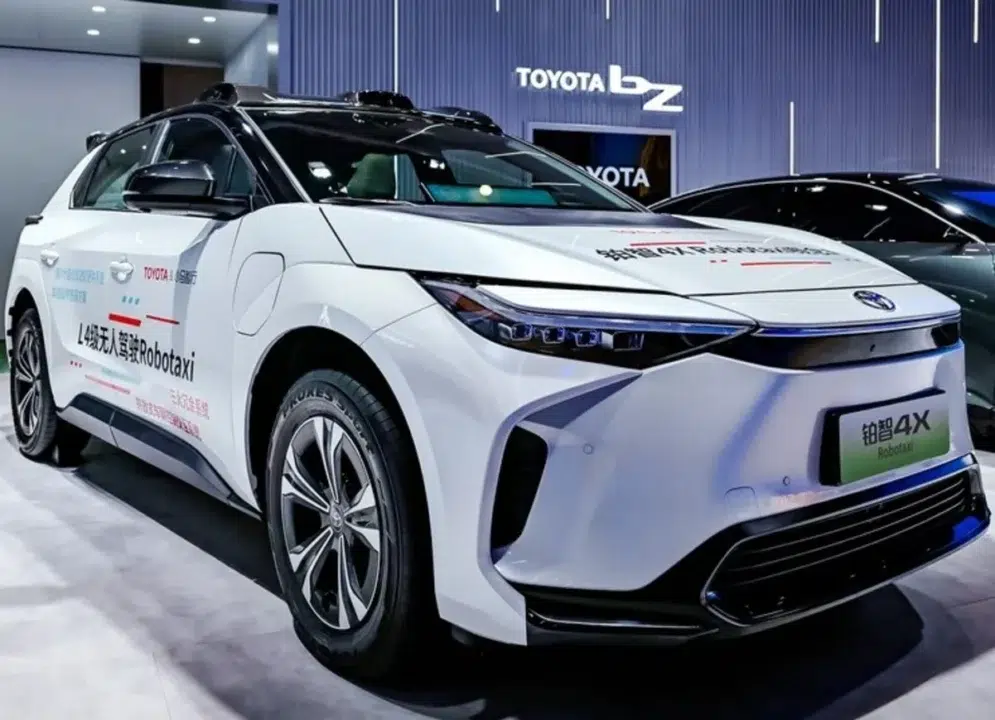
The Future of Mobility: Driverless Robotaxis
According to Autopapo, the automotive industry is undergoing a revolution, and Toyota is at the forefront of this transformation. Recently, the Japanese automaker partnered with GAC-Toyota and Pony.ai to create the consortium Zhuifeng Intelligent Technology. The goal? To produce a fleet of driverless robotaxis. These autonomous vehicles have the potential to revolutionize passenger transport in major Chinese cities. But how do these robotaxis work and what do they mean for the future of mobility? Let’s explore the details.
The Concept of Robotaxi
A robotaxi is essentially an autonomous taxi. Imagine a vehicle that can drive through the streets without the need for a human driver. It uses advanced technologies such as cameras, radars, sensors, and sophisticated algorithms to perceive its environment, make decisions, and control its movements. The idea is to provide a safe and efficient alternative for passenger transport, reducing the workload of drivers and improving the experience for users.
The GAC Toyota bZ4X Prototype
The GAC Toyota bZ4X prototype is an impressive example of a driverless robotaxi. Equipped with the seventh generation of Pony.ai’s autonomous system, this vehicle features an intelligent driving assistance function with a pre-collision safety system. It was developed based on 20 billion kilometers of “zero accident” data, which means that its technology operates reliably even in emergency situations.
-
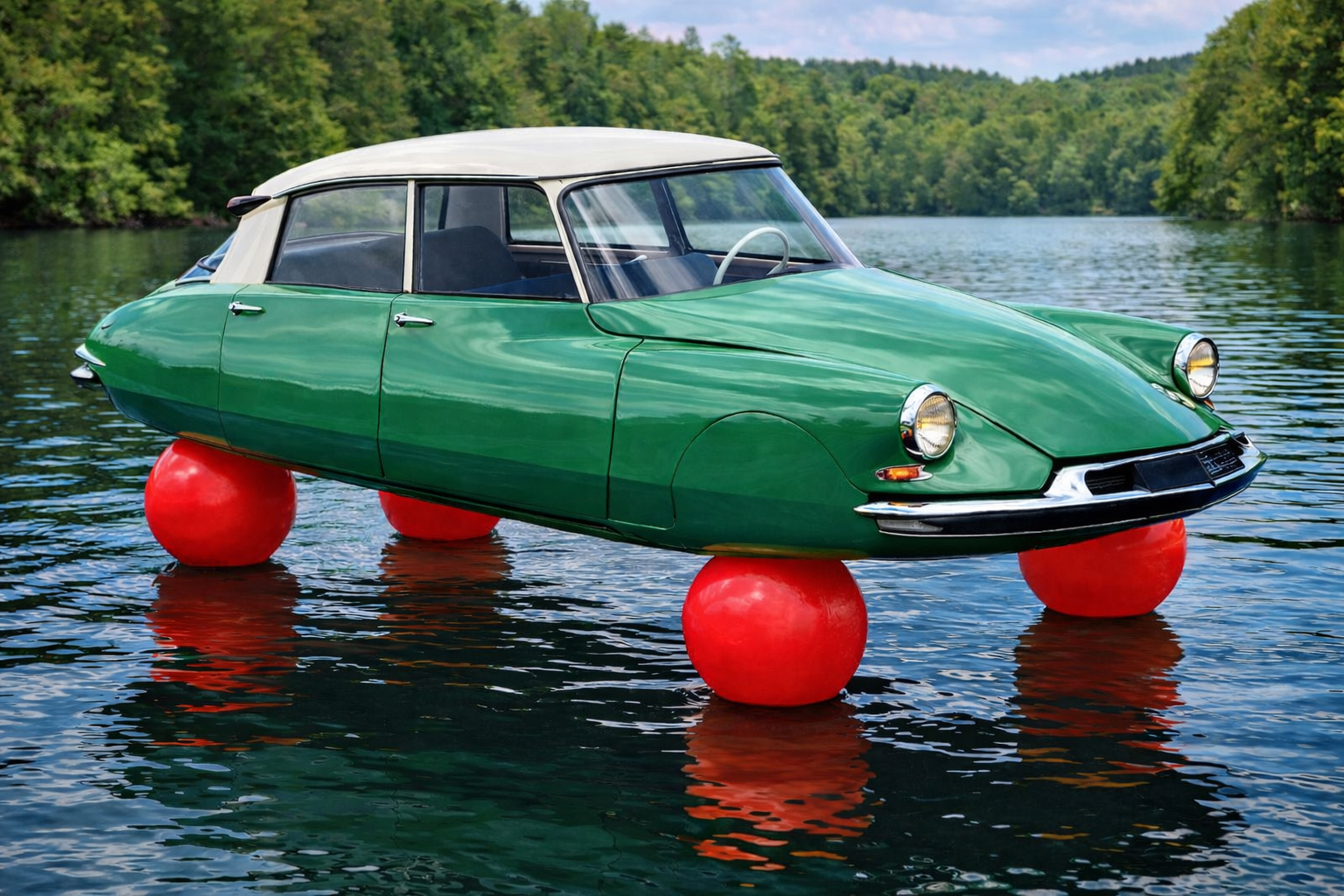
A French brand placed a car on four huge red balloons to prove that its suspension made the vehicle “float,” and the surreal scene became one of the most iconic and unusual images in automotive history.
-
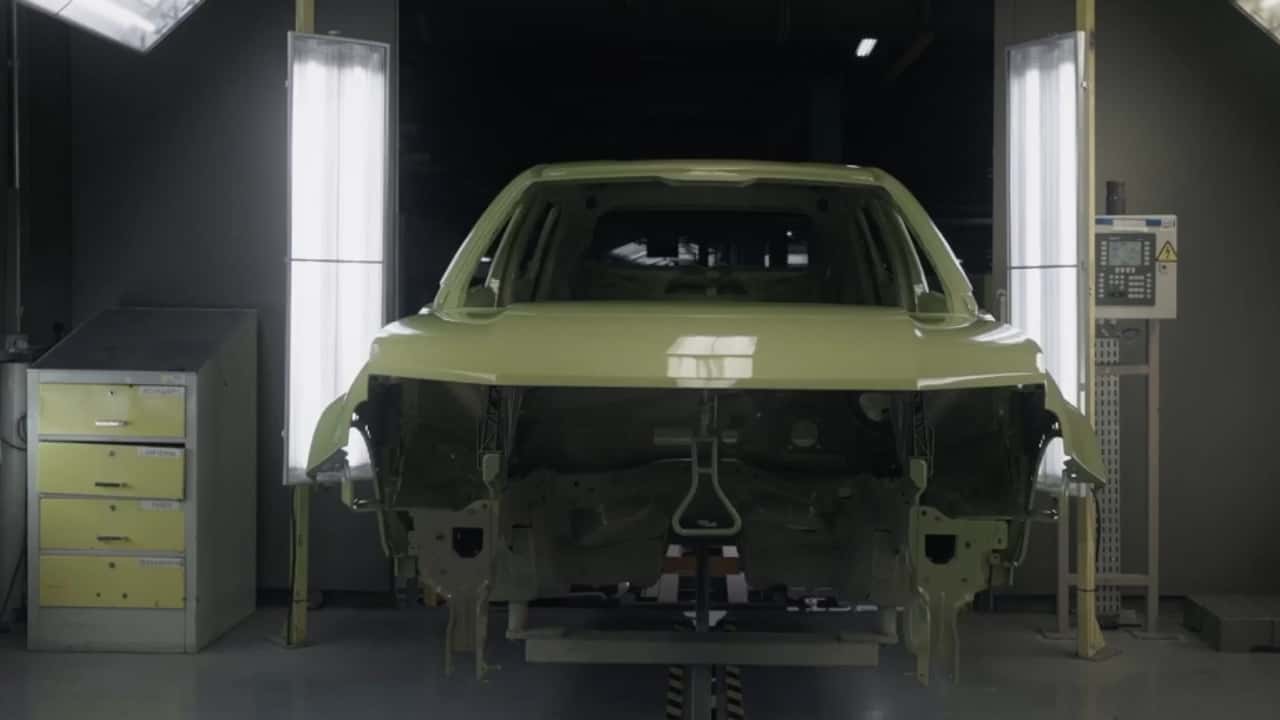
Jeep Avenger begins production in Brazil, debuting as the brand’s new entry-level SUV and inaugurating an unprecedented phase by becoming the first national Jeep manufactured outside of Goiana, as part of a R$ 3 billion plan.
-
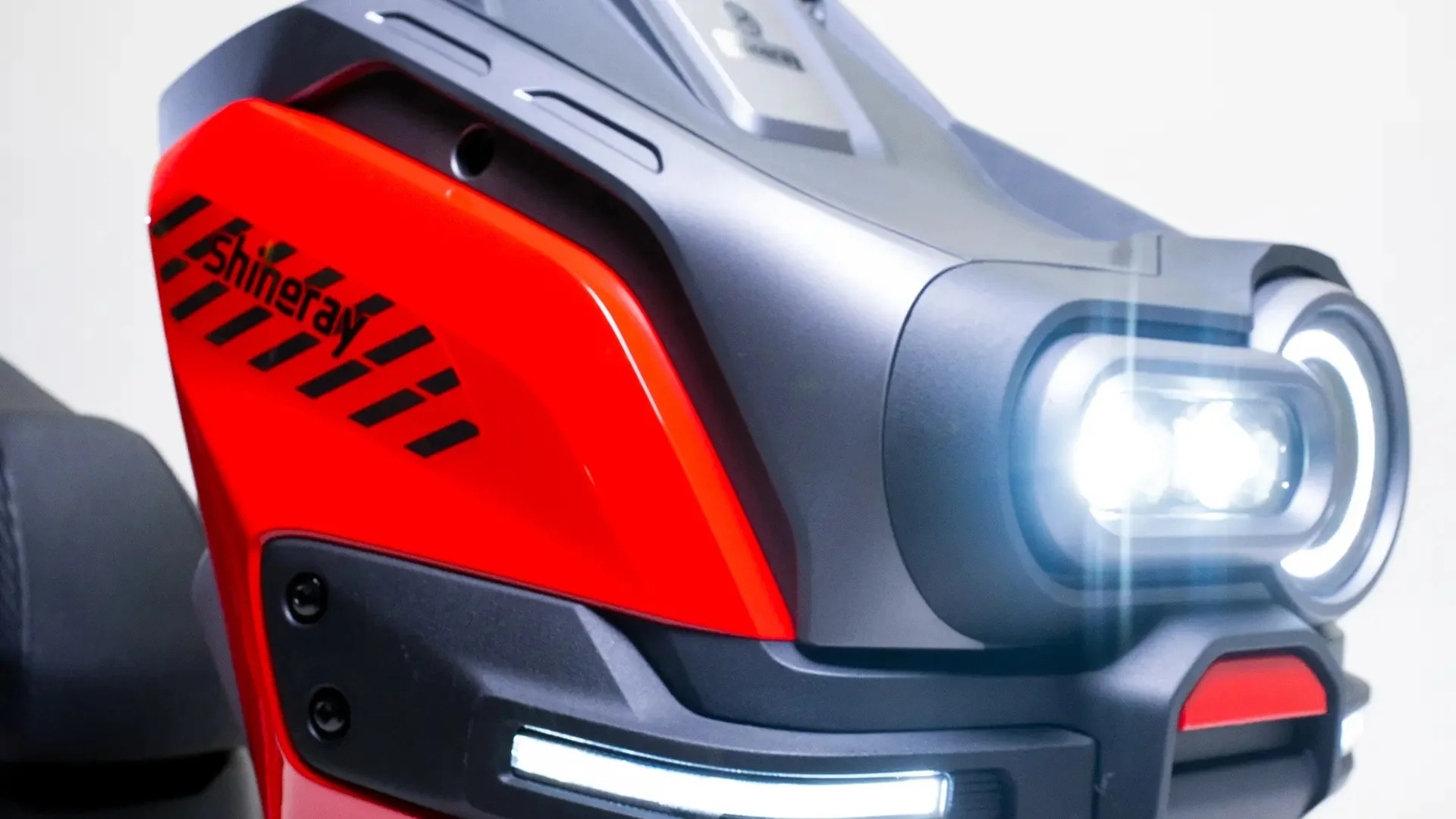
Costing R$ 12,490, the new Shineray Urban Lite 150 “cheap one” arrives in Brazil with a CVT transmission, digital dashboard, and LED lights, making it more affordable than the Biz and targeting those who want to abandon the bus.
-
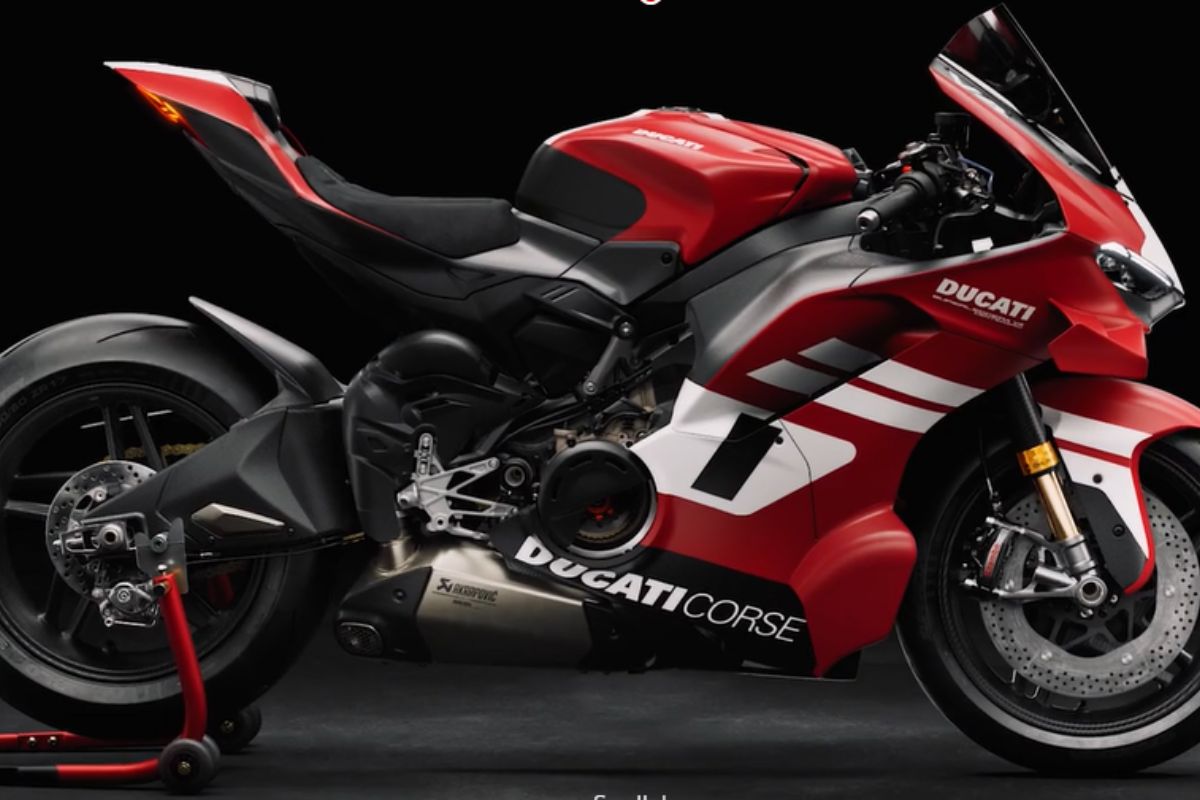
Ducati brings to Brazil the Superleggera V4 Centenario: 228 hp that become 247 with a track kit, carbon fiber and carbon-ceramic brakes, estimated price between R$ 1.5 and 2 million, deliveries only in 2027.

The Autonomous Car Market
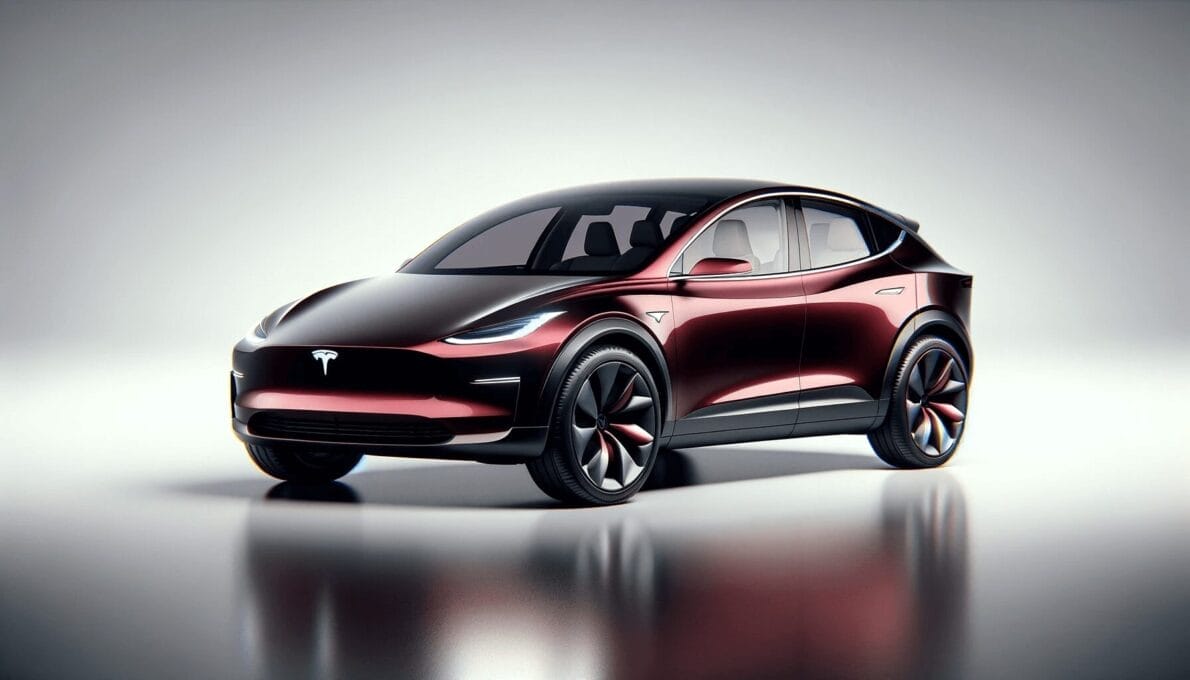
However, despite the challenges faced by other automakers, such as General Motors and its autonomous system Cruise, the autonomous car market is growing. Tesla, for example, already has the Full-Self Driving (FSD) software, which promises to take its vehicles to an even higher level of autonomy. Tesla’s CEO, Elon Musk, recently announced that the company is preparing to launch its highly anticipated robotaxi. The vehicle, expected in August of this year, will be an adaptation of the Tesla Model 2.
Soon on the Streets: The Impact of Robotaxis on Our Routine
The future of transportation is in the hands of autonomous technology. As more automakers invest in robotaxis and autonomous driving systems, we can expect a revolution in the way we move. Thus, Toyota, with its bZ4X prototype, is paving the way for a world where driverless robotaxis will be an integral part of our daily lives. And who knows, soon we might all be able to take a driverless taxi for our daily commutes.









Seja o primeiro a reagir!