





 Portuguese
  English
  Spanish
  5 min of reading
  0 comments


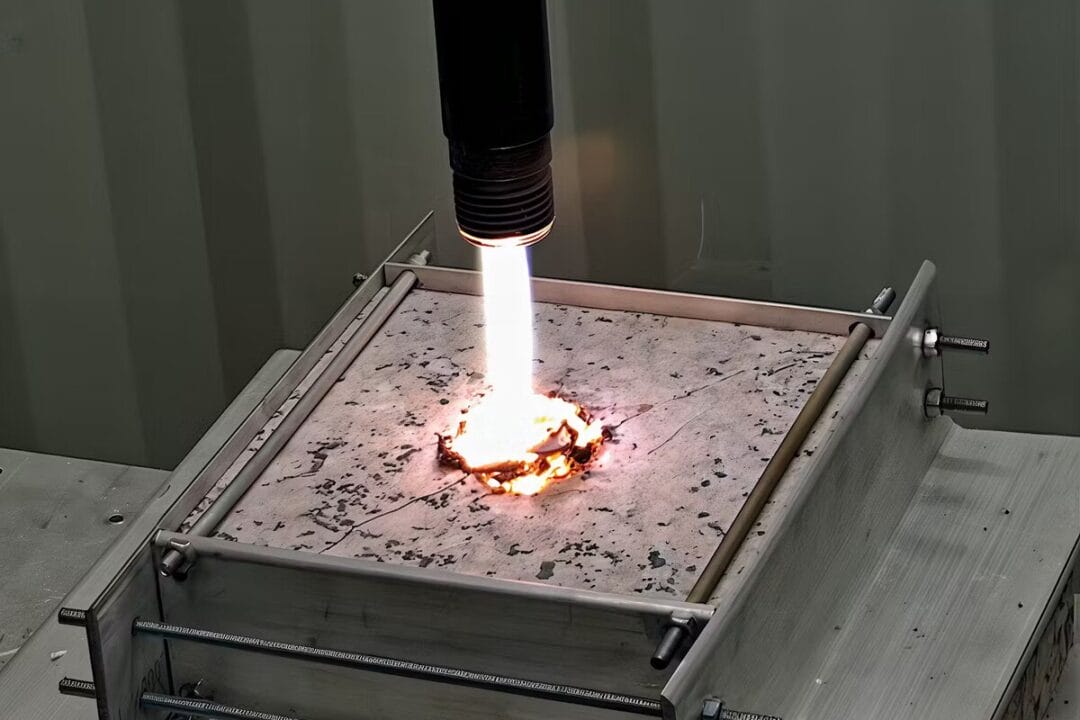
The Crazy Plan to Extract 10 Times More Energy from Superhot Rocks at 373 Degrees: A Millimeter Wave Driller
When we think of renewable and sustainable energies, we usually think of wind energy and, mainly, solar energy. The latter is the one that is starring a surge in demand for photovoltaic panels due to China’s efforts to drown the competition by selling its panels at below-cost prices (something that is already having consequences for companies). However, it is also important to remember that a good asset for decarbonization is geothermal energy.
There is a company that wants to drill wells over ten kilometers deep to harness the heat from the earth. It already has several projects in mind, but the problem is that it is a puzzle of considerable dimensions.
Geothermal Energy: The Power of Earth Heat
Geothermal energy consists of harnessing the natural heat of the Earth. By drilling at great depths, geothermal plants can generate electricity continuously and stably 24 hours a day, 365 days a year, as it does not depend on water currents, the sun, or wind gusts. It is a very efficient energy source and, although the initial investment is high, the operational and maintenance costs are low.
-
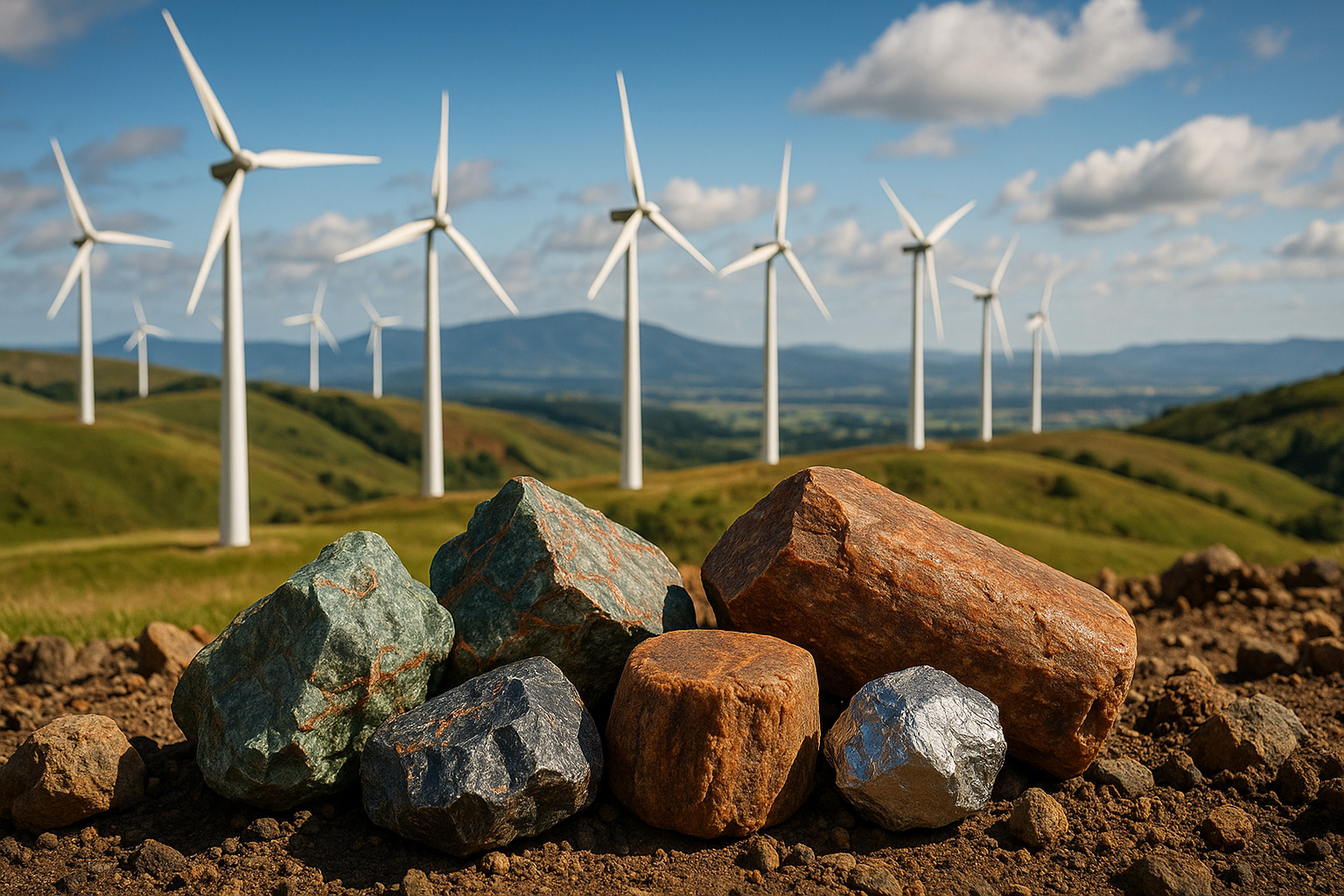
The Brazilian state accelerates industrial competitiveness with a focus on the extraction of strategic minerals to boost the energy transition in Goiás.
-
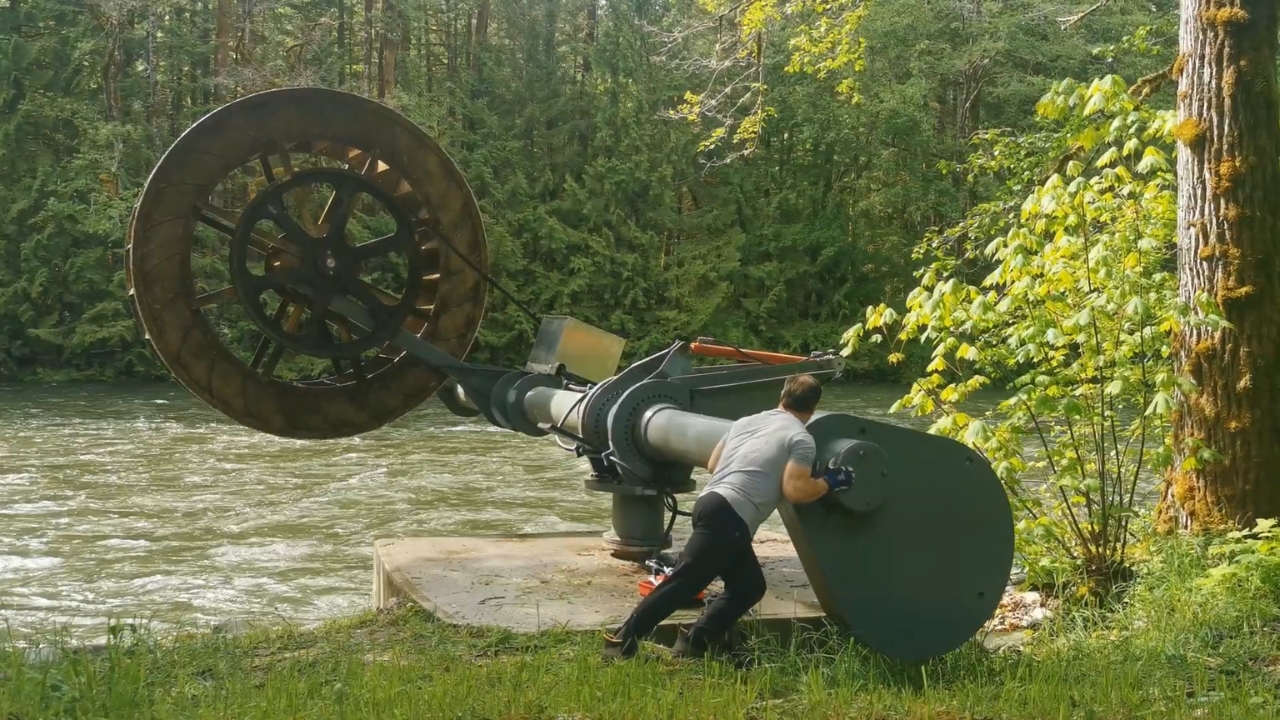
A Canadian retiree creates a hydroelectric system on a real river, generating energy continuously throughout the day and demonstrating how the power of water can supply a house with stability even in a simple structure.
-
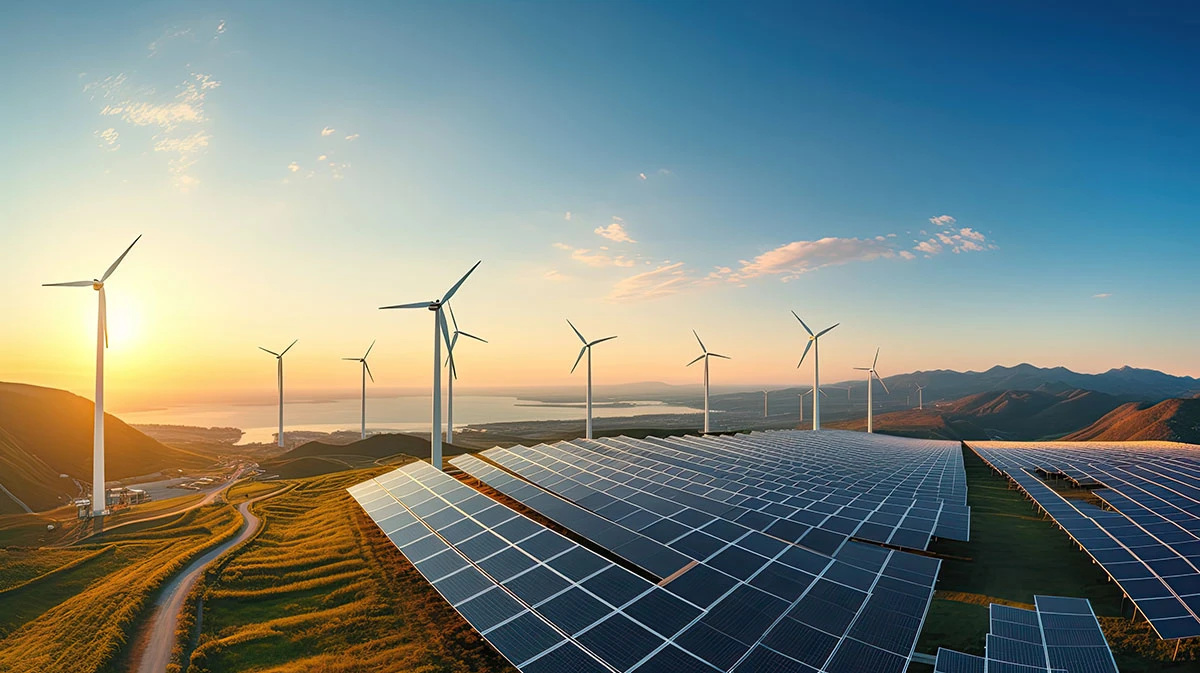
Petrobras reaffirms its commitment to the market and ensures that it will carry out the energy transition safely to maintain national sovereignty.
-
Researchers discover a possible hydrogen deposit of up to 46 million tons beneath an ancient coal basin, and the volume could exceed half of the entire global production.


It is not perfect, since geothermal resources are not available everywhere, and it poses a risk of causing geological instability. Furthermore, although it is cleaner than energy sources involving fossil fuels and does not emit greenhouse gases, drilling can release gases and minerals that can contaminate the subsoil.
A Super Well. It is, however, a source of energy that is attracting attention due to this unlimited flow and the fact that it can produce energy regardless of the weather conditions. In 2006, a research group from MIT stated that by harnessing just 2% of the geothermal energy stored in rocks at a depth of between three and ten kilometers, it could provide over 2,000 times the annual energy consumption of the United States.
A company called Quaise Energy wants to go all in on geothermal energy. It was born from research projects at MIT and, two years ago, surprised everyone by presenting a drilling system that, according to them, allowed drilling to a greater depth than anything we have used so far. Considering that the deepest hole drilled is 12 kilometers, their technology would allow reaching up to 20 kilometers.
Superhot Rocks and Advanced Drillers
Superhot Rocks. One of the keys to geothermal energy is to drill as deep as possible. In this way, as we go deeper into the Earth, there is more heat, and it is possible to extract a greater amount of energy. Additionally, by drilling deeper, what Quaise wants to achieve is that we can create geothermal power plants anywhere, not just in the most suitable areas (like active tectonic faults).
Thus, and with the company’s calculations, we will reach areas where the temperature is up to 450º Celsius. Trenton Cladouhos, Vice President of Geothermal Resource Development at Quaise Energy, commented that “if we really want geothermal energy to be a radical game changer, we have to operate at superhot temperatures above 375ºC.”
Three Models. The company showed its intentions two years ago, but had not really shown its model… until now. In a recent statement, Quaise presented three concepts for geothermal systems with three very different approaches in execution and effectiveness, with the ‘permeability clouds’ concept being the most ambitious and the one they want to develop.
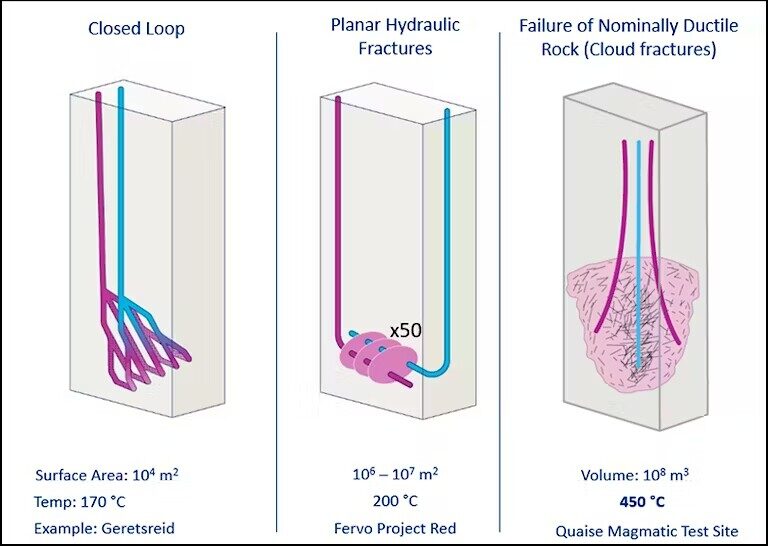
The first of these is a closed loop that would work like a boiler: cold water is injected, which, due to the 170ºC temperature of the subsoil, heats up and rises as hot water to the surface. Once there, steam techniques from geothermal plants can be applied. The second model involves flat hydraulic fractures in which water is injected at high pressure into a well, heating at the bottom by creating high pressure and is extracted. And lastly, Quaise’s model, the permeability clouds.
Revolutionizing Geothermal Energy. This model shows the formation of microscopic cracks that create the so-called permeability cloud around the rocks. By drilling at great depths using millimeter waves, cold water would be injected which would generate these microfractures in the hot rock and exit through another well in the form of steam.
According to their simulations, “a superhot system can provide five to ten times more energy than that produced normally from conventional systems.”
The Challenge. The problem is that… we have not had contact with these depths and do not know how the rocks will react. Cladouhos comments that the water filtered through these wells would become supercritical. “This vapor-like phase transports between 3 and 4 times more energy than normal hot water and, when channeled to turbines on the surface, converts to electricity with an efficiency two to three times greater.”
The Problem is Twofold. The first is simply reaching that depth. Current drillers are not designed to withstand the extreme temperatures and pressures occurring at those depths. Quaise is working on a new millimeter wave driller to melt and vaporize the rock. The second challenge is directly extracting the heat. There are some systems for underground radiators or very robust heat exchangers, but none have worked at temperatures above 200ºC.
Testing Volcano. Additionally, the company points out that we know very little about what happens when a superhot rock located at great depth is exposed to cold water pumped at high pressures. Therefore, they will develop field tests using the Newberry volcano in central Oregon as a vehicle to validate their model. This is something they will do in 2025 or 2026, and they state that it may be that their permeability cloud plan is not the only approach.
In fact, they point to the coexistence of hybrid techniques such as flat fractures, natural fractures, and the microfractures from the most ambitious model to harness all possible energy.









-

Uma pessoa reagiu a isso.