





 Portuguese
  English
  Spanish
  3 min of reading


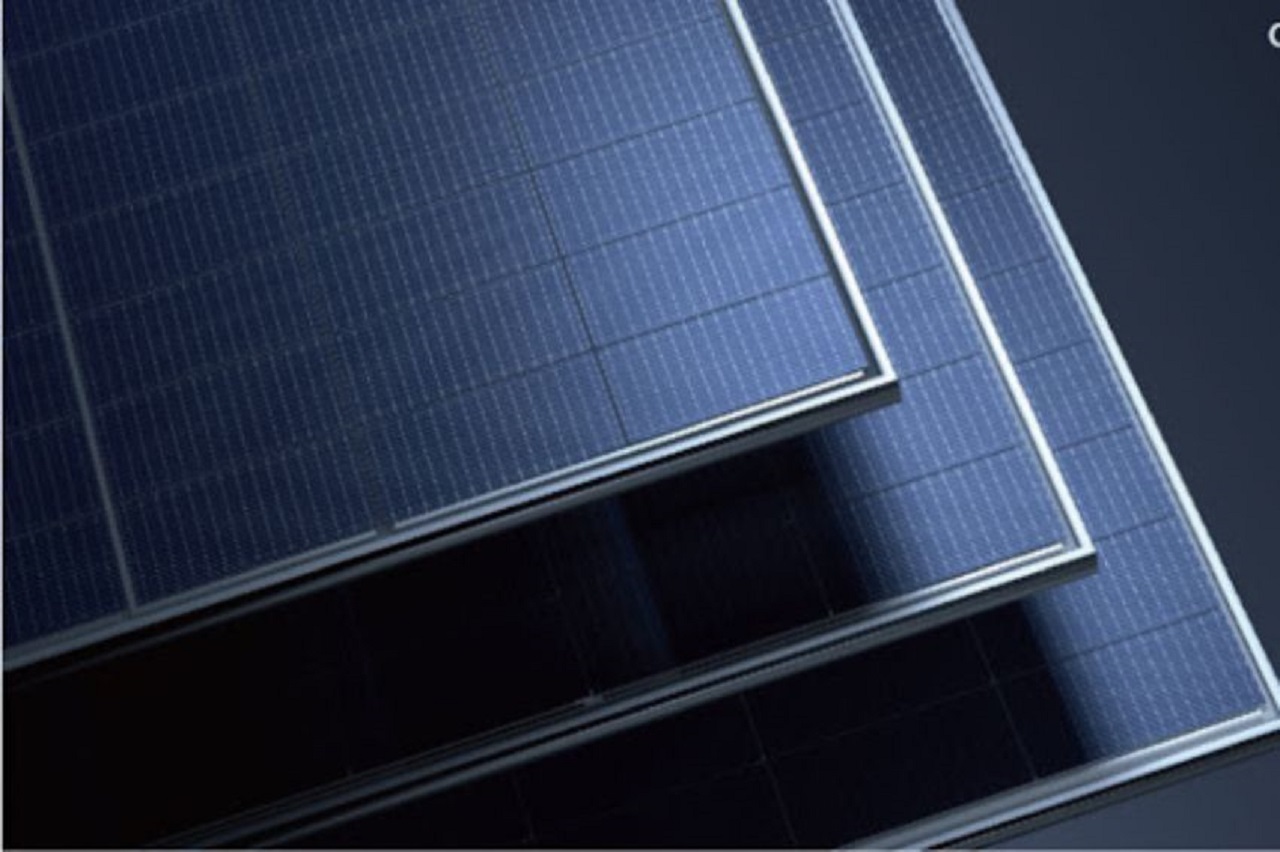
A Chinese Company Is Revolutionizing The Solar Energy Market With The Development Of New Solar Panels Made Of Polyurethane. These Panels Have Unique Advantages, Such As Their Ability To Generate Clean And Sustainable Energy More Efficiently And Economically.
ZNShine, a solar panel manufacturer, has developed a module for the international photovoltaic market with a polyurethane structure. According To The Company, These Solar Panels Are The First To Feature This Type Of Structure. The Clean Energy Equipment Is Made Of High-Quality Polyurethane Resin, Produced Through A Pultrusion Molding Process.
Polyurethane-Based Solar Panels Are Designed With Eco-Friendly Materials
According To The Company’s Sales Director, Derek Wang, The New Release From Znshine, Which Replaced The Aluminum Profile With A Polyurethane Structure, Stemmed From The Need For Floating Plants Or Those Installed In Chemical Industries, Where Salts Or Particles Of Chemical Reagents Can Easily Corrode Conventional Metal Frames.
Wang Adds That In This Effort To Bring New Technologies To Solar Panels, Besides Allowing For More Extensive Uses In Various Environments, It Also Brings The Benefit Of Reducing CO2 Emissions During The Production Process.
-
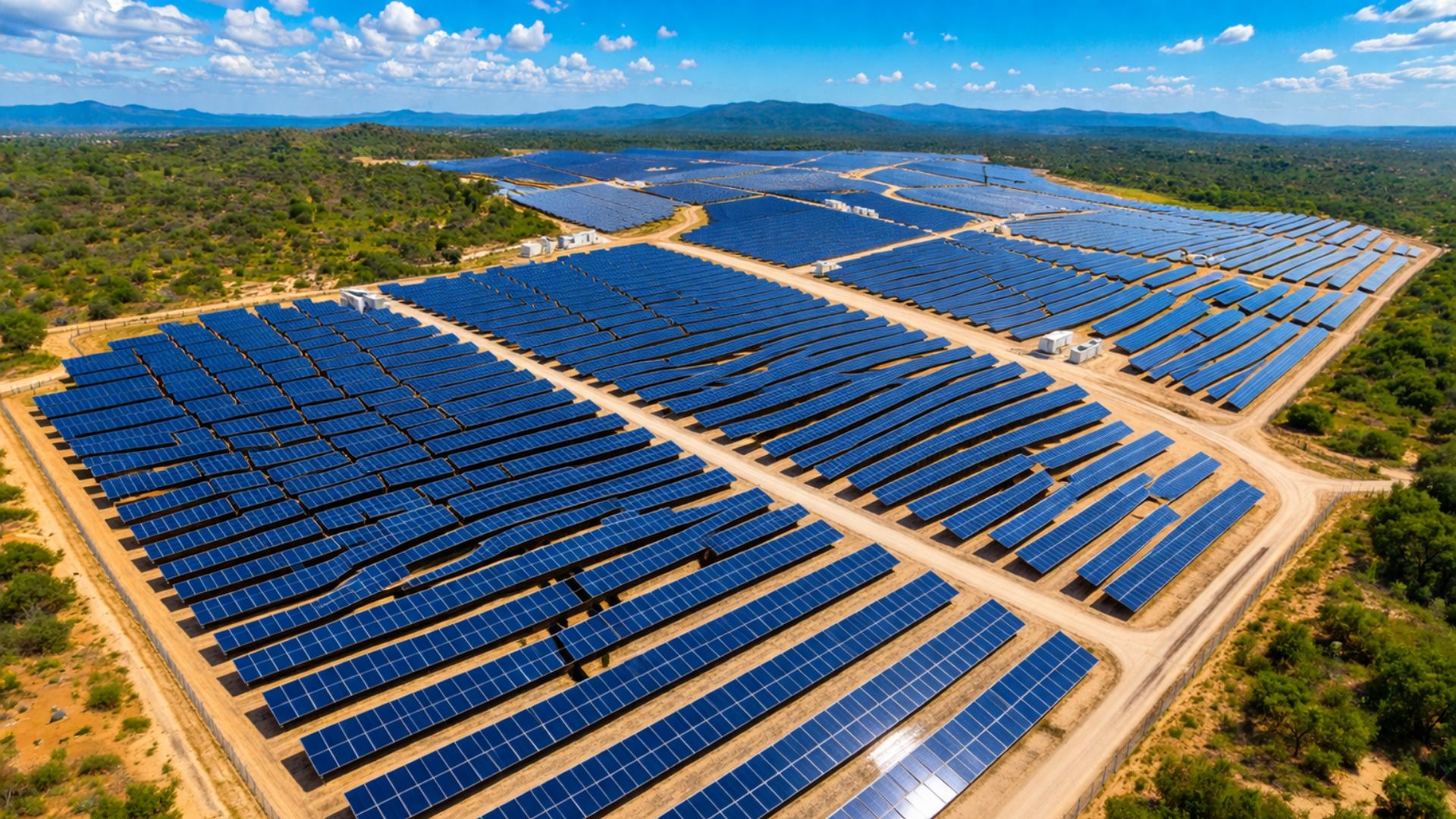
The Sol do Agreste Photovoltaic Complex begins operations in Pernambuco and accelerates the expansion of solar energy in Brazil, directly impacting the reduction of emissions and strengthening the sustainable energy matrix.
-
The Sol do Agreste Photovoltaic Complex begins operations in Pernambuco and accelerates the expansion of solar energy in Brazil, directly impacting the reduction of emissions and strengthening the sustainable energy matrix.
-
Renewable energy advances over protected areas in Brazil, and a survey by the Energy Transition Observatory reveals silent impacts that challenge environmental conservation and pressure sensitive traditional territories.

-
Rio Grande do Sul accelerates energy transition: State invests in renewable technologies and consolidates decarbonization strategies and pathways to attract billions in new industrial investments.


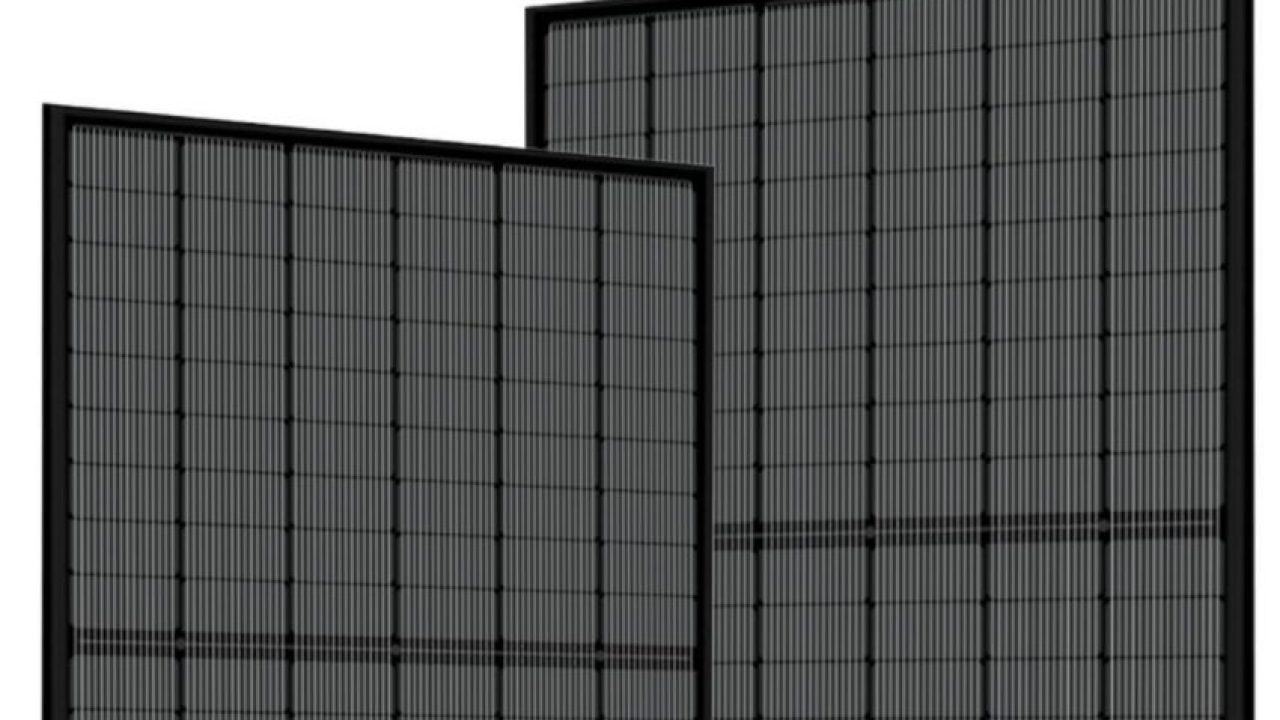
In The Future, The Company Will Continue To Promote New Research And Developments In The Solar Energy Industry To Meet Customer And Market Demands, Always Keeping Up With Sustainability Trends And The Growing Need For Clean Energy Worldwide. ZNShine Highlights That By Using Eco-Friendly Materials, Promote The Transformation Of Raw Material And Change The Structure Of The Solar Energy Industry, It Emphasizes The Potential Of Structures Made From Polyurethane.
The Company States That The New Structure Has Become An Excellent Choice For Aluminum Or Steel Alloy Frames, As A Replacement Product. In Light Of The New Needs Constantly Presented By The Market, Polyurethane Components Offer A Broader Application Perspective.
Carbon Emission From Polyurethane Solar Panels Is Only 10% Compared To Aluminum Emission
ZNShine Emphasizes That Currently, The Material For The Structure Of Solar Panels Is Mainly Aluminum, But Its Production Requires High Levels Of Electricity Consumption And Consequently Generates Large CO2 Emissions, Which Contradicts The Concept Of Environmental Protection And Electricity Savings.
Wang Reminds Us That The CO2 Emission From Polyurethane Is Only 10% Of The Emission From The Aluminum Structure. Thus, A New Structure Made Of Eco-Friendly Material With Greater Economy Is Introduced. Its Proposal Is Interesting And Long-Lasting, Serving As An Important Link To Generate Sustainable Development For The Entire Clean Energy Equipment.
Polyurethane Composites Have Excellent Physical Properties. After Testing, The Longitudinal Tensile Strength And Bending Strength Of The Product Can Achieve Over 1000 Mpa, Making It 7 Times Stronger Than Aluminum Alloy In Terms Of Strength. Another Aspect Highlighted By ZNShine Is That The Density Of The Polyurethane Composite Material Is 2g/cm³, Equivalent To Two-Thirds The Density Of Aluminum Alloy.
New Material Is Up To 30% Lighter Than Conventional Ones
The Company Emphasizes That The Product Comes With Unique Advantages, Allowing It To Replace Common Metallic Materials. The Parts Developed From Polyurethane Materials Are 15% To 30% Lighter Than Those Made From Common Aluminum Alloys.
In ZNShine’s View, The Corrosion Resistance Of Polyurethane Materials Is Quite Remarkable, As Acid-Base Salts And Other Substances Have No Effect On It, And The Composites Do Not Undergo Hydrolysis Reactions In Humid Environments, Exhibiting Excellent Resistance To Water And Aging From Heat And Humidity.










Seja o primeiro a reagir!