





 Português
  Inglês
  Espanhol
  3 min de leitura


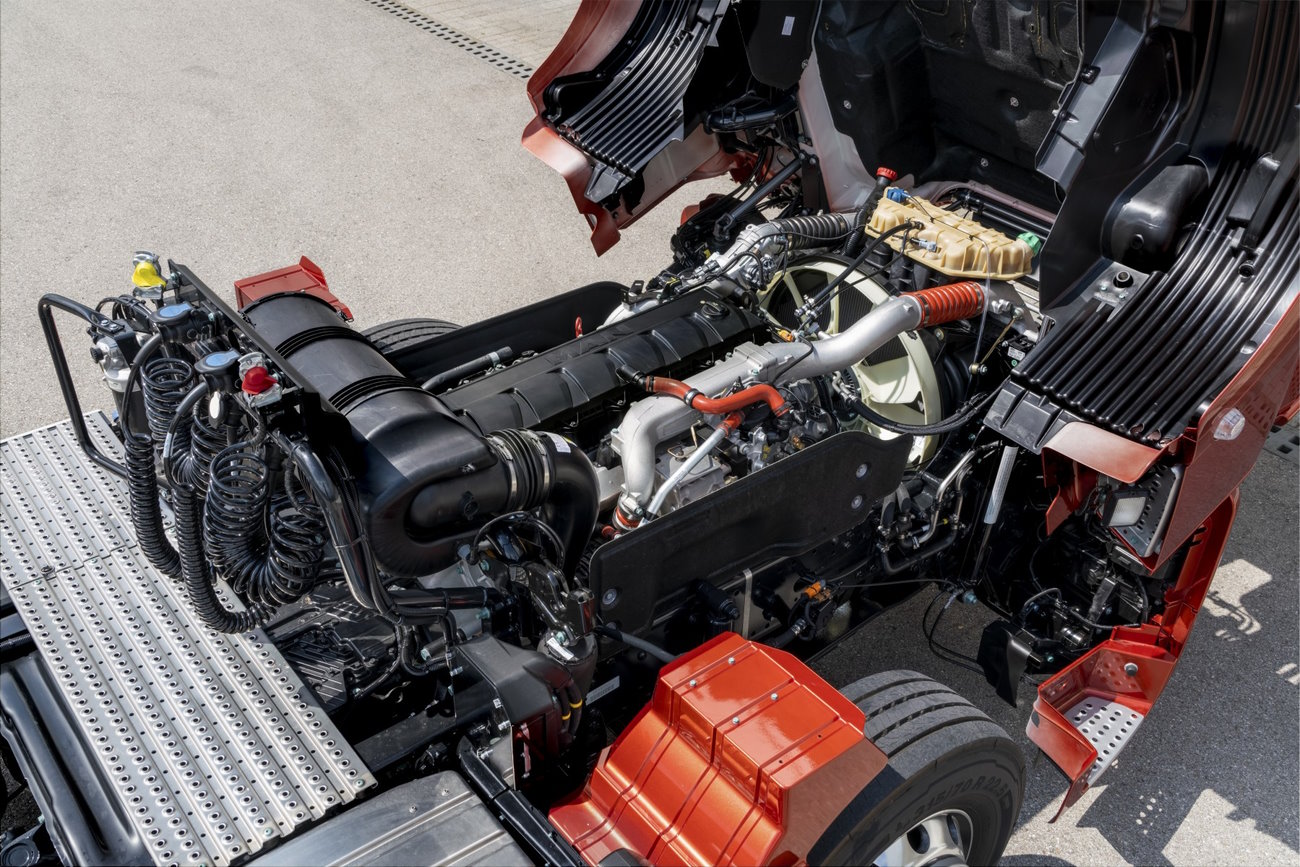
The Automotive Industry Is Advancing More and More With a Focus on Sustainability. Now MAN, the Truck Manufacturer, Is Developing a Hydrogen Engine.
The MAN, truck manufacturer, is developing a new internal combustion engine that could change the automotive industry. It is a hydrogen engine based on a powerful MAN D38 engine, the new MAN H45 is already in pre-construction. According to the German manufacturer, the new powertrain will be tested in MAN TGX trucks and operates quite similarly to diesel engines present in the market.
Tupy Will Supply Parts to MAN for the Construction of the Hydrogen-Powered Engine
Tupy, a Brazilian company located in Joinville, announced the signing of a contract for the exclusive supply of cylinder heads for the hydrogen engine developed by MAN, used in trucks, the MAN H45, which promises to revolutionize the automotive industry.
The announcement was made by the company last Thursday (4) and according to Tupy, in addition to zero carbon emissions, the engine brings significant NOx reduction compared to the diesel version, being even better than the requirements proposed in EURO VII, which is set to come into effect in 2027 in European countries, and which establishes stricter pollution emission standards.
-
OMODA & JAECOO grows in Europe in 2026 with an integrated strategy of sales, innovation, local production, and technological advancement in the United Kingdom, Italy, and Spain.

-
OMODA & JAECOO expands after-sales service in Brazil with competitive maintenance, a 7-year warranty, and high availability of parts for technological SUVs.

-
OMODA & JAECOO appoints Alessandra Souza as executive marketing director in Brazil and accelerates brand expansion with a focus on innovation, networking, and hybrid portfolio.

-
Jaecoo 7 with super hybrid SHS system exceeds 1,200 km of combined range with a 1.5 turbo engine, high-density battery, and intelligent energy management.


According to Tupy in its statement, this hydrogen engine solution will be used by major heavy vehicle manufacturers, such as MAN, due to its reduced cost, tolerance to hydrogen with a lower level of impurities, high operational efficiency, and superior durability.
Hydrogen Internal Combustion Engines are being seen by the automotive industry as one of the main alternatives to diesel, with a simpler and cheaper implementation than trucks equipped with fuel cells, for instance.
MAN has not yet set dates for the start of commercial production of the H45 engines, which will now undergo a testing cycle on highways in Europe and on test benches.
Scania and MAN Strike Deal to Boost Automotive Industry
In addition to hydrogen engine production, Scania and MAN, companies that are part of the Traton group, will utilize a new modular system starting in 2030 in the automotive industry.
Initially, the vehicles from Scania, Volkswagen, and MAN will share engines, transmissions, chassis, and other technologies. This is already happening in practice, such as the ADAS 2.0 system that uses the same blind spot radars for both MAN and Scania.
The Scania transmissions and engines will be used in MAN trucks until next year. This will also happen in Brazil, where Volkswagen Caminhões e Ônibus will use Scania engines instead of MAN units. The fate of the Cummins engines, which are present in certain products, remains unknown.
Hydrogen Also Arrives in the Aviation Sector
In addition to advancements in the automotive industry with MAN’s hydrogen engine, Zerovia, a company focused on hydrogen electric propulsion solutions, recently received from Alaska Airlines a Bombardier Q400 aircraft with capacity for 76 passengers to be converted with technology that emits no pollutants, as promised a few years ago.
The company is now aiming to advance its plans to test flights of the world’s largest hydrogen-powered aircraft sooner than expected, due to advancements in modular engine systems.
The company plans to commercialize hydrogen-powered aircraft starting in 2025, with a range of 482 km and capacity for 9 to 19 passengers. It is also making plans for flights with larger aircraft with capacity for 40 to 80 passengers and over 1000 km of range by 2027.









Seja o primeiro a reagir!