





 Portuguese
  English
  Spanish
  7 min of reading
  0 comments


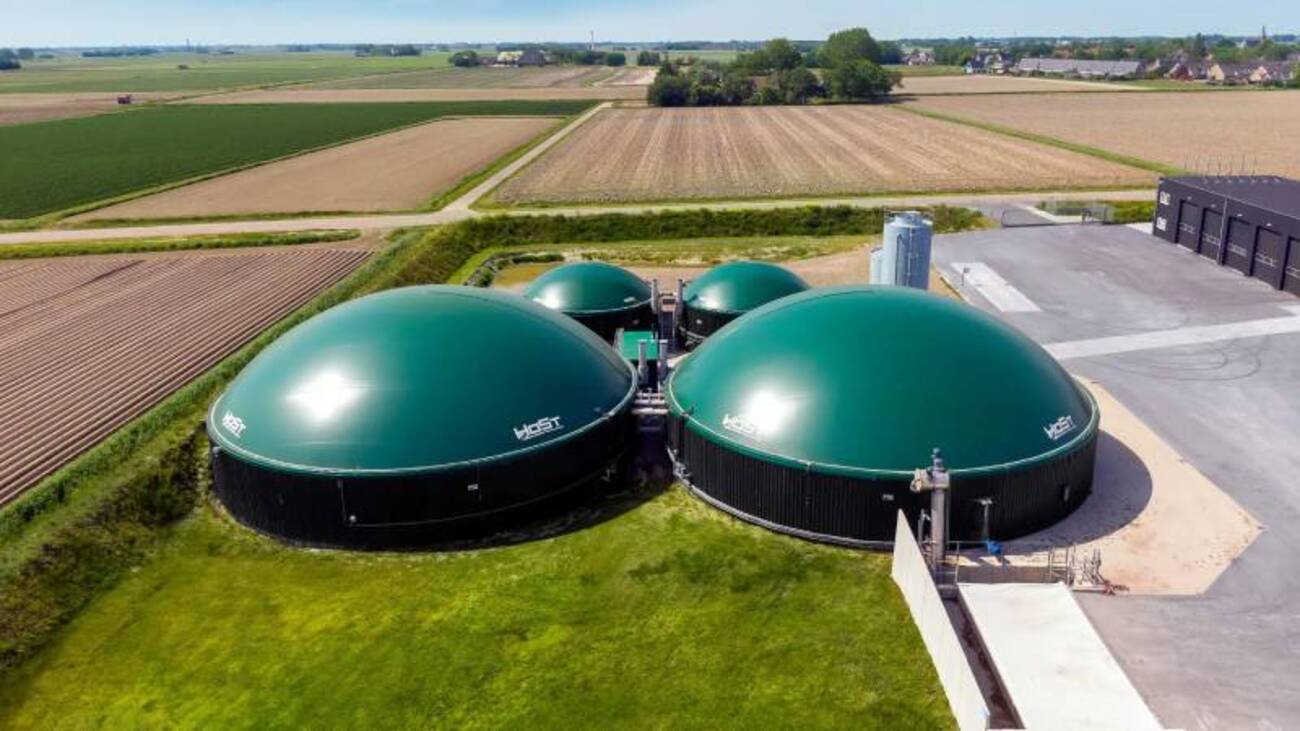
The definition of a target for biomethane boosts the bioenergy sector in Brazil, allowing sugarcane mills to convert vinasse and filter cake into renewable natural gas to supply heavy fleets and industries.
The National Energy Policy Council (CNPE) has established a new target for biomethane within the national biofuels policy, creating an extremely favorable scenario for ethanol mills across the country.
This strategic decision mandates the gradual integration of renewable gas into the consumption matrix. This encourages the sugar-energy sector to invest in purification plants and large-scale biodigesters.
Currently, mills produce millions of tons of organic waste, such as vinasse and filter cake, which previously served only as fertilizers. With the new guidelines, these by-products gain unprecedented commercial value by being transformed into biomethane. A direct and clean substitute for diesel and fossil natural gas.
-
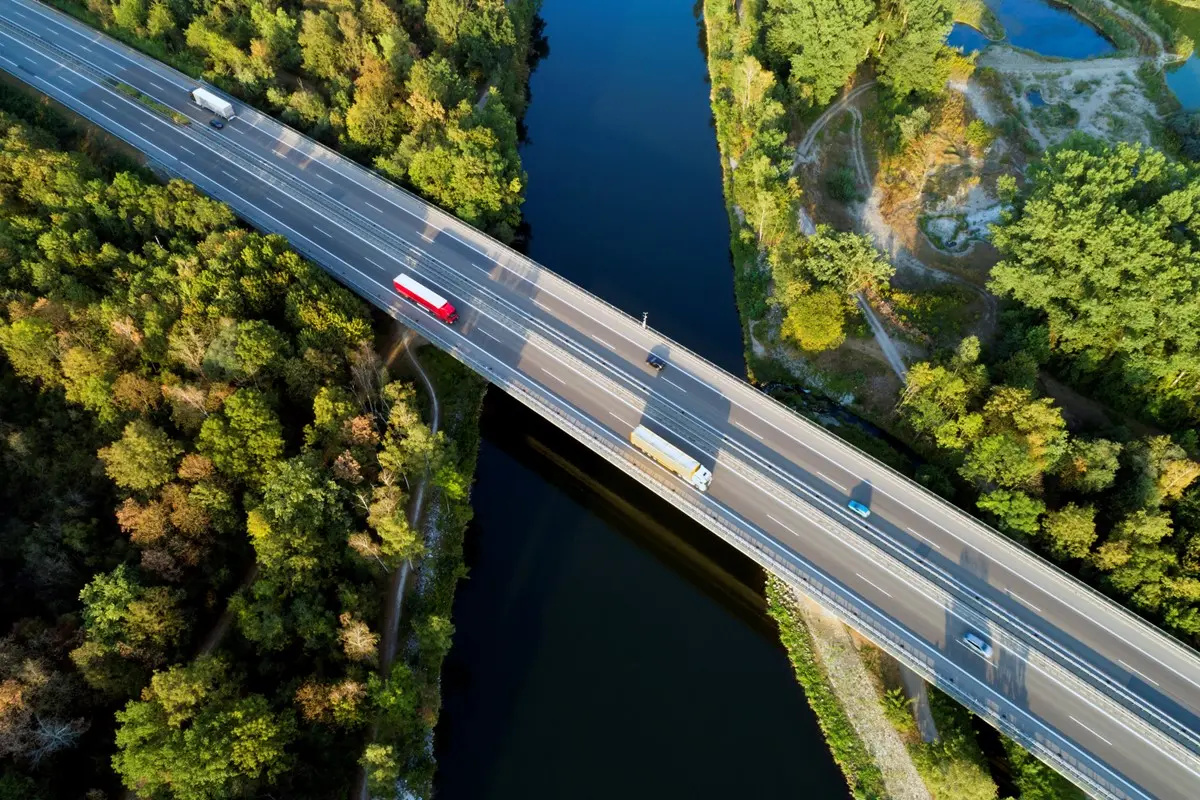
Brazil bets on biomethane, ethanol, and hydrogen as the definitive solutions for the decarbonization of heavy vehicles and the reduction of emissions in cargo transportation.
-
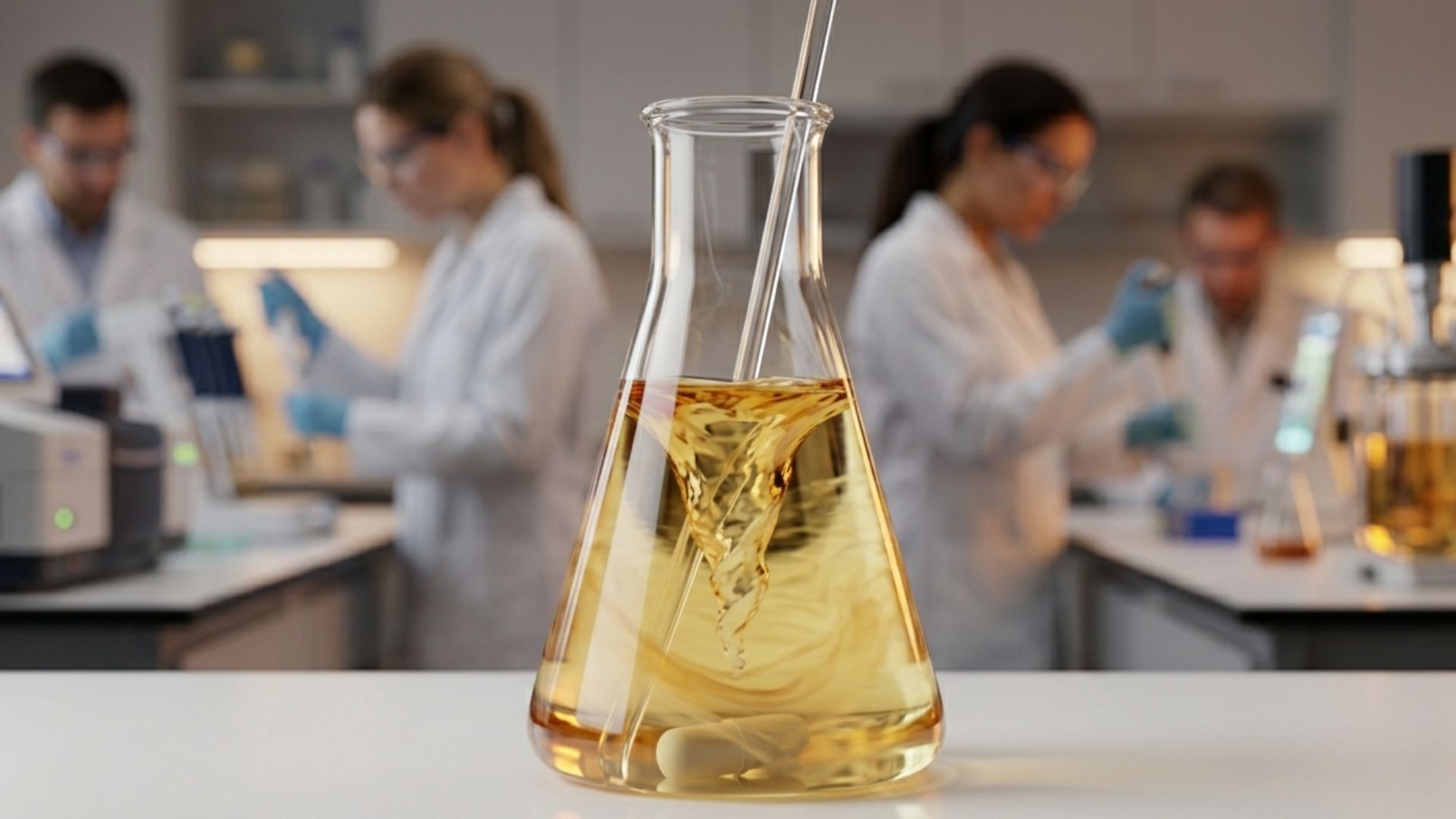
The biodiesel industry is pressuring the government for a simplified test to increase the blend with diesel and highlights the potential to attract investments, accelerate production, and consolidate Brazil’s leadership in biofuels.
-
Brazil accelerates hydrogen and biofuel projects to consolidate the fuel of the future and reduce dependence on oil by 2026.
-
CNPE strengthens policy and prevents imported biodiesel from being mixed with diesel, aiming to strengthen the Brazilian industry and protect jobs by reducing external dependence amid tensions in the global market.
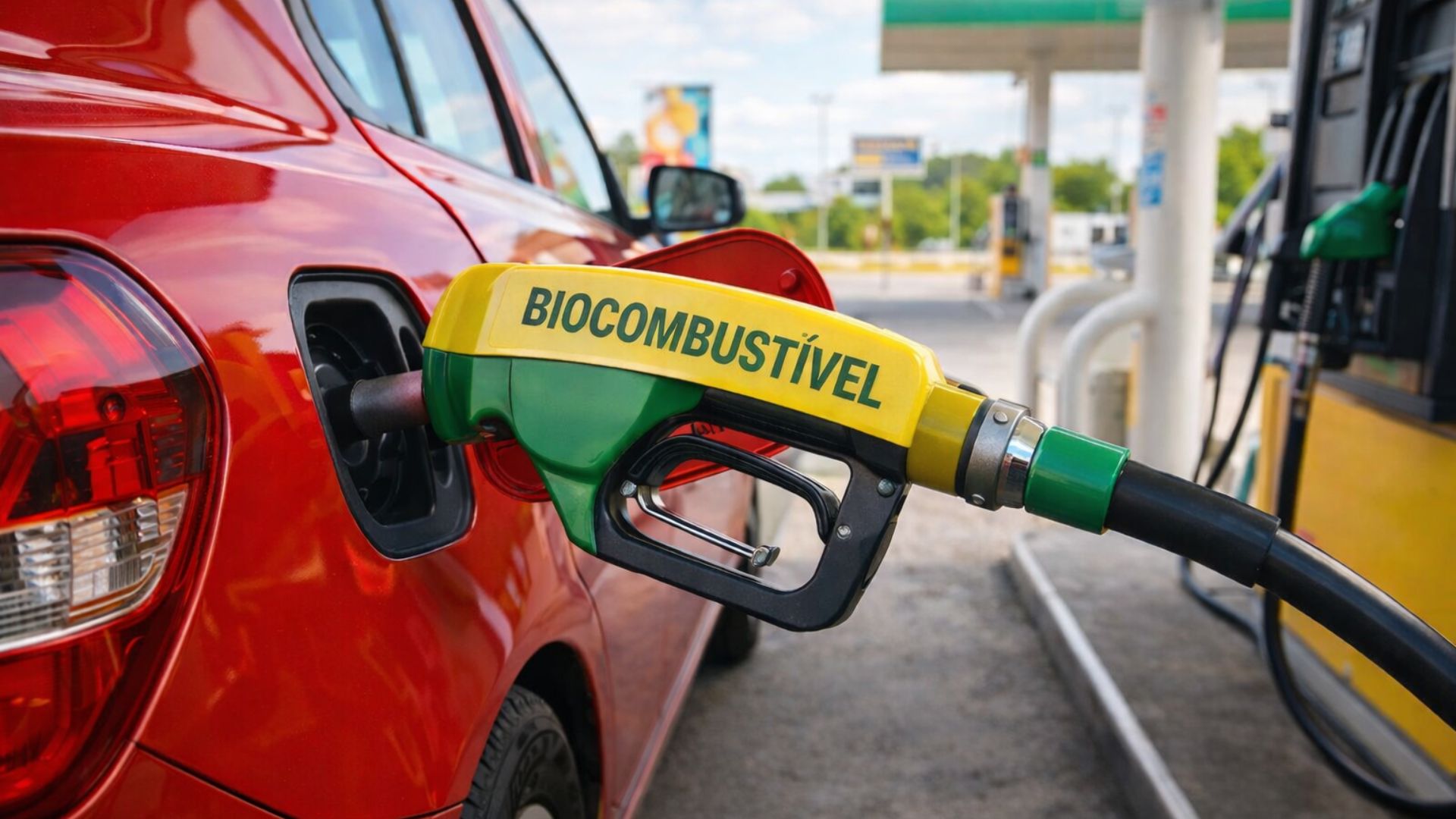
The measure aims to reduce dependence on fuel imports and accelerate the decarbonization of freight transport, utilizing the existing infrastructure in agribusiness.
Market experts predict a wave of billion-dollar investments in new biogas plants, thus consolidating Brazil as one of the world’s largest producers of renewable energy from biomass.
The potential of vinasse and the golden opportunity for mills
Ethanol mills generate about 12 liters of vinasse for each liter of fuel produced. Historically, the sector has disposed of this liquid waste into the soil through fertigation. Although the technique provides nutrients to sugarcane, it ignores the enormous energy potential contained in the material.
The new target for biomethane changes this logic by encouraging the capture of gas generated by the decomposition of this organic matter.
The biogas resulting from this process undergoes a refining stage, called upgrading, which removes carbon dioxide and other impurities. The final result is biomethane, a gas with purity exceeding 95%, identical to natural gas in terms of performance, but with a drastically lower carbon footprint.
By adopting this technology, the mill ceases to be just a producer of sugar and alcohol to become a multiproduct energy complex. Thus, increasing its financial resilience in the face of fluctuations in oil prices.
Reduction of logistical costs in sugarcane transport
The use of biomethane within the mills’ own operations represents an immediate competitive advantage. Currently, diesel consumes a considerable portion of the operational budget due to the intense flow of trucks transporting sugarcane from the field to the mill.
With the implementation of the target for biomethane, companies gain scale to supply their own fleets with the fuel produced “in-house”.

Gas-powered trucks are already circulating in various production units in the interior of São Paulo and Minas Gerais. These vehicles offer performance equivalent to conventional models, but with cost savings of up to 30%.
Moreover, the biomethane engine emits much less noise and particulate matter, improving working conditions and reducing environmental impact in rural communities neighboring the plantations.
Biomethane and the concept of “caipira pre-salt”
Have you heard the term “caipira pre-salt”? Energy sector analysts use this expression to describe the biogas potential of the interior of São Paulo and other sugarcane regions.
The analogy makes sense: while pre-salt oil requires exploration in ultra-deep waters, biomethane is available on the surface, ready to be captured from agribusiness waste.
The target for biomethane acts as the key that unlocks this renewable reservoir. It is estimated that the potential for biogas production in Brazil could replace almost half of all diesel consumed in the country.
As the mills are spread across various states, this production occurs in a decentralized manner, which reduces the need for large gas pipelines and strengthens regional energy security, away from the geopolitical volatility of major oil producers.
Filter cake as an ally in constant generation
In addition to vinasse, filter cake, a solid waste from the clarification of sugarcane juice, has a very high energy density. By mixing these two by-products in biodigesters, mills can maintain a constant and stable gas production throughout the entire harvest.
This stability is crucial for meeting the target for biomethane and for closing supply contracts with industries and gas distribution companies.


The full utilization of these residues transforms the environmental management of the mills. What was once seen as an environmental liability requiring extreme care to avoid contamination now appears on companies’ balance sheets as an extra source of revenue.
The sludge that remains after gas extraction continues to serve as fertilizer, but with even better quality, as the biodigestion process mineralizes nutrients and eliminates pathogens, impeccably closing the circular economy cycle.
Real impact: Energy independence and new jobs
The new government guideline generates a real impact on the economy of interior cities. The construction and operation of gas purification plants require skilled labor, from chemical engineers to industrial automation technicians.
The target for biomethane fosters the creation of a new technological cluster in Brazil, focused on biogas and low-emission solutions.
Municipalities hosting ethanol mills see an increase in tax revenue and local commerce activity. Additionally, the availability of renewable natural gas attracts other industries to these regions, such as glass, ceramics, and food factories, which seek clean energy to decarbonize their production processes.
Biomethane, therefore, acts as a driver of sustainable regional development, connecting the strength of the countryside with the needs of modern industry.
Biomethane in the carbon credit market
One of the major attractions for mills in meeting the target for biomethane is access to the carbon credit market. Biomethane has an almost zero greenhouse gas emission index and, in some cases, negative (when it prevents open-air decomposition).
Each cubic meter of gas produced generates environmental assets that companies can trade in RenovaBio and in international markets.
This additional revenue improves the cash flow of the mills and allows investments in new efficiency technologies. For investors seeking ESG (Environmental, Social, and Governance) assets, mills producing biomethane become priority targets.
The energy transition ceases to be merely a regulatory obligation to become a survival and growth strategy in a financial market that increasingly penalizes the use of fossil fuels.
Logistics: Biomethane as a solution for green freight
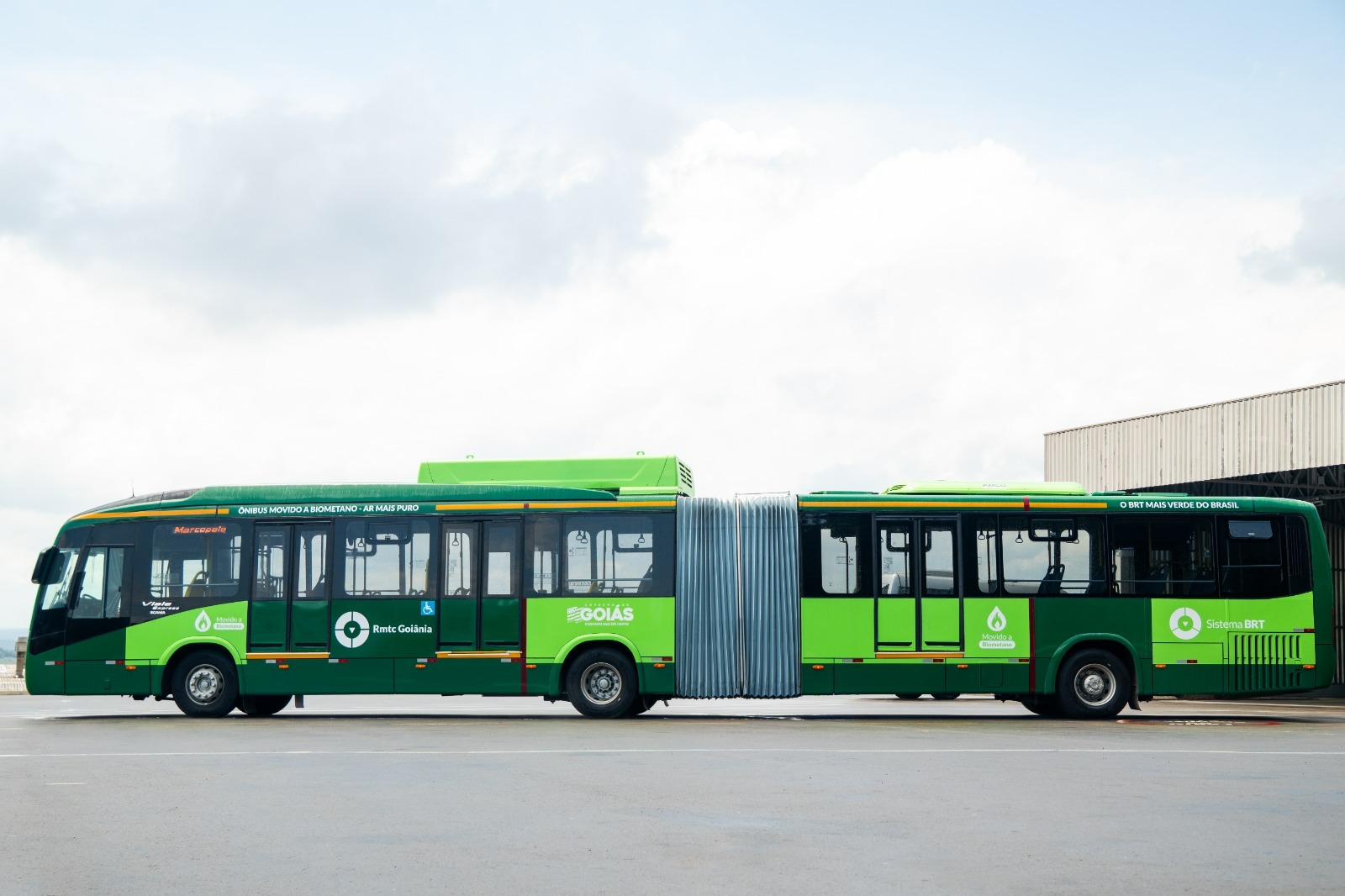
Road freight transport in Brazil relies almost exclusively on diesel. The introduction of the target for biomethane offers a viable alternative for transport companies serving large corporations with decarbonization goals.
The so-called “green freight” uses trucks powered by biomethane to deliver consumer products, thereby reducing the environmental footprint of the entire supply chain.
The mills occupy a strategic position in this logistics. Located near major highways, they can function as refueling stations for external fleets.
This creates a new business model: the mill ceases to be just a supplier of ethanol to fuel stations and becomes a direct energy supplier for logistics transport, leveraging its privileged location in the heart of national agricultural production.
Challenges: Infrastructure and regulation of the sector
Despite the optimism, the sector faces challenges to consolidate the target for biomethane. The biggest obstacle lies in the distribution infrastructure. While some mills are near existing pipelines, many others are isolated.
To address this, the market is betting on the “virtual pipeline,” where trucks transport compressed or liquefied gas to consumption centers.

Regulation also needs to advance to ensure that biomethane has the same competitive conditions as fossil gas. The federal government is working with regulatory agencies to simplify the licensing of biogas plants and standardize fuel quality standards.
This institutional alignment is vital for entrepreneurs to feel legal security to invest large volumes of capital in long-term projects, ensuring that the target is met efficiently.
Innovation: Liquefied biomethane (Bio-GNL)
One of the most promising trends for the sector is Bio-GNL, liquefied biomethane. By cooling the gas to very low temperatures, mills can reduce the volume of fuel by hundreds of times. This facilitates transportation over long distances and allows for refueling of high-autonomy trucks.
This technological innovation allows the target for biomethane to reach markets far from the producing regions. Bio-GNL also opens doors for the use of renewable fuel in the naval sector and in large mining machines, expanding the customer base for ethanol mills.
Brazil has the scale necessary to become the world’s largest exporter of liquefied biomethane, using its vast sugarcane cultivation area as an inexhaustible source of sustainable energy.
The new chapter of Brazilian agribusiness
The definition of a target for biomethane marks the beginning of a new era for Brazilian agribusiness. Ethanol mills, which have already transformed the transport matrix with liquid fuel, now take the lead in the gas fuel revolution.
Thus, the ability to transform organic waste into noble energy proves that innovation and sustainability are the pillars of modern productivity.
Meeting this target not only benefits the productive sector; it delivers cleaner air in cities, generates skilled jobs in the countryside, and ensures a more stable and independent economy. Biomethane ceases to be a futuristic promise to become the reality that drives Brazil towards a low-carbon economy.
Mills that embrace this opportunity today will be at the forefront of tomorrow’s energy market, transforming the “caipira pre-salt” into real and sustainable wealth for the entire country.








Seja o primeiro a reagir!