





 Portuguese
  English
  Spanish
  3 min of reading
  0 comments


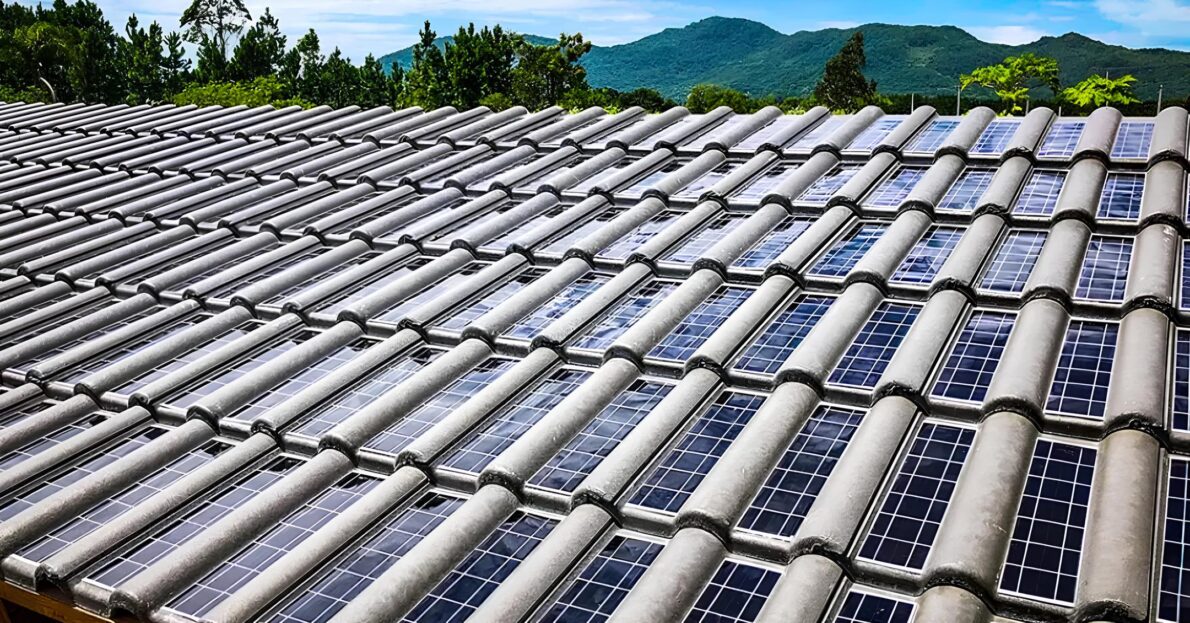
New Brazilian Solar Tile Promises to Drastically Reduce Electricity Bills. In Addition to Providing Significant Savings, These Solar Tiles Have a Lifespan of Over Three Decades.
The electricity bill in Brazil is one of the highest in the world. This happens because, in addition to paying for the electric service itself, Brazilians also bear taxes, charges, and losses that lead to such high expenses. According to the National Electric Energy Agency (Aneel), the energy bill may rise by an average of 5.6% in 2024. Thus, the new solar tiles from Eternit and Tégula Solutions for Roofs could be a great option for cost reduction.
New Brazilian Solar Tile Can Generate Up to R$ 120 in Savings on Electricity Bill
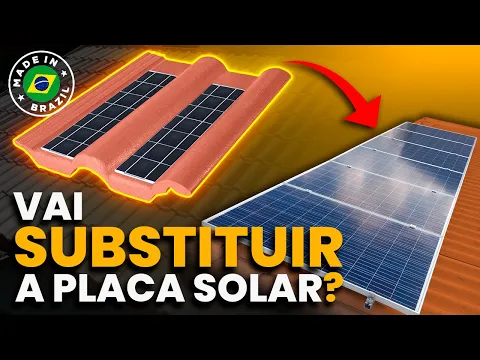

In this unpredictable scenario in Brazil, a Brazilian solar tile is capable of reducing the electricity bill by up to R$ 120; the model has an average lifespan of 20 to 30 years and adapts to any construction.
The collaboration between the renowned company Eternit and the specialized Tégula Solutions for Roofs resulted in the development of the latest models of solar tiles from the Tégula Solar line, now officially certified by Inmetro for sale.
-
Seagri’s headquarters invests in solar energy with Neoenergia Coelba and promises to cut electricity costs, highlighting a strategic advance in sustainability and energy efficiency within state public administration.
-
Solar Pyramid draws attention by converting solar energy into million-dollar savings and repositioning the City Hall of Curitiba as an example of innovation, sustainability, and intelligent use of public resources.
-
Europe records strong euro economy with solar energy in March and sparks curiosity about which country leads growth that redefines the energy market and reduces costs.

-
Piauí reaches a historic milestone in energy transition: State records nearly 160,000 households powered by solar energy and leads growth in the Northeast.
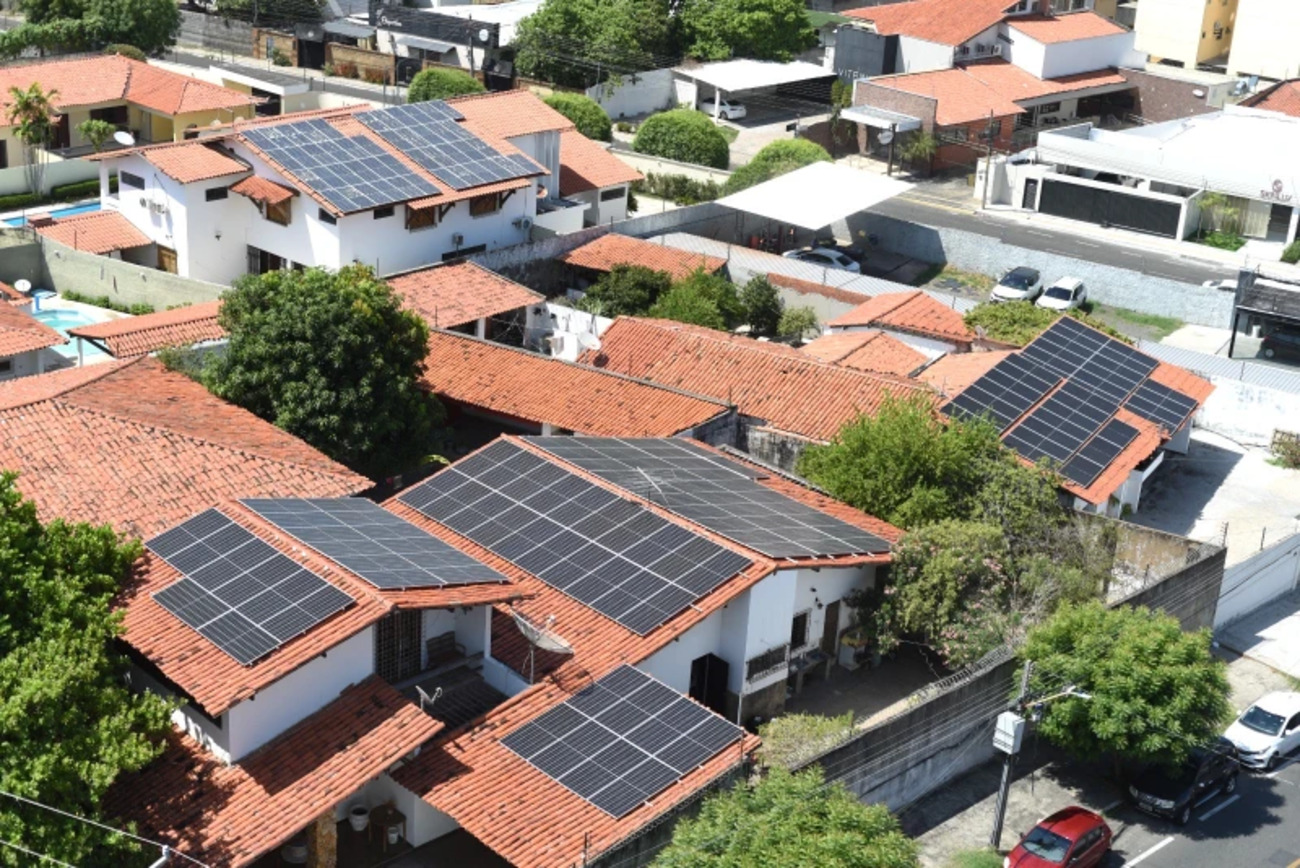

Moreover, according to information released by the media, the Brazilian solar tile is highly praised for its more attractive aesthetics and integration into building designs, surpassing the harmony of conventional solar panels.
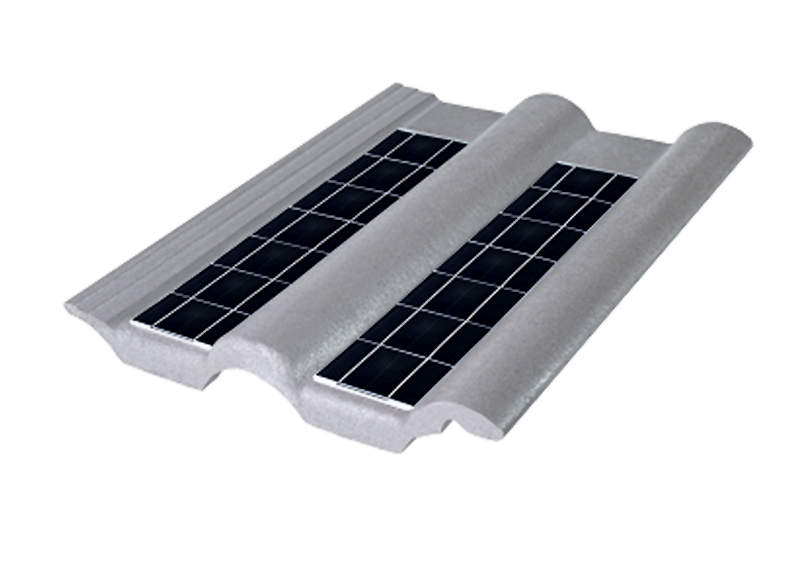
The latest line of photovoltaic tiles, which includes the models BIG-F10C, BIG-F11, Plana F-12, and Plana F-15, was developed with a focus on simplifying the installation process and providing a significant increase in energy generation capacity.
For example, the BIG-F10C stands out as an ideal choice for installation on existing roofs or during renovations, featuring a capacity of 10 Wp and an average energy generation of about 1.25 kWh per month per tile.
The BIG-F10C, BIG-F11, and PLANA-F15 tiles are now certified by INMETRO under the registrations BIG-F10C – 006825/2022, BIG-F11 – 00785/2022, and PLANA-F15 – 007263/2022, and can be sold by the group.
How Much Does It Cost?
According to data shared by Portal Solar, the average price of the tile is R$ 764.75 per m², with a solar tile capable of generating about 1.15 kWh.
Check the company’s official catalog . CLICK HERE!
Solar Tiles with a Lifespan of 30 Years Deliver 20% More Power
These advancements represent not only an evolution in the efficiency of photovoltaic systems, but also a response to the demand for more accessible, sustainable, and efficient energy solutions integrated into built structures.
The BIG-F11 model, the successor to the BIG-F10, boasts a significant evolution, offering a 20% increase in power, now reaching 11Wp. This improvement in the Brazilian solar tile results in a potentially even greater savings, reaching up to R$ 120 on the electricity bill for systems composed of 500 installed tiles.
On the other hand, the PLANA-F15 stands out for its 15Wp capacity and a more efficient distribution of photovoltaic cells over the tile area. This characteristic positions it as the most robust model when analyzing the ratio between generated power and the area occupied by the roof.
Eternit Obtains Green Patent Registration from INPI
Along with the launch of the new models of solar tiles, Eternit obtained the registration of a green patent granted by INPI, in recognition of the development of an innovative and unprecedented manufacturing process in the market.
This exclusive method makes the application of the solar energy collection module directly on the new Brazilian solar tile feasible, granting the company the exclusive right to commercially exploit this technology in Brazilian territory.
It is worth mentioning that the company has resumed robust investments. Even during judicial recovery, the company inaugurated a unit for the production of fiber cement tiles. Located in Caucaia, Ceará, the unit received investments of R$ 187 million and will initially produce 7,000 tons per month.
Since 2020, the company has invested over R$ 400 million in expanding its production capacity. With the installation of 2,160 solar tiles, the unit can serve as a model in sustainability for the company’s future projects, taking advantage of the increase in demand for solar energy and diversifying its operations.








Seja o primeiro a reagir!