





 English
  Francês
  Alemão
  Italiano
  Japonês
  Norueguês
  Portuguese
  Spanish
 6 min of reading
  0 comments



With the Sanction of the Offshore Wind Energy Law, Rio de Janeiro Advances in Marine Spatial Planning, Creates a Clearer Regulatory Environment, and Strengthens the Energy Transition in the Offshore Sector
On January 8, 2025, the Governor of Rio de Janeiro, Cláudio Castro, sanctioned Law No. 11.095/2025, which establishes the state policy to support offshore wind energy, marine spatial planning, and the energy transition in the state. According to an article published by the MegaWhat portal on Monday (12), the sanction was published in the Official Gazette and represents a relevant advancement in organizing the use of Fluminense maritime space and encouraging the development of renewable sources in the offshore environment.
The new legislation establishes guidelines for maritime territorial planning and reinforces the state’s coordination with the federal government in developing offshore energy potential. The initiative positions Rio de Janeiro as one of the main strategic hubs in the country for the energy transition, within a context of growing interest in offshore wind energy projects.
Offshore Wind Energy Law and the New Regulatory Framework in Rio de Janeiro
Right at the outset, the law prioritizes technical support for national offshore energy planning, the organization of coastal zone use, and the contribution of environmental, territorial, and socioeconomic data, considered essential for long-term decisions in the sector.
-
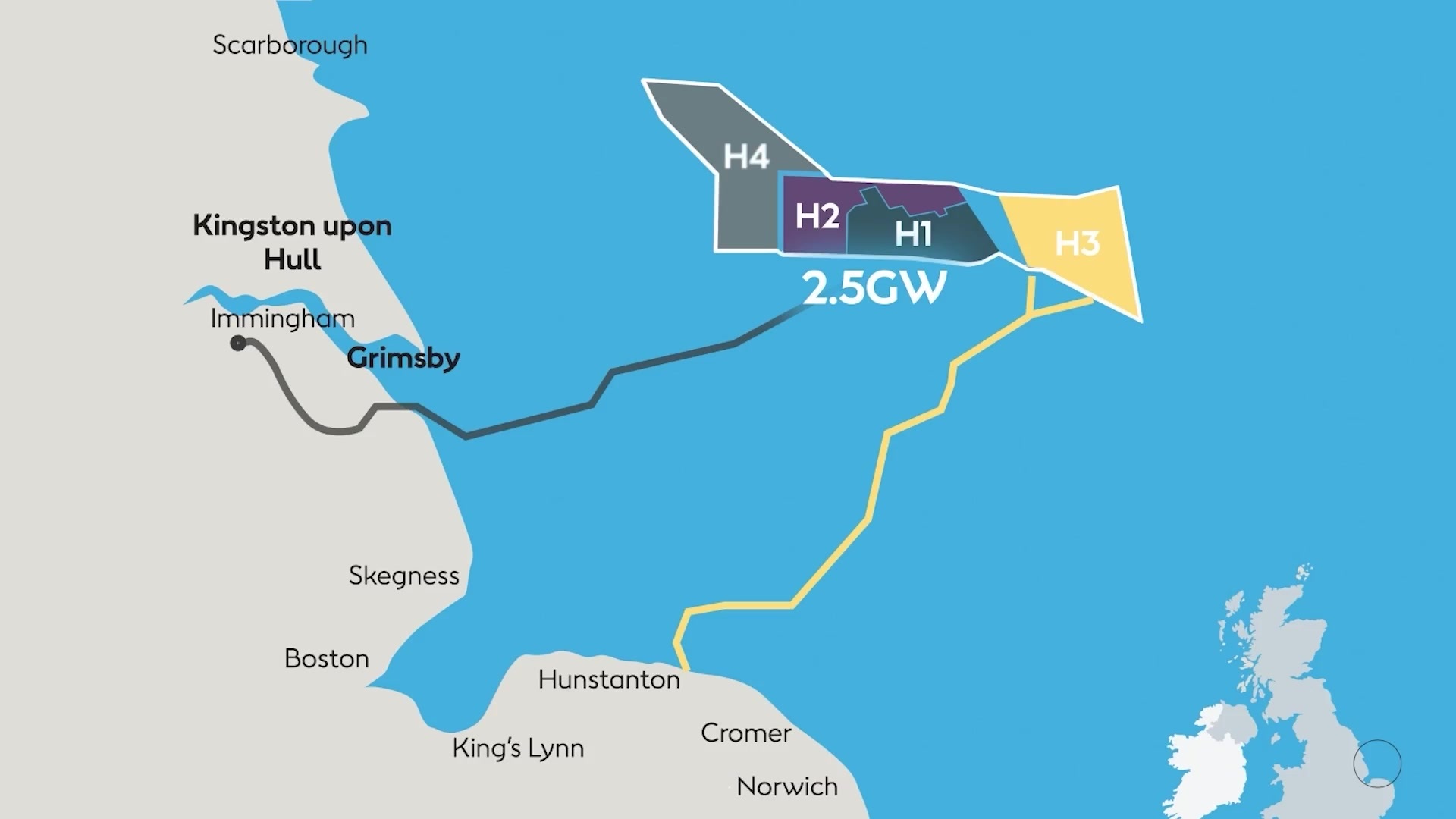
231 turbines of 260 meters at 160 km from the coast, monopiles weighing as much as nine blue whales embedded in the North Sea, and a crane ship taller than the Eiffel Tower: Hornsea 3 will be the largest offshore wind farm on the planet by 2027, and its first components have already arrived in England.
-
International Certification Puts Senai Norte on the Renewable Energy Map and Expands Access to Essential Training for Qualified Wind Power Professionals

-
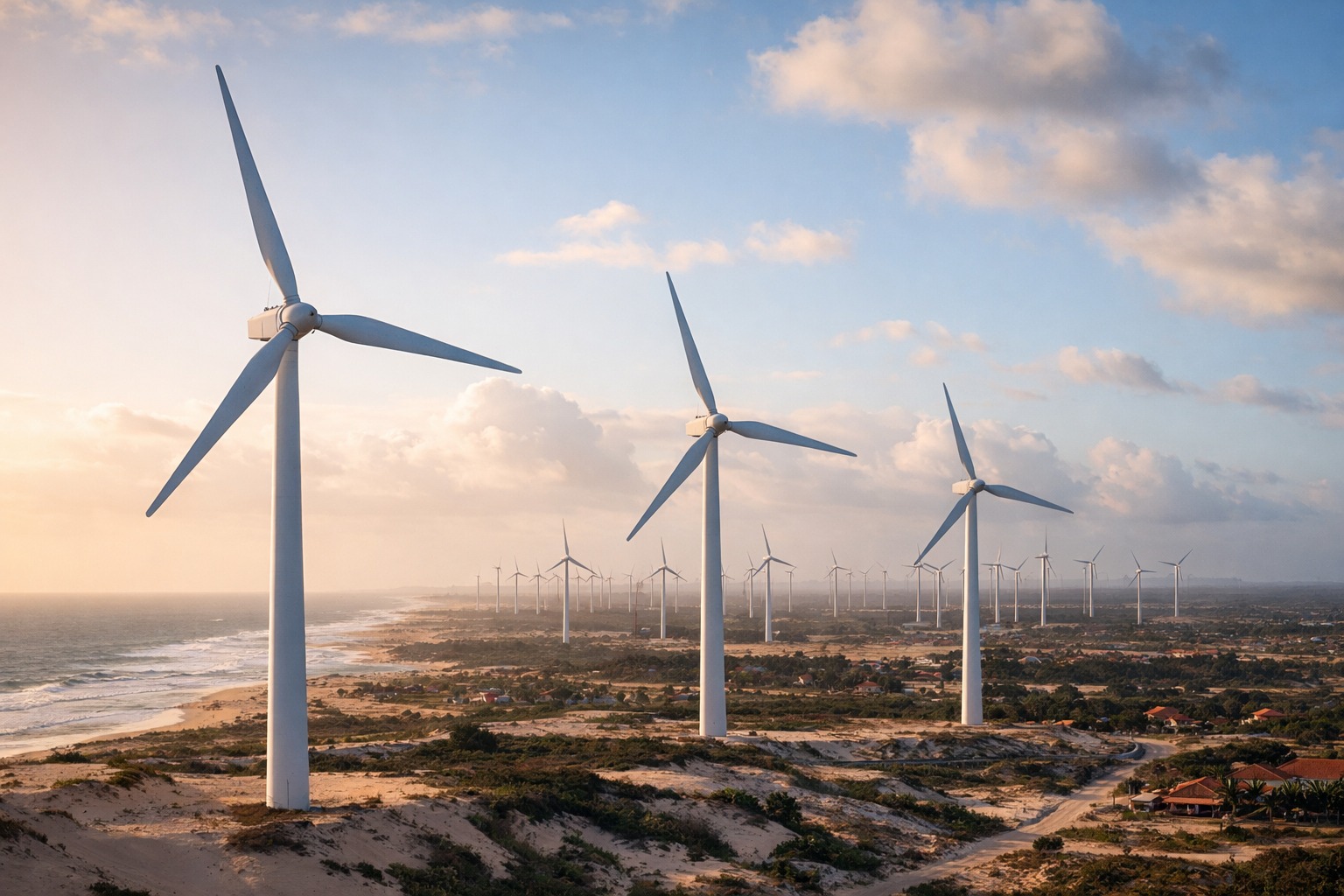
The Winds of the Northeast Are in Foreign Hands: Nearly 70% of the Region’s Wind Farms Are Owned by International Companies, with France, China, and Italy Leading Investments in Wind Energy in Brazil
-
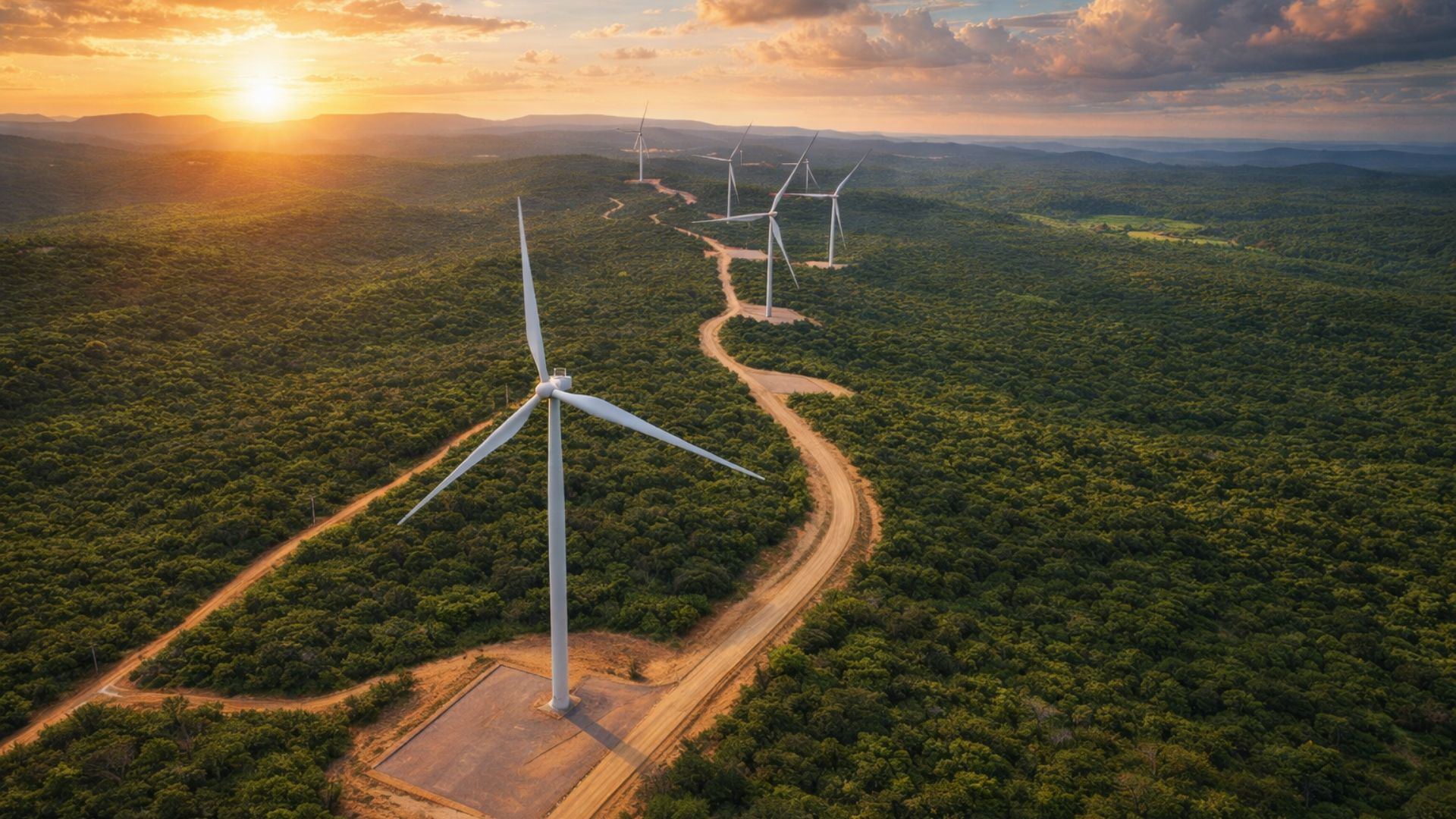
Echoenergia’s Wind Farms Receive Diamond and Platinum Seals and Boost Carbon Credits with Projects that Prevent Large Volumes of Annual Emissions

The Offshore Wind Energy Law creates a specific state public policy to support the development of this segment in Rio de Janeiro, respecting federal competencies, especially regarding environmental licensing. The focus of the law is on territorial organization, strategic planning, and technical support for national decisions.
The legal text recognizes that the advancement of offshore energy transition requires institutional coordination and regulatory predictability, especially in regions with intense maritime economic activity. Therefore, the law provides for cooperation mechanisms between state and federal agencies, in addition to the sharing of studies and technical diagnostics.
By establishing clear guidelines for the use of the sea, the legislation seeks to reduce conflicts between activities such as energy generation, fishing, navigation, oil exploration, and environmental preservation, strengthening marine spatial planning as a structuring instrument of energy policy.
Institutional Coordination and Planning of the Offshore Energy Transition
One of the pillars of the Offshore Wind Energy Law in Rio de Janeiro is coordinated action with the federal government. The state commits to collaborating with national planning, providing technical support and strategic information for the development of offshore projects.
This integration is essential to ensure efficiency, legal security, and environmental sustainability, especially in light of the rapid growth of offshore wind energy projects in different regions of the country. Marine spatial planning, in this context, emerges as a central element to enable the expansion of the energy transition without compromising other economic activities.
The state policy also provides for the continuous preparation and updating of territorial, environmental, and socioeconomic studies, which will serve as a basis for public and private decisions related to offshore energy.
Structural Advantages of Rio de Janeiro for Offshore Wind Energy
According to the Secretary of Energy and Maritime Economy, Rio de Janeiro has structural conditions that place it in a prominent position in the development of offshore energy in Brazil. Among the main factors are the already established port infrastructure, proximity to large consumer centers, and accumulated experience in the offshore oil and gas industry.
The presence of a qualified workforce and an already established supply chain reduces costs and risks for new projects, making the state highly competitive. These advantages reinforce the role of the Offshore Wind Energy Law as an instrument for attracting investments aligned with the energy transition.
The secretary of the department, Cássio Coelho, highlighted that the state is advancing in essential technical studies to support marine spatial planning, ensuring efficient and sustainable planning for the installation and operation of offshore wind farms.
Marine Spatial Planning as the Basis of State Energy Policy
Marine spatial planning occupies a central position in the new policy established by the Offshore Wind Energy Law. The legislation recognizes that the absence of territorial planning can generate conflicts, regulatory delays, and negative environmental impacts.
Organizing the use of maritime space is an essential condition for the safe advancement of the energy transition, especially in areas where multiple economic activities coexist. The state intends to contribute with technical data that guide the definition of priority areas, use restrictions, and compatibility zones among different enterprises.
This approach aims to reduce uncertainties for investors and regulatory agencies, in addition to strengthening environmental protection and the rational use of marine resources in Rio de Janeiro.
Offshore Wind Energy Projects Under Development in Rio de Janeiro
Rio de Janeiro already has pilot projects and memorandums of understanding aimed at offshore wind energy. Companies such as TotalEnergies, Petrobras, and Neoenergia have initiatives or studies underway in the region, highlighting the interest of the private sector.
Several projects are associated with the Port of Açu, which is consolidating itself as a strategic hub for the logistics and operation of offshore enterprises. This infrastructure strengthens the state’s position in the energy transition chain by offering operational and industrial support for the projects.
According to data from Ibama, as of March 2025, there were 38.7 GW in 16 offshore wind generation projects filed in Rio de Janeiro, placing the state among the national leaders in requested capacity.
National Overview and Challenges of Marine Spatial Planning
At the national level, Ibama recorded 247.3 GW in 104 offshore wind energy initiatives as of March 2025. Rio Grande do Sul leads in requested capacity, followed by Ceará, while Rio de Janeiro occupies third place.
Despite the high potential, the environmental agency warned of overlaps between projects and other maritime activities. In Rio de Janeiro, 3,500 km² of a total of 9,600 km² in project areas have some degree of overlap, according to Ibama.
This data reinforces the importance of marine spatial planning provided for in the Offshore Wind Energy Law, as a tool to mitigate conflicts, reduce environmental risks, and ensure greater efficiency in the licensing and implementation of projects.
Economic Impacts and Strengthening of the Energy Transition
In addition to environmental and regulatory effects, the Offshore Wind Energy Law in Rio de Janeiro has the potential to generate significant economic impacts. The state policy provides for incentives for the training of specialized labor and the development of local production chains linked to offshore energy.
The expansion of offshore wind energy can boost sectors such as shipbuilding, logistics, technical services, and port infrastructure, creating jobs and increasing state revenue. These effects reinforce the role of the legislation as an instrument for economic development associated with the energy transition.
The integration between the public sector, private initiative, and research institutions is seen as essential to maximize the benefits of the policy and consolidate the state as a national reference in the segment.
A New Positioning of Rio de Janeiro in the Brazilian Energy Scenario
The sanctioning of the Offshore Wind Energy Law, on January 8, 2025, represents a strategic move by Rio de Janeiro to position itself competitively in the energy transition landscape. By integrating territorial planning, marine spatial planning, and technical support for the development of offshore projects, the state creates stronger foundations to attract investments and reduce uncertainties.
The legislation does not eliminate existing challenges, such as overlaps in areas and the need for coordination with federal agencies, but it offers important tools to face them in a structured manner.
With this initiative, Rio de Janeiro reinforces its prominence in the national energy agenda, aligning economic growth, legal security, and environmental sustainability in a sector considered strategic for the country’s future.









Seja o primeiro a reagir!