





 Portuguese
  English
  Spanish
  4 min of reading
  0 comments


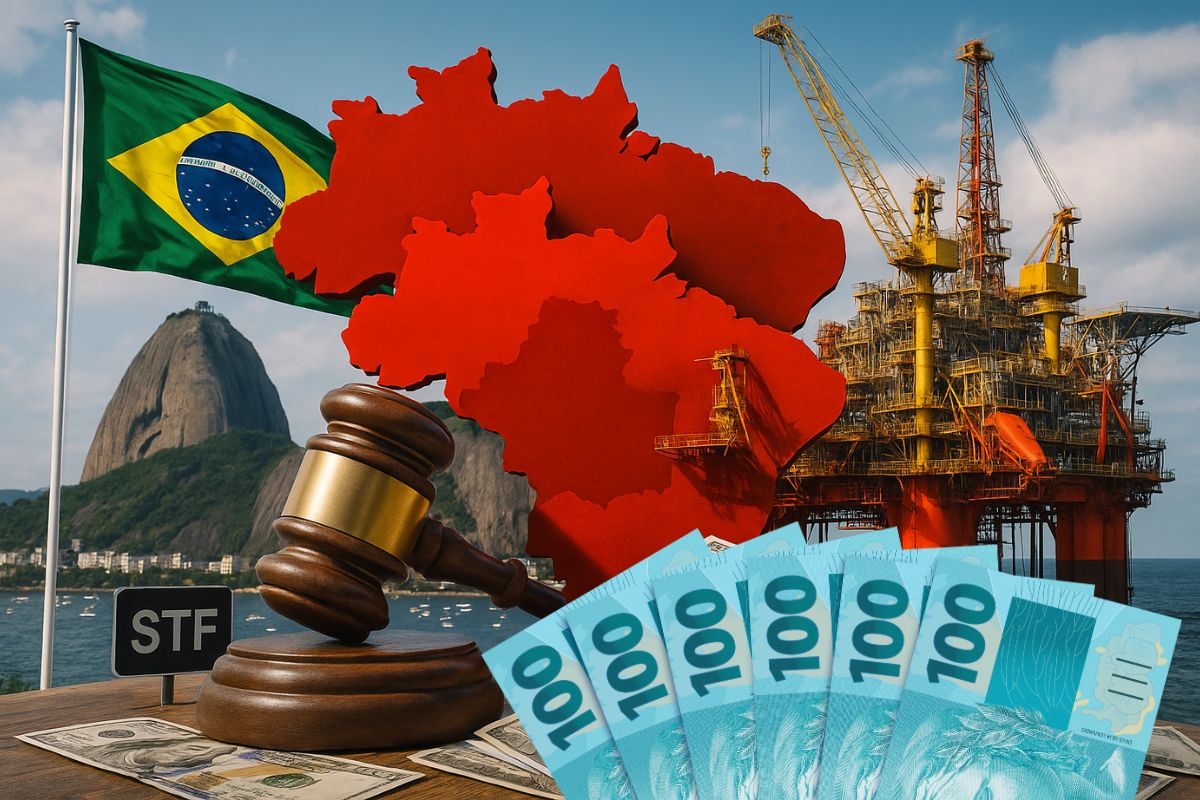
The Supreme Court Unanimously Rejected The Request From Alerj To Allow The Collection Of ICMS On Oil, Confirming That The Tax Only Applies In The State Of Consumption And Not On Extraction, Maintaining The Billion-Dollar Loss Of Revenue For Rio de Janeiro.
According to information gathered by the Conjur portal, the Supreme Court (STF) unanimously decided that the state of Rio de Janeiro remains prohibited from collecting ICMS on oil extracted from its platforms, rejecting the request presented by the State Legislative Assembly (Alerj). The decision reaffirms that there is no incidence of the tax at the extraction stage, since crude oil is not considered a commodity in circulation.
The ruling represents yet another defeat for the fluminense government, which sought to recover part of the revenue lost due to Constitutional Amendment 33/2001, responsible for establishing that ICMS on petroleum-derived fuels must be paid in the state of consumption, and not at the origin.
STF Reinforces Understanding That Extraction Is Not Circulation Of Goods
The vote of the rapporteur, Minister Kassio Nunes Marques, was followed by all ministers of the Court. He emphasized that oil extraction does not constitute a commercial operation, as there is no transfer of ownership nor economic circulation of the commodity.
-
Brazilian giant expands borders in the Southeast: Petrobras confirms new oil discovery in ultra-deep waters in the pre-salt of the Campos Basin.

-
Alert in the global energy market: Severe tropical cyclone hits the coast and disrupts gas production at major plants in Australia, threatening global supply.

-
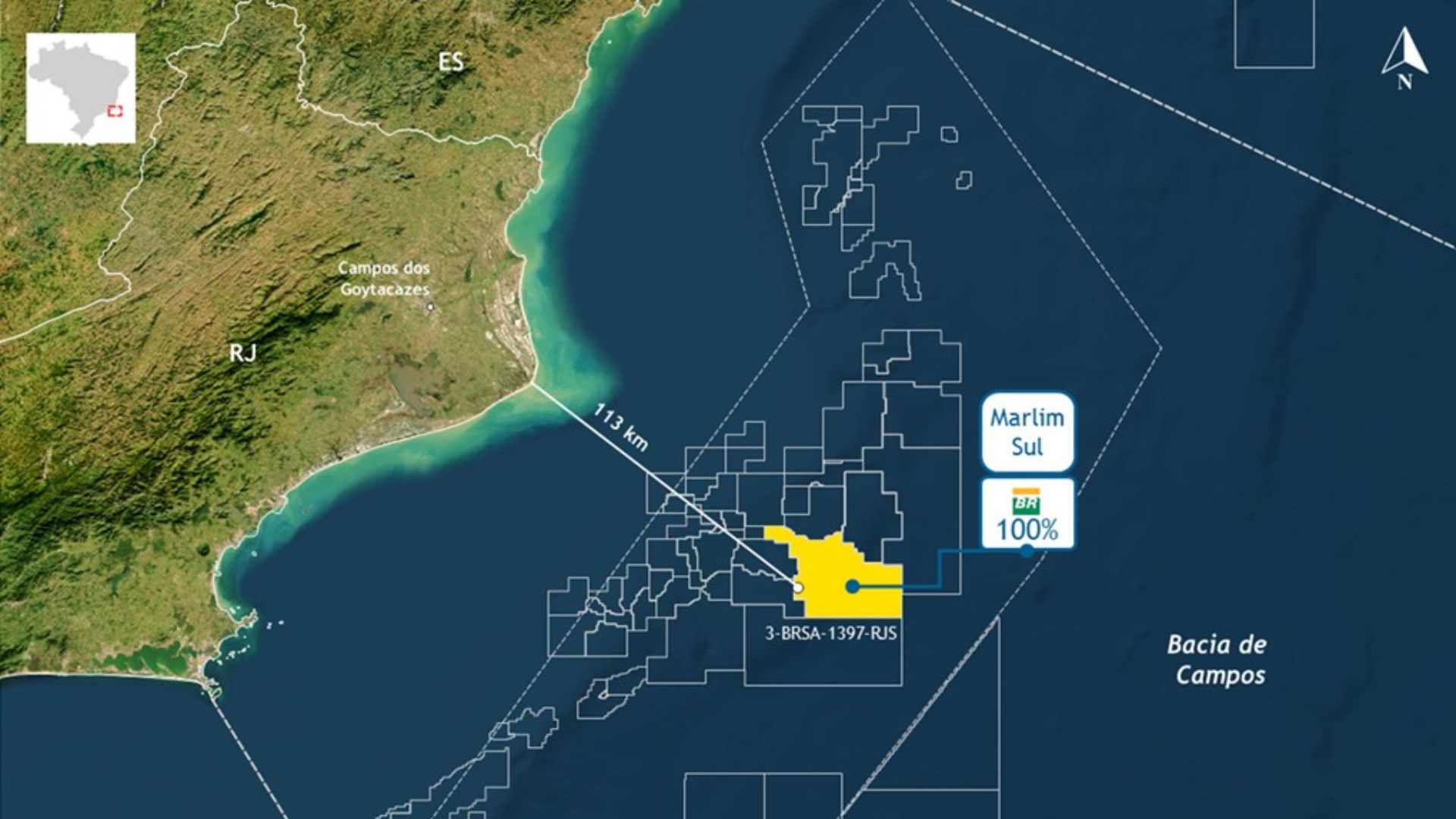
Petrobras finds high-quality oil in the pre-salt at 113 km from RJ and reignites expectations about strategic reserves in the Campos Basin.

-
Ocyan opens registrations for startups focused on innovation in the oil and gas sector and will select projects for Innovation Day with the support of Nexio.


The rapporteur cited precedents from the STF itself, including the ruling of ADI 5,481, which had already consolidated this understanding.
According to Nunes Marques, the Constitution is clear in stating that ICMS applies to the circulation of goods and services, not to the exploration or extraction of natural resources.
The minister also emphasized that the constitutional model provides for specific compensation mechanisms for producing states, such as royalties and special participations, precisely to balance revenue losses.
Arguments From Alerj And Economic Impact For The State
In the request submitted to the Supreme Court, Alerj argued that the change brought about by Constitutional Amendment 33/2001 generated financial imbalance for Rio de Janeiro, one of the largest oil producers in the country.
The state argued that it should have the right to tax part of the extraction, as the exploration activities occur within its territory and involve environmental and infrastructure costs.
The Court, however, maintained the interpretation that the constitutional amendment did not remove the autonomy of the states, but merely defined in which federative unit the tax should be collected.
Thus, taxation remains with the consuming states of petroleum derivatives, such as São Paulo, Minas Gerais, and Bahia.
For the fluminense government, the decision represents yet another loss of billion-dollar revenue, adding to the already known dependency on oil royalties.
Experts assess that the inability to collect ICMS on extraction limits Rio’s fiscal capacity and reinforces its vulnerability to fluctuations in barrel prices and offshore production.
Royalties And Special Participations Continue As Compensation
The STF emphasized that royalties and special participations are the constitutional instruments of compensation for oil-producing states.
These transfers represent a way to redistribute the gains from exploration, considering the environmental and social impacts caused by the activity.
According to the rapporteur minister, the current system seeks to preserve federative balance, ensuring that producing states receive resources even without the collection of the tax.
“The Constitution outlined a sharing model that replaces direct taxation with compensation through royalties,” highlighted Kassio Nunes Marques.
Still, the issue remains a source of dissatisfaction among producing states, which claim that the transfers are insufficient to compensate for fiscal losses and local costs of oil exploration.
STF Understanding Consolidates And Ends New Attempt By Alerj
With this decision, the Supreme Court ends yet another attempt by Rio de Janeiro to reverse the legal understanding on the subject, reaffirming the impossibility of charging ICMS on oil at the extraction stage.
The Plenary followed the same line as previous rulings, consolidating the Court’s position and creating legal certainty for the energy sector and for consuming states.
For the ministers, allowing producing states to collect the tax would open up room for double taxation and create imbalances in the national supply chain, directly impacting fuel prices.
The decision of the STF maintains the current model of collecting ICMS on oil, which benefits consuming states and leaves producers dependent on royalties and special participations.
The outcome reinforces the tension between fiscal autonomy and federative balance, especially for Rio de Janeiro, whose economy has a strong link to the oil and gas sector.
And you, do you think Rio de Janeiro should have the right to charge ICMS on the oil it extracts, or is the current compensation system sufficient? Do you believe this affects fiscal justice among states? Leave your opinion in the comments; we want to hear from those closely following the impact of this impasse in the energy market.









-

Uma pessoa reagiu a isso.