





 English
  Francês
  Alemão
  Italiano
  Japonês
  Norueguês
  Portuguese
  Spanish
  3 min of reading



The State of Rio and Its Municipalities Will Lose R$ 56.2 Billion Between 2020 and 2023, According to Estimates from the National Petroleum Agency (ANP), Making Their Budgets Unviable.
A trial scheduled for November 20 at the Supreme Federal Court (STF) will define the future of Rio’s finances. The court’s plenary will decide on the validity of a law that changes the distribution of oil royalties, reducing the revenue of producing regions.
If it comes into effect, the State of Rio and its municipalities will lose R$ 56.2 billion between 2020 and 2023, according to estimates from the National Petroleum Agency (ANP), making their budgets unviable.
-
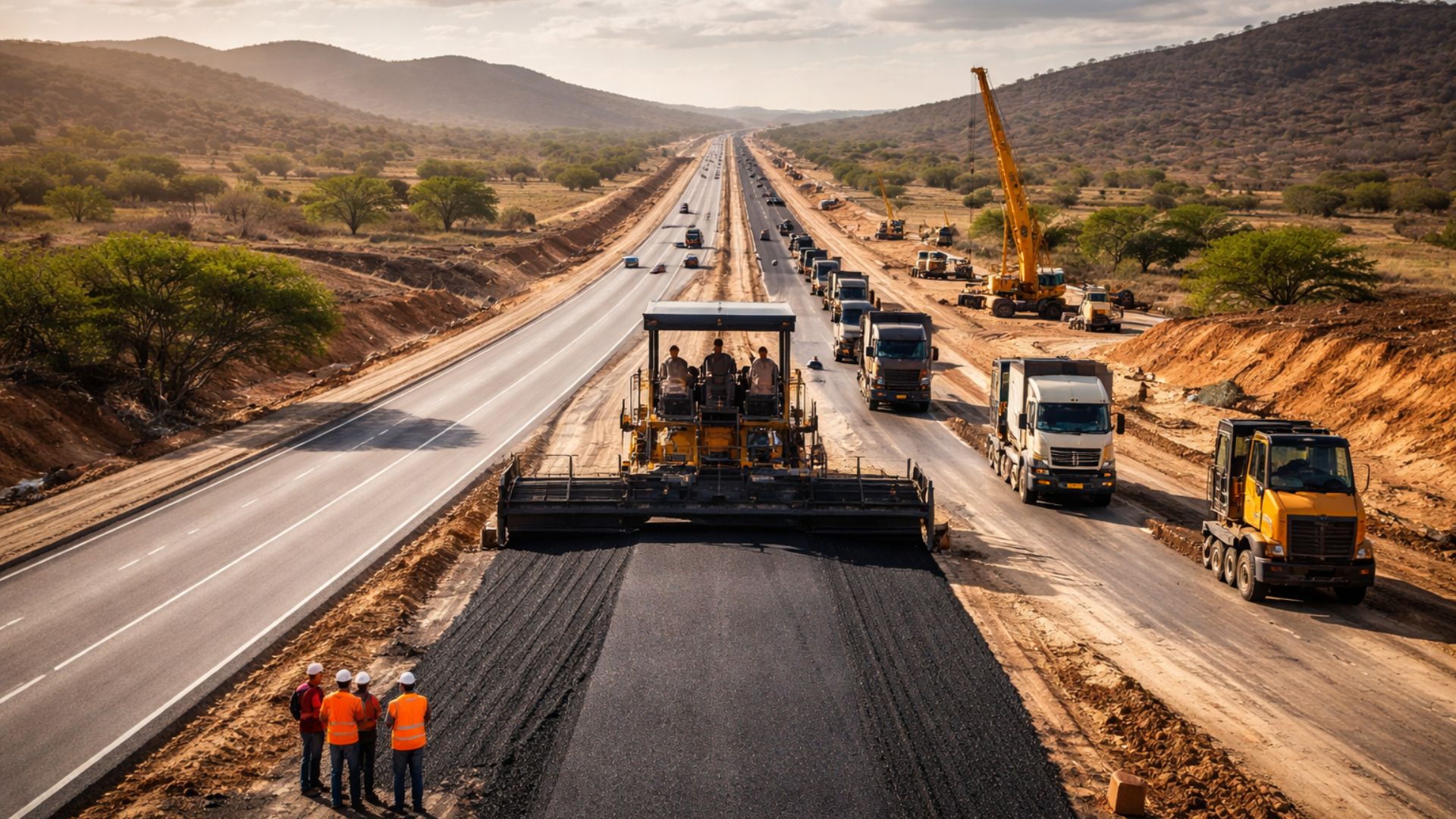
Government unlocks R$ 554 million for a highway that has been requested for decades and accelerates the duplication of BR.
-
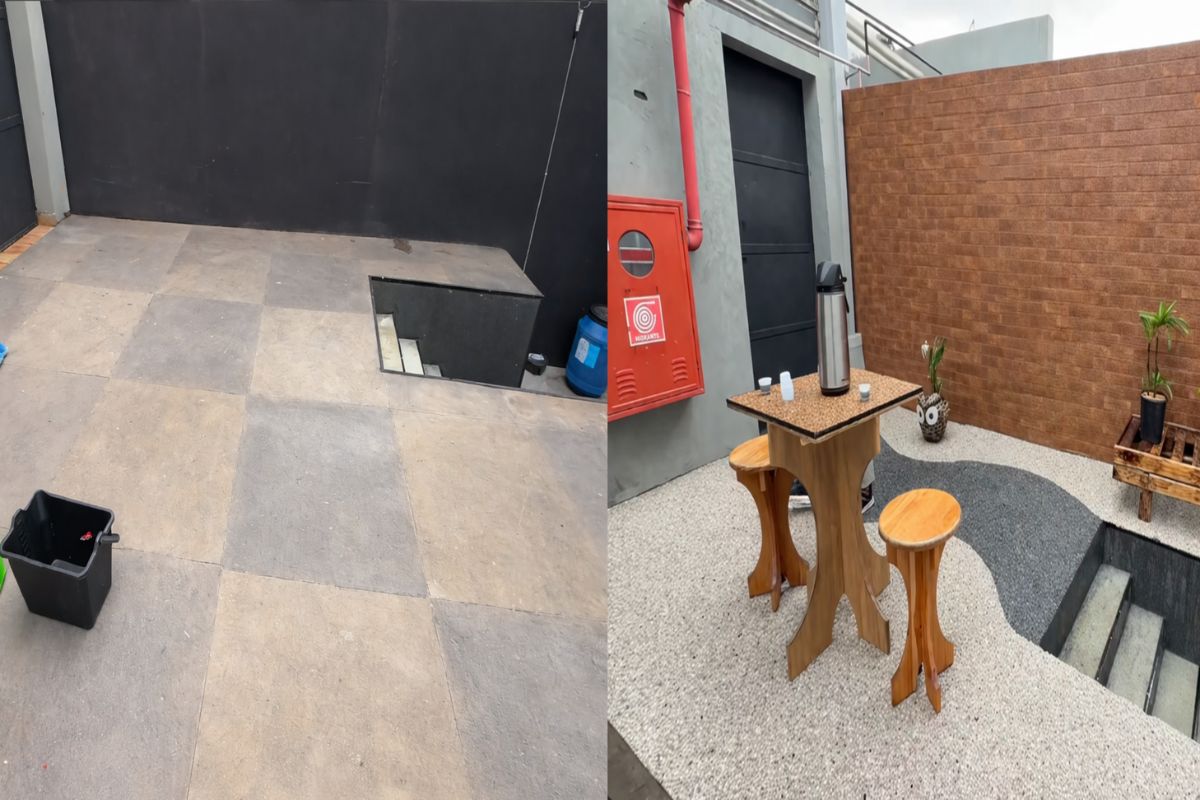
Without bricks, without cement, and without endless construction: the cardboard house that is assembled in modules and can be moved.

-
Billions of barrels on the equatorial margin could lead Amapá to double its oil production in Brazil — the state aims to enter the route of companies in the Campos Basin, attract investments, and boost jobs and businesses in the oil and gas sector.
-
Without bricks, without cement, and without endless construction: the cardboard house that is assembled in modules and can be moved.

The future of investments in works, infrastructure, and social programs will depend on the outcome of the oil royalty sharing.
The so-called Royalty Law reduces the share of compensation paid by the oil industry to producing states from 26.25% to 20%, which would also only receive 20% of special participations (PEs), half of what they currently collect.
Among producing municipalities, the percentage of royalties would plummet from 26.25% to just 4%, and the percentage of PEs would drop from 10% to 4%. These resources would start being distributed to all states and municipalities, not just the producers.
To give an idea of the reduction, the municipality of Maricá – which receives the most oil royalties – would see a revenue drop of 69%, losing R$ 1.4 billion, Niterói would lose R$ 1.2 billion, Macaé would lose R$ 616 million, and several other municipalities would stop receiving large parts of this resource.
According to Federal Deputy Wladimir Garotinho (PSD), the State of Rio and oil-producing municipalities would lose about R$ 70 billion over five years, potentially collapsing several cities and causing chaos in municipalities that rely on these resources for investments in works, infrastructure, health, culture, among other areas.
Approved in 2012 by Congress, the law was suspended the following year by Minister Cármen Lúcia of the STF, who granted a preliminary injunction to a Direct Action of Unconstitutionality (Adin) presented by the government of Rio.
Karine Fragoso, Oil Manager at the Firjan, argues that, worldwide, it is also understood that these resources need to have local allocation to allow the producing region to adapt its infrastructure to the economic and social impact of exploitation.
She cites the example of Rio das Ostras, another major producer in the Lagos Region, whose population grew 1,485% between 1970 and 2010, while the country’s population grew 105%.
– With the significant presence of pre-salt in the Campos and Santos basins, Rio will be a key player in achieving the goal of doubling the country’s oil production, but we must prepare our infrastructure and public services. The royalties serve this purpose – said Karine. — Rio cannot even contemplate the possibility of not having access to these resources. Otherwise, the outcome is bankruptcy.
The Secretary of Finance of Rio, Luiz Claudio de Carvalho, stated that if the law is validated by the STF, “the state will collapse the next day.” This is because Rio has been under the Fiscal Recovery Regime (RRF) since 2017, being unable to meet its own debts.
Government Wants to End Petrobras Favoritism and Relax the Pre-salt Exploration Regime








Seja o primeiro a reagir!