





 English
  Francês
  Alemão
  Italiano
  Japonês
  Norueguês
  Portuguese
  Spanish
 2 min of reading
  0 comments


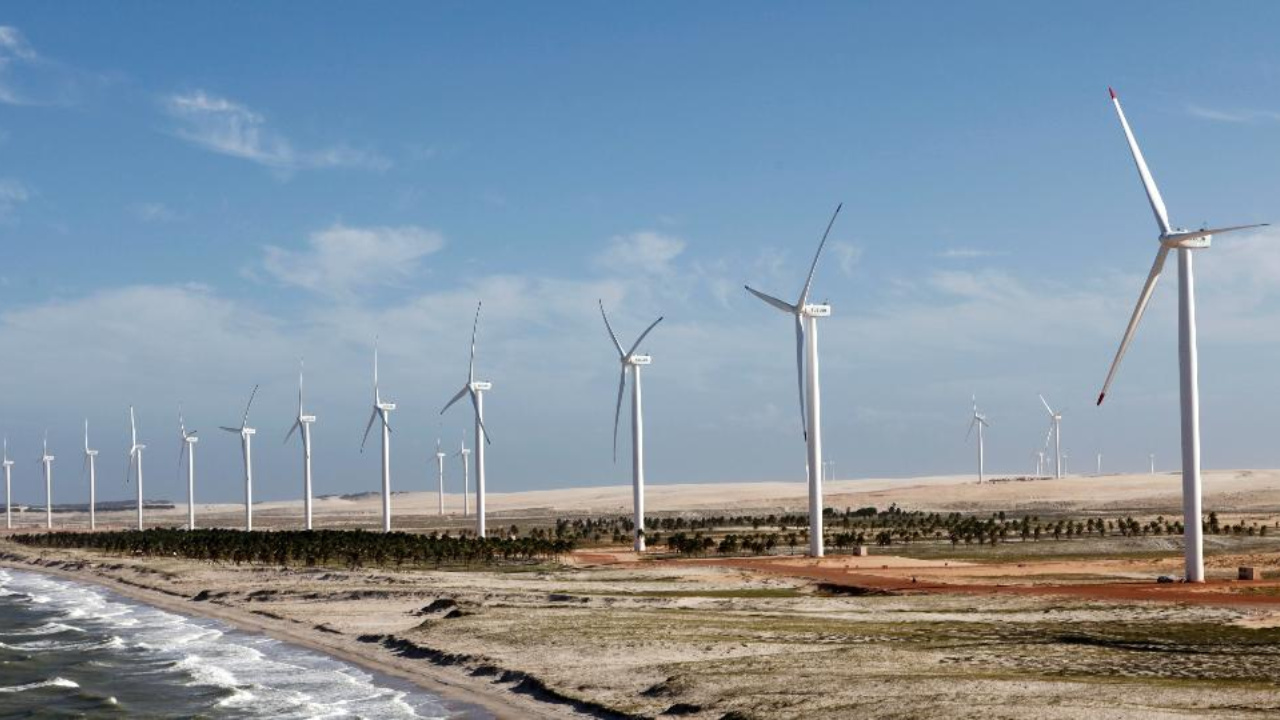
Rio Grande do Norte Stands Out as a Reference in Wind Energy, with 98.5% of Installed Capacity from Renewable Sources. State Projects Significant Expansion by 2032.
Rio Grande do Norte officially became, in the first half of 2025, the Brazilian state with the greenest and most sustainable energy matrix. The investment in renewable sources, initiated about 20 years ago, transformed the state into a national reference. Today, 99% of the granted capacity and 98.5% of the installed capacity comes from wind, solar, biomass, and hydropower.
According to the Electric Sector Balance of Rio Grande do Norte, produced by the Secretary of Economic Development, Science, Technology, and Innovation, most of the recent growth comes from wind and solar energy. Of the total new monitored capacity, 97.5% corresponds to these sources.
Recent Growth and Expansion Projections
In just the first half of 2025, the state recorded the entry of nine new enterprises into the electrical system: seven solar and two wind, adding 256.11 MW to the grid. The expectation is that 17 new wind farms will go into operation later this year, while solar energy is expected to grow by 9.5 GW by mid-2032.
-
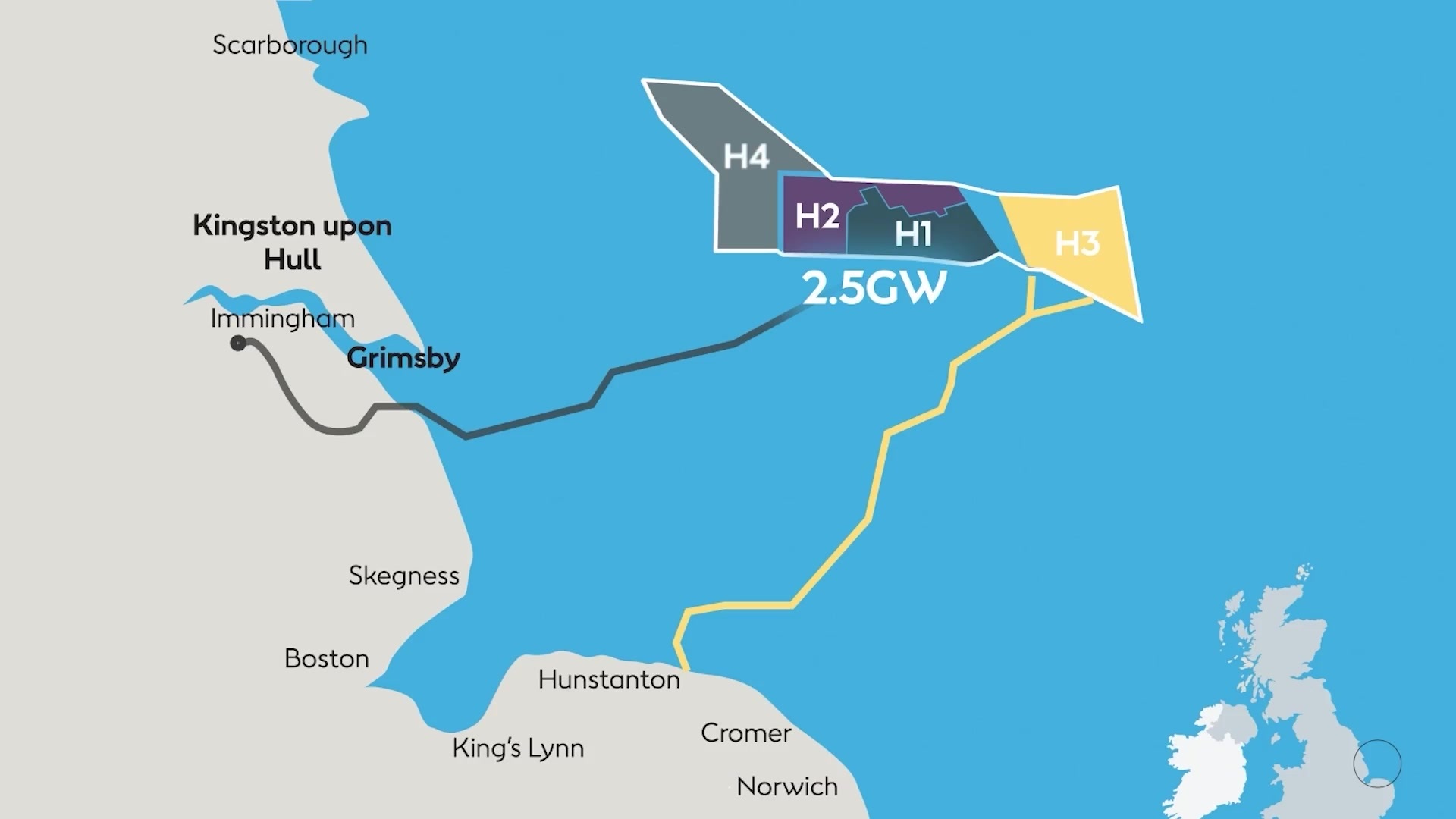
231 turbines of 260 meters at 160 km from the coast, monopiles weighing as much as nine blue whales embedded in the North Sea, and a crane ship taller than the Eiffel Tower: Hornsea 3 will be the largest offshore wind farm on the planet by 2027, and its first components have already arrived in England.
-
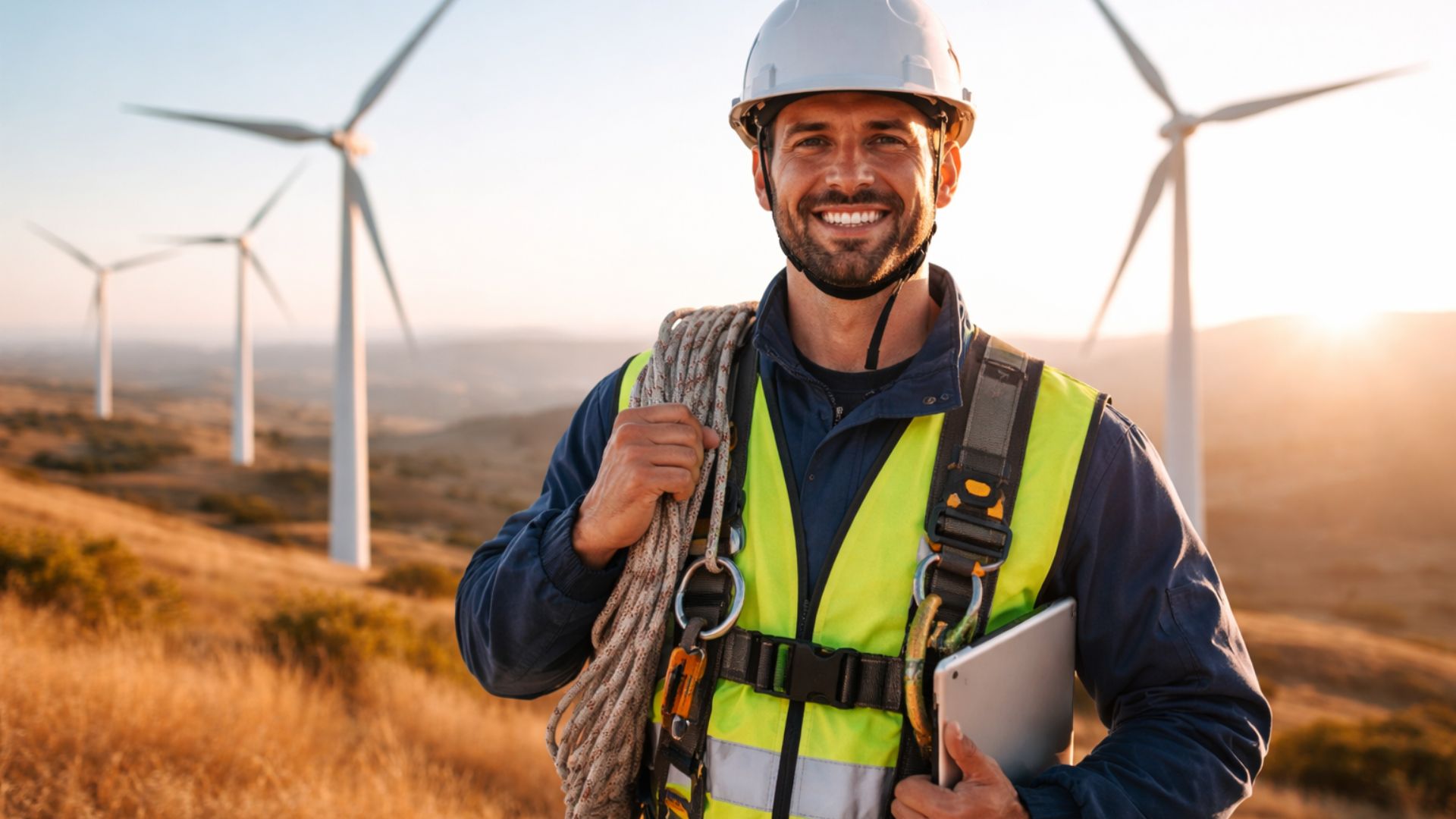
International Certification Puts Senai Norte on the Renewable Energy Map and Expands Access to Essential Training for Qualified Wind Power Professionals
-
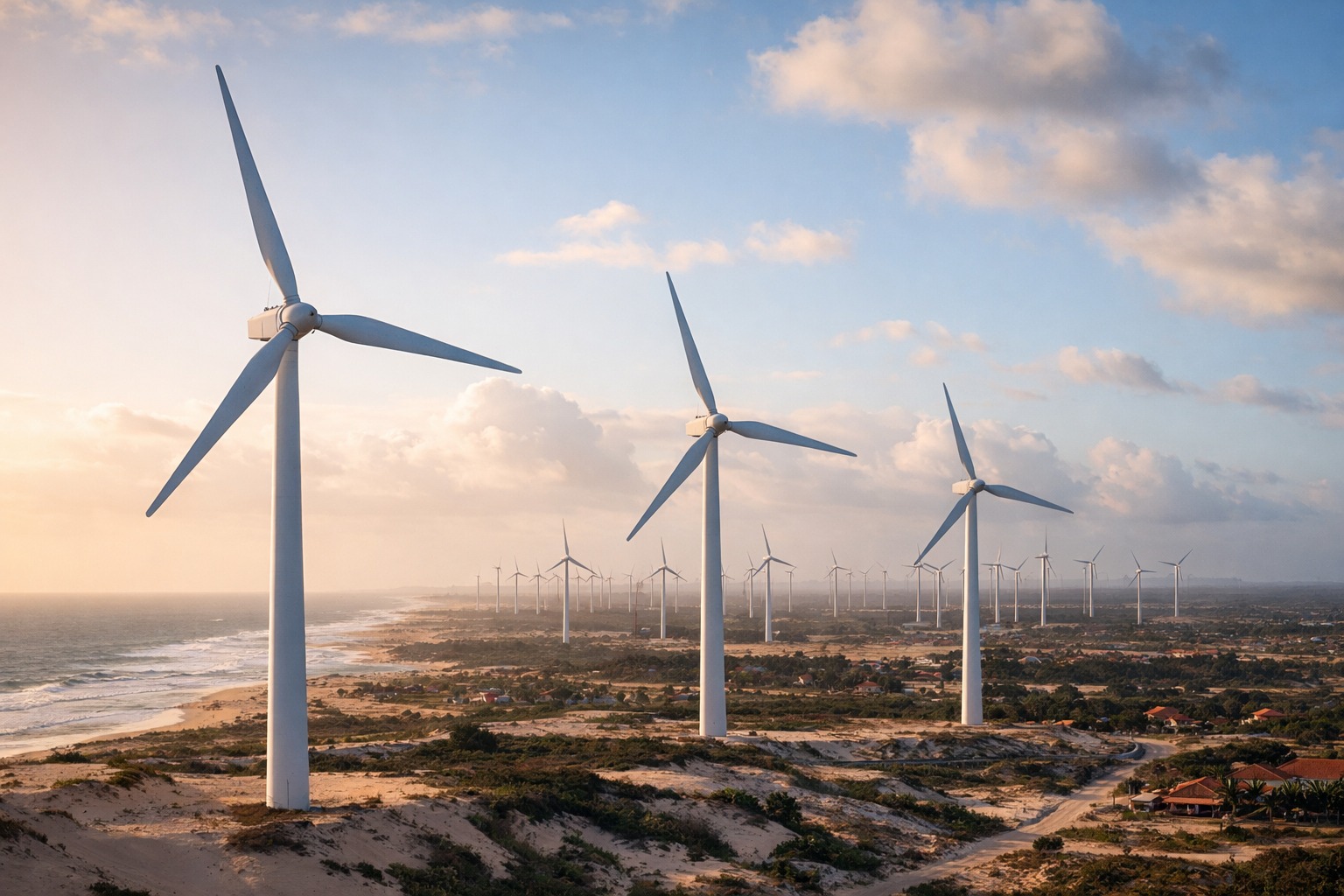
The Winds of the Northeast Are in Foreign Hands: Nearly 70% of the Region’s Wind Farms Are Owned by International Companies, with France, China, and Italy Leading Investments in Wind Energy in Brazil
-
Echoenergia’s Wind Farms Receive Diamond and Platinum Seals and Boost Carbon Credits with Projects that Prevent Large Volumes of Annual Emissions
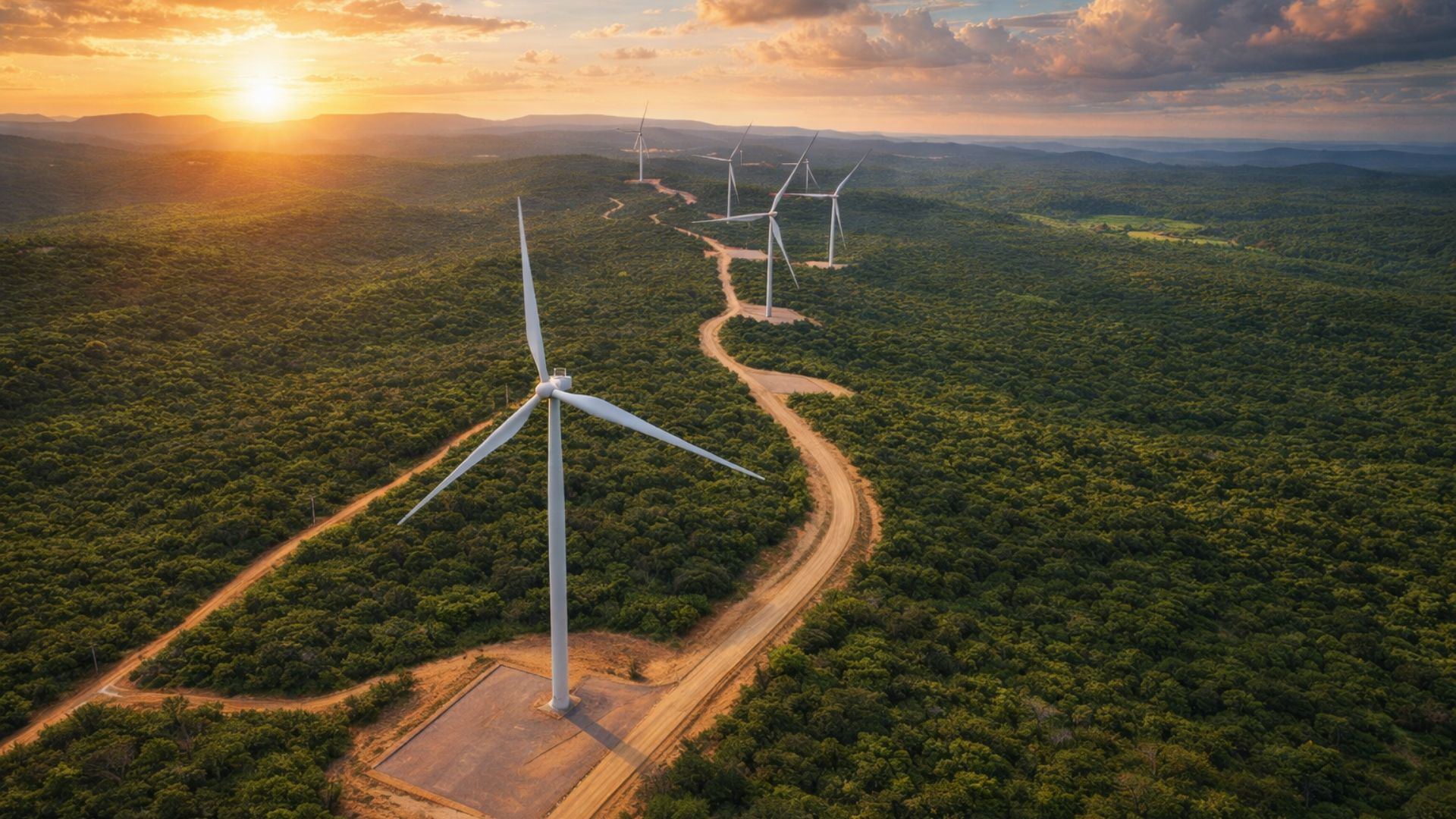

Additionally, the state government projects investments of R$ 55.3 billion in renewable energy projects by 2030, consolidating the state as a hub for clean and sustainable generation.
New Perspectives: Green Hydrogen and Offshore Wind
Hugo Fonseca, Deputy Secretary of Economic Development of Rio Grande do Norte, highlights the upcoming stages for the sector: “The introduction of green hydrogen as a new key source; exploration of offshore wind, energy generated at sea; increased participation of solar energy, with the forecast that it will surpass wind energy; using biomass/green industry as a complement, utilizing waste or derivatives from renewables.”
The advancement of the electric matrix in Rio Grande do Norte is not limited to the present. The model adopted by the state serves as a replicable example for other regions of the country with good solar and wind potential. Hugo Fonseca explains: “The model is replicable, especially for other regions that have good solar and wind potential. What is needed is local adaptation, but the legal, regulatory, planning, incentive, public-private partnership, and training principles are applicable.”







Seja o primeiro a reagir!