





 English
  Francês
  Alemão
  Italiano
  Japonês
  Norueguês
  Portuguese
  Spanish
  7 min of reading
  0 comments



The Gaucho Government and the Federation of Industries of Rio Grande do Sul (FIERGS) have established a joint action plan that prioritizes strategies and routes for decarbonization, focusing on green hydrogen and wind energy to transform the state’s production matrix.
Rio Grande do Sul has just taken a decisive step towards leading the green economy in Brazil by officially launching its new strategies and routes for decarbonization at an event that brought together the key figures in the national energy sector.
The government plan focuses on drastically reducing greenhouse gas emissions by utilizing the potential of abundant renewable sources in the Gaucho territory, such as constant winds and agricultural biomass.
This initiative aims not only to meet international environmental goals but also to create a highly competitive business environment to attract companies that require clean energy in their manufacturing processes.
-
With 160,000 m² of collectors, an area larger than 20 football fields, Silkeborg, in Denmark, hosts a solar thermal plant that heats 19,500 homes and could become the largest solar heating plant in the world.

-
A study reveals the expansion of renewable energy procurement in Brazil and shows how companies are taking advantage of opportunities to reduce expenses, ensure energy efficiency, and strengthen strategic environmental commitments.

-
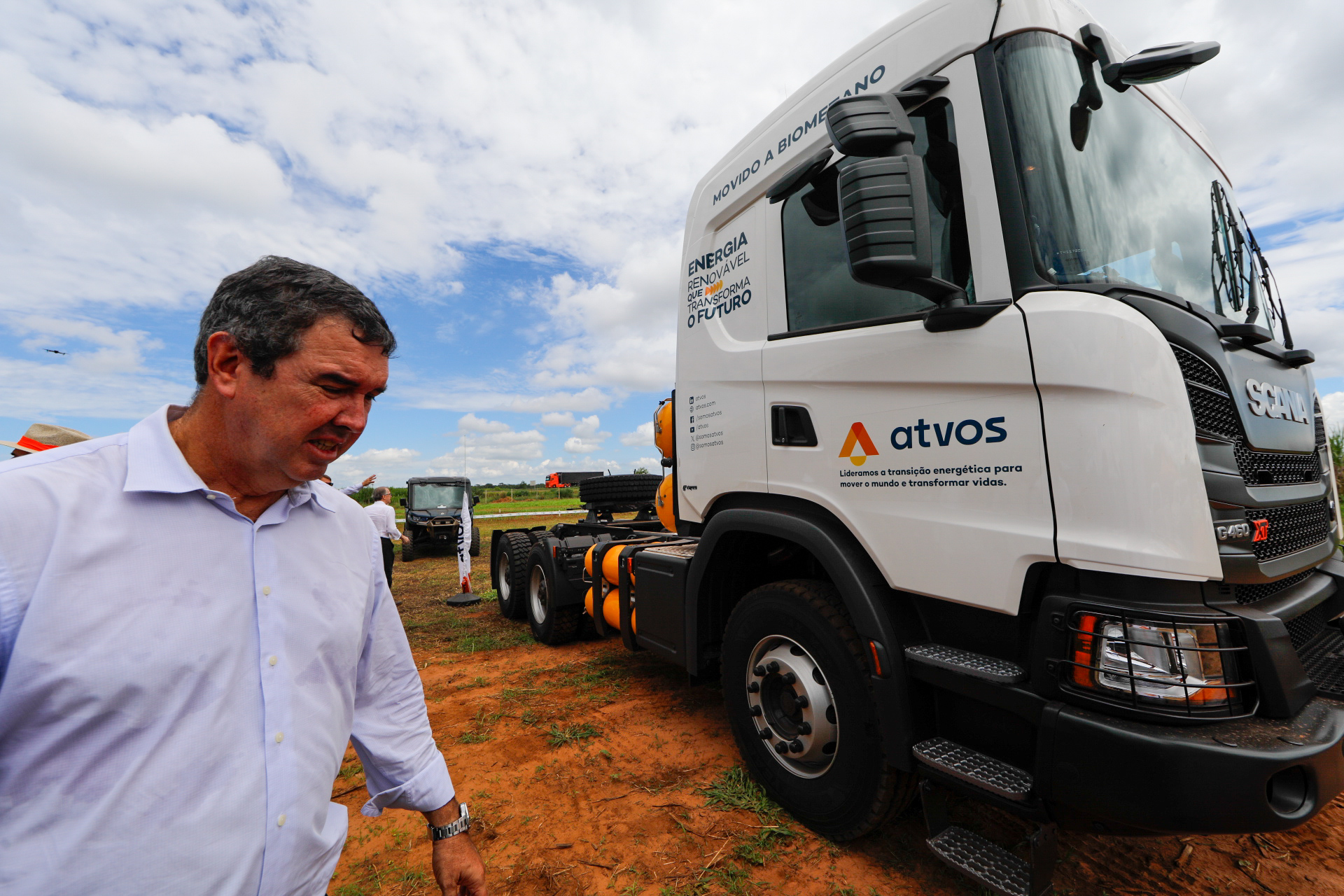
Mato Grosso do Sul excels in the sugar-energy sector: the state reaches a milestone of 22 operating mills and accelerates the production of clean energy in MS with a focus on sustainability.
-
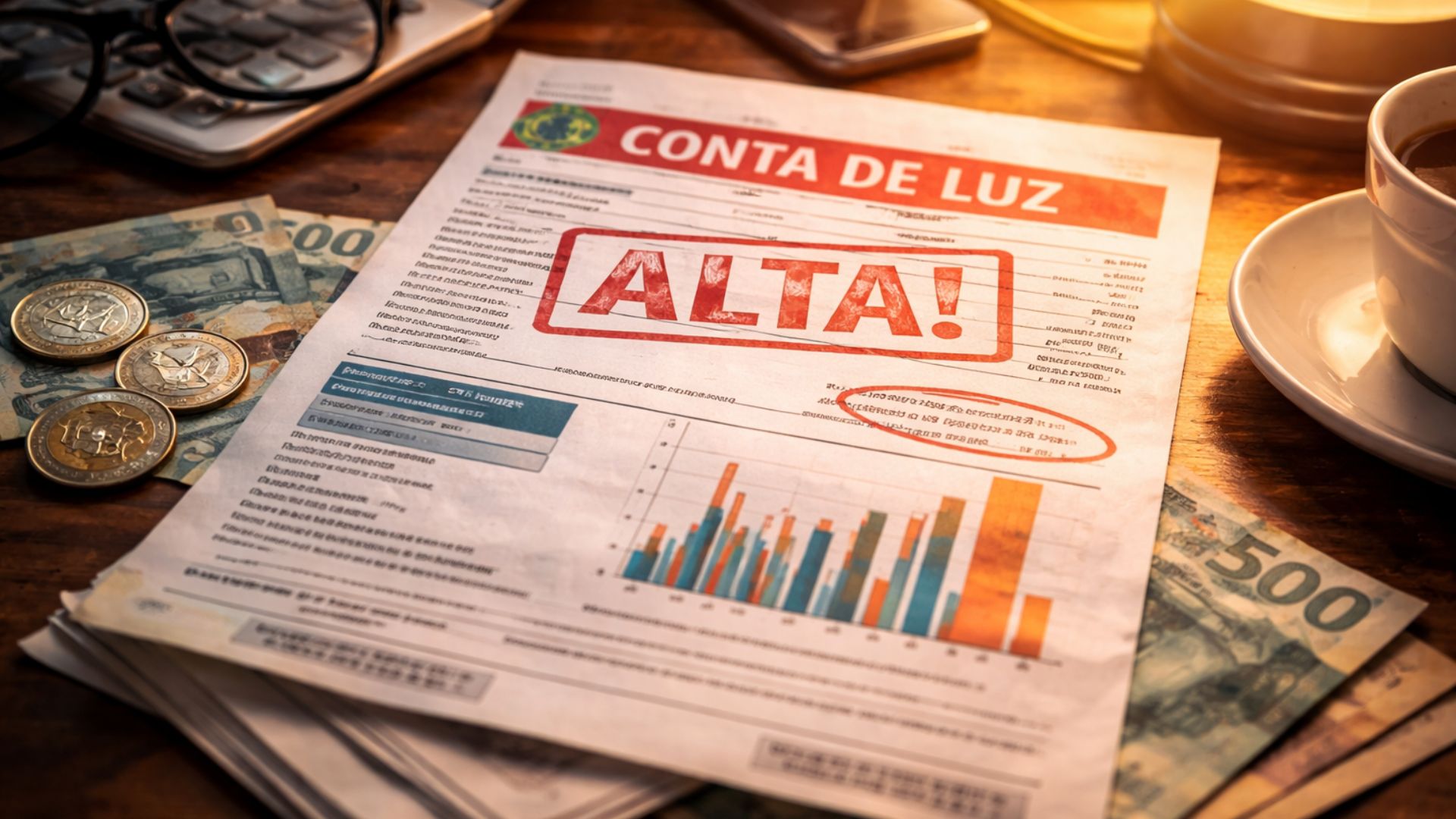
National energy dilemma: Brazilians support clean energy but reject increases in tariff costs to finance the sustainable transition.

Through the modernization of infrastructure and tax incentives for the green hydrogen sector, the state projects an investment cycle that could exceed R$ 20 billion in the next decade.
Thus, Rio Grande do Sul leverages its industrial tradition to reposition itself as the main low-emission logistical and energy hub in South America, ensuring that the local industry remains relevant in an increasingly stringent global market regarding sustainability standards.
The Central Role of Wind Energy in Strategies and Decarbonization Routes
The abundance of natural resources places the Gaucho territory in a privileged position when it comes to implementing strategies and routes for decarbonization. The state holds one of the largest potentials for wind generation in the country, both onshore and offshore.
Utilizing these winds allows Rio Grande do Sul to replace polluting thermal energy sources with constant and renewable electricity. International investors are closely watching the Gaucho coastline, where the construction of offshore wind farms promises to revolutionize the state’s generation capacity, providing the necessary energy to supply large industrial complexes.
The wind expansion serves as the foundation for the decarbonization of the state’s electrical grid. Currently, the state already generates a significant portion of its electricity from wind, but the new plan foresees the installation of new parks in strategic regions of the Southern Half.
This decentralization of generation helps develop local economies, creates skilled jobs in small towns, and reduces transmission losses. By strengthening the wind network, Rio Grande do Sul ensures a clean energy supply for future generations, consolidating the path towards a carbon-free industry.
Green Hydrogen: The Fuel of the Future in Rio Grande do Sul
Within the strategies and routes for decarbonization, green hydrogen (H2V) emerges as a major technological bet for the decarbonization of hard-to-electrify sectors, such as steelmaking and heavy transport.
Rio Grande do Sul has the ideal conditions for large-scale H2V production due to its vast supply of renewable energy and the presence of strategic ports, such as the Port of Rio Grande. The production of this fuel uses water electrolysis powered by clean sources, resulting in a final product that does not emit CO2 during its combustion or use in fuel cells.

The Port of Rio Grande is already preparing to host production plants and export terminals for green hydrogen. This movement transforms the state into an exporter of sustainable energy to Europe and other markets desperately seeking clean synthetic fuels.
In addition to export, green hydrogen is expected to fuel the state’s fleet of cargo trucks and urban buses, reducing dependence on imported fossil fuels. The development of this production chain requires highly specialized labor, which drives partnerships between the government and Gaucho universities for training new technicians and engineers.
The Gaucho Industry and Adaptation to Sustainable Markets
The Federation of Industries of Rio Grande do Sul (FIERGS) acts as a fundamental arm in the execution of the strategies and routes for decarbonization. Gaucho companies understand that sustainability is no longer an option but a requirement to maintain access to international credit lines and large consumer markets.
Sectors such as footwear, metalworking, and agribusiness are already investing in energy efficiency and replacing heat sources with electric or biomass alternatives. The adoption of cleaner processes reduces long-term operational costs and protects brands against environmental trade barriers.
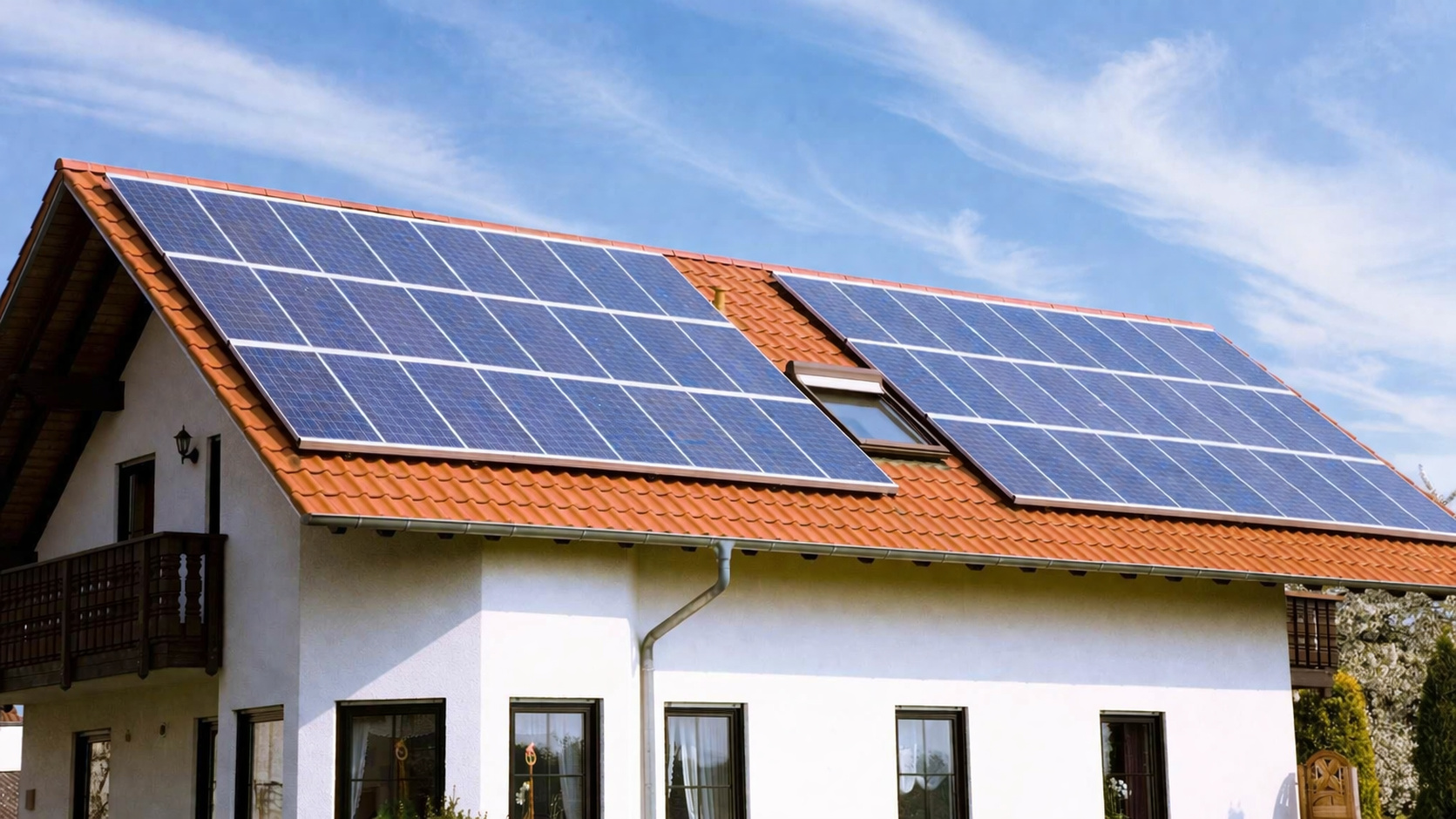
The state government offers technical support so that small and medium industries can also chart their decarbonization routes. Consulting programs and financing through the state development bank (BRDE) allow entrepreneurs to modernize their machinery and install self-generation systems, such as solar panels.
This movement creates a resilient industrial network, where productive efficiency goes hand in hand with environmental preservation. The industry in Rio Grande do Sul uses technological innovation to prove that it is possible to grow rapidly without compromising the climate.
Logistical Challenges and Infrastructure for the Low Carbon Economy
The implementation of strategies and routes for decarbonization requires a robust and modern logistical infrastructure. Rio Grande do Sul is investing in the improvement of highways, railways, and waterways to facilitate the transport of components for wind and solar plants.
Green logistics also includes the creation of refueling stations for electric and natural gas vehicles, serving as an immediate transition while green hydrogen does not reach full commercial scale. The connectivity of the Port of Rio Grande with the interior of the state becomes the vital channel for the flow of products manufactured with low environmental impact.
In addition to physical infrastructure, the modernization of energy distribution networks (smart grids) represents an important technical challenge. Thus, the electrical system needs to support the entry of intermittent sources, such as solar and wind, without losing stability.
Investments in large-scale energy storage through batteries are already part of the expansion plans of Gaucho utilities. A smart electrical grid allows the state to manage energy supply efficiently, directing renewable flow to regions with the highest industrial demand in real-time.
Biomass and the Role of Agriculture in Decarbonization
Agribusiness, a pillar of the Gaucho economy, actively contributes to the strategies and routes for decarbonization through biomass and biogas. The waste from animal protein chains and grain production has enormous energy potential that the state is beginning to explore vigorously.
Biogas plants transform waste and organic leftovers into electricity and biomethane, offering a sustainable solution for rural sanitation and generating a new source of income for producers. Biomethane can even replace diesel in tractors and agricultural fleets, closing the circular economy cycle in the field.

The valorization of biomass allows Rio Grande do Sul to decarbonize its food and fiber production. This competitive differential attracts global investors looking for commodities with low emission certification.
The state encourages the recovery of degraded areas through forestry and the planting of energy crops, which not only capture carbon from the atmosphere but also provide raw materials for the cellulose and bioenergy industry. The Gaucho countryside shows that food production and environmental preservation are inseparable allies in the new era of the green economy.
Investments and International Partnerships in Gaucho Soil
The announcement of the strategies and routes for decarbonization has attracted the attention of diplomatic delegations and foreign investment funds. European countries, such as Germany and the Netherlands, are seeking strategic partnerships with Rio Grande do Sul to ensure the supply of green hydrogen in the future.
These partnerships encompass technology transfer, project financing for infrastructure, and cooperation in research and development. The state leverages its institutional stability and legal security to become the preferred destination for ESG (Environmental, Social, and Governance) capital in Latin America.
The attraction of international investments accelerates the learning curve of local companies. Technical exchange allows Rio Grande do Sul to adopt global best practices in decarbonization more rapidly.
Moreover, the presence of global companies in the state stimulates the creation of a startup ecosystem focused on “cleantech,” developing digital solutions for emissions monitoring and energy management. Rio Grande do Sul not only purchases external technology but also begins to develop its own patents in renewable energy, strengthening its technological sovereignty.
The Future of Electric Mobility and Sustainable Transportation
The transportation sector, responsible for a considerable share of state emissions, receives special attention in the strategies and routes for decarbonization. The Gaucho government plans the gradual electrification of public transport fleets in major metropolitan areas.

Incentives for the installation of charging stations on state highways encourage the use of electric vehicles by the population and light cargo carriers. The transition to electric mobility reduces noise and air pollution in cities, improving public health and quality of life.
For long-distance and rail transport, the state is studying the use of advanced biofuels and hydrogen. The integration of more efficient transport modalities, such as increased use of waterways, also contributes to the decarbonization goal.
By reducing the consumption of petroleum derivatives in the transportation sector, Rio Grande do Sul decreases its vulnerability to fluctuations in international oil prices and strengthens the internal economy. Sustainable mobility thus becomes a symbol of Gaucho modernization towards 2050.
Rio Grande do Sul as a Beacon of Sustainability with Strategies and Decarbonization Routes
The strategies and routes for decarbonization adopted by Rio Grande do Sul confirm the state’s commitment to a prosperous and environmentally responsible future. The union between the public power, industry, and academia creates a task force capable of transforming climate challenges into real economic opportunities.
The state proves that decarbonization does not represent a cost to society but rather the greatest engine of innovation and investment of the 21st century. With wind, sun, and biotechnology as allies, the Gaucho people are building a new industrial era based on respect for nature and technical excellence.
The success of this journey will depend on the continuity of public policies and the adaptability of productive sectors. However, optimism prevails among analysts and investors, who see in Rio Grande do Sul a successful model for Brazil and the world.
The Gaucho energy transition is in full swing, ensuring that the state remains at the forefront of sustainable development. The sun and wind of the South now shine and blow in favor of a strong, clean economy prepared for global challenges, consolidating Rio Grande do Sul as a true green powerhouse.







Seja o primeiro a reagir!