





 Portuguese
  English
  Spanish
 5 min of reading


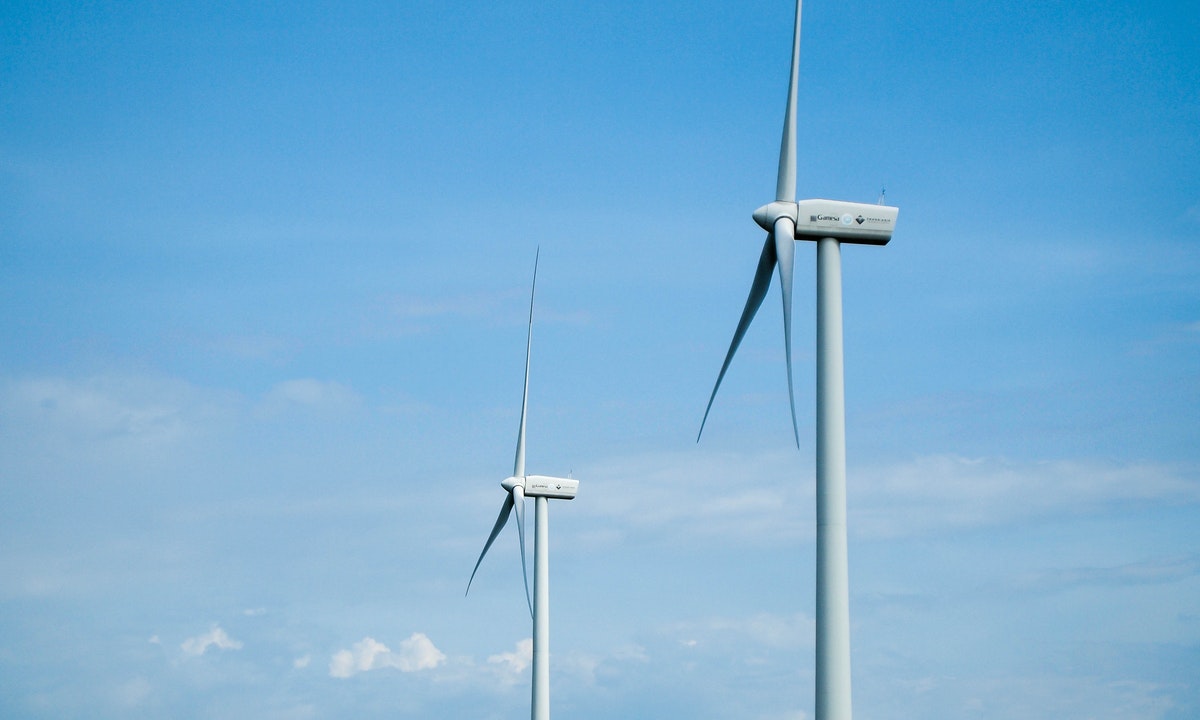
Rio Grande do Sul Is the Brazilian State With the Highest Number of Registered Projects Aimed at Constructing Parks for Offshore Wind Energy Production
According to information released by GZH Economia, Rio Grande do Sul currently stands out as the Brazilian state with the highest concentration of companies interested in installing offshore wind farms in the country. There are 17 of the total 54 projects aimed at this clean energy source registered with the Brazilian Institute of Environment and Renewable Natural Resources (Ibama).
However, to realize this potential, further expansions of electrical transmission capacity in the state and adjustments to legal norms are still necessary.
The search for more sustainable energy sources as a replacement for fossil fuels has one of its most promising alternatives in harnessing winds over the sea or lakes for the generation of wind energy. Although the cost of implementing offshore parks is quite high, many companies choose to prioritize it due to the presence of stronger and more constant winds, as well as less competition for space.
-
Researchers discover a possible hydrogen deposit of up to 46 million tons beneath an ancient coal basin, and the volume could exceed half of the entire global production.

-
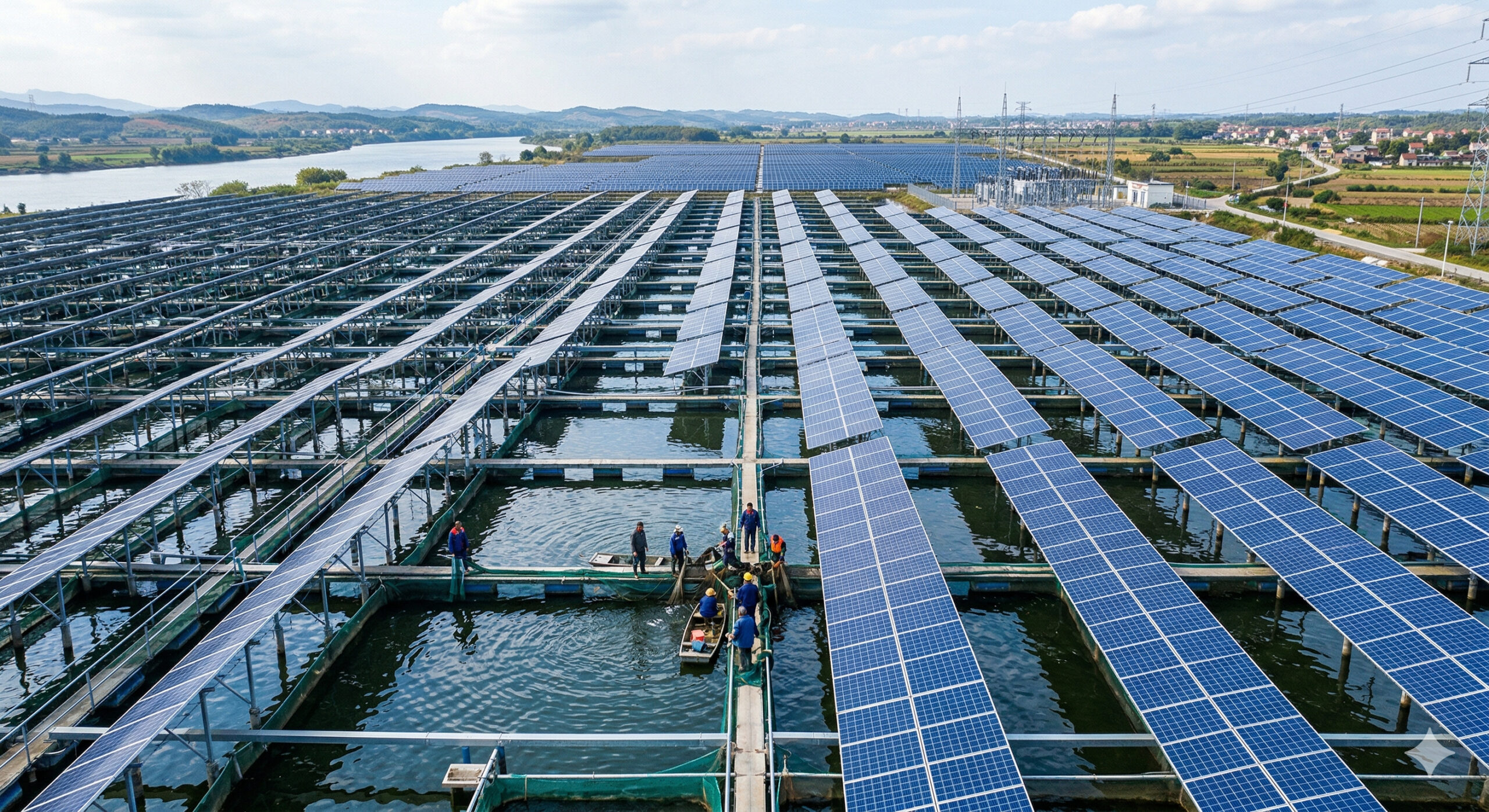
China bets on the Fishery-PV model and transforms fish farms into giant solar plants, covering ponds with panels that generate energy while utilizing the same space for large-scale aquaculture production.
-
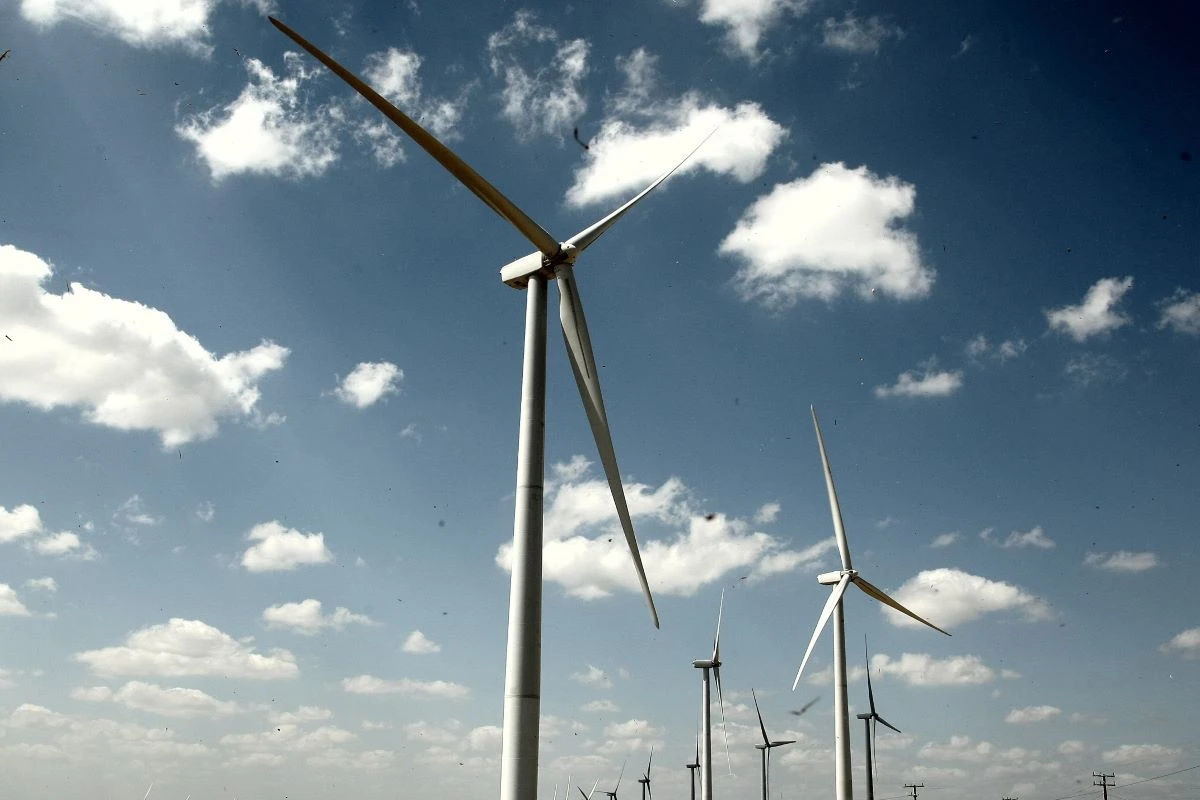
Urgent energy transition: Greenpeace advocates for massive investments and points to Brazil as a global leader in wind energy production in the coming years.
-
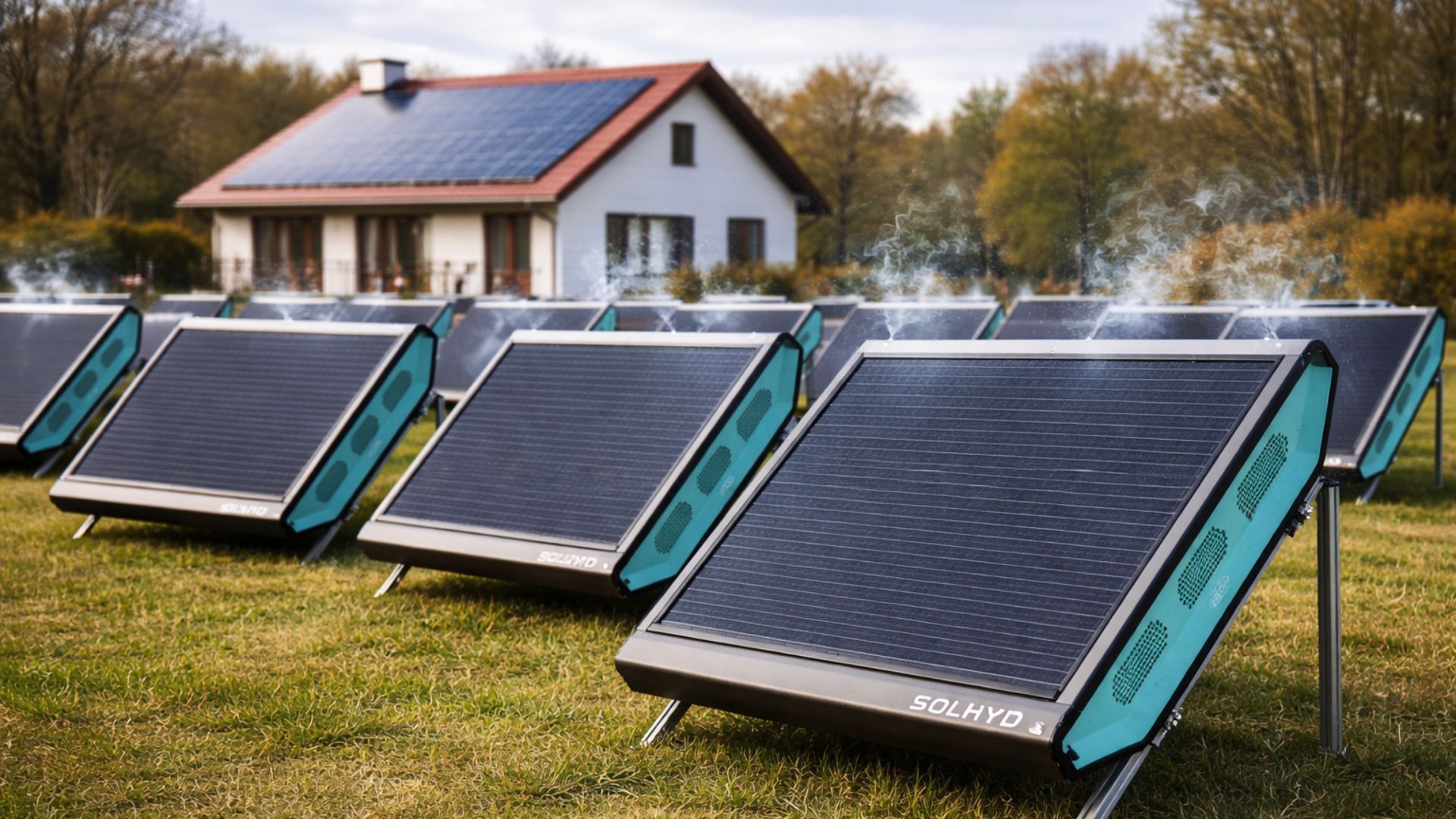
Green hydrogen at home: Belgium launches new technology that makes solar panels produce fuel from the moisture in the air, which could boost the energy transition.

In Brazil, there are currently no projects of this type, but the state of Rio Grande do Sul has significant advantages for generating offshore wind energy. The inhabitants have, for example, strong winds over the sea, which could enable energy production of up to 80 gigawatts – four times greater than the entire installed capacity currently in onshore wind farms in the country.
Furthermore, the interest of the private sector in the state can also be explained by other factors, such as the structure and available spaces at the Port of Rio Grande, the qualification of professionals, and the excellent quality of universities.
According to the executive president of the Brazilian Wind Energy Association (Abeeólica), Elbia Gannoum, offshore projects involve, in addition to wind intensity, the need for port infrastructure and transmission capacity. For her, Rio Grande do Sul has been a significant attraction thanks to its already existing good infrastructure.
The projects registered with Ibama total 15.5 gigawatts on land and 44.7 gigawatts at sea. In this sense, new investments are needed for funding and constructing new lines.
From this perspective, Marjorie Kauffmann, state secretary for the Environment and Infrastructure, states that the state has been organizing, along with the National Electric Energy Agency and the Ministry of Mines and Energy, to discuss the expansion of the network. According to her, there is enough time, until the projects are realized, for the increase of their network.
It is important to highlight that, although seen as a source of clean and renewable energy, the exploration of offshore wind farms is also a concern for environmentalists. Thus, entities such as the Gaucho Association for the Protection of Natural Environment (Agapan) have already requested the development of clear rules and active and transparent supervision of these plants, as well as the creation of fines and action plans for potential environmental disasters.
First Offshore Wind Energy Generation Plants Should Be Installed by 2030
According to predictions by experts and public managers, the first offshore wind farms should start converting wind into energy in Rio Grande do Sul around 2030. Consequently, if expectations are confirmed, the state may experience a significant economic boost in the following years.
This timeframe is necessary for the country to finalize adjustments to legal norms, providing legal security for the licensing process of offshore projects. Thus, interested companies must conduct environmental studies to obtain prior, installation, and operating licenses, as well as for the assembly of wind turbine parks over the waters.
In the case of offshore wind farms, the licensing process occurs at the federal level, and for complexes in internal waters, such as lagoons, it takes place at the state level. Rio Grande do Sul already has, for example, entrepreneurs interested in establishing plants at Lagoa dos Patos.
It is difficult to accurately predict the entire investment to be made in the state. This is because, in addition to having to undergo all environmental licensing stages, at least four projects overlap with others already existing, making it impossible to enable all of them. However, one of the most advanced projects, by Ocean Winds, responsible for implementing two complexes, aims to invest up to R$ 120 billion on its own.
Therefore, if investor interest is confirmed, Rio Grande do Sul will receive a level of private funding like never before. For comparison, one of the largest investments recently discussed in the state, for the regasification complex in Rio Grande, was valued at “only” R$ 6 billion.
The Chief Secretary of the Civil House, Arthur Lemos, states that, occurring gradually, these investments have the capacity to keep the state’s economy stimulated for a long time. Additionally, Lemos explains that there would be a positive impact on the entire productive chain associated, with results in the transformation industry and technology centers.
Port of Rio Grande Has Already Attracted the Attention of Eight Investors in the Offshore Wind Energy Sector
Ports are extremely important facilities for the implementation of offshore wind energy exploration projects, as they allow the arrival, handling, and shipping of large parts. In this context, the Port of Rio Grande, in southern Rio Grande do Sul, is already catching the attention of potential investors in this sector.
Fernando Estima – Planning Manager at Ports RS – stated that eight business groups have already formally expressed interest in turning the Gaucho port into a possible base of operations for offshore wind projects.
The manager emphasized that a routine of service has already been organized to welcome representatives from these companies. According to him, the port has sufficient depth to accommodate large ships, in addition to two shipyards available, plenty of space, and a qualified workforce. Estima also noted that two or more companies can share the shipyards.
Arthur Lemos explains that, with this, the intention of the Gaucho government is to take advantage of the stimulus provided by ocean winds to boost other sectors of the state’s economy, so that as much of the materials used in wind complexes as possible is built within the state.
Finally, Lemos argues that the idea is to leverage the qualities of Rio Grande do Sul, such as the productive chain and universities, so that new investments serve as a development vector.







Seja o primeiro a reagir!