





 Português
  Inglês
  Espanhol
  3 min de leitura
  0 comentários


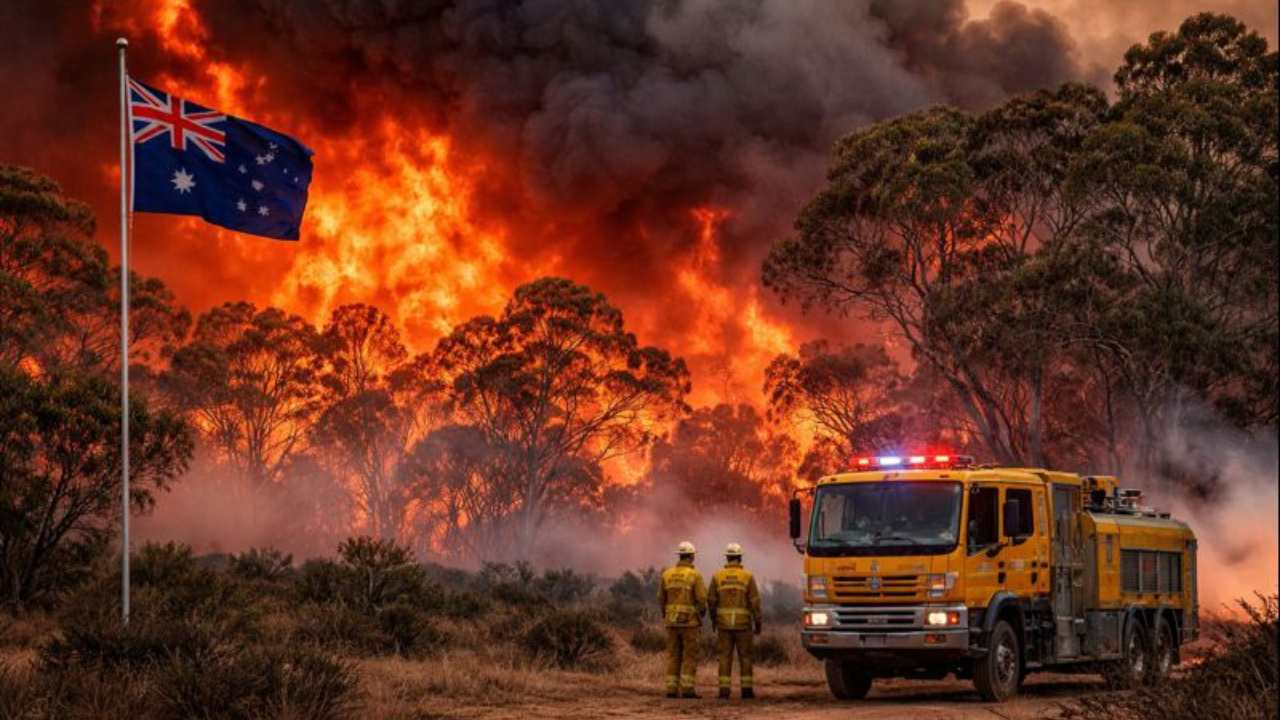
The Climate Emergency Intensifies With the Heatwave in Australia, Raising the Catastrophic Risk of Wildfires.
An intense heatwave in Australia has put authorities and emergency services on high alert this week, given the catastrophic risk of wildfires in several regions of the country.
The phenomenon is affecting most of the Australian territory, with extreme temperatures, strong winds, and atmospheric conditions that favor the rapid spread of fire.
The alert involves state governments, meteorologists, and firefighting teams, especially in the states of Victoria, New South Wales, South Australia, and parts of Tasmania.
-
With earth, bamboo, straw, and lime mortar, a specialist builds a house for just over $460 and draws attention for its cost being much lower than traditional construction.

-
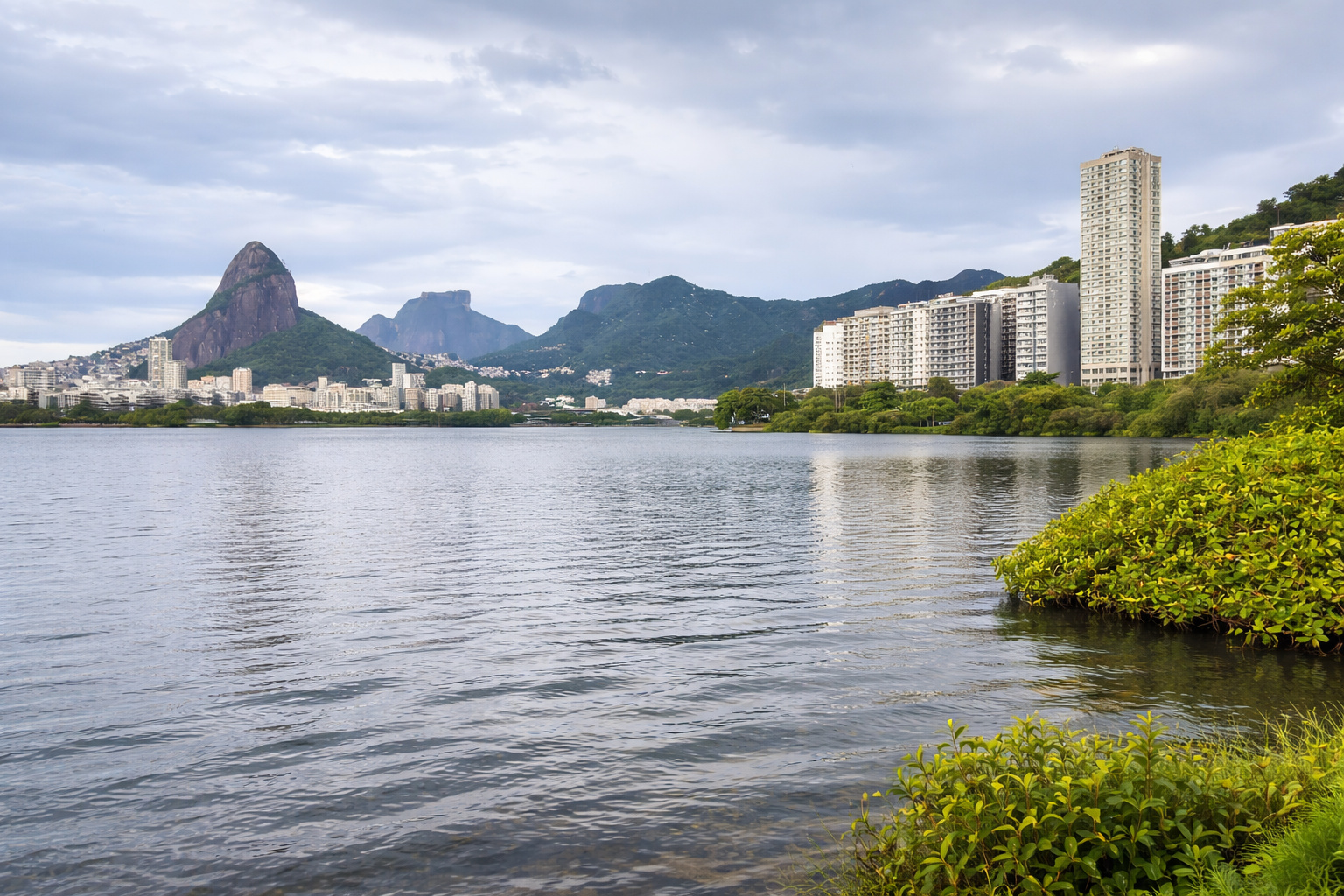
Rodrigo de Freitas Lagoon advances in environmental recovery with sanitation, elimination of irregular sewage, and the resumption of water sports in Rio de Janeiro.
-
Sustainable housing gains strength with a nationally awarded project in Campo Grande, highlighting innovative solutions that combine sustainability, urban integration, and efficiency in the use of natural resources.

-
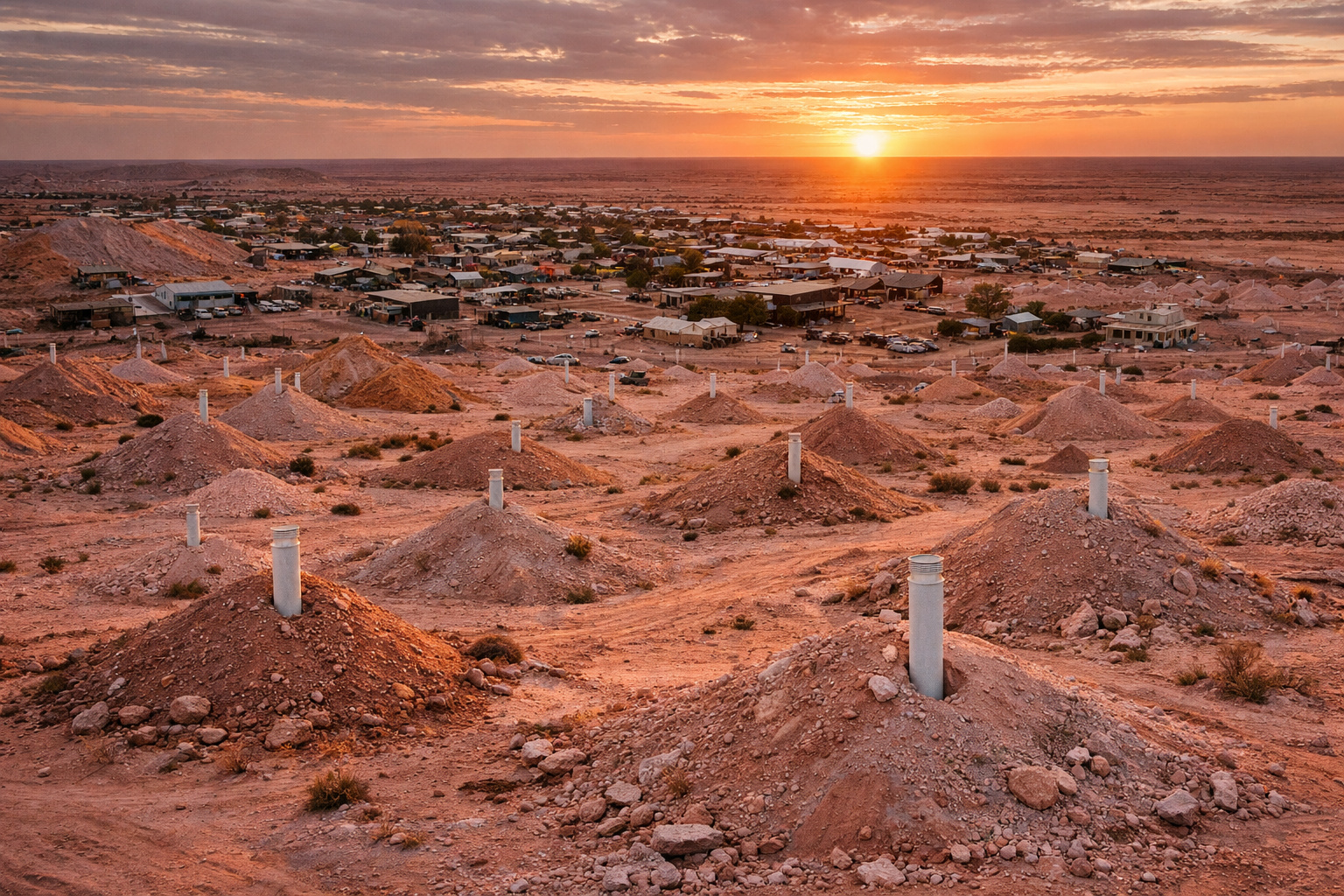
City Where Residents Live Underground to Escape 52°C May Be a Picture of the Future on an Increasingly Hot Planet
Measures include the closure of schools, a complete ban on bonfires, and an increase in aerial containment operations.
Who Is Being Affected and When the Risk Reaches Its Peak
Millions of people live in the areas most impacted by the heatwave in Australia, which is already considered one of the most severe in recent years.
According to meteorological authorities, the peak of heat is expected to occur between Friday and Saturday, a period when the catastrophic risk of wildfires is expected to reach maximum levels in some regions.
In Victoria, about 450 schools and daycare centers have suspended activities as a preventive measure.
Meanwhile, in New South Wales, including Sydney, temperatures are expected to exceed 40 °C, further worsening the climate emergency scenario.
How High Temperatures Aggravate Wildfires
The combination of extreme heat, low air humidity, and intense winds creates the ideal environment for large-scale wildfires.
Moreover, dry thunderstorms, which produce lightning without significant rainfall, increase the risk of new fire outbreaks.
A meteorologist explained to the BBC that these conditions could result in the most significant event since the devastating bushfires of Black Summer, which occurred between 2019 and 2020.
“This seems to be the most significant event in several days for the interior of southeastern Australia since 2019-2020,” he stated.
Record Temperatures Reinforce the Climate Emergency Alert
The records set in recent days illustrate the severity of the heatwave in Australia. Melbourne reached 40.9 °C, the hottest day in six years, while coastal cities in Western Australia hit an impressive 49 °C.
These numbers not only increase the catastrophic risk of wildfires but also reinforce the debate about the climate emergency in the country, which is facing increasingly frequent and intense extreme events.
Authorities’ Response and Prevention Measures
In light of the escalating risk, the government of Victoria has declared a total ban on bonfires and activities that may generate sparks.
According to the state’s Emergency Management Commissioner, Tim Wiebusch, catastrophic-level fires are “unpredictable and uncontrollable.”
“We need the community to play its role alongside our emergency services to protect lives and property,” he stated.
He emphasized that residents in at-risk areas should activate their survival plans and evacuate in advance to safer locations.
The Ghost of Black Summer Returns to Public Debate
The memory of Black Summer remains alive in the collective memory of Australia.
Six years ago, the worst fire season in the country’s history left dozens dead, destroyed entire communities, and burned millions of hectares of vegetation.
Furthermore, with the current heatwave in Australia, experts warn that atmospheric conditions are dangerously close to that scenario, raising fears of new large-scale wildfires.
Understand the Fire Risk Scale in Australia
The official classification of fire risk in the country has four levels: moderate, high, extreme, and catastrophic.
The catastrophic level, the most severe, indicates that any fire that starts can spread rapidly, becoming impossible to control.
Thus, according to meteorologists, a heatwave in Australia is officially declared when minimum and maximum temperatures remain exceptionally high for three days or more, exactly the scenario observed this week.
Climate Emergency and Future Challenges
The current episode reinforces the challenges faced by Australia in light of the climate emergency.
Thus, experts point out that more frequent heatwaves, prolonged droughts, and extreme wildfires are expected to become increasingly common
requiring more robust public policies and greater awareness among the population.
Meanwhile, authorities continue to monitor the advance of the heatwave in Australia, maintaining the highest alert to prevent the country from experiencing a tragedy similar to that of Black Summer.










-

Uma pessoa reagiu a isso.