





 Portuguese
  English
  Spanish
  3 min of reading
  0 comments


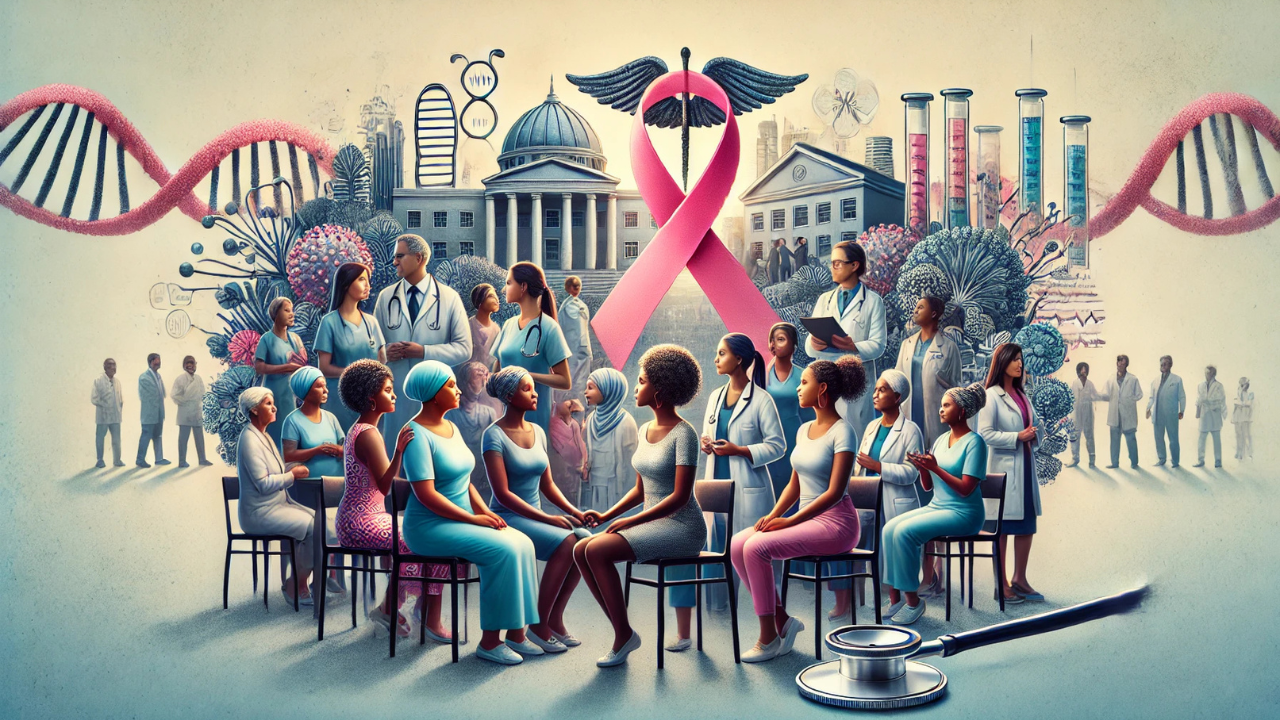
Black Women Face Breast Cancer Risks. Study Investigates Causes and Solutions to Improve Health and Reduce Inequalities in the SUS
Health inequality has profound impacts on the lives of Black women in Brazil, especially regarding breast cancer.
For this reason, an innovative study is investigating the relationships between biological, social, and environmental factors to understand why this group shows a higher incidence of the most aggressive subtype of the disease.
This way, it is hoped to develop effective strategies for prevention and treatment, reducing inequalities and improving outcomes in the Unified Health System (SUS).
-
From sertanejo star to international investor: Ana Castela invests millions in a mansion in the USA, creates a themed accommodation in Orlando, and shows that the “boiadeira” also wants to grow away from the stage.

-
The 10 most stunning motorhomes in the world: a $3 million trailer with a rooftop nightclub and garage for a Ferrari, “palaces on wheels” with Italian marble, private cinema, and five-star hotel luxury for billionaires.

-
Trump wanted to spend $400 million on the White House, but the courts prohibited the million-dollar construction.

-
How the Egyptians erected giant structures like pyramids, temples, and obelisks without modern technology, cranes, or engines still amazes the world and reveals the power of engineering based on ramps, levers, ropes, and colossal organization.


Breast Cancer in Black Women: A Concerning Reality
Currently, a concerning reality reveals that Black women have a 57% higher chance of dying from breast cancer.
Additionally, the subtype known as triple-negative is the most aggressive form of the disease and shows a higher incidence in this group in various regions of the world.
Besides genetic issues, social and structural factors also contribute to this alarming reality.
The difficulty in accessing routine exams, late diagnosis, and treatment limitations directly impact the health of Black women, reducing their chances of survival.
Mantus: The Study That Can Change Reality
For this reason, the study Mantus aims to analyze in depth the causes of the higher occurrence of this subtype among Black women.
Scientist Sheila Coelho Soares Lima, from the National Cancer Institute (INCA), coordinated the research initiated in 2022, which already shows promising results.
A retrospective analysis of nearly one thousand patients confirmed the relationship between skin color and the incidence of aggressive breast cancer.
However, researchers emphasize that ancestry may be an even more determining factor than racial self-declaration.
In addition to clinical data, genetic investigations are being conducted to identify variants that may indicate a higher propensity for developing TNBC.
Impact of Research on Public Health
Considering that 76% of the population relying on the SUS is Black, the results of Mantus have the potential to transform how breast cancer is diagnosed and treated in Brazil.
Based on the findings, it is hoped to develop prevention strategies, early screening protocols, and personalized therapies for this audience.
This will not only improve the health of Black women but also optimize resources in the public health system.
Moreover, one of the main innovations of the study is the specific analysis of the Brazilian population, considering the genetic diversity of the country.
The study of ancestry is fundamental to understanding real risks and creating more effective solutions to combat the disease.
Expansion of Research and Future Actions
To make the study even more comprehensive, Mantus is expanding its data collection base to different regions of Brazil, especially in the Northeast, where the Black population is predominant.
The research has a multidisciplinary team of specialists, including epidemiologists, geneticists, clinical oncologists, and mastologists. This ensures a complete approach to the problem.
The study is also aligned with the initiatives of the Pink October campaign, which seeks to raise awareness about the importance of prevention and early diagnosis of breast cancer.
During this year’s official event, held at the Cancer Hospital III in Rio de Janeiro, the publication was presented
Breast Cancer Control in Brazil
Data and Numbers 2024, a survey aimed at assisting health managers in formulating more effective policies for combating the disease.
Breast cancer is a disease that affects thousands of women every year. However, its consequences are even more severe for Black women due to biological and structural factors that hinder access to diagnosis and adequate treatment.
The Mantus study emerges as a hope for changing this scenario, bringing scientific evidence that can guide new health policies and reduce inequalities.
Investing in research and monitoring cases is essential to ensure that all women, regardless of skin color, have access to effective treatment and a healthier future.
Furthermore, mobilization around the topic, through campaigns like Pink October, is also fundamental to broaden the debate and raise awareness among the population about the importance of prevention and early diagnosis.
Thus, advancing science and building more inclusive public policies are fundamental steps to ensure that all women have a fair chance in the fight against breast cancer.








Seja o primeiro a reagir!