





 Portuguese
  English
  Spanish
  4 min of reading
  0 comments


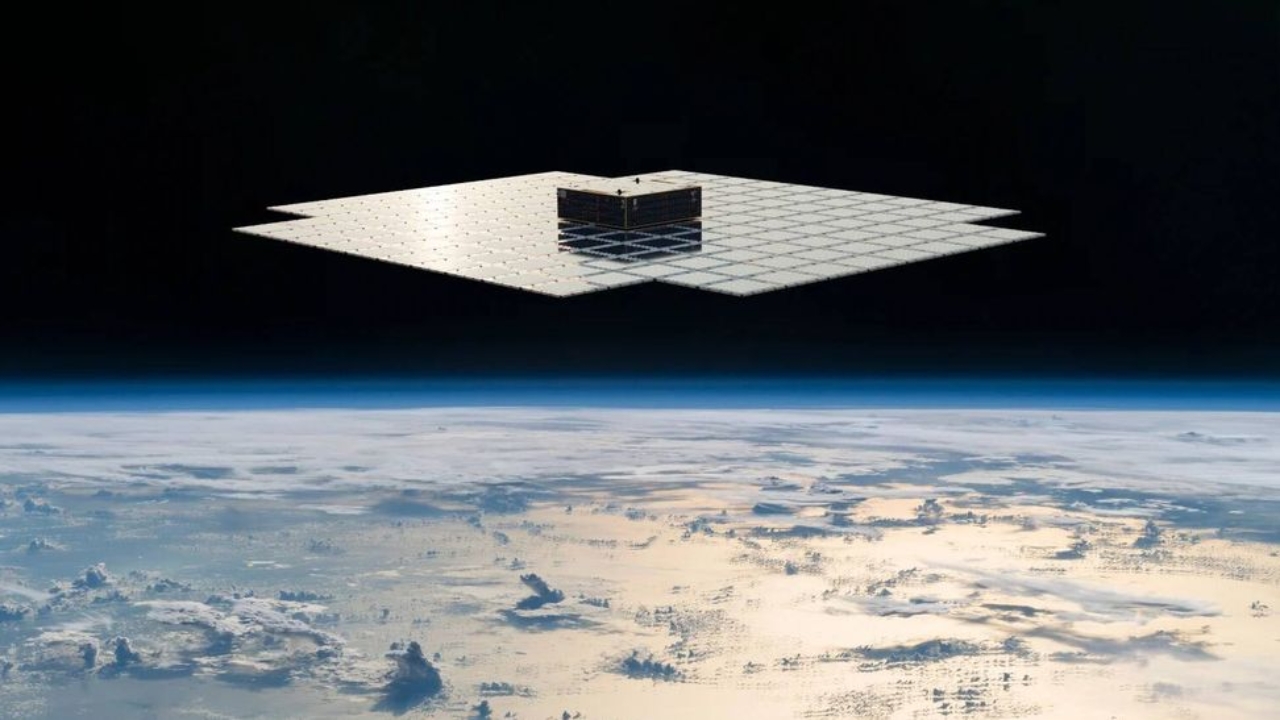
The Arrival of BlueBird 6 Promises to Bring Internet Directly to Common Smartphones and Puts More Pressure on Low Earth Orbit
The Texas startup AST SpaceMobile has placed the BlueBird 6 into orbit, described as the largest commercial satellite ever launched. With 223 square meters after the antenna deployment, the device aims to provide internet and voice connections directly to mobile phones, without any accessories.
The launch increases competition with the Starlink constellation, which already dominates the satellite connectivity market. At the same time, the increase in objects in space reinforces the debate over orbital security and the impact on sky observation.
What Happened and Why It Caught Attention
The BlueBird 6 took off on December 23 aboard the LVM3 rocket from ISRO, launched from the Satish Dhawan Space Centre in India. It reached low Earth orbit in 16 minutes.
-
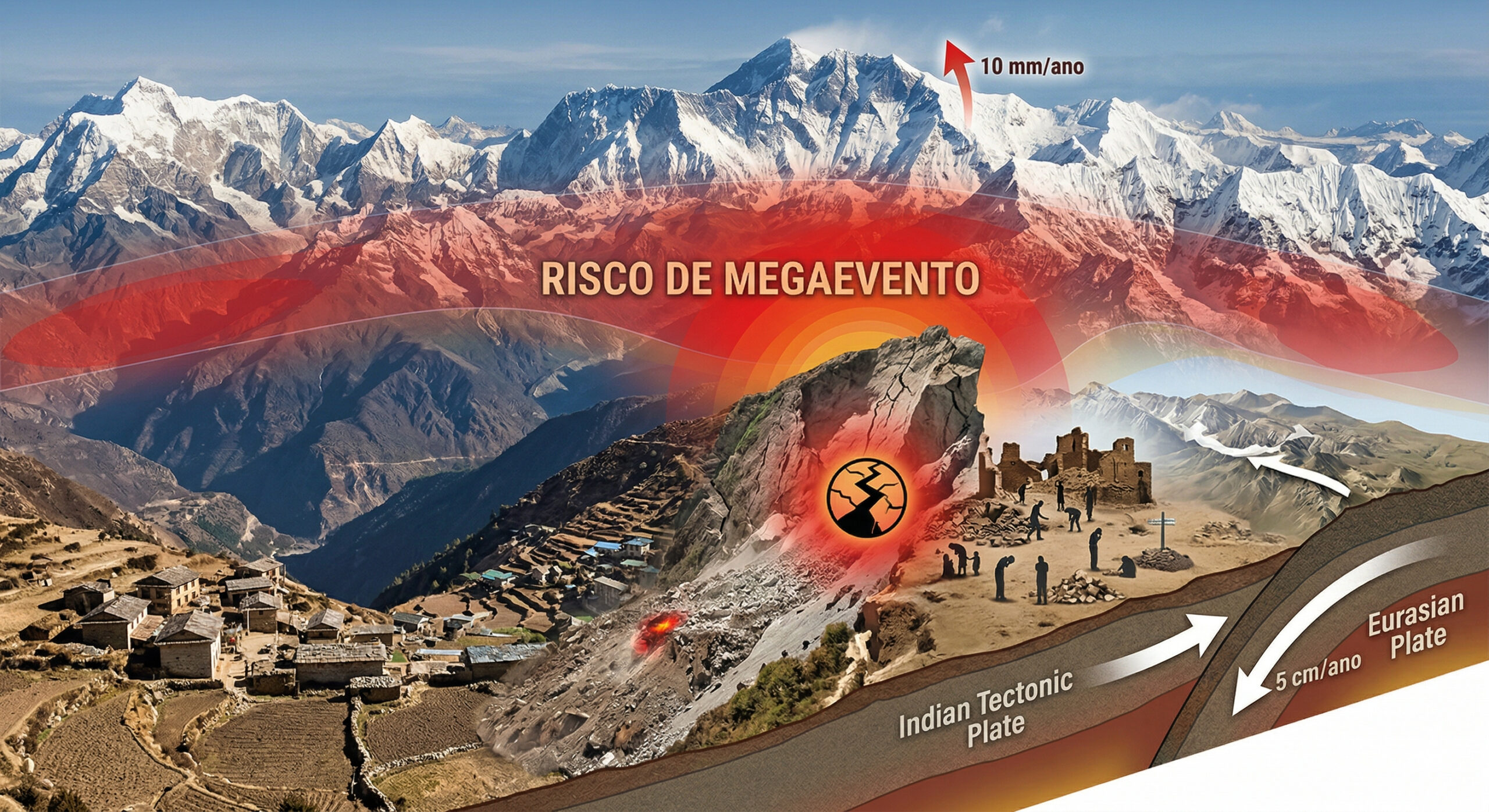
The Himalayas continue to grow to this day, with tectonic plates advancing 5 cm per year, mountains rising up to 10 mm annually, and the 2015 earthquake that killed 9,000 people may have increased the risk of an even larger seismic mega-event.
-
At an altitude of 400 km by astronauts from the International Space Station, Paris transforms at night into a golden mesh so precise that it reveals the outline of the Seine River, avenues, and entire neighborhoods like a luminous map drawn over the Earth.

-
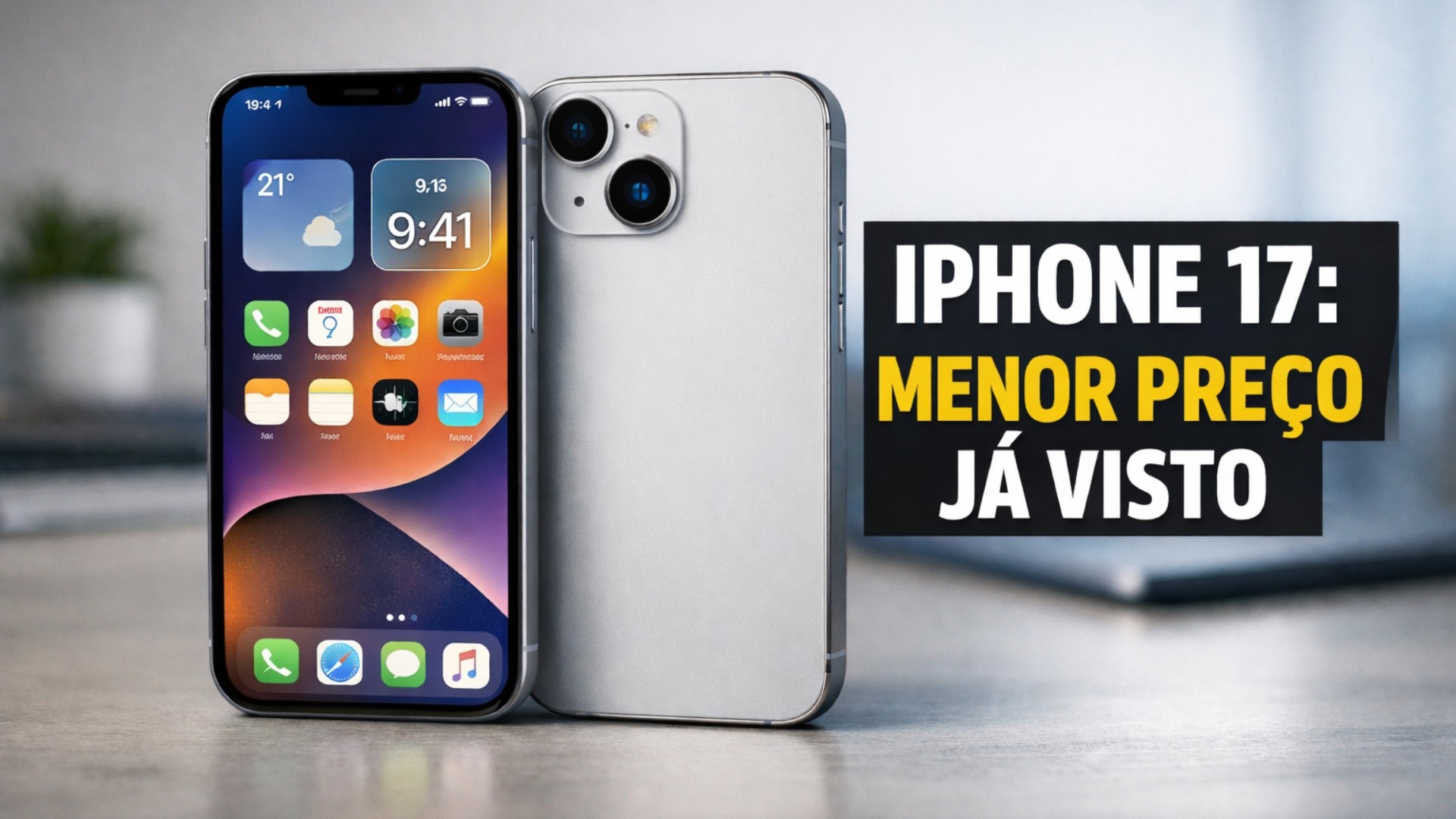
iPhone 17 reaches historic low price with 256 GB, 120 Hz display, and drops to R$ 5,703 on Shopee, featuring A19 chip, dual 48 MP cameras, battery life of up to 30 hours, and advanced AI features.
-
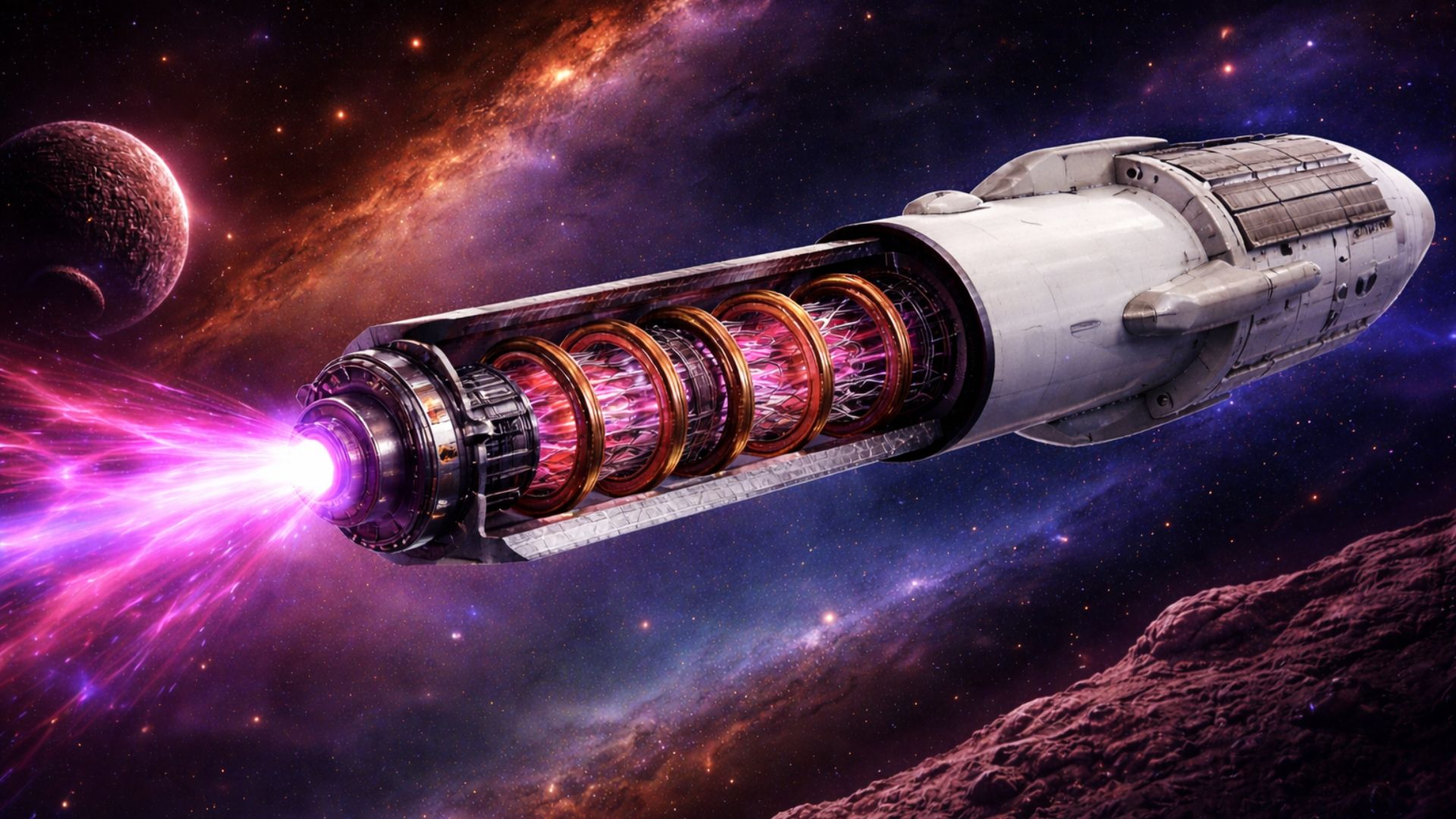
Trip to Mars getting closer: Pulsar Fusion, from the UK, advances with plasma ignition in fusion engine and could drastically reduce space travel time, making crewed missions faster, safer, and economically viable.

AST plans to launch between 45 and 60 satellites of the same type by the end of 2026. The goal is to build a space mobile broadband network accessible via conventional phones.
The company already has five smaller commercial satellites in orbit and is working to offer 5G services in the United States and in four other countries by early 2026.
A significant stride in India’s space sector…
The successful LVM3-M6 launch, placing the heaviest satellite ever launched from Indian soil, the spacecraft of USA, BlueBird Block-2, into its intended orbit, marks a proud milestone in India’s space journey.
It strengthens… pic.twitter.com/AH6aJAyOhi
— Narendra Modi (@narendramodi) December 24, 2025
What Changes Practically for Mobile Phone Users
The proposal is simple to understand: a direct connection from the satellite to the device, without an external antenna and without a dedicated terminal. This could reduce signal failures in areas where terrestrial networks do not reach.
The ambition is to achieve coverage in rural and remote areas, where connectivity is still limited. In practice, the mobile phone will have an alternative when traditional networks are not available.
The project aims to pave the way for mobile broadband with global reach while keeping the experience similar to what already exists in cellular networks.
How the Size of the Satellite Becomes an Advantage
After opening its panels in space, the BlueBird 6 occupies 223 square meters, comparable to the size of a tennis court. Its size exceeds that of the BlueWalker 3, which reaches 64 square meters when fully deployed.
This size meets a technical need: the antenna must be powerful enough to communicate with phones that were not designed for satellite communication. The idea is to compensate for the limitations of the user’s device.
Each unit is designed to support 10 gigahertz of bandwidth and offer speeds of up to 120 megabytes per second per mobile phone.
Direct Competition with Starlink and Agreements with Carriers
The competition with Starlink is immediate. The SpaceX network operates over 9,000 satellites, estimated to account for between 75% and 85% of all satellites in orbit.
While Starlink scales in quantity, AST bets on larger antennas to communicate directly with mobiles. The company has made agreements with AT&T, Verizon, and Vodafone to complement coverage in areas with little or no signal.
On the other hand, Starlink maintains a partnership with T Mobile in the market for direct device connectivity.
Brightness in the Sky and Concern about Light Pollution
The BlueWalker 3, launched in September 2022, demonstrated direct communication by making a 5G call from space to a common Samsung Galaxy S22. The same mission also drew attention for another reason.
After the panel deployment, the brightness increased by about two magnitudes, exceeding the brightness of most objects in the night sky. With the BlueBird 6 being three times larger, concerns about visual impact are gaining strength.
The increase in bright satellites could hinder astronomical observations and alter the experience for those observing the sky with the naked eye.
More Crowded Orbit and Risk of Sequential Collisions
AST predicts a constellation of up to 243 satellites to ensure continuous global coverage. The expectation is to begin commercial operations in some markets in the first quarter of 2026.
The entry of more satellites also intensifies the discussion about the sustainability of low Earth orbit. SpaceX sent a letter to the Federal Communications Commission at the end of 2024 raising concerns on the topic.
The saturation is described as critical, with the Starlink constellation having already tripled the orbital population in seven years, requiring evasive maneuvers every 1.8 minutes. The fear is the occurrence of the Kessler Syndrome, a chain reaction of collisions that could compromise GPS, communications, and financial systems.
The BlueBird 6 marks a leap in scale with its 223 square meters and reinforces the race for direct mobile connection, promising to bring broadband beyond terrestrial towers.
At the same time, the expansion of constellations by 2026 increases pressure on low orbit, raising the debate about sky brightness, the need for evasions, and the risks of chain collisions.







-

-

-

-

6 pessoas reagiram a isso.