





 Portuguese
  English
  Spanish
 6 min of reading
  0 comments



RJ Announces New Advances in Renewable Energy Agenda, with SEENEMAR Establishing Strategic Partnerships and Confirming the Implementation of a Biomass Plant in Rio de Janeiro
On November 28, 2025, the Secretary of Energy and Maritime Economy (SEENEMAR) announced new strategic advances to strengthen the policy of renewable energy in RJ, including support for the installation of a biomass plant and the formalization of public-private partnerships that expand the reach of the energy transition in the state.
The announcement, made in a publication by the State Government, reinforces the structural shift in the energy matrix of Rio de Janeiro, creating technological, environmental, and economic opportunities aligned with global sustainability demands. Diversifying the energy matrix and promoting clean sources has become an official priority, driving projects that combine innovation and environmental responsibility.
The Main Measures Announced by SEENEMAR
The information released by SEENEMAR highlights three central fronts:
-
Researchers discover a possible hydrogen deposit of up to 46 million tons beneath an ancient coal basin, and the volume could exceed half of the entire global production.

-
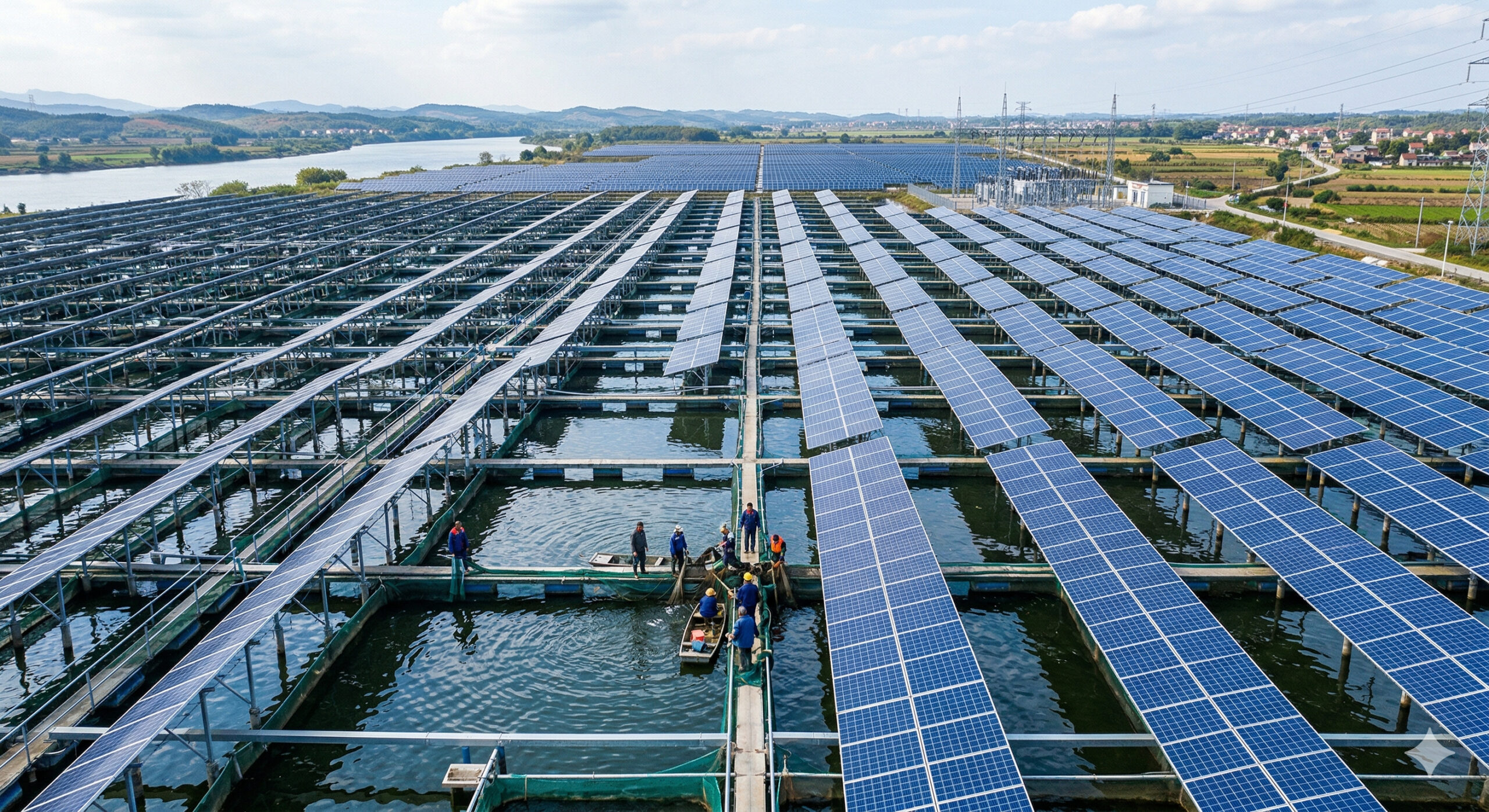
China bets on the Fishery-PV model and transforms fish farms into giant solar plants, covering ponds with panels that generate energy while utilizing the same space for large-scale aquaculture production.
-
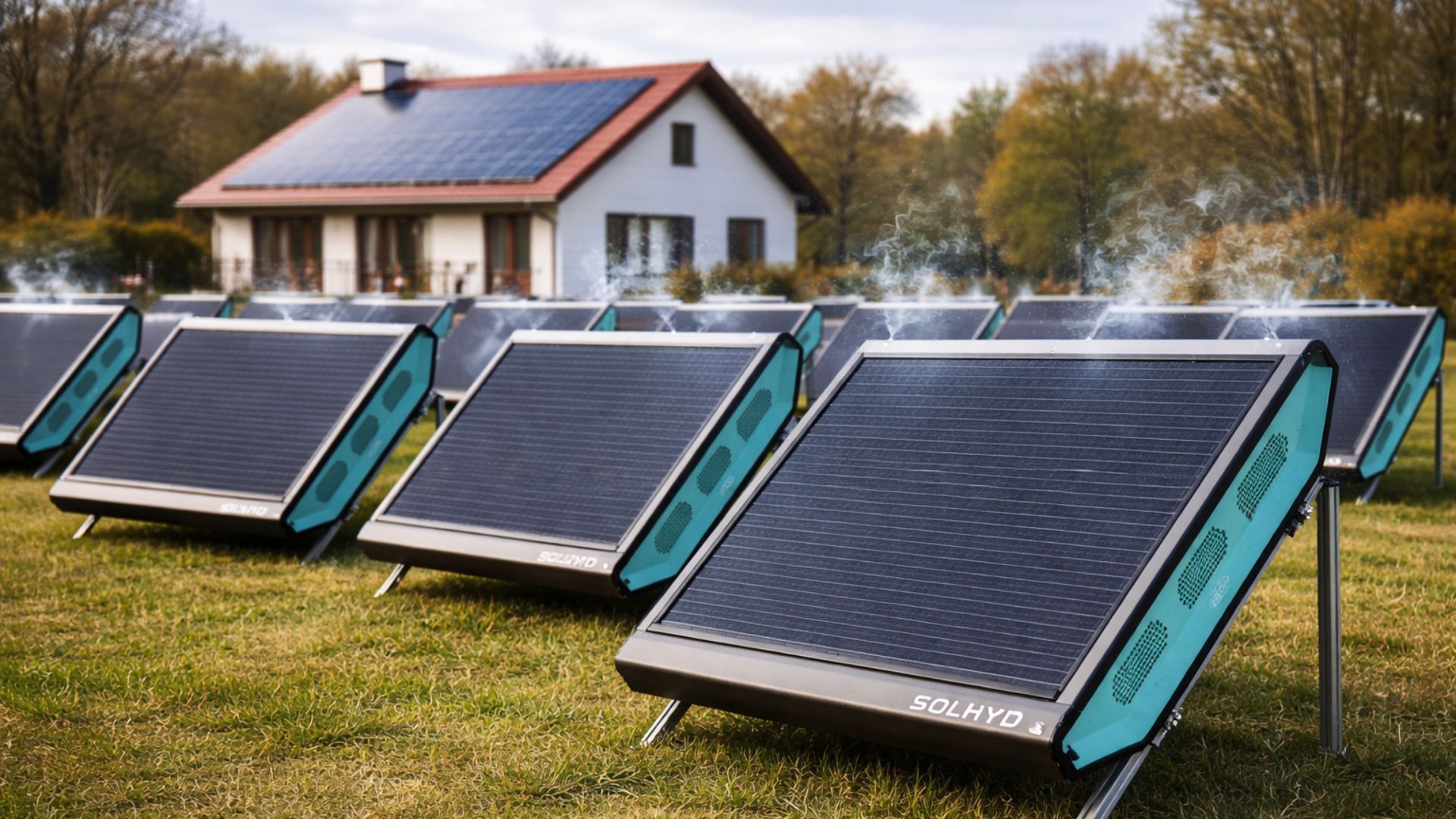
Green hydrogen at home: Belgium launches new technology that makes solar panels produce fuel from the moisture in the air, which could boost the energy transition.
-
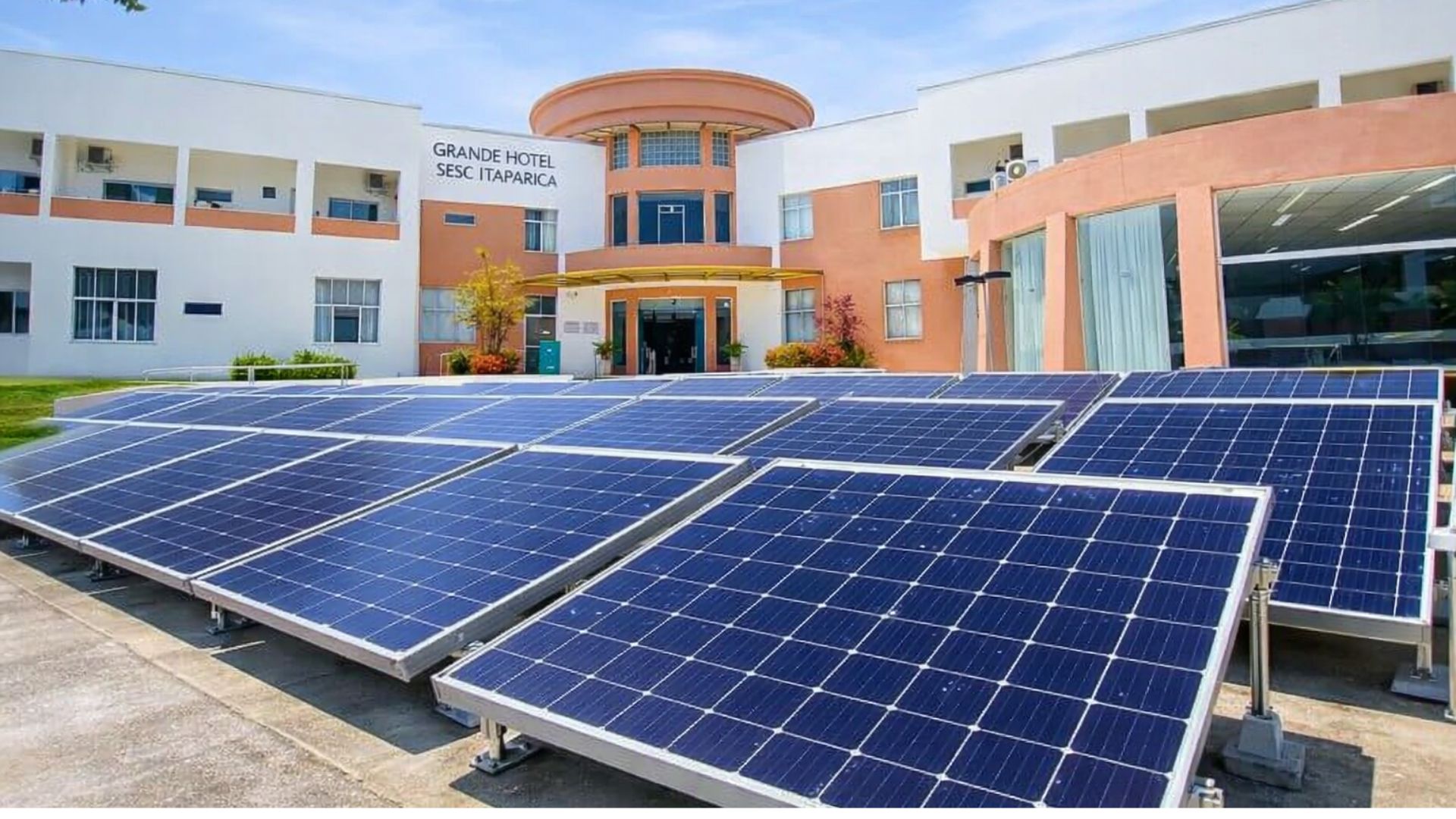
Sesc-BA bets on renewable energy with the support of EDP and drives the energy transition with a direct impact on cost reduction and the sustainability of its operations in Bahia.

- The future installation of a biomass plant aimed at sustainable electricity generation.
- The strengthening of institutional partnerships focused on energy efficiency and the expansion of clean energy projects.
- The strategic alignment of the state with national and international emission reduction and energy transition goals.
- Bill proposal for ICMS exemption for solar energy
These actions, even in their initial phase, represent a concrete shift towards a modern, diversified, and sustainable energy model.
Significance of the Advance for Rio de Janeiro
The Rio de Janeiro has a history of strong dependence on fossil fuels, especially due to the presence of large offshore operations, refineries, and oil and gas logistic chains. In recent years, however, the state has started to intensify initiatives aimed at renewable energy, seeking to reduce economic and environmental risks.
Recent reports from the energy sector show that renewable projects, such as solar, wind, biogas, and biomass, already present competitive costs and significant environmental benefits.
Data from consultancies and specialized outlets indicate that clean sources tend to be more economically advantageous in the medium term, mainly because they offer lower volatility in operating costs. This means that investing in energy diversification is not only an environmental decision but also an economic and strategic one.
Biomass Plant: Pillar of the New Phase of Renewable Energy in RJ
The creation of the new biomass plant represents one of the most relevant points of the official announcement. Biomass stands out for transforming organic waste—agricultural, forestry, or urban—into electricity, providing advantages such as:
- Significant reduction in greenhouse gas emissions by replacing fossil fuels.
- Continuous operation, ensuring stability in the grid, unlike intermittent sources such as solar and wind.
- Promotion of the circular economy by reusing waste that would otherwise be discarded.
- Creation of local jobs in sectors such as logistics, collection, sorting, and plant operation.
Although SEENEMAR has not yet released official data on installed capacity or a complete schedule, the definition of biomass as a strategic axis reinforces the priority given to expanding the renewable energy matrix in the state.
The intelligent use of organic waste transforms environmental challenges into real economic opportunities.
Rio de Janeiro Also Aims to Create a Bill to Exempt ICMS for Solar Energy
The State Secretary of Energy and Maritime Economy, Cássio Coelho, highlighted at the event’s opening the progress of a Bill that provides for the exemption of ICMS for solar energy, a measure that should attract new investments to Rio de Janeiro.
He also presented the Clean Energy Map, a document that updates and consolidates the main opportunities in the sector within the state. The material gathers data on Offshore Wind, Solar, Biogas and Biomethane, Nuclear, Hydrogen, and Hydropower, offering a strategic view that guides investments, supports public policies, and connects society to state energy planning—showcasing the state’s potential to lead Brazil’s energy future.
According to Coelho, SEENEMAR is in advanced stages of developing the Bill for the exemption of ICMS for solar energy. He also emphasized that Rio de Janeiro ranks second nationally in biomethane production, driven by the Gás Verde plant, located in Seropédica—the largest producer in Latin America, operating in six states across the country.
Strategic Partnerships of SEENEMAR to Accelerate the Energy Transition
In addition to the biomass plant, the new partnerships formalized by SEENEMAR enhance the state’s institutional capacity to promote clean energy. Among the highlighted aspects in the announcement are:
- Integration with institutions developing technologies focused on energy efficiency.
- Coordination with private sectors interested in sustainable investments.
- Expansion of regulatory mechanisms that encourage innovation and competitiveness.
The state government has also been working on regulatory modernization. Recent decrees published by the Executive establish incentives for the use and production of biomethane and renewable natural gas, strengthening the legal framework for the implementation of new clean projects. This consistent regulatory environment is one of the factors that most influence the entry of new investors in the renewable energy sector.
Expected Environmental, Economic, and Social Impacts
The development of renewable energy projects brings relevant environmental impacts:
- Direct reduction of pollutant emissions.
- Mitigation of climatic impacts associated with fossil fuels.
- Valuation of waste, contributing to the circular economy.
- Protection of sensitive ecosystems, especially in coastal and rural areas.
By adopting clean energy, the state contributes to global decarbonization goals.
The initiative by SEENEMAR is expected to boost different sectors of the economy, especially in RJ:
- Job creation in logistics, engineering, maintenance, and operation.
- Attraction of national and international investments focused on the sustainable sector.
- Strengthening of the local industry, which can provide specialized equipment and services.
- Long-term predictability, with reduced energy costs and greater tariff stability.
Diversification and Energy Security in Rio de Janeiro
Adopting a diversified matrix is essential to ensure reliability in supply and reduce risks associated with oil and gas crises. Biomass, combined with other sources of renewable energy, contributes to:
- Decreasing dependence on fossil fuels.
- Reducing external vulnerabilities, such as price fluctuations in the international market.
- Reinforcing the energy security of the state.
- Integrating different technologies that complement each other and help balance the electrical grid.
Diversifying the matrix is essential to ensure energy stability in the future.
Challenges and Critical Points for Monitoring
Despite the advances, there are structural issues that need to be monitored:
- The detailed disclosure of the plant’s schedule and its installed capacity.
- Transparency in the execution of the agreements established in the new partnerships.
- The need to strengthen the logistics of collection and processing of biomass.
- The environmental monitoring of all project phases, ensuring legal compliance and sustainability.
- The integration with other public policies on solid waste, infrastructure, and innovation.
The success of the energy transition depends on both investments and efficient governance and oversight.
Strategic Pathway for the Energy Future of Rio de Janeiro
The announcement shows that RJ is closer to an economy capable of balancing growth, innovation, and sustainability. The actions of SEENEMAR, with the implementation of the biomass plant and the strengthening of partnerships to enhance renewable energy, indicate a shift in posture: from a traditional model based on fossil fuels to a future-oriented approach.
As these projects progress, Rio de Janeiro gains national prominence as a laboratory for clean energy solutions capable of generating economic development, protecting the environment, and creating new opportunities for its population.








Seja o primeiro a reagir!