





 Portuguese
  English
  Spanish
 5 min of reading
  1 comment


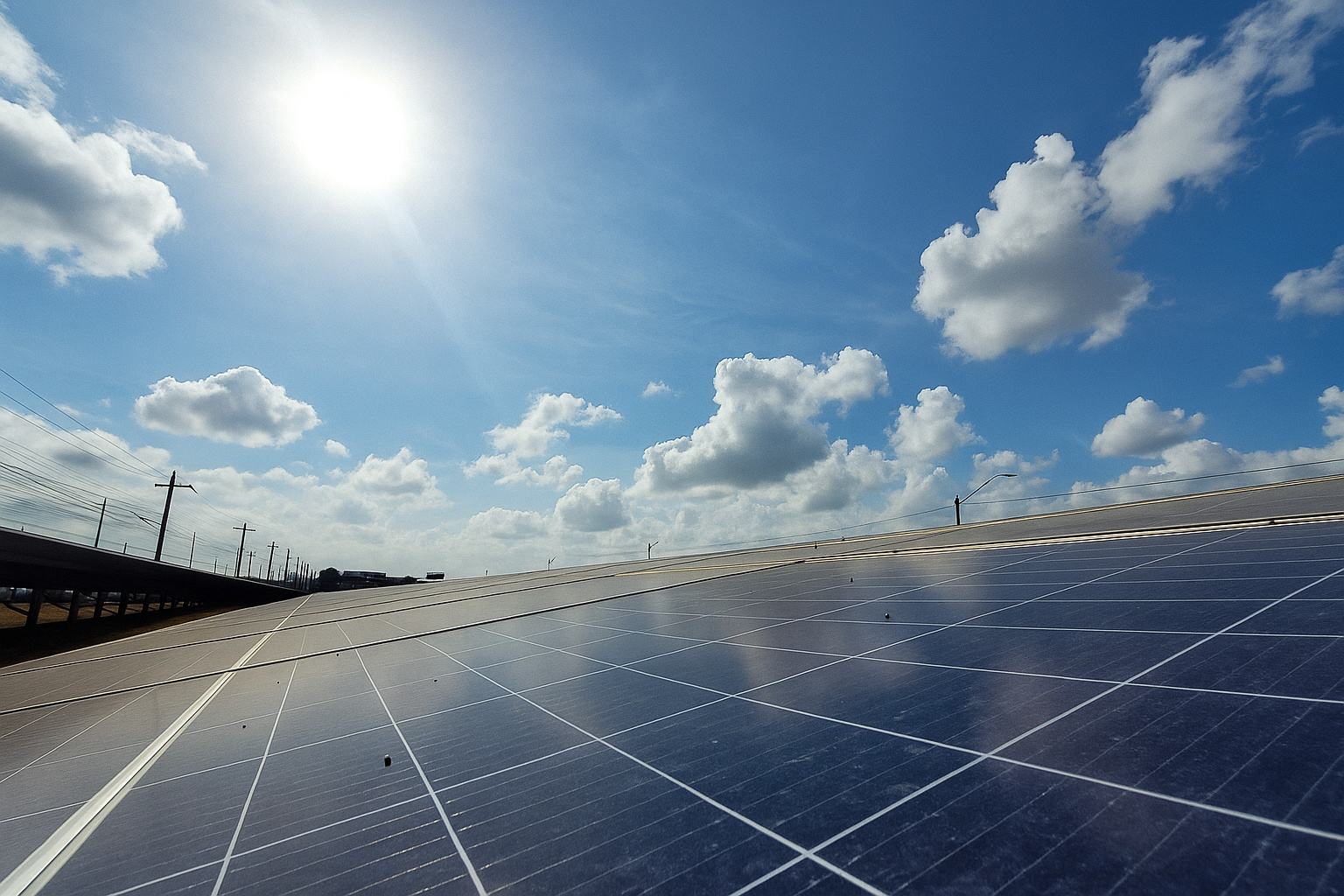

Understand How The Waste Of Renewable Energy In Rio Grande do Norte Reveals Old Challenges And Opportunities For The Nation’s Sustainable Future
The waste of renewable energy has become, over the past few years, one of the main topics in discussions about Brazil’s energy future.
In September, Rio Grande do Norte set a national record for this type of loss, according to data from the National System Operator (ONS), analyzed by CarpeVie consulting and the Center for Strategies in Natural Resources and Energy (CERNE).
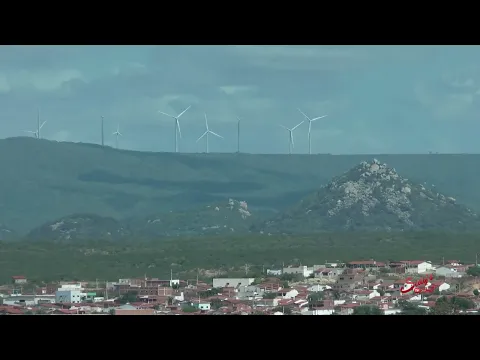
The state, widely recognized for being one of the largest producers of wind energy in the country, accounted for 36.01% of the generation cuts among all federative units.
-
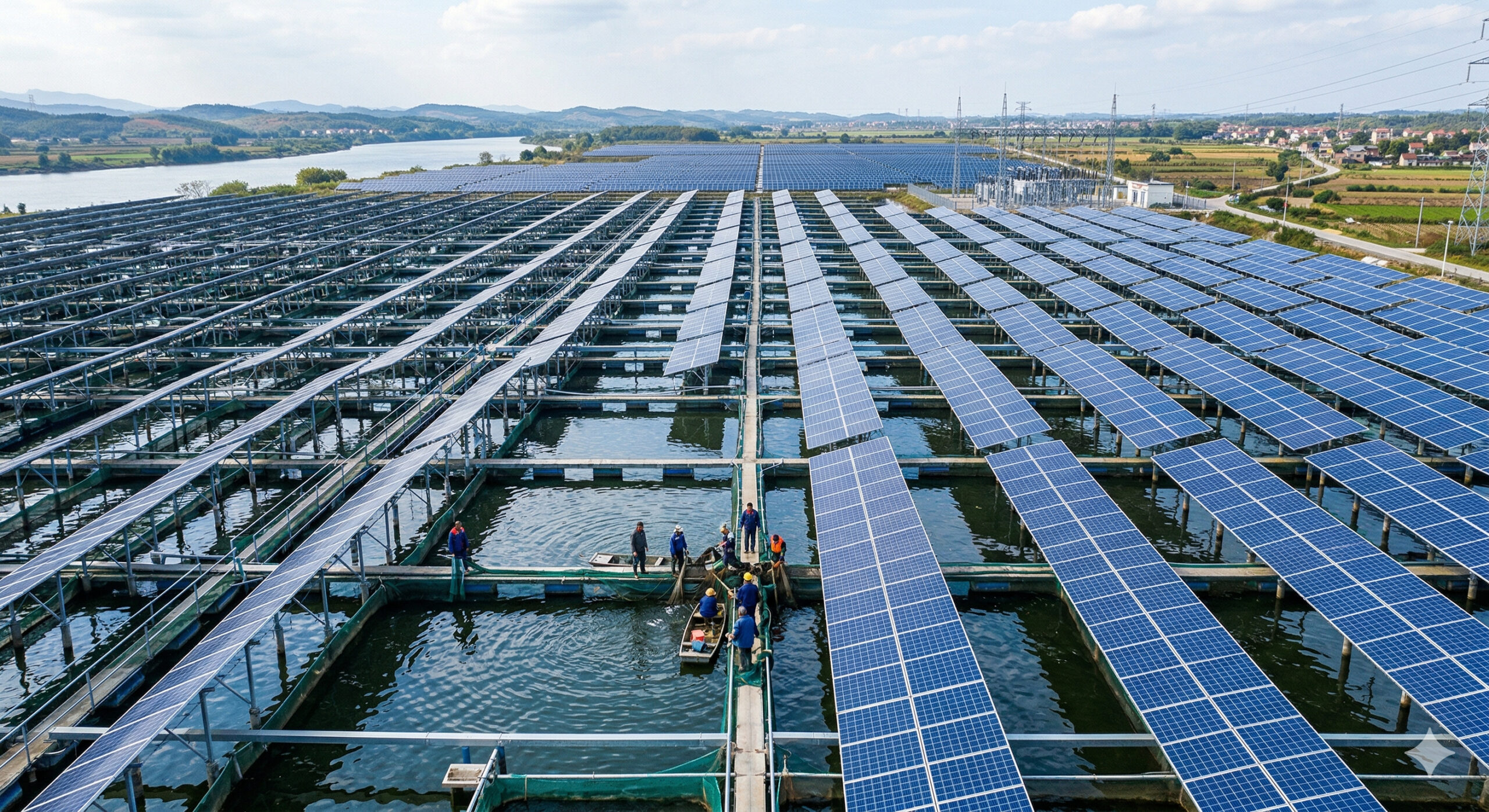
China bets on the Fishery-PV model and transforms fish farms into giant solar plants, covering ponds with panels that generate energy while utilizing the same space for large-scale aquaculture production.
-
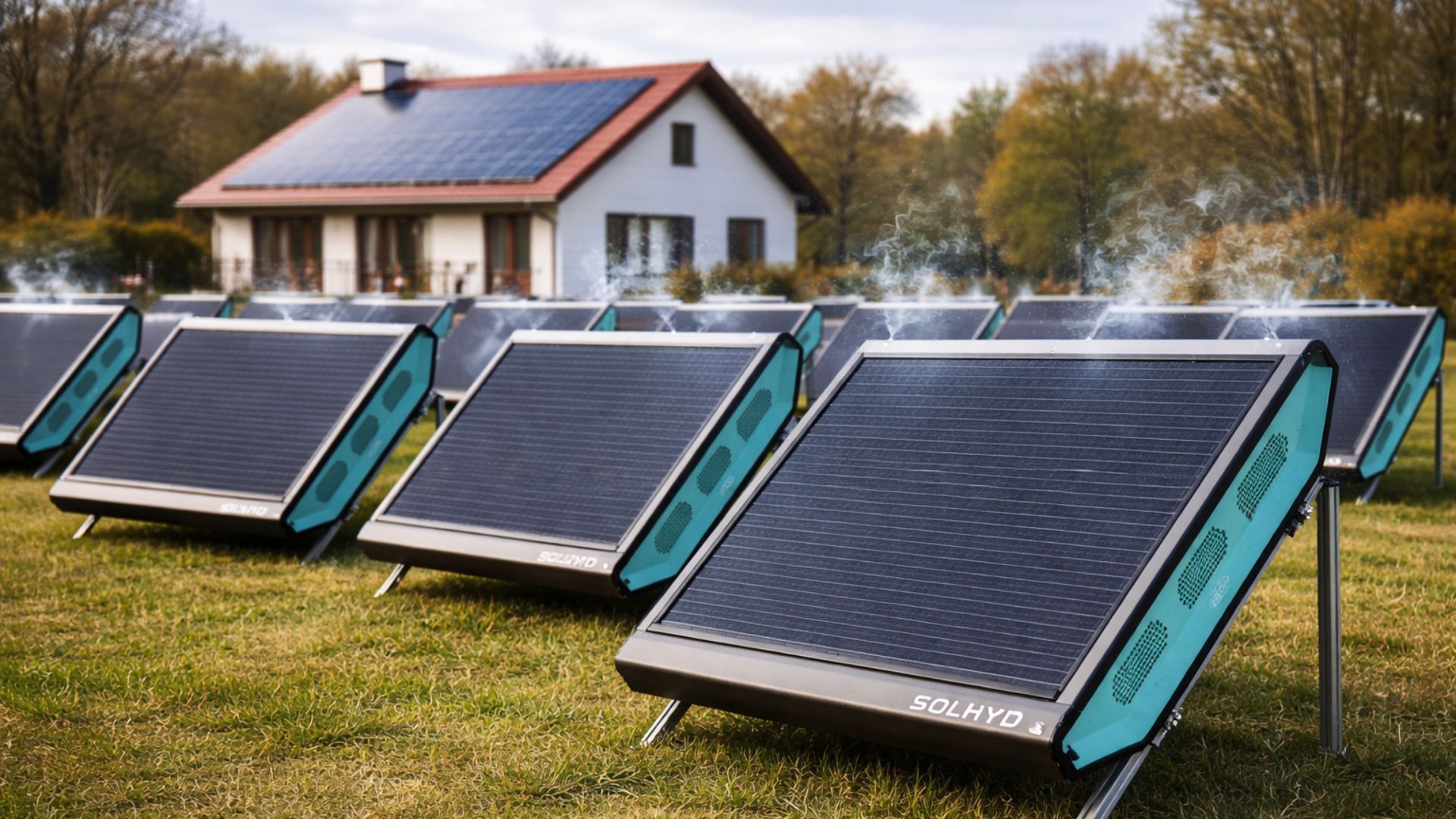
Green hydrogen at home: Belgium launches new technology that makes solar panels produce fuel from the moisture in the air, which could boost the energy transition.
-
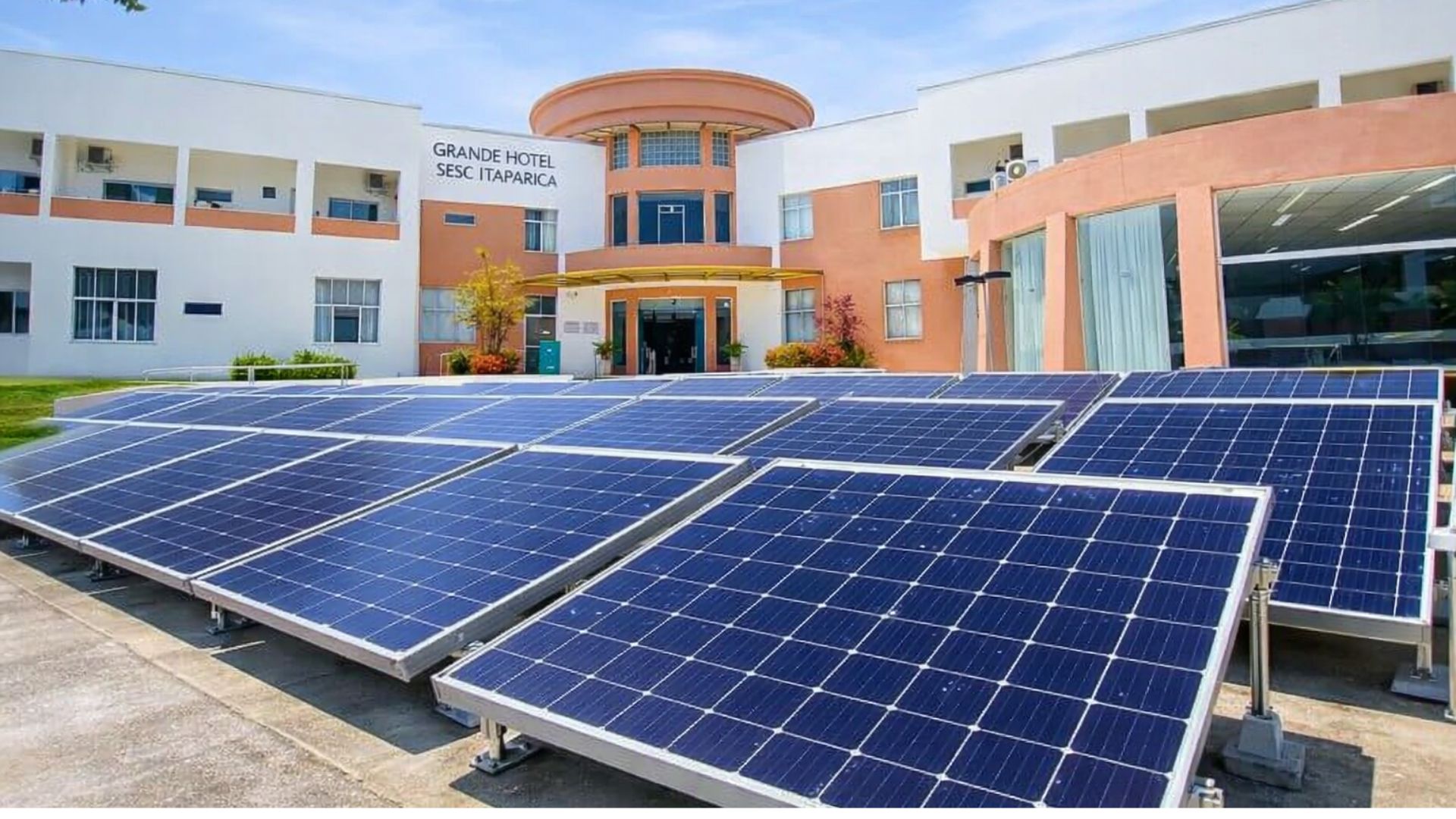
Sesc-BA bets on renewable energy with the support of EDP and drives the energy transition with a direct impact on cost reduction and the sustainability of its operations in Bahia.
-
Technology giant breaks global sustainability records: How Amazon’s leadership in renewable energy procurement transformed the global energy market in the past year.


This phenomenon, called curtailment, occurs precisely when wind and solar plants must reduce or stop energy generation due to a lack of capacity to transmit through the transmission lines.
According to the president of CERNE, Darlan Santos, the accumulated losses in the Brazilian renewable sector have already exceeded R$ 5 billion, which highlights a structural problem that repeats and worsens each year.
Thus, the situation in Rio Grande do Norte reflects a broader challenge, which involves not only the electrical sector but also national energy planning.
The Origin Of The Problem And The Historical Impact Of Infrastructure
Historically, Brazil has stood out for producing clean energy.
Since the early 2000s, when the country began large investments in wind farms, the Northeast has been seen as a global example of sustainable generation.
Rio Grande do Norte, in particular, has excelled at harnessing strong and constant winds, transforming its natural potential into a competitive advantage.
However, at the same time that production has increased, the transmission infrastructure has not kept pace with the expansion.
The networks that should transport the energy generated in the plants were not expanded in the same proportion.
As a result, part of this clean electricity ends up being wasted, which represents a waste of renewable energy with economic and environmental consequences.
Moreover, this problem highlights a concerning contradiction.
Although Brazil is one of the world leaders in renewable energy, it also ranks among the countries that waste the most of this type of production.
According to CarpeVie’s survey, Rio Grande do Norte ranks second nationally in losses in 2025, only behind Bahia.
In total, 70% of the losses are concentrated in the Northeast, a region that should be the engine of the country’s energy transition.
The Expansion Of Clean Energy And Regional Challenges
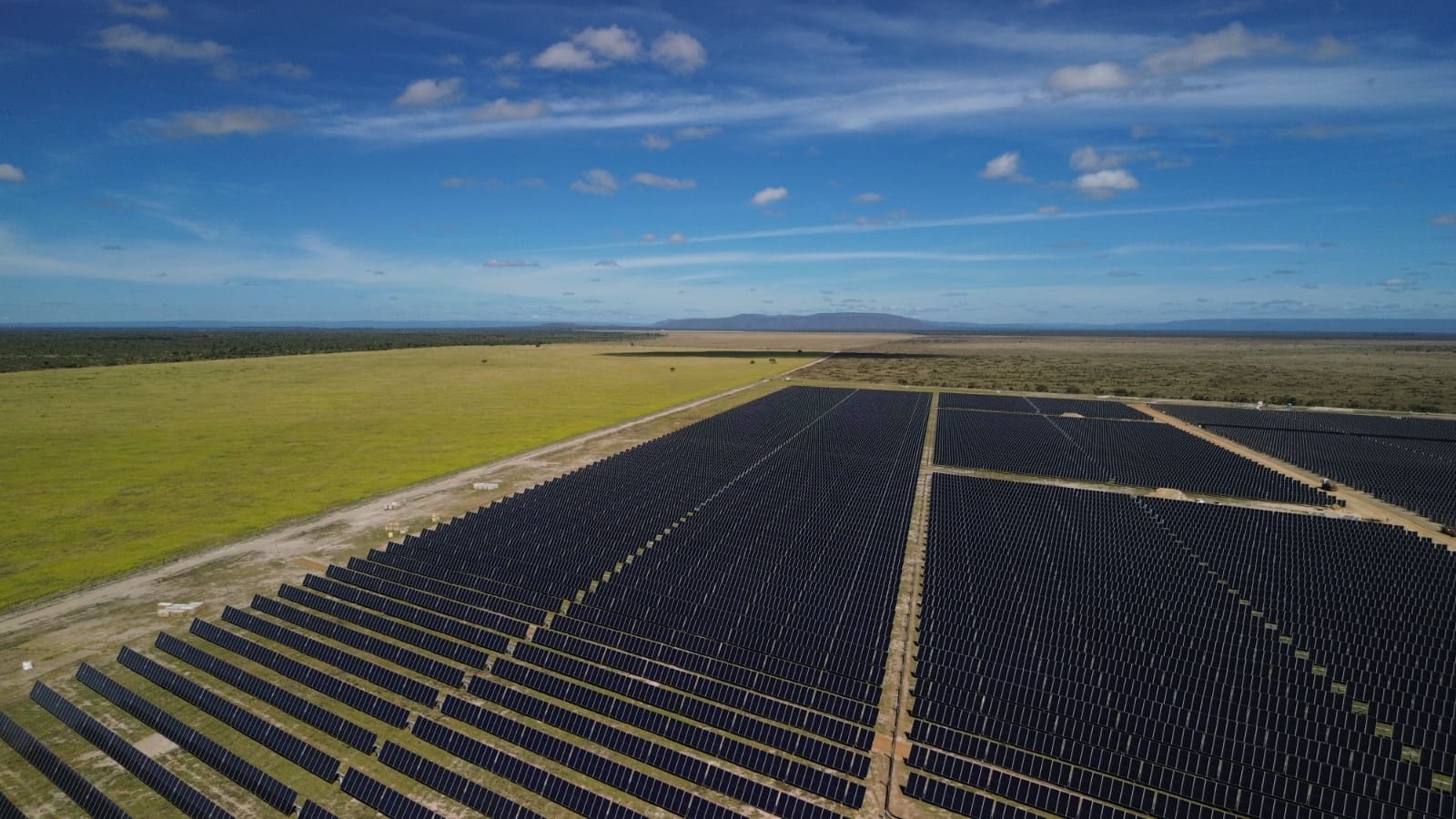
In recent years, the advancement of wind and solar energy has transformed the Northeast into a true hub of renewable production.
However, although the potential is immense, the lack of adequate transmission lines still prevents all this energy from reaching the regions of highest consumption.
For this reason, many plants are forced to reduce their generation, which means wasting clean and abundant renewable energy.
In addition to the financial losses for companies, there is also a significant environmental consequence.
Whenever there are cuts in renewable energy production, the dependence on fossil sources increases, which emit polluting gases and raise the cost of the electrical system.
In this context, it is essential to understand that the problem is not just in energy generation.
It involves planning, environmental licensing, project execution, and public and private investment.
Thus, when these steps suffer delays or coordination failures, the country ends up wasting the energy potential that could sustainably boost its economy.
Therefore, if Brazil wants to consolidate its global leadership in clean energy, it needs to invest in infrastructure, regional integration, and technological innovation.
Only then will it be possible to turn losses into gains and make renewable energy a permanent driver of development.
Paths To The Full Utilization Of Renewable Energy
To address the waste of renewable energy, it is necessary, above all, a long-term strategic plan.
The country needs to accelerate the construction of transmission lines between the Northeast and the Southeast, where the highest demand for energy is concentrated.
Additionally, it should encourage the use of storage systems, such as high-capacity batteries, which can balance supply and demand during peak times.
At the same time, Brazil should invest in modernizing and digitizing the electrical system, allowing for a more intelligent and efficient management of energy flow.
The diversification of sources is also essential, as the integration of solar, wind, hydro, and biomethane energy reduces risks and ensures more stability in the system.
Internationally, countries like Germany and Denmark have faced similar challenges.
However, through consistent public policies, incentives for innovation, and the decentralization of generation, they have managed to dramatically reduce waste.
In this way, Brazil can follow this example and adapt foreign solutions to its own territorial and climatic reality.
Thus, with political will and coordinated investment, the country can turn a chronic problem into an opportunity for sustainable development.
The Role Of Rio Grande Do Norte And The Quest For Energy Efficiency
Rio Grande do Norte, being the main producer of wind energy in Brazil, occupies a strategic position in the national energy transition.
However, the state also faces the challenge of improving its outflow system and integrating more efficiently into regional and national networks.
With adequate policies and targeted investments, RN can convert its current record of waste into an example of overcoming.
To achieve this, it is essential to promote cooperation between government, regulatory agencies, and private companies, so that the growth of generation is accompanied by the modernization of electrical infrastructure.
Furthermore, as new technologies consolidate, such as using artificial intelligence to predict variations in generation and large-scale storage, the state will be able to ensure a more rational and sustainable use of its natural resources.
Therefore, if there is continuity in energy policies and encouragement for innovation, Rio Grande do Norte can transform its current challenge into a global showcase of efficiency and sustainability.
The Future Of Clean Energy And The Challenge Of Avoiding Losses
The waste of renewable energy, besides being a technical issue, represents a deep economic and environmental question.
Every megawatt wasted means lost financial resources, avoidable emissions, and missed opportunities that fail to generate social benefits.
On the other hand, Brazil has unique conditions to change this scenario.
With a diversified energy matrix, vast natural resources, and expanding technology, the country can quickly move towards a more intelligent and sustainable energy management.
In summary, the waste of renewable energy needs to be seen not just as a failure, but as a turning point.
From it, Brazil can consolidate a new energy model, more just, efficient, and environmentally responsible.
Thus, with planning, innovation, and cooperation, the country can transform the wind and the sun—today partially wasted—into pillars of a truly sustainable future.








… [Trackback]
[…] Read More: en.en.clickpetroleoegas.com.br/RN-breaks-record-in-renewable-energy-waste-in-September–study-says/ […]