





 Portuguese
  English
  Spanish
  4 min of reading
  0 comments


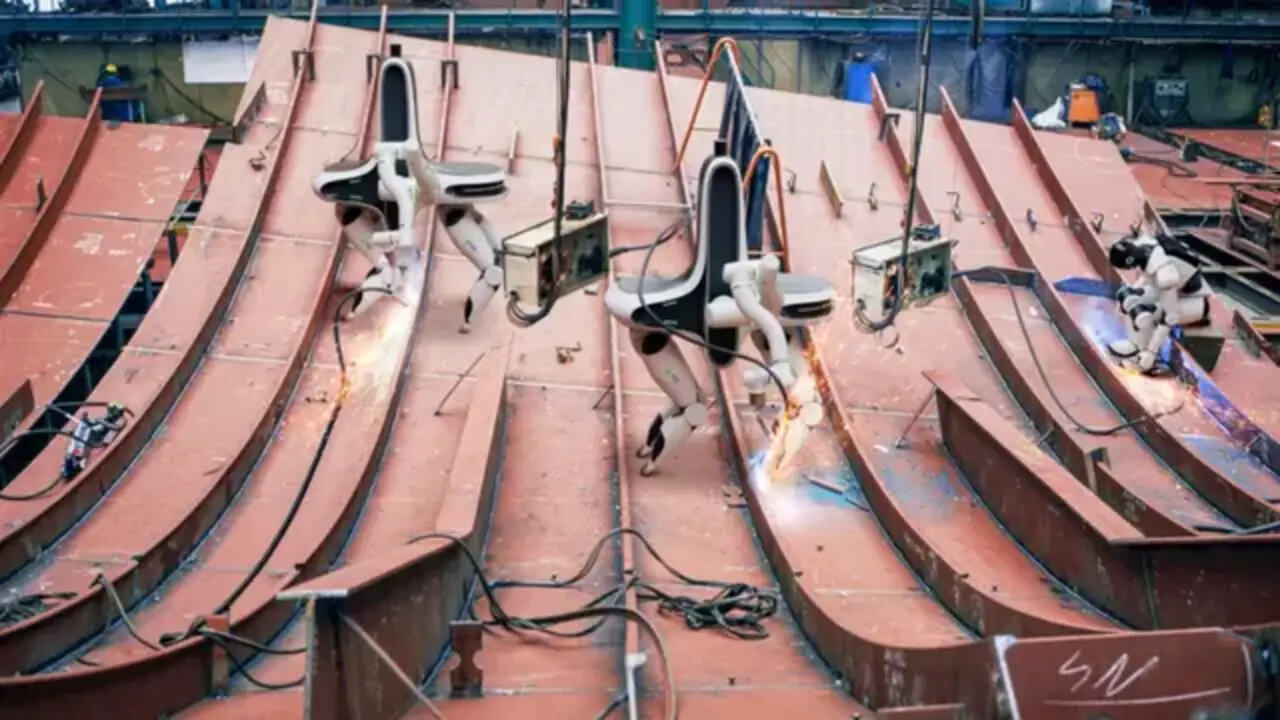
Humanoid Robots Begin To Act In Korean Shipyards In Real Assembly And Welding Tests With Support From Companies In Germany And The USA
The shipbuilding industry in South Korea is taking an important step towards automation. A new joint project between South Korean and German companies has begun testing advanced robots in shipyards.
The goal is clear: to increase efficiency, safety, and productivity in shipbuilding tasks, one of the most complex in the industrial sector.
International Partnership Focuses On Humanoid Robots
The initiative brings together South Korean companies HD Hyundai Robotics and HD Hyundai Samho, and German company Neura Robotics.
-
April begins with above-average heat and irregular rains in Brazil as El Niño warms the Pacific and exceeds 80% probability for the second half of 2026, with a risk of frost in the mountains and a winter that may repeat the extremes of 2023.

-
A barrier made with hair strands is used to clean the Guanabara Bay and employs simple technology to contain oil and waste.

-
The oceans are darkening all over the planet – what is happening?
-
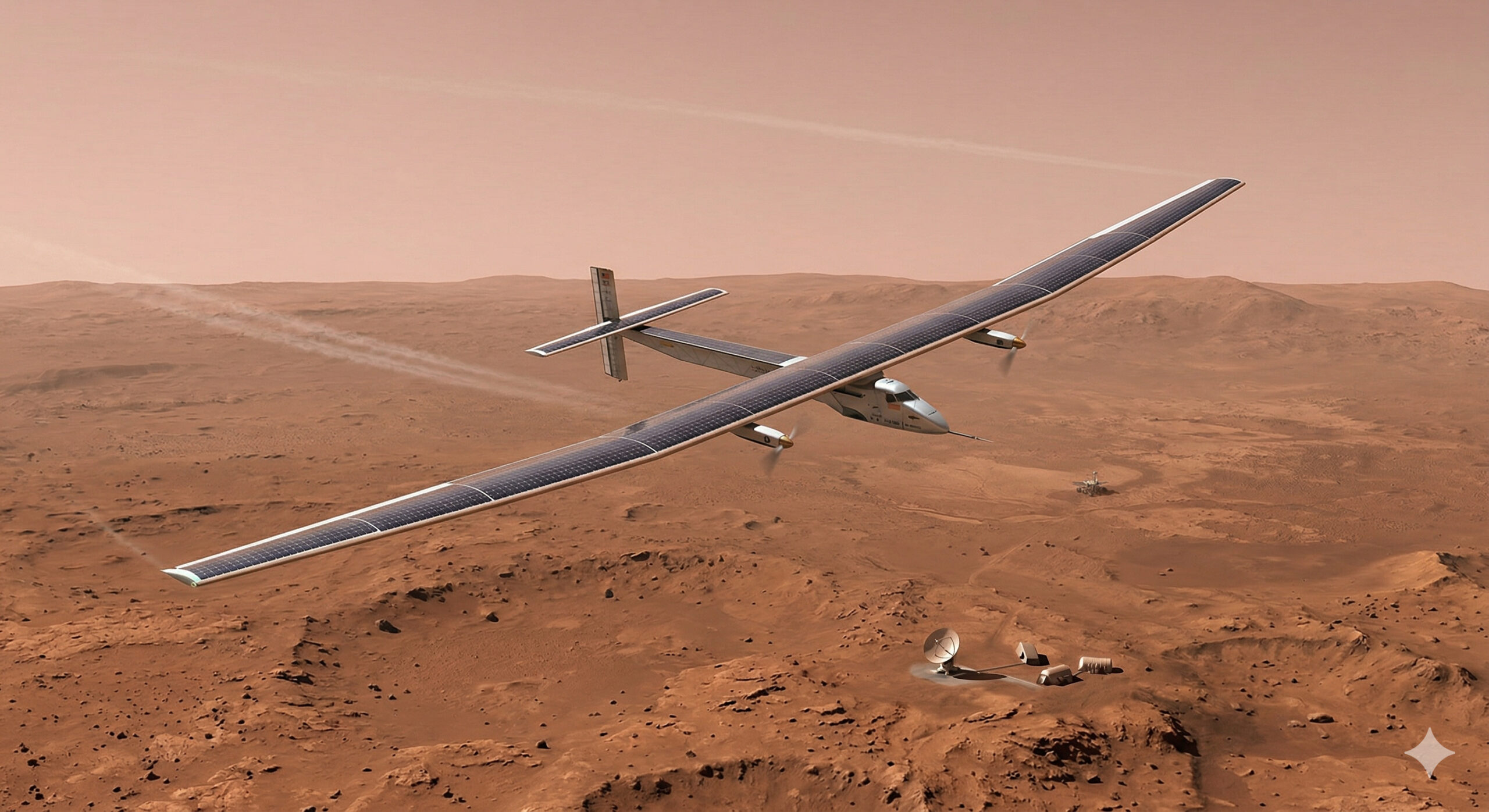
An engineer designs a solar plane to fly on Mars at an altitude of 1,000 meters and a speed of 300 km/h, covering 16,000 kilometers in a Martian year, 900 times the distance traveled by the Ingenuity helicopter in three years on the planet before experiencing a rotor failure, and NASA is already funding the feasibility study.

The tests involve humanoid and quadruped robots, developed to operate in challenging industrial environments.
The surprise is that the robots used are not from Hyundai itself, but from Neura Robotics. Even though it owns Boston Dynamics and is a reference in automation, Hyundai chose to use German technology for this project.
Neura reported that the tests are being conducted under real working conditions at Hyundai’s shipyards.
In a post on LinkedIn, the company stated: “Together, we will develop and test robots specialized in real conditions. Our vision is to make shipbuilding more efficient, safe, and productive.”
Tests Involve Real Welding And Assembly Tasks
According to Marine Insight, Neura’s 4NE1 robot is equipped with cognitive capabilities and adaptive learning. It is being tested in tasks such as assembly and welding.
HD Hyundai Samho is providing the practical environments for the tests. HD Hyundai Robotics, in turn, contributes with its experience in industrial automation, validating the robots’ performance and providing important technical data for the machines’ learning.
This data includes welding trajectories and behavioral patterns necessary for precise and safe operations.
The integration between the systems is being closely monitored to ensure that the robots meet the standards required in the shipbuilding industry.
Project Presented At International Fair
The partnership was officially announced in June during the Automatica fair held in Munich, Germany. The event is one of the largest in the world in the automation and robotics sector.
The demonstration reinforced the growing interest of the heavy industry in autonomous robots.
The project’s leaders highlighted the shortage of skilled labor as one of the reasons to invest in automated solutions.
According to a statement from Neura, the ongoing tests aim to validate the use of robots to enhance productivity and safety in the sector.
The company claims that the collaboration between the three companies will allow for the creation of an efficient integration model between humans and machines.
Robots Will Also Be Supplied By American Company
In addition to the partnership with Neura, the South Korean shipbuilding industry has also entered into an agreement with the American company Persona AI.
The company, based in Houston, will supply humanoid welding robots, with the same goal of reinforcing automation in the shipyards.
This collaboration also involves HD Korea Shipbuilding & Offshore Engineering (HD KSOE), HD Hyundai Robotics, and the company Vazil. Each will be responsible for a part of the development.
Persona AI will handle the hardware and AI control systems. Vazil will design specific welding equipment and set up the industrial testing site.
HD KSOE will take care of deploying the robots in the field and providing technical support during the process. HD Hyundai Robotics will supply training data and conduct technical validation.
Prototype Expected To Be Ready By The End Of 2026
The timeline for the new partnership stipulates that the first functional prototype will be presented by the end of 2026. Complete field tests and commercial deployment are scheduled for 2027.
The robots from Persona AI will be focused on welding activities in adverse environments, where workers with high physical and technical endurance are currently needed.
The goal is to reduce human fatigue, increase productivity, and enhance safety in the shipyards.
The systems are being designed for precise welding, with autonomous operation. The construction will be based on AI and robust materials capable of withstanding the conditions found in the naval sector.
Robots And Humans In The Same Industrial Environment
With this movement, the shipbuilding industry in South Korea positions itself as one of the main hubs of innovation in the use of cognitive robotics.
The project represents a significant shift in how shipyards operate, with robots and humans working side by side.
The technological advancement may pave the way for the creation of smart shipyards, with less repetitive work and greater efficiency in processes.
For the companies involved, it is a strategic bet to maintain competitiveness in a sector that demands constant precision, safety, and productivity.
With information from Interesting Engineering.






-

Uma pessoa reagiu a isso.