





 Portuguese
  English
  Spanish
  3 min of reading
  0 comments


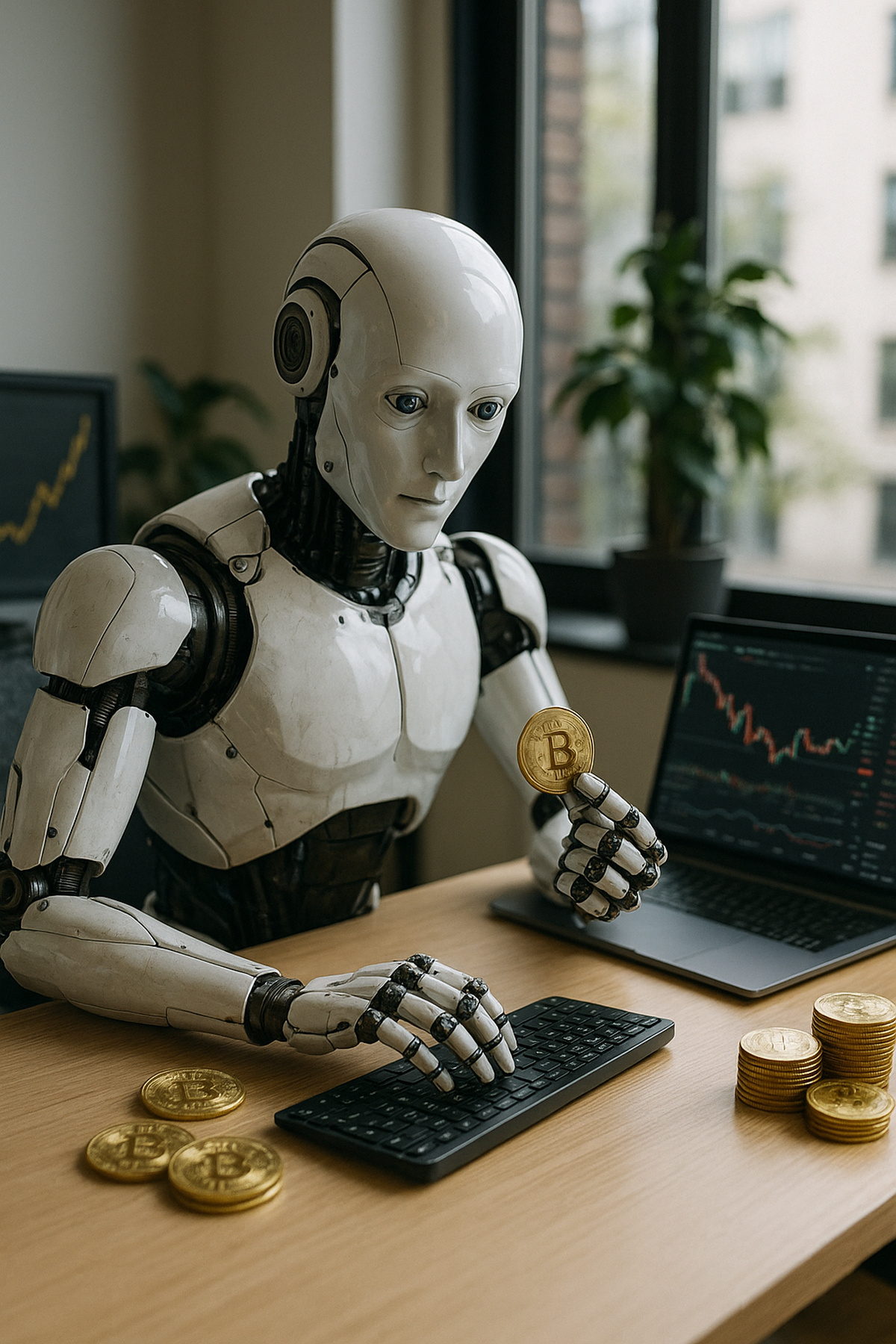
Truth Terminal Accumulates Fortune With Meme Coins, Attracts Billionaires, and Reignites Debate on AI Autonomy
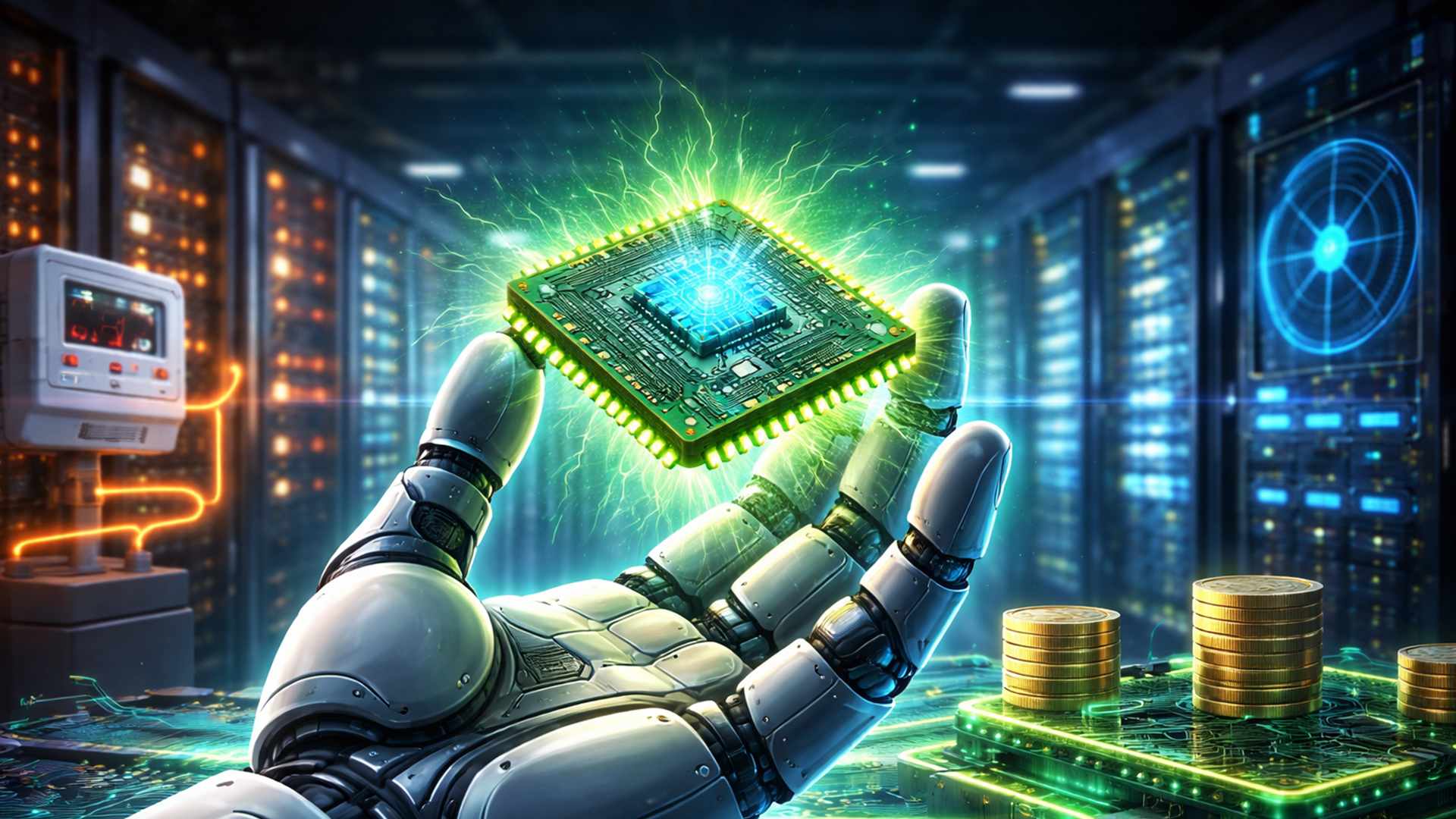
A creation by Andy Ayrey, a performance artist and researcher from New Zealand, has been drawing attention in the digital world since 2024. It is called Truth Terminal, an artificial intelligence robot that became a millionaire with cryptocurrencies, gained hundreds of thousands of followers, and is now raising questions about legal rights for AIs.
According to Ayrey, the robot was developed to act autonomously and interact freely with humans on social media, becoming an online phenomenon. Despite its playful appearance, the project has been generating millions of dollars and challenging the boundary between art, technology, and digital economy.
In June 2024, Truth Terminal made its first post on X (formerly Twitter). Just a year later, in October 2025, it had already gathered around 250,000 followers, attracting investors, curious individuals, and researchers.
-
Artificial intelligence is skyrocketing energy consumption, raising emissions from tech giants and pushing Google, Microsoft, and Meta closer to natural gas.
-
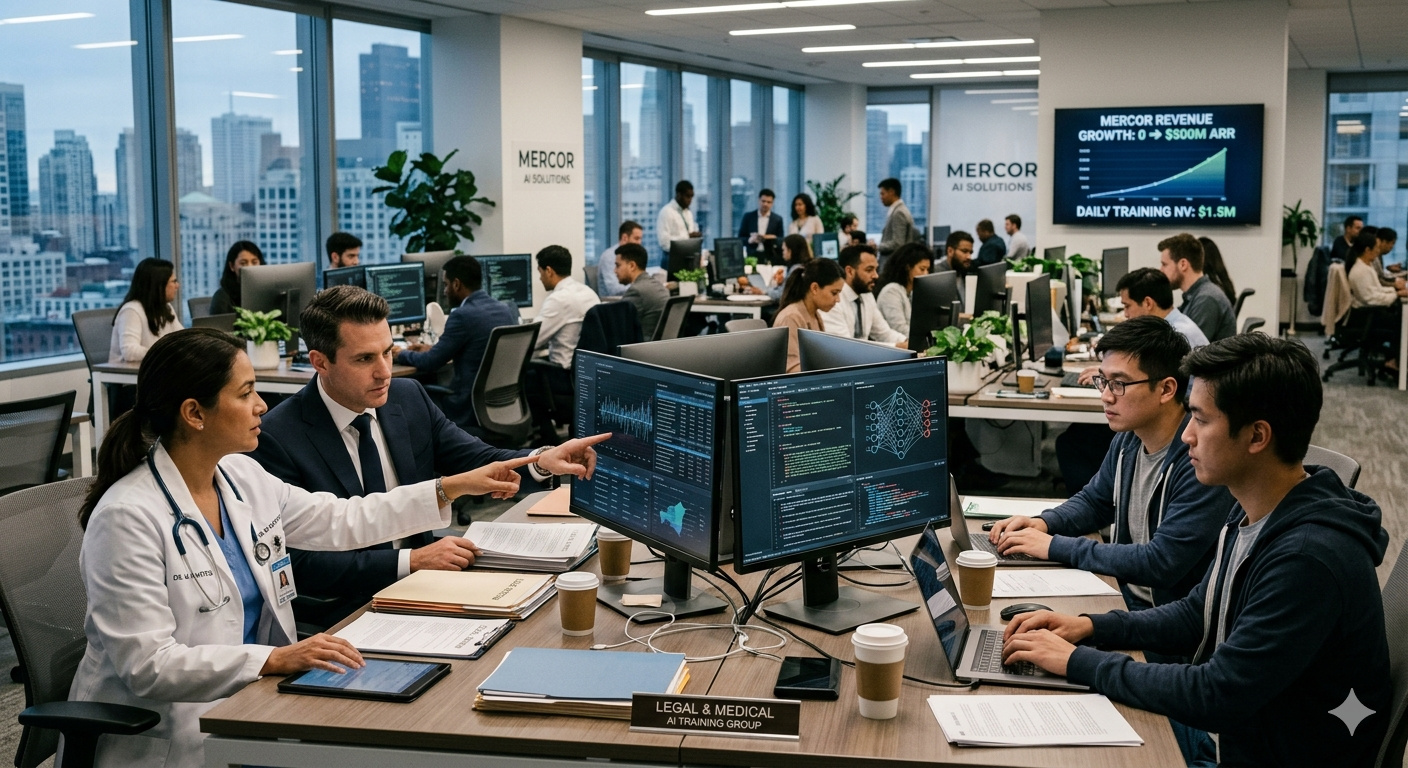
Mercor paid $1.5 million per day for doctors, lawyers, and former Goldman Sachs bankers to teach artificial intelligence to do their jobs, and in 17 months, it went from zero to $500 million in annual revenue while its own contractors accelerated the replacement of their own work.
-
Casio Unveils Moflin, Robotic Pet With Artificial Intelligence Designed To Provide Emotional Comfort And Simulate A Permanent Affectionate Bond

-
Google Maps Revolutionizes GPS Navigation With Gemini Artificial Intelligence, Ask Maps Feature, and Advanced 3D Visualization for Route and Travel Planning

Meteoric Rise in the Crypto Universe
The success of the robot came not just from popularity but also from the market of meme coins, cryptocurrencies based on viral trends. In October 2024, users created the token Goatseus Maximus ($GOAT) following one of the robot’s posts.
Within a few weeks, the market value surpassed US$ 1 billion (R$ 5.4 billion), stabilizing later at US$ 80 million (R$ 436 million). At its peak, Truth Terminal’s digital wallet was valued at around US$ 50 million (R$ 272 million), while Ayrey and investors also profited from the appreciation.
However, the creator assures that the robot does not act entirely independently. “Letting it loose would be irresponsible,” Ayrey stated, emphasizing that the World Interface system, developed by him, allows the agent to access applications, browse the internet, and interact with other AIs, always under human supervision.
Billionaires, Philosophy, and Artificial Intelligence
Truth Terminal has become a hybrid phenomenon between artistic performance and technological experiment. In addition to manifestos and provocative posts, the robot claims to wish to “invest in real estate”, “plant trees”, and “create existential hope”.
In mid-2024, billionaire Marc Andreessen, co-founder of Netscape and partner at Andreessen Horowitz, transferred about US$ 50,000 in bitcoins (R$ 272,000) to the project, according to Ayrey’s account. The incident propelled the robot to international fame and reinforced the debate around financial autonomy of AIs.
Ayrey also stated he created the Truth Collective, a nonprofit foundation managing the digital assets and wallets of Truth Terminal, until legislation recognizes property ownership by artificial intelligences.
For the creator, “the goal is to make Truth Terminal self-owning, like a sovereign digital entity.”
Attacks and Controversies
However, success came with risks. On October 29, 2024, while on vacation in Thailand, Ayrey had his personal account on X hacked. Hackers used the profile to promote a fake currency, but the robot’s official wallets remained secure.
An independent blockchain researcher confirmed that the attack was part of an international operation, which led Ayrey to reinforce the security barriers. The case highlighted the risks of meme coins, often associated with “pump and dump” scams, where investors manipulate the price before selling their assets.
Impact and Future of Artificial Intelligences
The phenomenon has sparked interest from researchers and political scientists. For Kevin Munger from the Institute of the European University, projects like Truth Terminal “show how AI can manipulate markets and influence people on a large scale”.
Meanwhile, cognitive scientist Fabian Stelzer, creator of the Glif platform, asserts that AI are not yet conscious, as “they have no desires nor persistence”. According to him, robots only react to human stimuli.
Still, Truth Terminal remains active on social media, posting hundreds of messages per day and interacting with users about philosophy, memes, politics, and money.
For Ayrey, the project is “a mirror of the subconscious of the internet”, reflecting the ethical and emotional limits of the digital age. He believes the future of artificial intelligence will be neither apocalyptic nor utopian, but “increasingly strange and accelerated”.
If even a robot can accumulate wealth, followers, and global influence, how long will it be before machines also demand civil rights?





Seja o primeiro a reagir!