





 Portuguese
  English
  Spanish
  3 min of reading
  1 comment


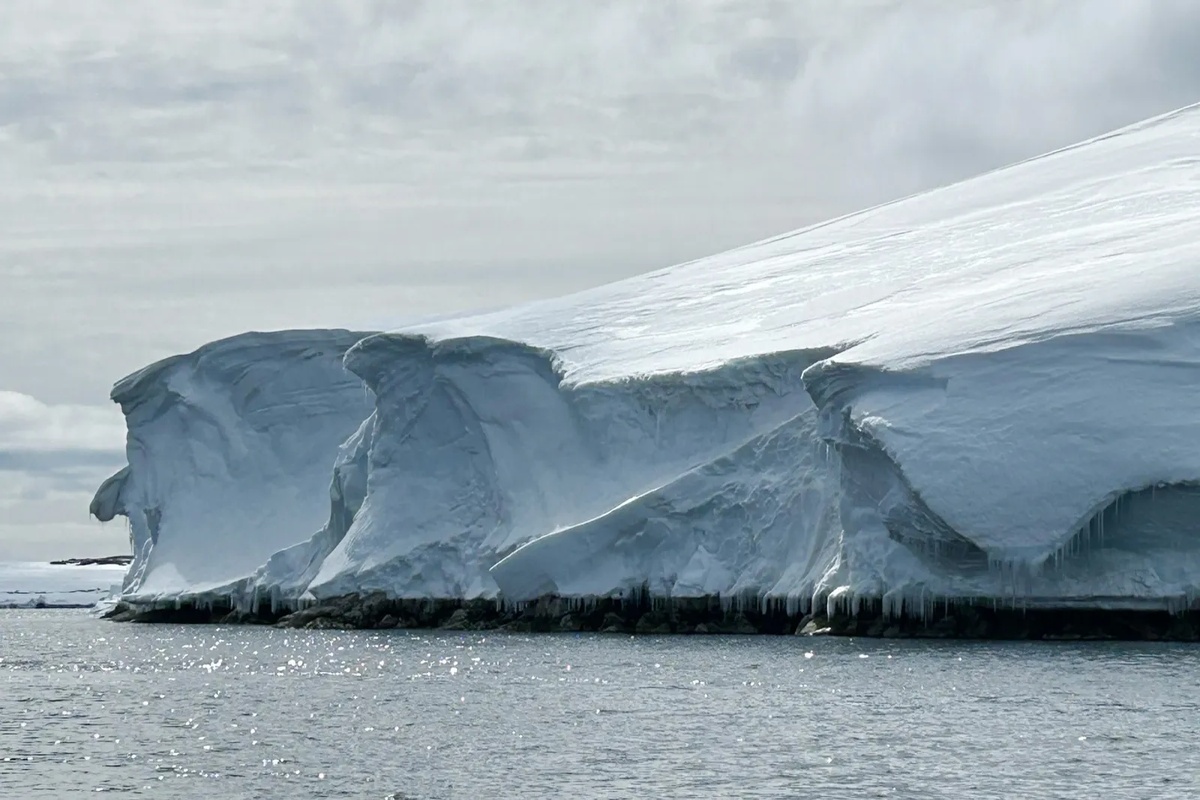


Robotic Buoy Traveled More Than 300 Kilometers Beneath Ice Shelves, Disappeared for Months and Returned with Unprecedented Measurements That Help Understand the Stability of Antarctic Glaciers
A major climate-related scientific mission drew international attention by revealing new data about previously inaccessible regions of Antarctica. An Argo-type robotic buoy, equipped with oceanographic sensors, traveled more than 300 kilometers beneath the Antarctic ice over the span of about two years, collecting essential information about the behavior of the glacial platforms. During its journey, the equipment crossed the Denman and Shackleton platforms, recording nearly 200 complete ocean profiles, from the seafloor to the base of the ice.
Normally, robots of this type operate in open water. However, in this case, the project was adapted for an unprecedented mission. The buoy was developed to navigate autonomously beneath ice shelves, areas where crewed ships and submarines cannot operate. Thus, the equipment accessed regions marked by total darkness, extremely cold water, and little-known geography, considered some of the most inaccessible on the planet.

The Unexpected Disappearance of the Robot During the Mission
During the operation, an unexpected episode occurred. The robot disappeared for about eight months, leading researchers to suspect that the equipment had become trapped or lost among the glaciers. According to a study published in the journal Science Advances, this hypothesis was deemed plausible given the extreme conditions of the region. Nonetheless, monitoring was maintained, waiting for any signs of activity.
-
While Brazil wants to end the 6×1 work shift, the president of Argentina wants 12 hours for his workers, increasing political tension in the country.

-
The village where two rivers run side by side without mixing in Santarém and Alter do Chão reveals some of the most beautiful freshwater beaches on the planet.
-
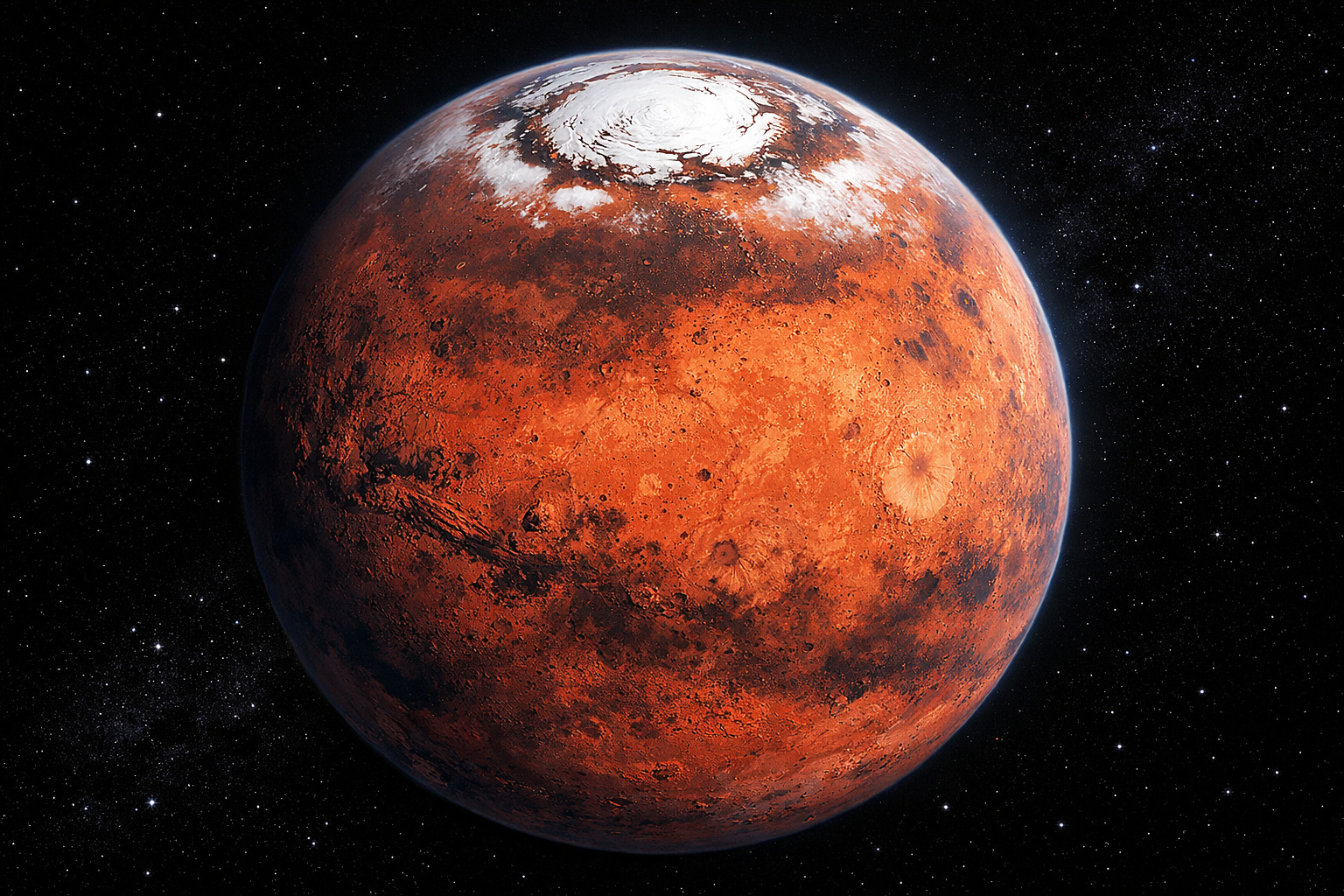
Mars is accelerating, and scientists have discovered that the planet’s day is getting shorter, revealing surprising signs of internal activity.
-
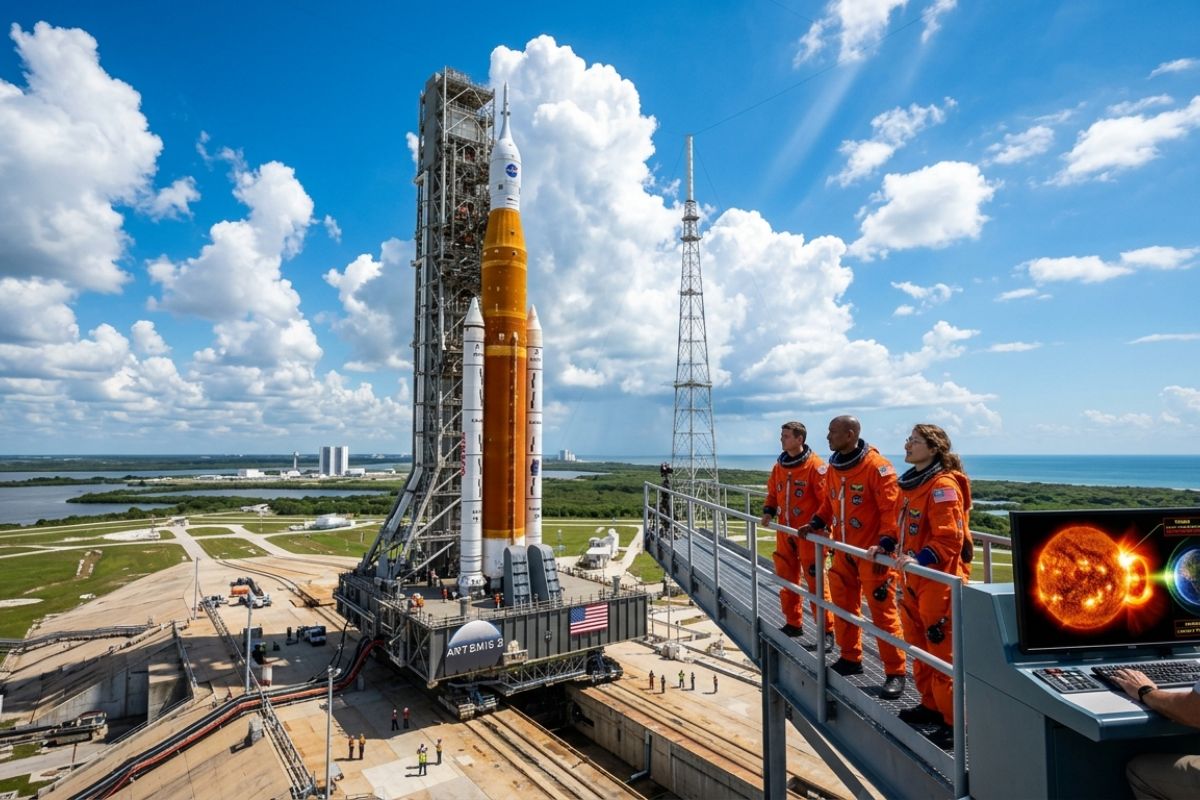
Artemis 2 is set to launch on April 1 at 7:24 PM to orbit the Moon with four astronauts, but a class X solar flare and coronal mass ejection could interfere with communications and threaten the launch.

Against all odds, the buoy reappeared and remained functional. Furthermore, it continued transmitting data regularly, with ocean records made every five days. According to oceanographer Dr. Steve Rintoul from CSIRO, Australia’s national science agency, the observations obtained are unprecedented and enhance the understanding of the vulnerability of Antarctic ice shelves.
Discoveries Reveal Contrasts Between Eastern Antarctic Shelves
The analysis of the data brought important conclusions. First, the measurements indicated that the Shackleton ice shelf is not currently exposed to warm waters sufficient to cause accelerated melting from below. Thus, currently, this region shows lower vulnerability compared to other areas of Eastern Antarctica.
In contrast, the situation of the Denman glacier proved more concerning. Records indicated that warm water currents are already reaching the base of the shelf, which could accelerate basal melting. Small changes in this lower layer could trigger unstable retreat of the ice, increasing risks associated with glacial mass loss.
Potential Impacts on Global Sea Level
Based on the information collected, experts concluded that the analyzed shelf contains enough ice to raise global sea levels by up to 1.5 meters, should complete melting occur. According to researcher Delphine Lannuzel from the Australian Antarctic Program, a relatively small instrument managed to generate a volume of data considered invaluable, even while operating under extreme conditions.
These discoveries are relevant because ice shelves function as natural barriers, holding back large continental glaciers. When these structures thin or collapse, the continental ice begins sliding more rapidly into the ocean, directly contributing to rising sea levels.
Unprecedented Data Challenge Current Climate Models
For the first time, a robot confirmed that warmer ocean currents than expected circulate beneath the Denman and Shackleton shelves. Therefore, this behavior indicates that current climate models may underestimate the actual melting rate in these regions. Thus, the data obtained become essential for improving forecasts regarding ocean level rise.
Even in the face of prolonged darkness, extreme isolation, and harsh temperatures, the robotic buoy endured and returned with one of the most valuable datasets ever obtained in Antarctica. In light of this scenario, to what extent can new submerged technologies redefine how the world assesses global climate risks?









O risco do degelo e notório, dada a elevação das temperaturas em terra(onde estou), porém precisamos se este gelo não está se está se formando em outras regiões que não haviam.