





 Portuguese
  English
  Spanish
  4 min of reading
  0 comments


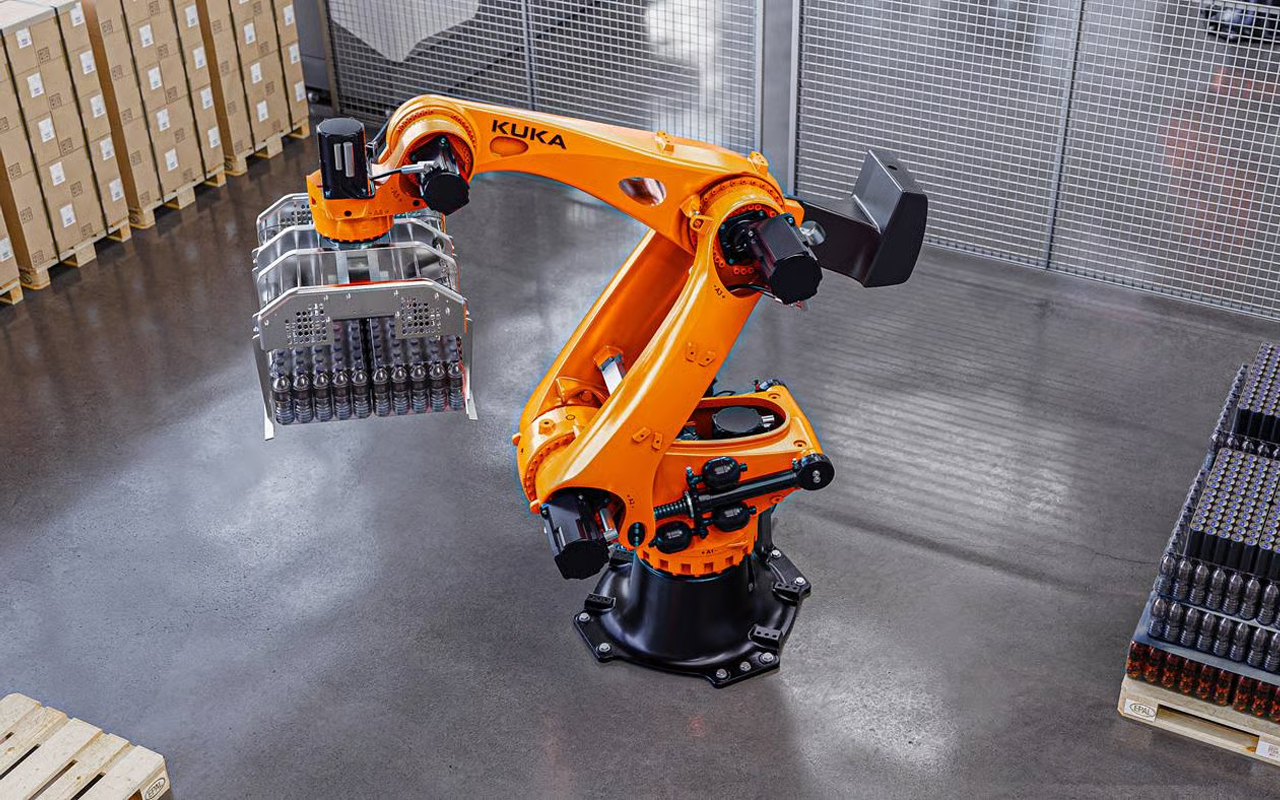
Robot Rental (RaaS) Gains Traction in the US, Takes on Repetitive and Risky Tasks That Can Affect Employee Health, Reduces Injuries, and Paves the Way for SMEs to Automate Without High Initial Investment.
Subscription robots are leaving the lab and entering the factory floor to do the work that no one wants, palletizing boxes, supplying machines, repeating exhausting movements. In a recent report, journalist Farah Stockman showed how American companies are renting robots to relieve heavier functions, thus keeping employees in higher-value roles. The case of S&F Foods, which rented a Formic robot with installation, training, and maintenance included, encapsulates the trend.
The Robots-as-a-Service (RaaS) model converts CapEx to OpEx, allows for quick pilots, and reduces the need for internal specialists to program and maintain the equipment. For small and medium industries, this is decisive: they can test automation at their own pace and pay for performance.
The numerical background helps to understand the shift. In 2023, sales of professional service robots grew by 30% worldwide. Logistics led the way, with 113,000 units and a rise of 35% compared to 2022. The RaaS fleet surpassed 7,700 units, and more than half of the professional robots sold were intended for cargo transport.
-
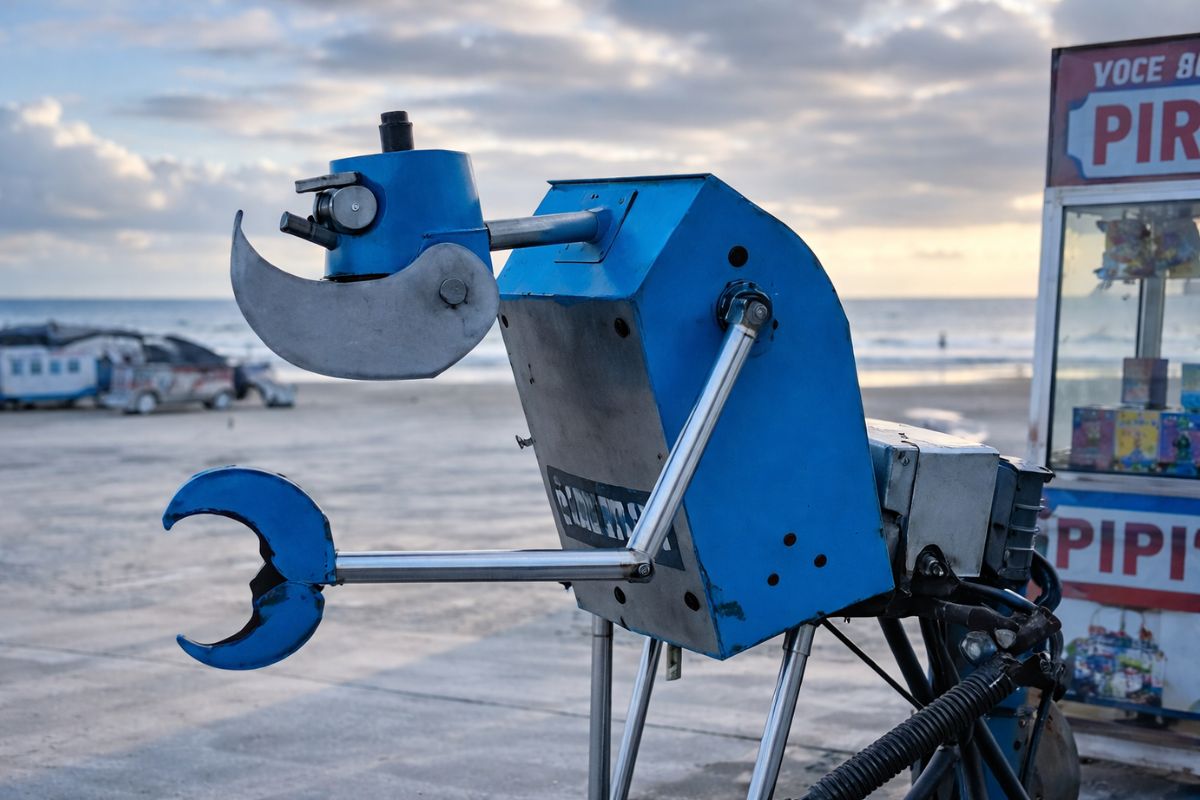
A street vendor from Praia Grande built a robot made of scrap from scooters and washing machines that pulls his popcorn cart on the beach, emits sounds, and interacts with customers, becoming an attraction on the coast of São Paulo.
-
The specifications of the Xiaomi 18 Pro Max have been leaked, and the highlight is a dual 200 MP camera with a new 22-nanometer technology that promises to consume less energy and capture details in shadows and bright areas using LOFIC HDR.

-
If the trip to the Moon were a hoax, it would be necessary to keep the secret among 400,000 people for more than 50 years and to deceive even the Soviet Union, which was tracking the radio signals coming from the exact direction of the satellite during each Apollo mission.

-
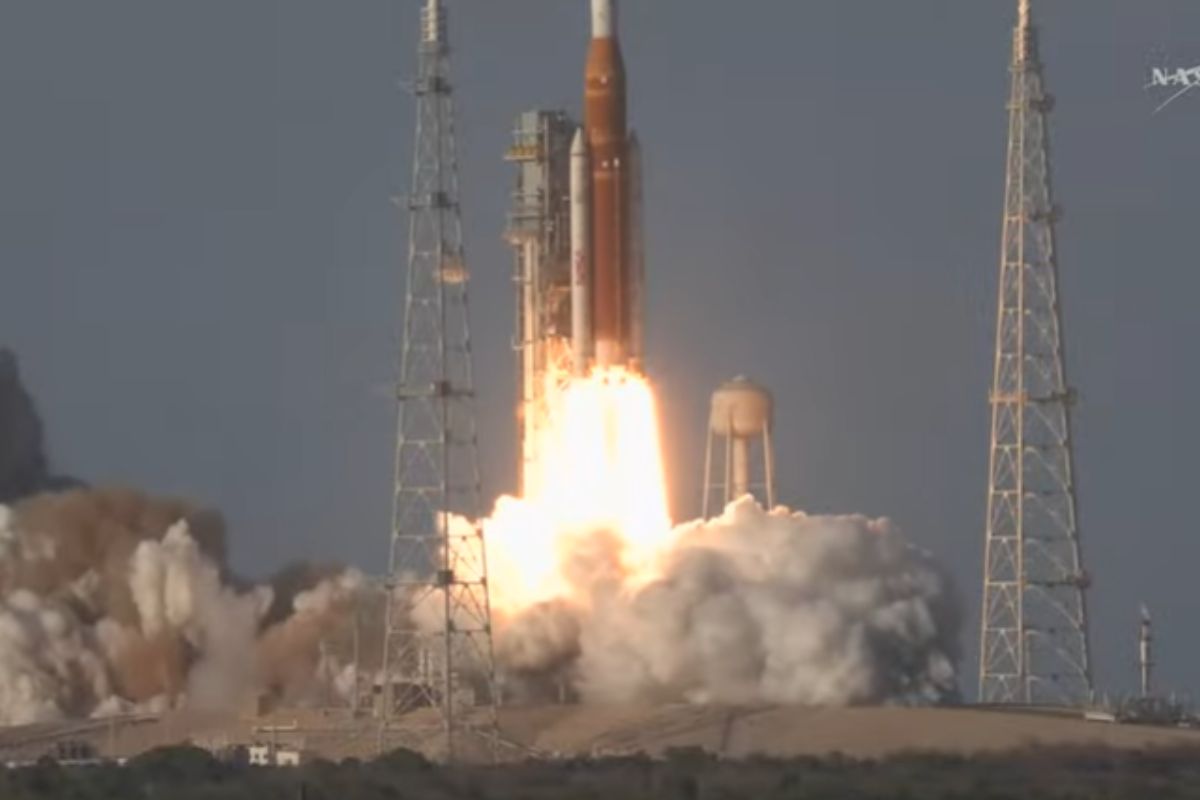
Artemis 2 launches at 7:35 PM with four astronauts and ends a 50-year fast in lunar orbit: the SLS rocket departs from Florida, the mission lasts 10 days, circles the far side, and tests Orion in a free-return trajectory.

The pressure for productivity also matters. In June 2025, there were 415,000 job openings in US manufacturing, a sign of labor scarcity and that companies are still seeking to automate critical processes.
Robot Rental and RaaS: Why SMEs Are Leading Industrial Automation in the US
The American industry is primarily composed of small businesses. In 2022, 93.1% of firms in the sector had fewer than 100 employees, and about three-quarters had fewer than 20. This profile limits high initial expenditures and favors scalable, subscription-based solutions.
In RaaS, the provider delivers the robot already configured with installation, training, programming, and repairs included in the contract. This is exactly what happened with S&F Foods in the case reported by the American press. It reduces the technical burden of the factory, shortens the learning curve, and improves time to results.
The model also appeals to investors. A recent report from Silicon Valley Bank on Hardware-as-a-Service indicates that recurring revenues enhance valuation appeal and that the median payback for these solutions is around 15 months, reinforcing the thesis of adoption at incremental paces.
Robots Take on Repetitive and Dangerous Tasks and Reduce Strain Injuries
The first applications of robot rental target high-strain tasks: palletizing, piece sorting, and machine feeding. These functions involve repetitive movements, lifting loads, and forced postures, which heighten the risk of musculoskeletal disorders (MSDs) among workers.
According to NIOSH/CDC and OSHA, MSDs result from excessive force, repetition, and awkward postures, among other factors. They are among the most common causes of lost time at work and are directly linked to activities like lifting, pushing, and pulling loads continuously. Mitigating these factors is a classic goal of ergonomics.
Recent data from BLS shows that, in 2023, employers reported 2.6 million non-fatal cases of occupational injuries and illnesses, highlighting a decrease in diseases, but injuries remaining stable. By shifting critical tasks to subscription robots, factories reduce exposure to risks and tend to retain more people, in addition to decreasing absenteeism.
Numbers from the Industrial Automation Market in the US: Logistics, RaaS, and Open Positions
According to the International Federation of Robotics (IFR), logistics accounted for 113,000 robots sold in 2023, a jump of 35% over the year. This positions internal transport and cargo movement as the driving force for adoption.
During the same period, the RaaS fleet grew by 24% and surpassed 7,700 units. The IFR also highlights that more than half of the professional robots sold in 2023 were intended for goods transport, demonstrating the market’s preference for AMRs and mobile solutions that address flow bottlenecks.
This advancement correlates with the labor scarcity in the sector. In June 2025, JOLTS/BLS recorded 415,000 job openings just in manufacturing, reinforcing the quest for productivity without increasing the physical risk to workers.
How Robot Rental Contracts Work and When They Make Sense
In practice, robot rental contracts combine monthly fees or price per hour/piece with availability SLAs, along with included maintenance. The provider monitors performance, adjusts the throughput, and ensures uptime, while the factory pays for the results delivered.
Implementation usually follows short stages: process mapping, pilot cell in a high-risk area or bottleneck, layout adjustments, and commissioning. With the asset under the provider’s responsibility, the internal team focuses on standardization and quality rather than complex programming.
For SMEs, the best candidates for RaaS are stable processes, with sufficient volume to justify automation, physical space for safe cells, and openness to train operators in new routines. Where there is high turnover and strain injuries, the priority tends to be greater, as the ergonomic gain is immediate.





Seja o primeiro a reagir!